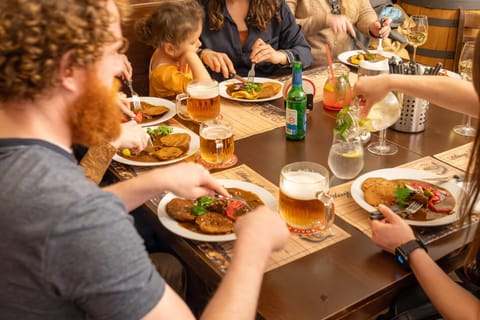
Signature dishes
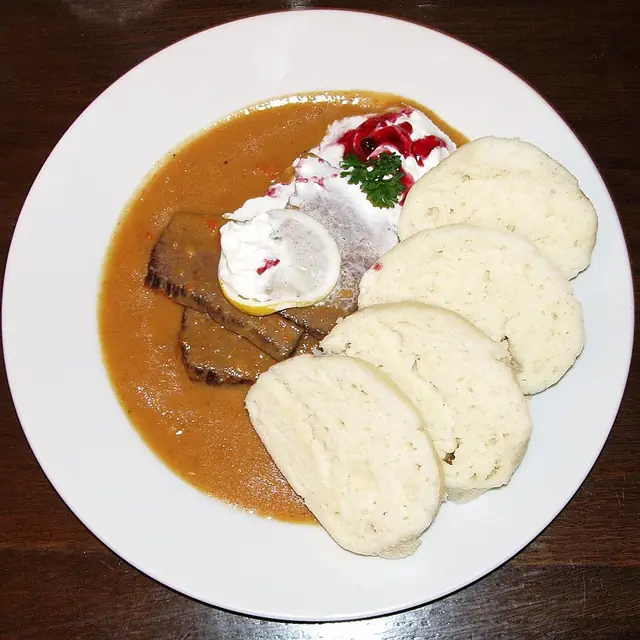
Marinated beef sirloin in a thick root-vegetable cream sauce, served with bread dumplings, cranberry jam and a swirl of whipped cream on top. Czech home cooking at its richest.
Where: Lokal Dlouhaaa, U Modre Kachnicky, Lokal Hamburk, Vycep
Price: 260-360 CZK
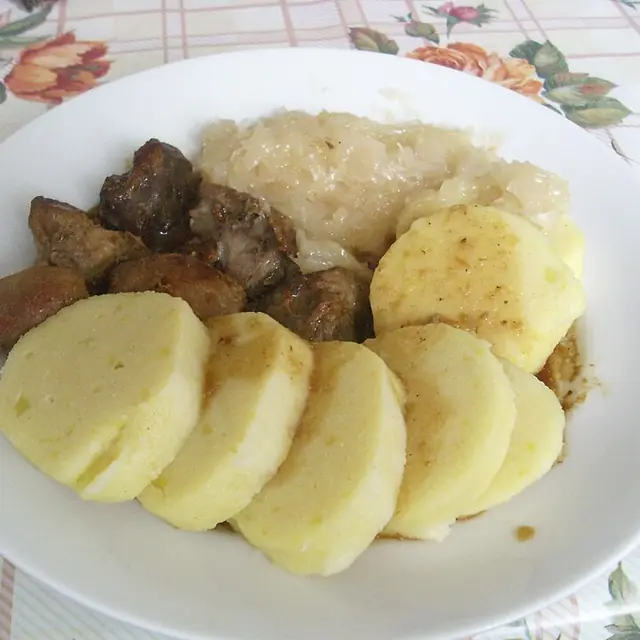
Roast pork shoulder with bread dumplings and braised sauerkraut. The Czech national plate: caramelised pork, fluffy dumplings to soak up the gravy, sweet-sour sauerkraut.
Where: U Modre Kachnicky, U Fleku, Lokal Dlouhaaa, Vycep
Price: 240-340 CZK
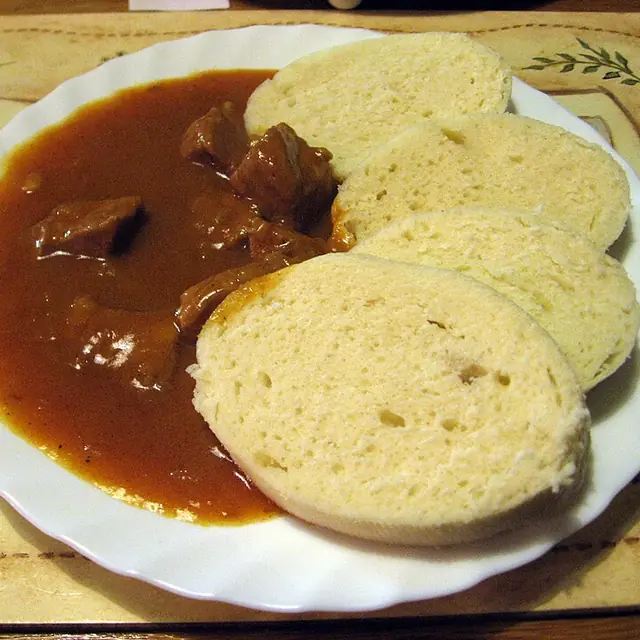
Czech beef goulash with bread dumplings: slow-braised chunks of beef in a paprika gravy thickened with onions, sliced dumplings on the side to soak it all up.
Where: U Fleku, Lokal Dlouhaaa, U Medvidku, Lokal Hamburk
Price: 220-320 CZK
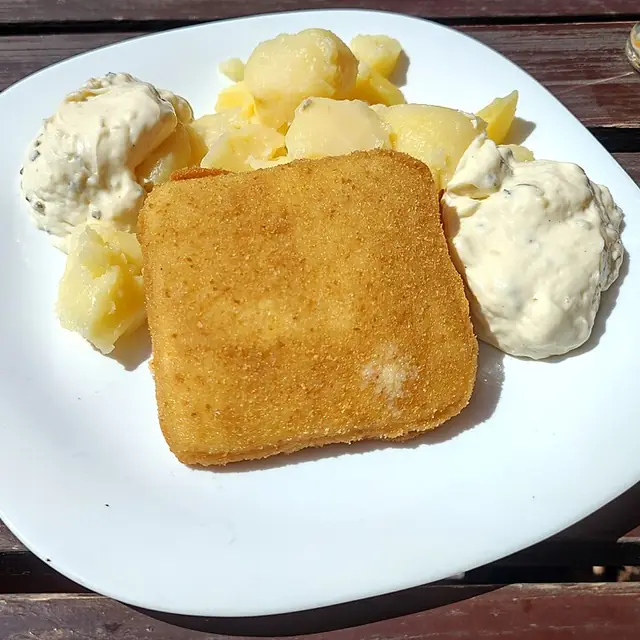
Czech fried cheese: a thick slab of Edam or Hermelin breaded and deep-fried, served with tartar sauce, fries and a slice of lemon. Beer-hall food at its most direct.
Where: Lokal Dlouhaaa, Lokal U Bile Kuzelky, U Fleku, U Medvidku
Price: 180-260 CZK
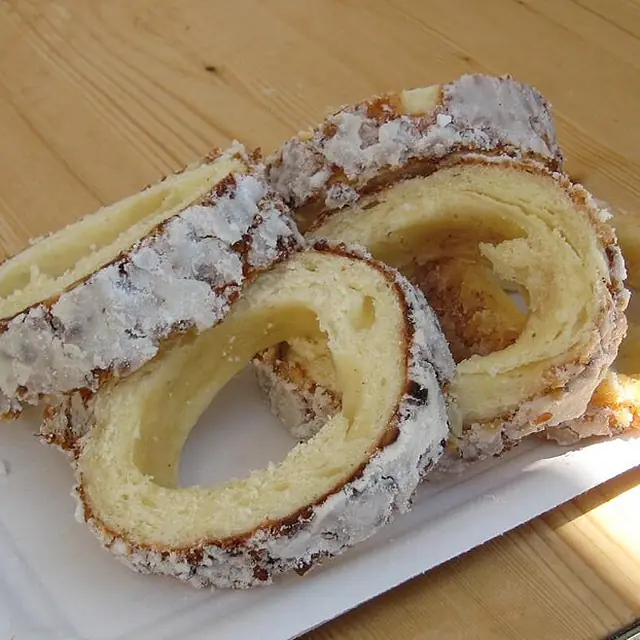
Dough wrapped around a wooden cylinder, grilled over coals, dusted in sugar and walnut. Tourist-marketed as old Czech, actually a 21st-century Prague phenomenon from Transylvania.
Where: Old Town Square sausage grills
Price: 120-180 CZK
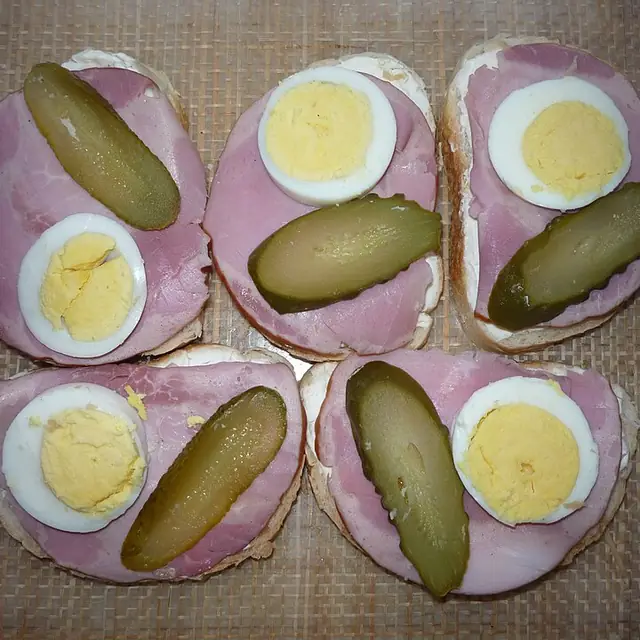
Czech open-faced sandwiches on dense white bread, piled with toppings from ham and pickle to roast beef and horseradish, smoked salmon or beetroot and apple. Lunch by the count.
Where: Sisters Bistro, Antoninovo Pekarstvi Karlin, Antoninovo Pekarstvi Namesti Miru
Price: 45-80 CZK each
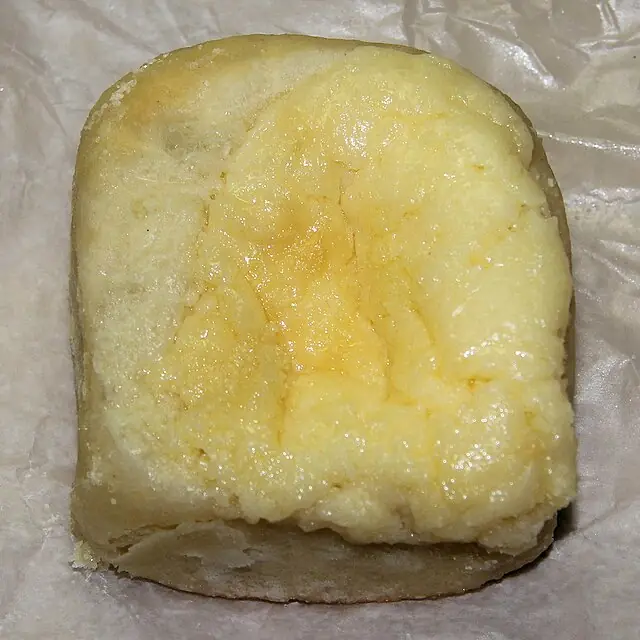
Bohemian sweet bun with a soft enriched dough and a dimple of filling: poppy seed, plum jam, sweet curd cheese or apricot. Round, palm-sized, baked golden on top.
Where: Eska Karlin, Antoninovo Pekarstvi Karlin, Antoninovo Pekarstvi Namesti Miru, Eska Letna
Price: 30-55 CZK each
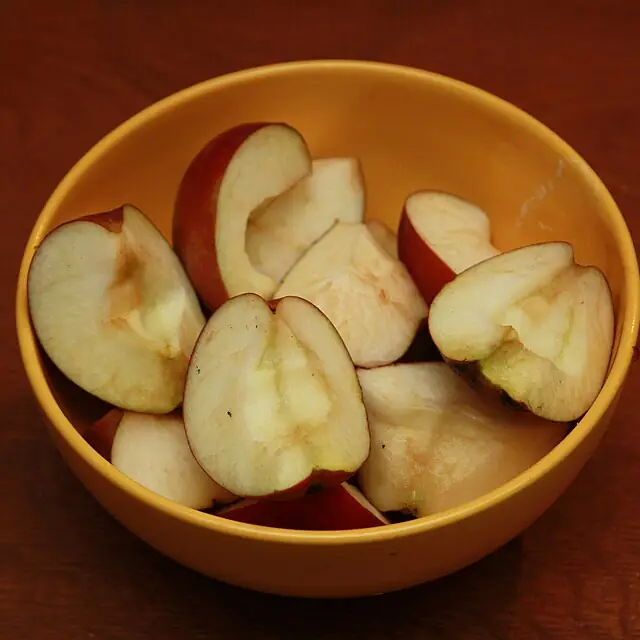
Bohemian fruit dumplings: a soft potato or quark dough wrapped around a whole plum, apricot or strawberry, boiled, then dressed with melted butter, sugar and farmer's cheese.
Where: U Modre Kachnicky, Lokal Dlouhaaa, Lokal Hamburk
Price: 180-260 CZK
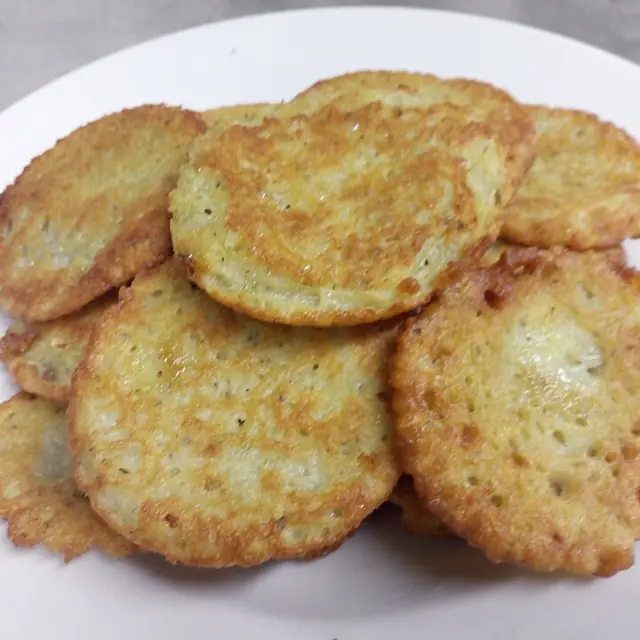
Czech savoury potato pancakes: grated potato, flour, garlic, marjoram and crushed garlic, fried in a thin disc until crisp. Beer-hall snack, sometimes filled with smoked pork.
Where: U Medvidku, U Fleku, Lokal U Bile Kuzelky
Price: 120-180 CZK
Czech beef tartare with fried garlic toasts: hand-chopped raw beef sirloin pounded with mustard, paprika, raw egg yolk and onion, scooped onto a slab of toasted rye rubbed with garlic, eaten with a cold Pilsner.
Where: Lokal Dlouhaaa, Kantyna, U Medvidku, Cestr
Price: 240-340 CZK
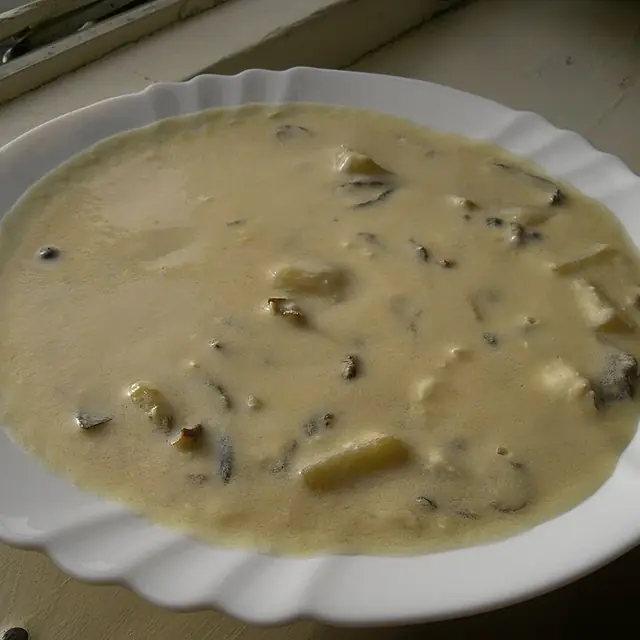
Bohemian sour-cream and mushroom soup: a velvety sour-cream and potato broth with caraway, dill, foraged mushrooms and a poached egg floating in the middle. Served with a chunk of dark rye on the side.
Where: Eska Karlin, U Modre Kachnicky, Cafe Savoy, Mistral Cafe
Price: 120-180 CZK
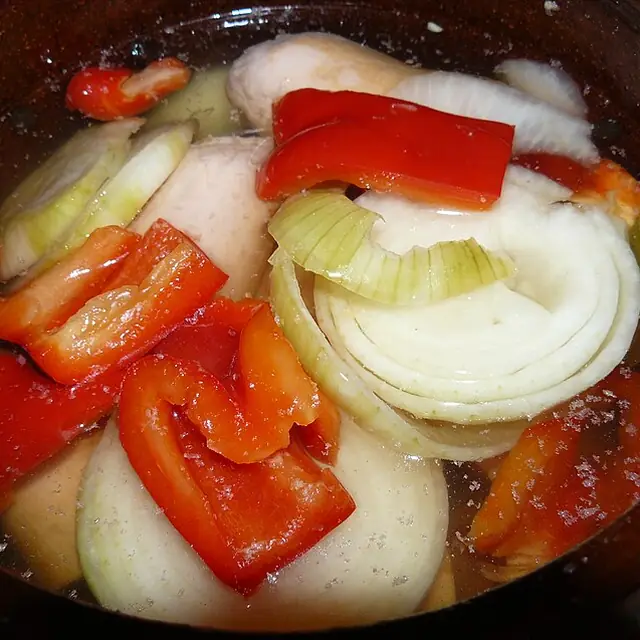
Czech pickled sausages, the canonical pub starter: a fat soft-fleshed parky sausage halved lengthwise, stuffed with raw onion, then submerged in a sweet-sharp vinegar brine with bay, peppercorns and chilli for at least three days before serving.
Where: U Medvidku, U Fleku, Vycep, Lokal Dlouhaaa
Price: 120-180 CZK
Vepro-knedlo-zelo
Roast pork shoulder with bread dumplings and braised sauerkraut. The Czech national plate: caramelised pork, fluffy dumplings to soak up the gravy, sweet-sour sauerkraut.
History: Pork, dumplings and cabbage became a daily Bohemian meal as Habsburg-era pig farming spread through the countryside in the 18th century. Bread dumplings turned stale rolls into the carbohydrate base; sauerkraut preserved cabbage through winter. The dish became the Czech national plate by the late 19th century and now anchors every pivnice menu, from U Fleku to Lokal. The classic Bohemian sauerkraut here is white (zeli bile), softened with caraway and stock until it reads as sweet-sour rather than pickly. The Moravian version uses red cabbage cooked with apple.
Where to try it: U Modre Kachnicky, U Fleku, Lokal Dlouhaaa, Vycep
Watch out for: Gluten, Eggs
Gulas s knedliky
Czech beef goulash with bread dumplings: slow-braised chunks of beef in a paprika gravy thickened with onions, sliced dumplings on the side to soak it all up.
History: Czech goulash diverged from the Hungarian original in the 19th century, becoming a stew rather than a soup. Bohemian and Moravian pubs thickened the gravy with onions, served it with bread dumplings rather than pasta, and added marjoram. Every pivnice cooks its own version; U Fleku's has poured beside the dark Flek lager for a century. The Czech tradition is to use beef shin or chuck, never veal as in the Hungarian Borjugulyas, and to break it down into shreds rather than keeping the chunks intact. Garnished with a swipe of mustard, slices of raw red onion and fresh bread to mop up.
Where to try it: U Fleku, Lokal Dlouhaaa, U Medvidku, Lokal Hamburk
Watch out for: Gluten, Eggs
Smazeny syr
Czech fried cheese: a thick slab of Edam or Hermelin breaded and deep-fried, served with tartar sauce, fries and a slice of lemon. Beer-hall food at its most direct.
History: Smazeny syr is a 20th-century Czech invention, popularised in the communist era when meat was scarce and cheese was not. Local Edam-style cheese took the schnitzel treatment: floured, egged, crumbed, deep-fried to a golden crust. It became late-night pub food, the dish you order at 23:00 with a Pilsner. Lokal serves the canonical version, listed on every Lokal menu since the chain opened in 2009. Older pivnice often serve a version with hermelin (Czech camembert) instead of Edam for richer interior melt.
Where to try it: Lokal Dlouhaaa, Lokal U Bile Kuzelky, U Fleku, U Medvidku
Watch out for: Gluten, Dairy, Eggs
Trdelnik
Dough wrapped around a wooden cylinder, grilled over coals, dusted in sugar and walnut. Tourist-marketed as old Czech, actually a 21st-century Prague phenomenon from Transylvania.
History: Trdelnik traces back to Transylvania, brought to the Slovak town of Skalica by retired Hungarian general Jozsef Gvadanyi in the 1780s. It only arrived in Prague in the early 2000s, when tourist vendors marketed it as a traditional Czech pastry. Locals avoid it; the pastry exists almost entirely for tourist photos around the Old Town. Now the trdelnik-ice-cream-cone is its dominant form, with the chimney-shaped sweet bread filled with soft serve, Nutella or whipped cream and eaten by tourists on the Charles Bridge. There is no Czech home or pub version; the dish is street-only and tourist-only.
Where to try it: Old Town Square sausage grills
Watch out for: Gluten, Eggs, Nuts
Chlebicky
Czech open-faced sandwiches on dense white bread, piled with toppings from ham and pickle to roast beef and horseradish, smoked salmon or beetroot and apple. Lunch by the count.
History: Chlebicky emerged in late-19th-century Bohemia as Czech-Jewish bakers adapted French canape ideas for daily working lunches. The base was always a slice of vekka white bread; toppings included potato salad, egg, ham, fish or roast beef. Through the communist era they remained the most accessible lunch. Sisters Bistro modernised the form in 2014, with farm-sourced spreads and a vegan-friendly selection. The defining elements remain: a thin slab of dense white bread, a generous spoon of vegetable-mayo base, then a layered topping, finished with a parsley sprig or pickled garnish.
Where to try it: Sisters Bistro, Antoninovo Pekarstvi Karlin, Antoninovo Pekarstvi Namesti Miru
Watch out for: Gluten, Eggs, Fish
Kolache
Bohemian sweet bun with a soft enriched dough and a dimple of filling: poppy seed, plum jam, sweet curd cheese or apricot. Round, palm-sized, baked golden on top.
History: Kolache (kolac) date back to medieval Bohemia, originally a wedding cake the entire village shared. By the 19th century they had shrunk to individual buns. The poppy-seed kolach (mak) is the canonical Czech version; the curd-cheese version (tvaroh) is the Moravian alternative. Eska and Antonin Bakery bake the modern Prague version daily; the Saturday Naplavka stalls sell the rural family version. The Texan kolache descended from Czech immigrants in the 1850s in central Texas (West, Texas remains the home), where it diverged toward a savoury sausage-stuffed form that is unrecognisable to Bohemians.
Where to try it: Eska Karlin, Antoninovo Pekarstvi Karlin, Antoninovo Pekarstvi Namesti Miru, Eska Letna
Watch out for: Gluten, Dairy, Eggs
Ovocne knedliky
Bohemian fruit dumplings: a soft potato or quark dough wrapped around a whole plum, apricot or strawberry, boiled, then dressed with melted butter, sugar and farmer's cheese.
History: Fruit dumplings are the canonical Bohemian summer dessert, made with whatever orchard fruit is in season. The dough recipe varies: potato in the south, quark or curd cheese in Moravia. The plum version (svestkove knedliky) hits Prague pivnice menus from August through October, when Bohemian plums ripen. U Modre Kachnicky and the Lokal kitchens keep them on a seasonal rotation. Czech families eat them as a main course, not a dessert, with a heavy dusting of grated tvaroh (curd cheese), browned butter and icing sugar.
Where to try it: U Modre Kachnicky, Lokal Dlouhaaa, Lokal Hamburk
Watch out for: Gluten, Dairy, Eggs
Bramboracky
Czech savoury potato pancakes: grated potato, flour, garlic, marjoram and crushed garlic, fried in a thin disc until crisp. Beer-hall snack, sometimes filled with smoked pork.
History: Bramboracky are working-class Czech food, born from rural kitchens making something cheap from potatoes, flour and the herbs in the garden. The garlic-and-marjoram seasoning is canonical; the smoked-meat version is the south Bohemian variation. U Medvidku and U Fleku keep them as standing pub snacks; the home version is family memory across the country. The South Moravian variant adds caraway to the batter and is sometimes fried in goose fat; the Krkonose mountain version is bigger and used as a wrap (kysele zeli rolls inside a bramborak with smoked meat).
Where to try it: U Medvidku, U Fleku, Lokal U Bile Kuzelky
Watch out for: Gluten
Tatarak s topinkami
Czech beef tartare with fried garlic toasts: hand-chopped raw beef sirloin pounded with mustard, paprika, raw egg yolk and onion, scooped onto a slab of toasted rye rubbed with garlic, eaten with a cold Pilsner.
History: Tatarak entered Bohemian cuisine through Habsburg-era links with the German-speaking lands, where Beefsteak Tatar was a fashionable bourgeois plate by the 1880s. The Czech version diverged into a pivnice classic: rough hand-chopped (never machine-minced) beef from the Czech rump or sirloin, mixed at the table with paprika, mustard, ketchup, finely chopped onion, capers, anchovy and an egg yolk in the central well. The toasted topinka (slice of rye fried in lard, rubbed hot with raw garlic) is the obligatory accompaniment. Kantyna, the McConnell-style butcher-cafe of Ambiente group, modernised the dish but kept the form. The combination is sometimes called pivni dieta (beer diet) because the salt and protein call for round after round of cold lager.
Where to try it: Lokal Dlouhaaa, Kantyna, U Medvidku, Cestr
Watch out for: Gluten, Eggs, Fish, Mustard
Kulajda
Bohemian sour-cream and mushroom soup: a velvety sour-cream and potato broth with caraway, dill, foraged mushrooms and a poached egg floating in the middle. Served with a chunk of dark rye on the side.
History: Kulajda comes from south Bohemia and the Sumava forest region, born from the foraging-and-dairy economy of the highlands. The classic version uses dried wild mushrooms in winter and fresh hribky (porcini) in autumn. The poached egg is the structural finish, breaking into the soup to enrich it further. Eska in Karlin runs a refined version with house-fermented cream; older pivnice serve the rustic version with a heavier dose of dill and vinegar. Always finished with a drizzle of vinegar (rather than lemon) to lift the cream.
Where to try it: Eska Karlin, U Modre Kachnicky, Cafe Savoy, Mistral Cafe
Watch out for: Gluten, Dairy, Eggs
Utopenci
Czech pickled sausages, the canonical pub starter: a fat soft-fleshed parky sausage halved lengthwise, stuffed with raw onion, then submerged in a sweet-sharp vinegar brine with bay, peppercorns and chilli for at least three days before serving.
History: Utopenci, literally drowned ones, are a Czech pivnice staple developed in the late 19th century as a way for pubs to keep parky-style soft sausages edible for weeks once a fresh delivery had been cut. The sausages float face-up in tall glass jars at the bar like macabre ornaments, scooped out with tongs and served on a small plate with the brined onion piled around them and a slice of pickled cucumber. Utopenci are pivni jidlo (beer food) of the strictest kind, demanding rye bread and round after round of cold beer to balance the funk. U Medvidku and U Fleku keep jars going perpetually.
Where to try it: U Medvidku, U Fleku, Vycep, Lokal Dlouhaaa
Watch out for: Mustard