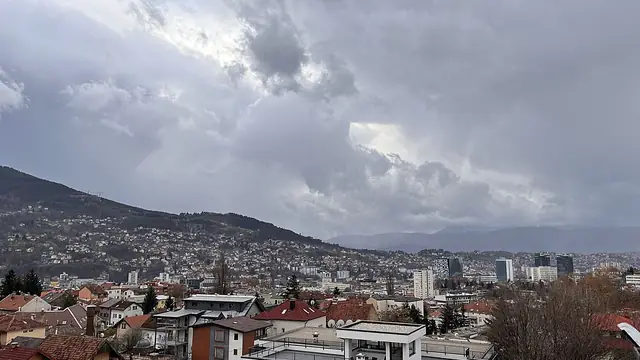
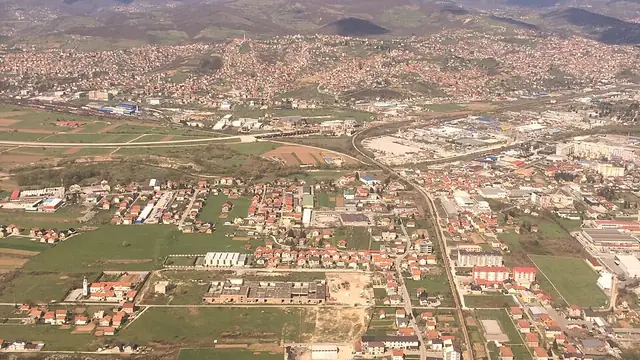
Our 47 places in these neighborhoods, and hotels in each one. Sleep where you want to eat: every search below opens on that neighborhood with your nights filled in.
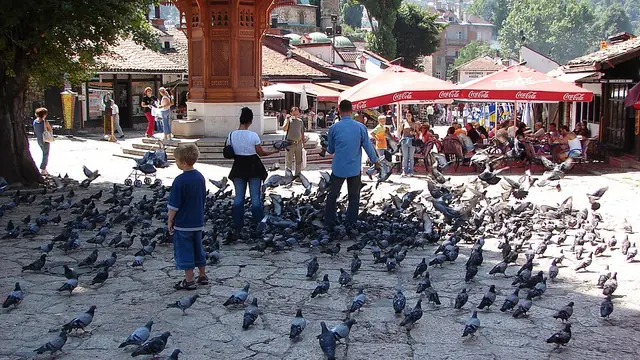
Ferhadija is the main pedestrian street; at the Meeting of Cultures Saraci's Oriental bazaar runs into Ferhadija's grand Western-style Austro-Hungarian buildings.
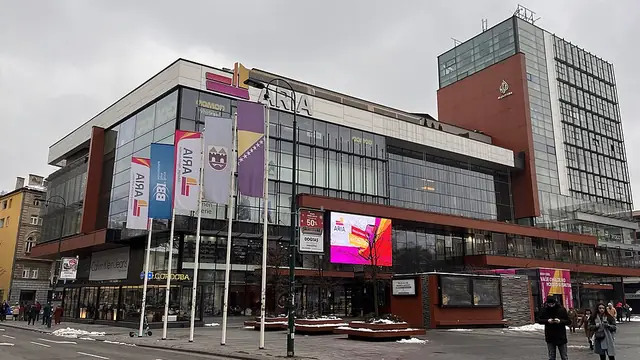
Skenderija is a sports, cultural and trade centre opened in 1969 and used for the 1984 Winter Olympics; Marijin Dvor beside it is noted for Austro-Hungarian buildings.
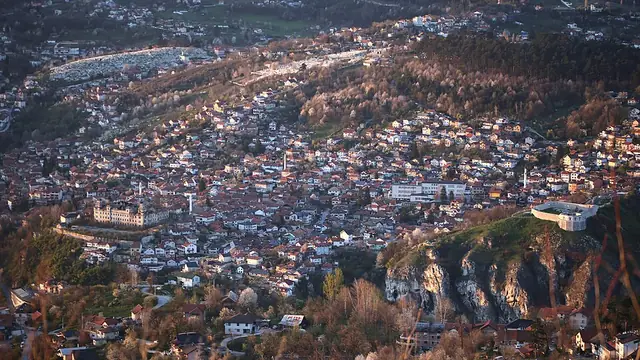
The hillside above the old town, below the Vratnik fortifications; Kibe Mahala, at Vrbanjusa 106, serves Bosnian dishes with panoramic views of Sarajevo.
A central hillside neighbourhood near the Eternal Flame; Cekalusa holds 4 Sobe Gospodje Safije, a restaurant in a restored Austro-Hungarian house at number 61.
Kovaci is a cobbled street on the old town's northeast side with coppersmiths; Cajdzinica Dzirlo and Ministry of Cejf are here, and Inat Kuca faces City Hall across the river.
Grbavica is a residential neighbourhood on the Miljacka built in socialist Yugoslavia; it holds the Kovacici Franciscan monastery and the stadium of FK Zeljeznicar.
Dobrinja, in the western outskirts, was built as the Olympic Village for the 1984 Winter Olympics and is now a residential neighbourhood of about 25,000 people.
The part we do know: where to eat once you have dropped the bags.
Hotels and rates come from our booking partners, not from editor visits. Live prices and availability are on their sites, and we earn a commission if you book, at no cost to you.