Signature dishes
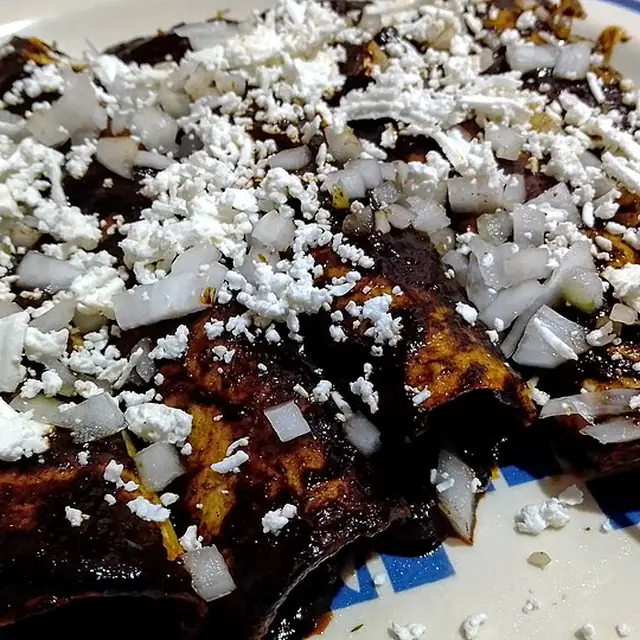
Mole negro is the darkest and most complex of Oaxaca's seven moles, with 25-plus ingredients including chilhuacle negro, chocolate, sesame, almonds and burnt-tortilla.
Where: Levadura de Olla, Las Quince Letras, Restaurante Catedral, Los Pacos, Tierra del Sol, Casa Oaxaca el Restaurante, Ancestral Cocina Tradicional
Price: $280-$420 MXN per plate
Mole coloradito is the sweeter, redder mole of the seven, with ancho and guajillo chiles, plantain and chocolate; a Sunday-lunch standard across Oaxaca.
Where: Las Quince Letras, Restaurante Catedral, Los Pacos, Ancestral Cocina Tradicional, La Olla
Price: $220-$340 MXN per plate
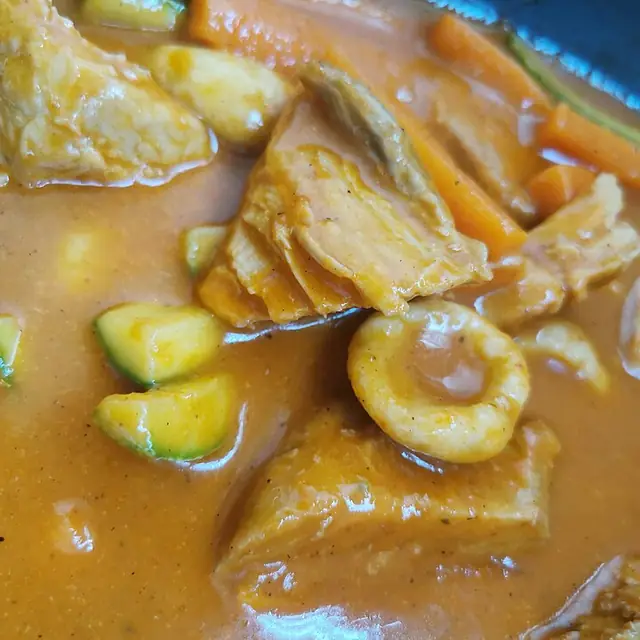
Mole amarillo is the brightest yellow of the seven moles, built on chilhuacle amarillo, hierba santa and masa, served at funerals and weddings in Sierra communities.
Where: Ancestral Cocina Tradicional, Las Quince Letras, Los Pacos, Restaurante Catedral, Tierra del Sol
Price: $200-$320 MXN per plate
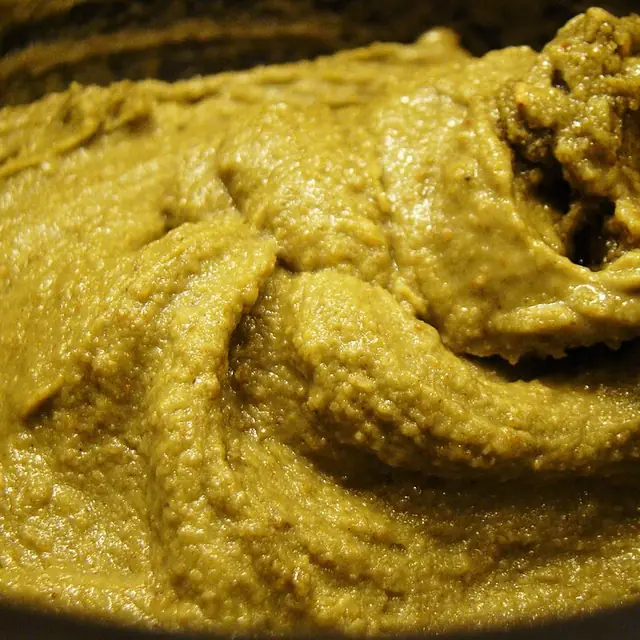
Mole verde is the green herb-and-tomatillo mole of the seven, thickened with masa and bright with hierba santa, epazote, parsley and pumpkin seeds.
Where: Las Quince Letras, Los Pacos, Restaurante Catedral, Ancestral Cocina Tradicional, Tierra del Sol
Price: $180-$280 MXN per plate
Mole chichilo is the rarest of the seven moles, the deep-smoke-flavoured mole built on charred tortillas and chilhuacle chiles, served at funerals.
Where: Tierra del Sol, Las Quince Letras, Restaurante Catedral, Los Pacos, Levadura de Olla, Los Danzantes
Price: $280-$420 MXN per plate
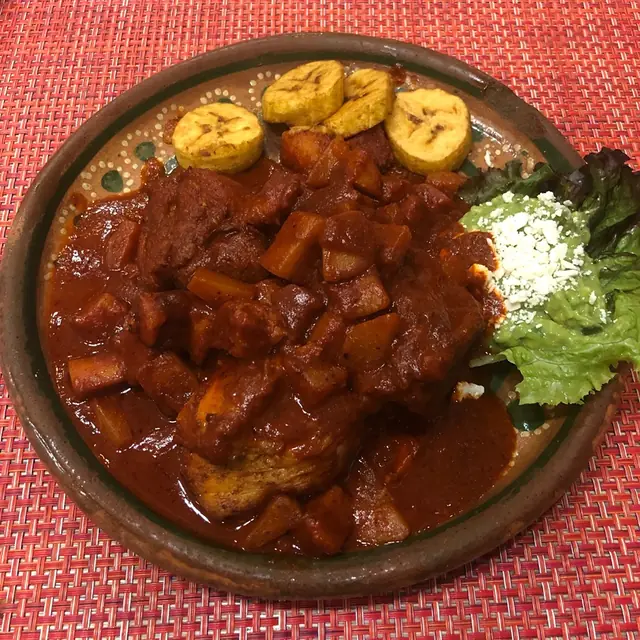
Mole manchamanteles ("tablecloth stainer") is the fruity-sweet mole with pineapple, plantain, apple and ancho chile, named for the tablecloth stains it leaves.
Where: Restaurante Catedral, Los Pacos, Ancestral Cocina Tradicional, Las Quince Letras
Price: $220-$320 MXN per plate
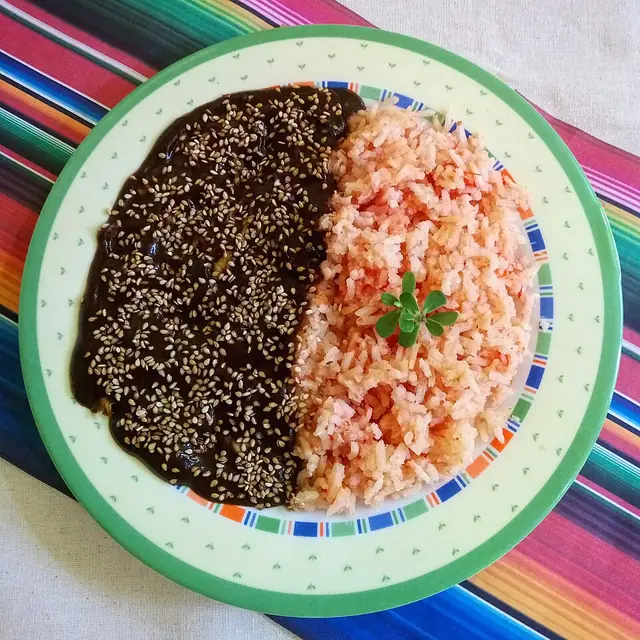
Mole rojo is the seventh of the canonical moles, the red mole built on ancho, guajillo and chilhuacle rojo, more peppery and less sweet than coloradito.
Where: Los Pacos, Restaurante Catedral, Ancestral Cocina Tradicional, Las Quince Letras
Price: $200-$300 MXN per plate
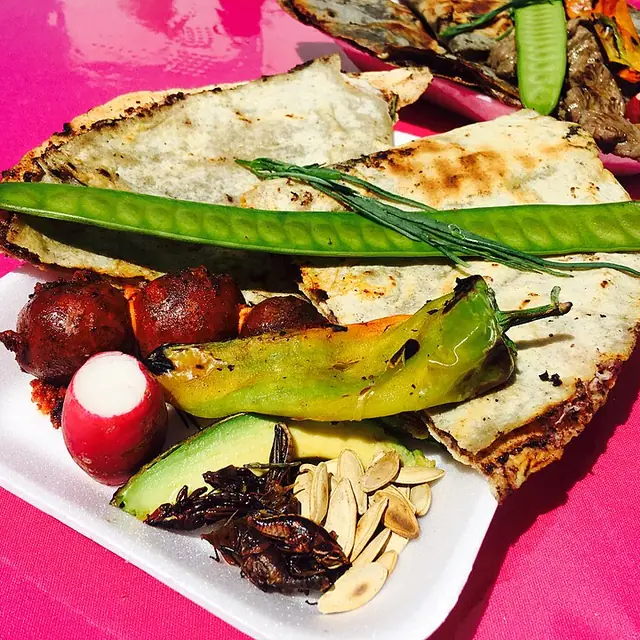
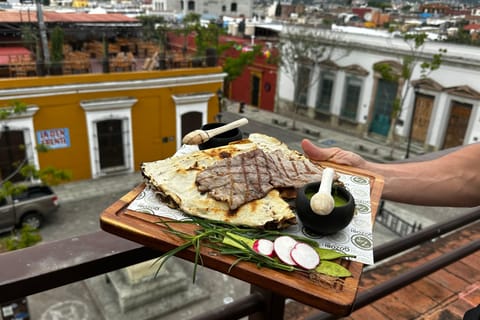
Tlayuda is Oaxaca's giant comal-charred tortilla, smeared with asiento and bean paste, topped with quesillo, tasajo or cecina and salsa, the canonical night dish.
Where: Tlayudas Libres, Tlayudas Las Animas, Itanoni, Tierra del Sol, Ancestral Cocina Tradicional, Levadura de Olla, Almu
Price: $80-$180 MXN per tlayuda
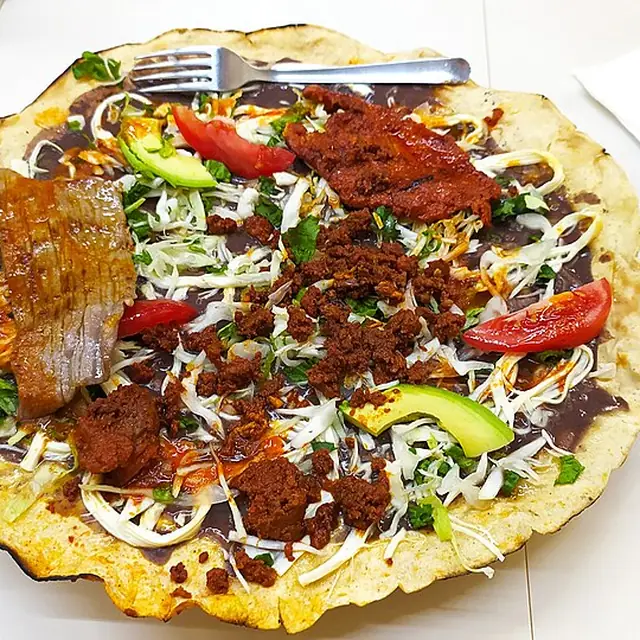
Tasajo is Oaxacan salt-cured thin-sliced beef, grilled over wood coals at the Pasillo de Humo and served with avocado, salsa and warm tortillas to order.
Where: Pasillo de Humo, Tlayudas Libres, Itanoni, Tierra del Sol, Ancestral Cocina Tradicional, Almu
Price: $120-$220 MXN per plate
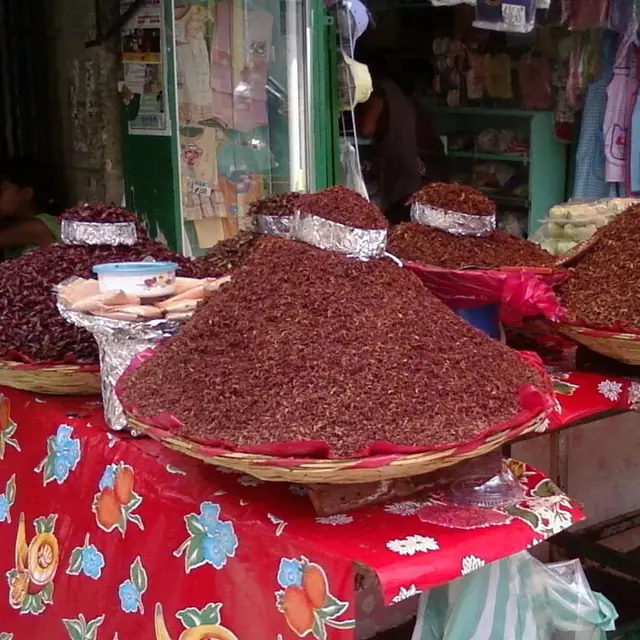
Chapulines are roasted Oaxacan grasshoppers with garlic, salt, chile and lime, eaten as a snack, in tacos or sprinkled over guacamole and tlayudas.
Where: Mercado Benito Juarez chapulines row, Casa Oaxaca el Restaurante, Origen, Tierra del Sol, Itanoni, Tlayudas Libres
Price: $80-$160 MXN per 100g
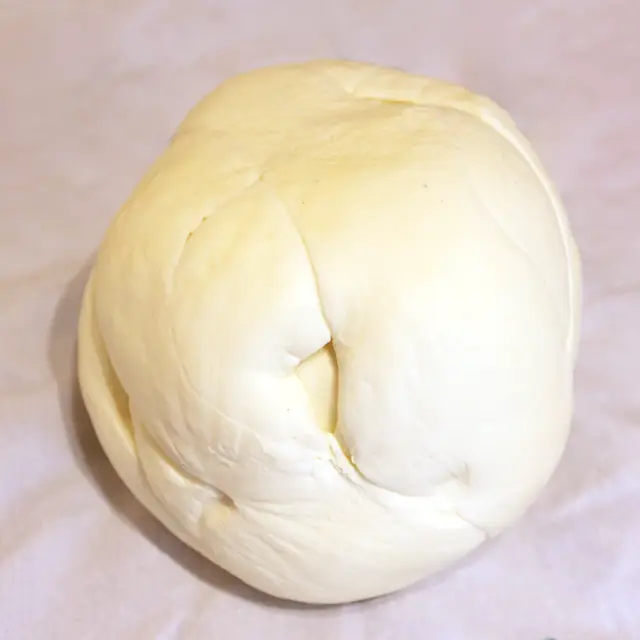
Quesillo is Oaxacan string cheese pulled into long ropes and wound into a ball, the melting cheese on tlayudas, quesadillas, memelas and tetelas.
Where: Mercado Benito Juarez, Mercado de Reyes Etla (Wednesday tianguis), Itanoni, Tlayudas Libres, Casa Oaxaca el Restaurante
Price: $60-$140 MXN per quarter-kilo
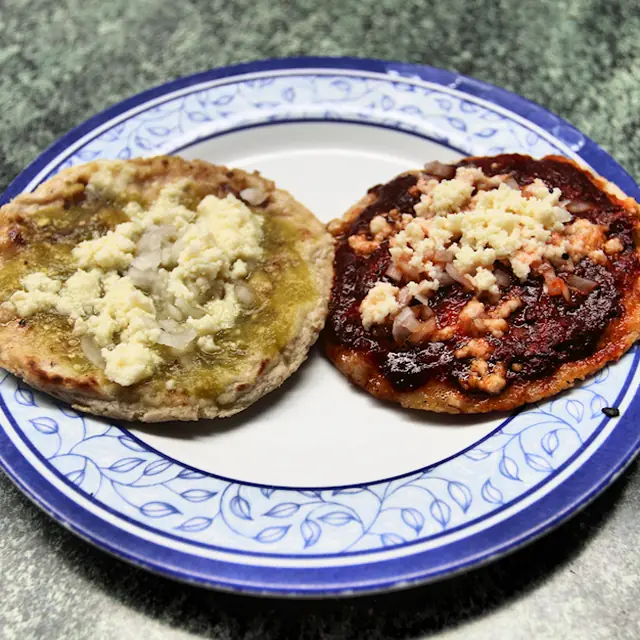
Memelas are thick masa rounds toasted on the comal and topped with asiento, frijol, salsa and quesillo, the canonical Oaxacan home-kitchen breakfast.
Where: Memelas Dona Vale (Mercado de Abastos), Itanoni, Comedor Yolis (Mercado Sanchez Pascuas), Comala, Almu
Price: $15-$40 MXN per memela
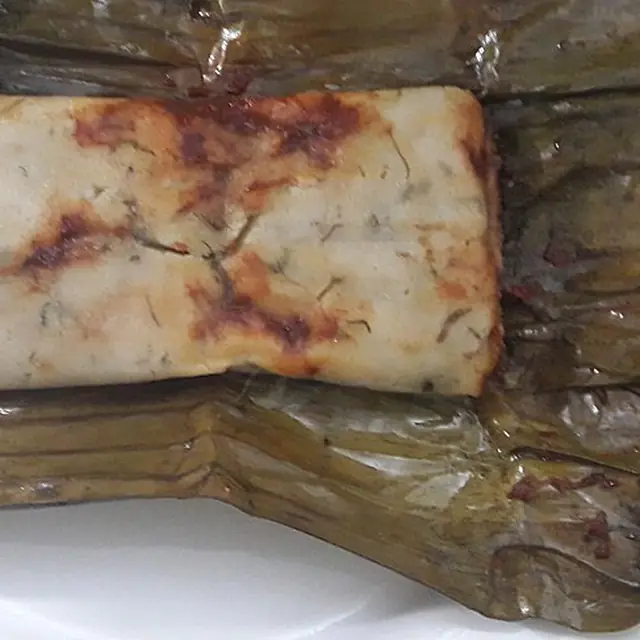
Tamales oaxaquenos are the banana-leaf-wrapped tamales filled with mole negro, mole amarillo or rajas, fatter and flatter than central-Mexican corn-husk tamales.
Where: Mercado Sanchez Pascuas, Itanoni, Las Quince Letras, Restaurante Catedral, La Olla
Price: $20-$45 MXN per tamal
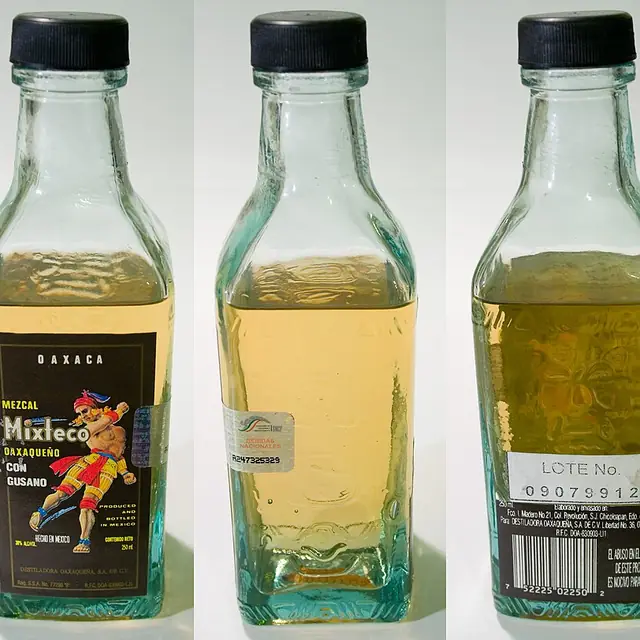
Mezcal is Oaxaca's smoke-roasted agave spirit from 30-plus agave varieties, produced at small palenques across the Valles Centrales and Sierra ranges.
Where: Mezcaloteca, In Situ Mezcaleria, Mezcalogia, Sabina Sabe, Selva Oaxaca Cocktail Bar, Cuish Mezcaleria, La Casa del Mezcal
Price: $60-$300 MXN per pour
Mole negro oaxaqueno
Mole negro is the darkest and most complex of Oaxaca's seven moles, with 25-plus ingredients including chilhuacle negro, chocolate, sesame, almonds and burnt-tortilla.
History: Mole negro evolved in Oaxacan convent kitchens after the Spanish arrival in 1521, fusing chilhuacle negro and chocolate (both pre-Hispanic) with sesame, almonds, raisins and Old World spices over two centuries. The dish is the canonical Day of the Dead offering across the Valles Centrales and reaches a 25-to-35-ingredient peak at Levadura de Olla, Las Quince Letras and Catedral. Burnt tortillas and chile seeds give it the smoky bass note that distinguishes negro from the brighter coloradito and amarillo siblings.
Where to try it: Levadura de Olla, Las Quince Letras, Restaurante Catedral, Los Pacos, Tierra del Sol, Casa Oaxaca el Restaurante, Ancestral Cocina Tradicional
Watch out for: Nuts, Sesame, Wheat (tortilla)
Mole coloradito
Mole coloradito is the sweeter, redder mole of the seven, with ancho and guajillo chiles, plantain and chocolate; a Sunday-lunch standard across Oaxaca.
History: Mole coloradito was historically a celebration mole for weddings and baptisms, lighter than negro and quicker to make. The Casa Oaxaca and Las Quince Letras versions stay closest to the convent-kitchen original, with ancho, guajillo and a touch of chilhuacle red giving it a brick-red colour. Many Oaxacan home cooks make it weekly from a Mercado de Abastos mole-paste base, served over enmoladas with shredded chicken and queso fresco for Sunday lunch.
Where to try it: Las Quince Letras, Restaurante Catedral, Los Pacos, Ancestral Cocina Tradicional, La Olla
Watch out for: Nuts, Sesame, Wheat (tortilla)
Mole amarillo
Mole amarillo is the brightest yellow of the seven moles, built on chilhuacle amarillo, hierba santa and masa, served at funerals and weddings in Sierra communities.
History: Mole amarillo is the most pre-Hispanic of the seven; it predates the Spanish, with chilhuacle amarillo (only grown in Cuicatlan), hierba santa, masa-thickened broth and no chocolate. It is the canonical mole for the empanadas-de-amarillo street vendors at Plaza Llano on weekend afternoons. Ancestral Cocina Tradicional in Xochimilco serves an amarillo with pork and chayote that locals consider the city's reference version.
Where to try it: Ancestral Cocina Tradicional, Las Quince Letras, Los Pacos, Restaurante Catedral, Tierra del Sol
Watch out for: Wheat (tortilla)
Mole verde
Mole verde is the green herb-and-tomatillo mole of the seven, thickened with masa and bright with hierba santa, epazote, parsley and pumpkin seeds.
History: Mole verde is the fresh-herb mole, the lightest and quickest of the seven, with no chocolate and no dried chiles. Tomatillos, hierba santa, epazote, parsley and toasted pumpkin seeds make the base; masa thickens it. The dish anchors Sunday family lunches across Oaxaca and is the brightest mole on the menu at Las Quince Letras, Los Pacos and Restaurante Catedral.
Where to try it: Las Quince Letras, Los Pacos, Restaurante Catedral, Ancestral Cocina Tradicional, Tierra del Sol
Watch out for: Wheat (tortilla)
Mole chichilo
Mole chichilo is the rarest of the seven moles, the deep-smoke-flavoured mole built on charred tortillas and chilhuacle chiles, served at funerals.
History: Chichilo is the rarest of the seven moles, traditionally served at funerals, with charred tortillas and chilhuacle (negro and rojo) chiles giving it a deep smoky-bitter bass. Tierra del Sol on Reforma and Las Quince Letras run chichilo as a special plate; few rooms keep it on the daily menu because the time and ingredients run high.
Where to try it: Tierra del Sol, Las Quince Letras, Restaurante Catedral, Los Pacos, Levadura de Olla, Los Danzantes
Watch out for: Wheat (tortilla), Nuts, Sesame
Mole manchamanteles
Mole manchamanteles ("tablecloth stainer") is the fruity-sweet mole with pineapple, plantain, apple and ancho chile, named for the tablecloth stains it leaves.
History: Mole manchamanteles is the fruity-sweet mole, made with pineapple, plantain, apple, sweet potato and ancho chiles. It is the rarest mole at restaurant level (often replaced by coloradito) but appears on the seven-mole tasting platters at Catedral, Los Pacos and Ancestral. The Spanish name refers to the dramatic red-orange stains it leaves on the tablecloth.
Where to try it: Restaurante Catedral, Los Pacos, Ancestral Cocina Tradicional, Las Quince Letras
Watch out for: Sesame, Wheat (tortilla)
Mole rojo
Mole rojo is the seventh of the canonical moles, the red mole built on ancho, guajillo and chilhuacle rojo, more peppery and less sweet than coloradito.
History: Mole rojo is the peppery-red sibling to coloradito, with chilhuacle rojo replacing some of the ancho and a heavier hand on the garlic and cinnamon. Less famous than negro or coloradito, rojo appears on the seven-mole tasting platters at Los Pacos and Catedral, and is the canonical pork-or-chicken Sunday mole in Sierra Sur villages.
Where to try it: Los Pacos, Restaurante Catedral, Ancestral Cocina Tradicional, Las Quince Letras
Watch out for: Sesame, Wheat (tortilla)
Tlayuda
Tlayuda is Oaxaca's giant comal-charred tortilla, smeared with asiento and bean paste, topped with quesillo, tasajo or cecina and salsa, the canonical night dish.
History: Tlayuda is the giant 30-cm-plus tortilla unique to Oaxaca, born in the Valles Centrales as a long-keeping flatbread for travelling Zapotec traders. The modern Centro version smears asiento (pork-lard residue) and a bean paste on the comal-toasted tortilla, then adds quesillo, tasajo or cecina, salsa and shredded cabbage. Tlayudas Libres on Calle de Los Libres is the late-night standard since the early 1990s.
Where to try it: Tlayudas Libres, Tlayudas Las Animas, Itanoni, Tierra del Sol, Ancestral Cocina Tradicional, Levadura de Olla, Almu
Watch out for: Wheat (cabbage dressing optional), Dairy (quesillo)
Tasajo
Tasajo is Oaxacan salt-cured thin-sliced beef, grilled over wood coals at the Pasillo de Humo and served with avocado, salsa and warm tortillas to order.
History: Tasajo is the thin-sliced, salt-cured beef that defines the Pasillo de Humo grill alley at Mercado 20 de Noviembre, smoking over wood coals every lunchtime. The meat is hung at the butcher counters along the alley, weighed by the kilo, then walked to the grill stand to char with cebollitas, cactus paddles and chiles de agua. Served with avocado, tortillas and salsa, it is the canonical Oaxacan lunch.
Where to try it: Pasillo de Humo, Tlayudas Libres, Itanoni, Tierra del Sol, Ancestral Cocina Tradicional, Almu
Chapulines
Chapulines are roasted Oaxacan grasshoppers with garlic, salt, chile and lime, eaten as a snack, in tacos or sprinkled over guacamole and tlayudas.
History: Chapulines (grasshoppers) are a pre-Hispanic Oaxacan protein, harvested across the Valles Centrales after the rains and roasted with garlic, salt, lime and chile. They sell year-round from the row of vendors on Calle Miguel Cabrera outside Mercado Benito Juarez, sized small to large by the gram. Modern restaurants such as Casa Oaxaca serve them tableside on guacamole; traditional rooms put them on the standard salsa selection.
Where to try it: Mercado Benito Juarez chapulines row, Casa Oaxaca el Restaurante, Origen, Tierra del Sol, Itanoni, Tlayudas Libres
Watch out for: Insects (allergen for shellfish-allergic people)
Quesillo (queso oaxaca)
Quesillo is Oaxacan string cheese pulled into long ropes and wound into a ball, the melting cheese on tlayudas, quesadillas, memelas and tetelas.
History: Quesillo was traditionally made in Reyes Etla, north of the city, by Oaxacan cheesemakers since the late 19th century. The pulled-curd technique winds the warm cheese into long ropes, then loops them into a ball that locals untangle by hand to top tlayudas, quesadillas and memelas. The Mercado Benito Juarez sells fresh quesillo by the kilo; the Reyes Etla Wednesday tianguis is the origin source.
Where to try it: Mercado Benito Juarez, Mercado de Reyes Etla (Wednesday tianguis), Itanoni, Tlayudas Libres, Casa Oaxaca el Restaurante
Watch out for: Dairy
Memelas
Memelas are thick masa rounds toasted on the comal and topped with asiento, frijol, salsa and quesillo, the canonical Oaxacan home-kitchen breakfast.
History: Memelas are the canonical Oaxacan breakfast: a thick masa round pinched at the edges to hold the toppings, toasted on the comal and dressed with asiento, refried beans, salsa and crumbled queso fresco or quesillo. The Memelas Dona Vale counter at Mercado de Abastos is the most famous early-morning stand; Itanoni serves a heritage-corn version that locals consider the city's reference for criollo-maize masa.
Where to try it: Memelas Dona Vale (Mercado de Abastos), Itanoni, Comedor Yolis (Mercado Sanchez Pascuas), Comala, Almu
Watch out for: Dairy (queso fresco optional)
Tamales oaxaquenos
Tamales oaxaquenos are the banana-leaf-wrapped tamales filled with mole negro, mole amarillo or rajas, fatter and flatter than central-Mexican corn-husk tamales.
History: Tamales oaxaquenos are wrapped in banana leaves rather than corn husks, making them fatter and flatter than central-Mexican tamales. The fillings (mole negro with chicken, mole amarillo with pork, rajas with quesillo) are pre-Hispanic in form. The morning counters at Mercado Sanchez Pascuas run them from 06:00; many families make 200 at a time for Day of Dead and Christmas tamaladas.
Where to try it: Mercado Sanchez Pascuas, Itanoni, Las Quince Letras, Restaurante Catedral, La Olla
Watch out for: Wheat (banana leaf is gluten-free), Dairy (rajas filling)
Mezcal
Mezcal is Oaxaca's smoke-roasted agave spirit from 30-plus agave varieties, produced at small palenques across the Valles Centrales and Sierra ranges.
History: Mezcal is the smoke-roasted agave spirit of Oaxaca, with pre-Hispanic origins refined under Spanish colonial-era distillation. Santiago Matatlan east of Oaxaca is the World Capital of Mezcal, with more than 200 registered palenques. The 2026 Feria Internacional del Mezcal runs July 17-28 and the Mezcaloteca on Reforma is the appointment-only library tasting room with 100-plus family-producer mezcals, opened in 2010.
Where to try it: Mezcaloteca, In Situ Mezcaleria, Mezcalogia, Sabina Sabe, Selva Oaxaca Cocktail Bar, Cuish Mezcaleria, La Casa del Mezcal