Signature dishes
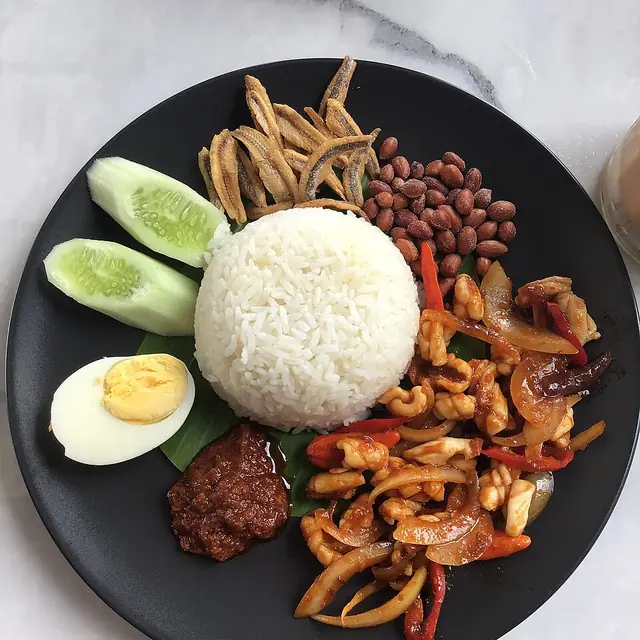
Rice steamed in coconut milk with pandan, served with sambal, fried anchovies, peanuts, cucumber and egg. In Kuala Lumpur it is breakfast, lunch and a 2am supper, often wrapped in banana leaf.
Where: Nasi Lemak Wanjo, Nasi Lemak Tanglin, Nasi Lemak Famous, Ali, Muthu & Ah Hock
Price: RM 4 to RM 12 a plate
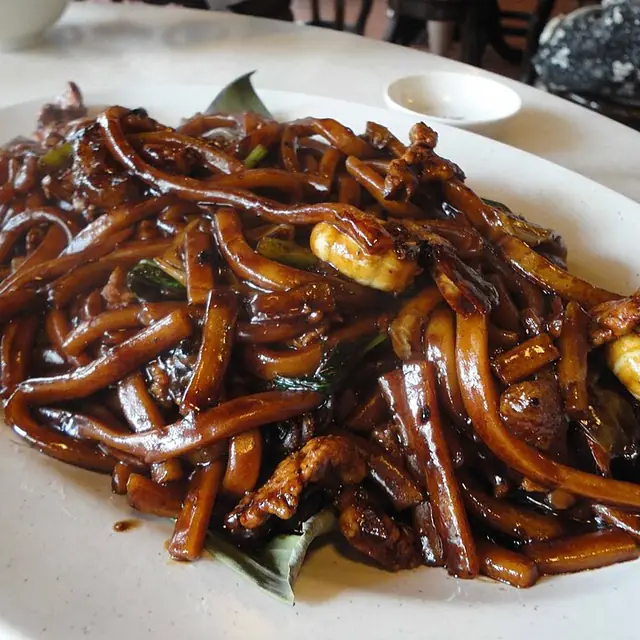
Thick yellow noodles fried over a fierce flame in dark soy sauce with pork, prawns, squid and cabbage, finished with crisp pork lard. Kuala Lumpur's version is black and glossy, unlike the Penang prawn soup.
Where: Kim Lian Kee, Ming Hoe Hokkien Mee
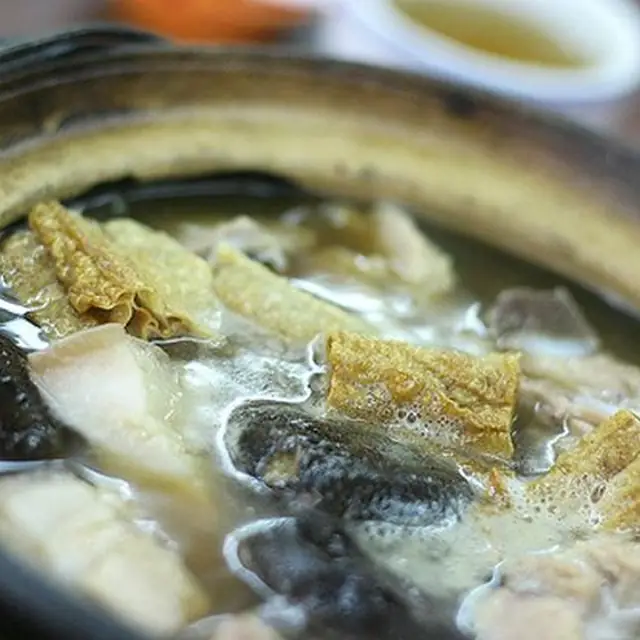
Pork ribs simmered for hours in a broth of dang gui, star anise, cinnamon and garlic, served with rice, you tiao and tea. Kuala Lumpur also eats the dry version, reduced with dried chilli and cuttlefish.
Where: Sun Fong Bak Kut Teh, Ah Hei Bak Kut Teh, Hing Kee Bakuteh, Chuan Kee Bak Kut Teh
Price: RM 15 to RM 20 a person
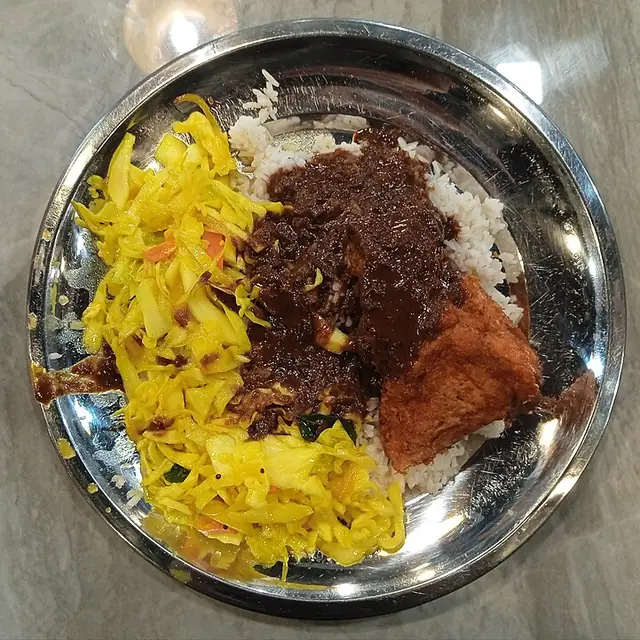
Steamed rice flooded with several curries, poured together over fried chicken, squid, fish roe or okra. Kuala Lumpur's Indian Muslim nasi kandar counters stay open late, some around the clock.
Where: Original Kayu Nasi Kandar, Restoran Kudu Bin Abdul, Nasi Kandar Pelita, Restoran Yusoof Dan Zakhir
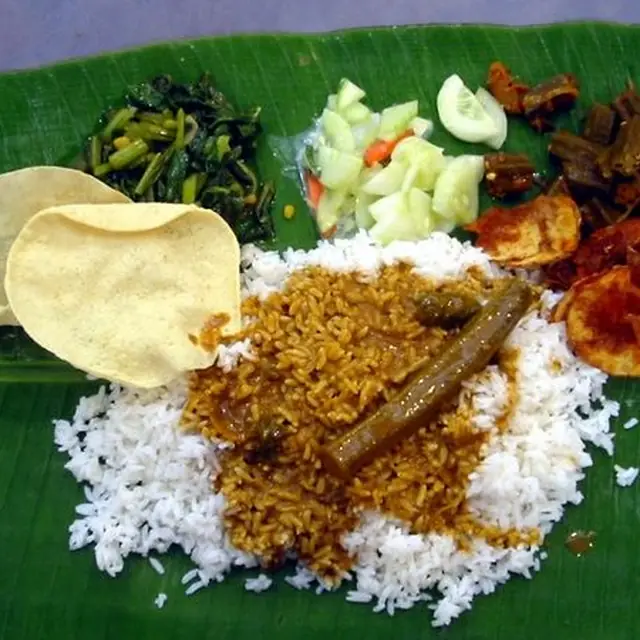
White rice on a banana leaf with three vegetable dishes, papadum, pickle and a choice of curries, refilled until you fold the leaf. Brickfields and Bangsar in Kuala Lumpur serve it from morning to night.
Where: Sri Paandi, Devi's Corner, Sri Nirwana Maju
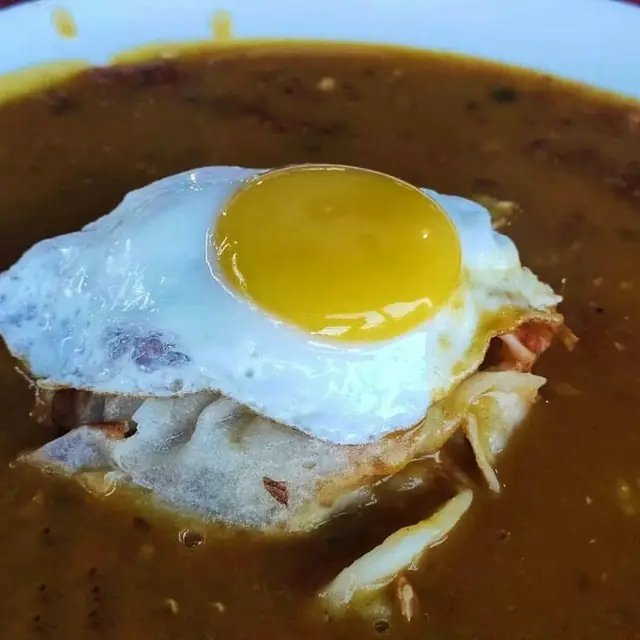
Flaky, pan-fried flatbread stretched paper thin, folded and griddled with ghee, then served with dhal and curry. Kuala Lumpur mamak stalls sell it from early morning into the night.
Where: Hamdan's Roti Canai, Mansion Tea Stall, Sami's Corner, Restoran Yusoof Dan Zakhir
Price: RM 2 to RM 6
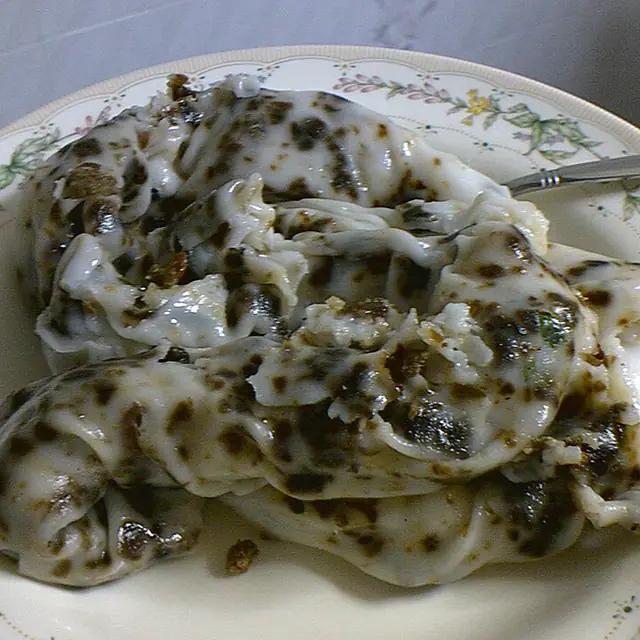
Steamed rice noodle rolls cut into pieces and dressed with sweet sauce, chilli and sesame, or in Kuala Lumpur with curry gravy and yong tau foo. A breakfast staple of Pudu and the ICC Pudu hawker hall.
Where: Ah Fook Chee Cheong Fun, Imbi Market
Price: RM 4 to RM 8
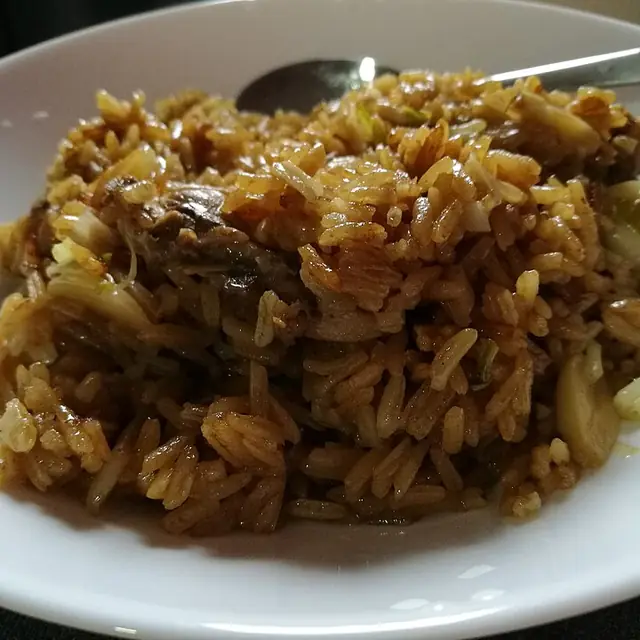
Rice cooked to order in a clay pot over charcoal with marinated chicken, Chinese sausage and salted fish, finished with dark soy. The prize in Kuala Lumpur is the crisp crust at the bottom.
Where: Jalan Ipoh Claypot Chicken Rice, Foong Lian Claypot Foods Cafe
Hand-cut flat or thin wheat noodles tossed with minced pork, crisp anchovies, a poached egg and a scoop of dried chilli flakes. Kuala Lumpur's dry version, eaten with a clear vegetable soup on the side.
Where: Kin Kin Chili Pan Mee
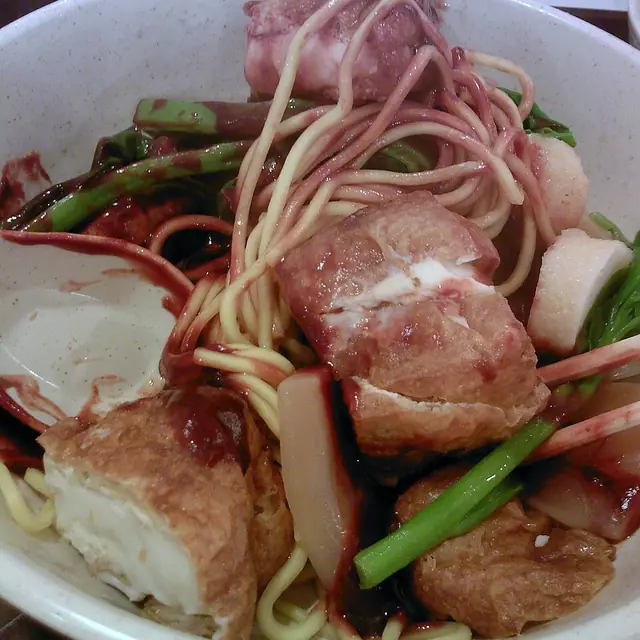
Tofu, chillies, bitter gourd, okra and eggplant stuffed with fish and pork paste, then boiled or fried and served in broth or with sauce. In Kuala Lumpur diners pick pieces one by one from the stall.
Where: Madras Lane Yong Tau Foo, Ah Fook Chee Cheong Fun, Segambut Yong Tau Foo
Price: From about RM 1.40 a piece
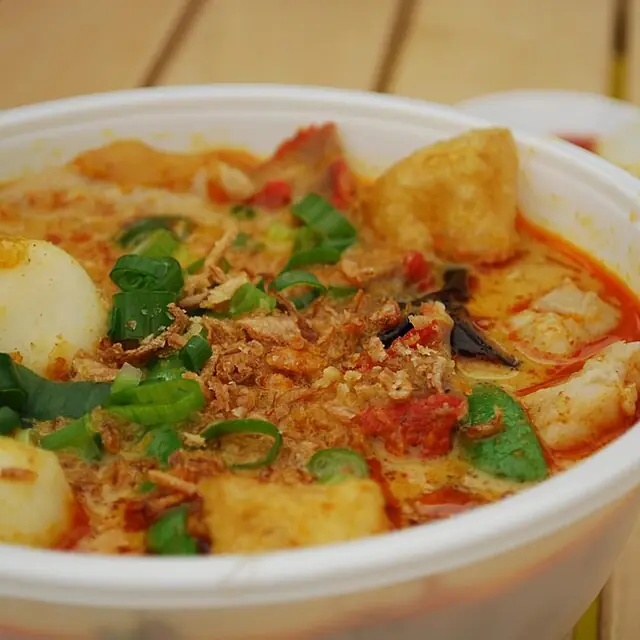
Yellow noodles and rice vermicelli in a coconut curry broth with tofu puffs, long beans, cockles or chicken and a spoon of sambal. Kuala Lumpur's curry mee is a cousin, the version its kopitiams serve at breakfast.
Where: Madras Lane Curry Mee, Yi Feng Restaurant
Price: From RM 11.50 at a kopitiam
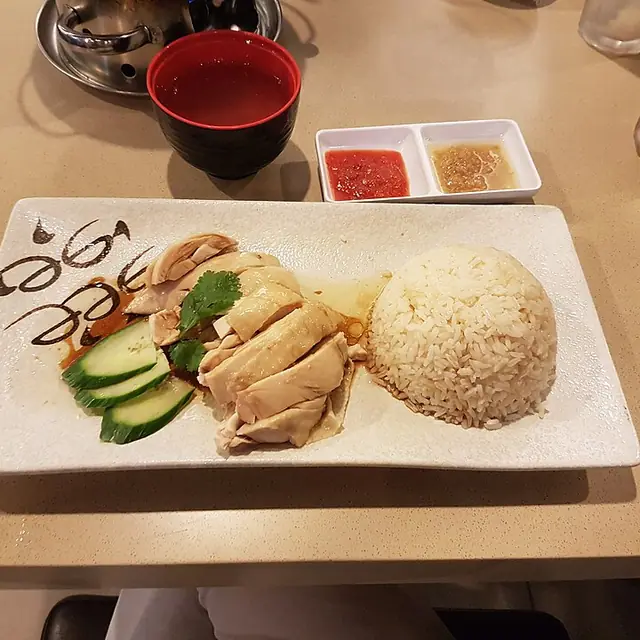
Poached or roasted chicken over rice cooked in chicken stock with ginger and garlic, served with chilli sauce and a light soup. Kuala Lumpur's Chinatown has served it since the 1930s.
Where: Nam Heong Chicken Rice
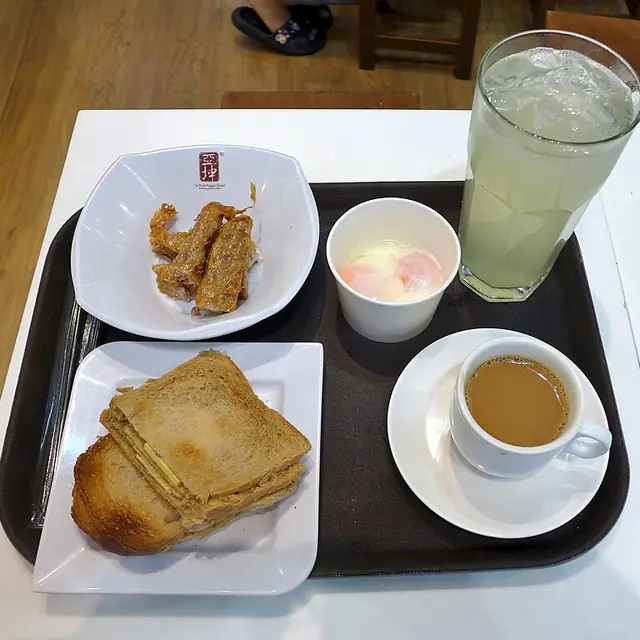
Charcoal or grill toasted bread spread with kaya, a coconut and egg jam, and a slab of cold butter, eaten with soft-boiled eggs and coffee. The Hainanese kopitiam breakfast of Kuala Lumpur.
Where: Ah Weng Koh Hainan Tea & Coffee, Ho Kow Hainam Kopitiam, Old KL Kopitiam
Price: About RM 2.50 a set of toast
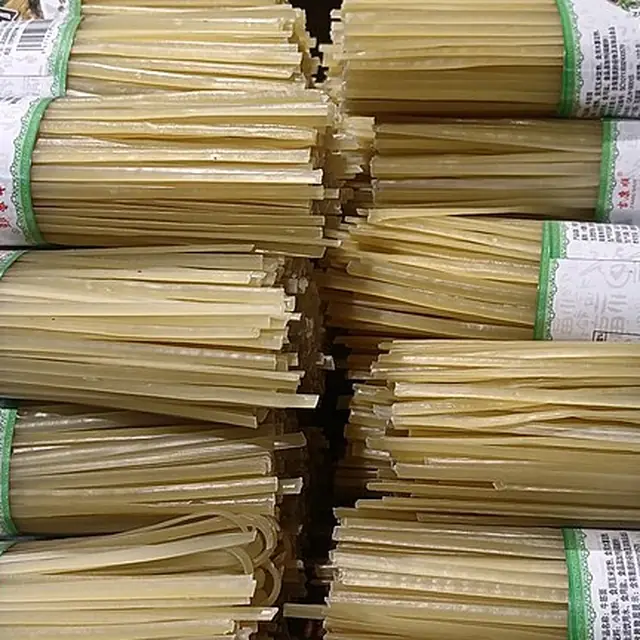
Wheat noodles tossed dry with minced beef sauce, or served in a deep beef broth with tripe, tendon and hand-made beef balls. A Chinatown speciality in Kuala Lumpur, with stalls dating from the 1940s and 1950s.
Where: Soong Kee Beef Noodle, Lai Foong Beef Noodles, Sin Kiew Yee Shin Kee Beef Noodles
Price: About RM 13 a small bowl
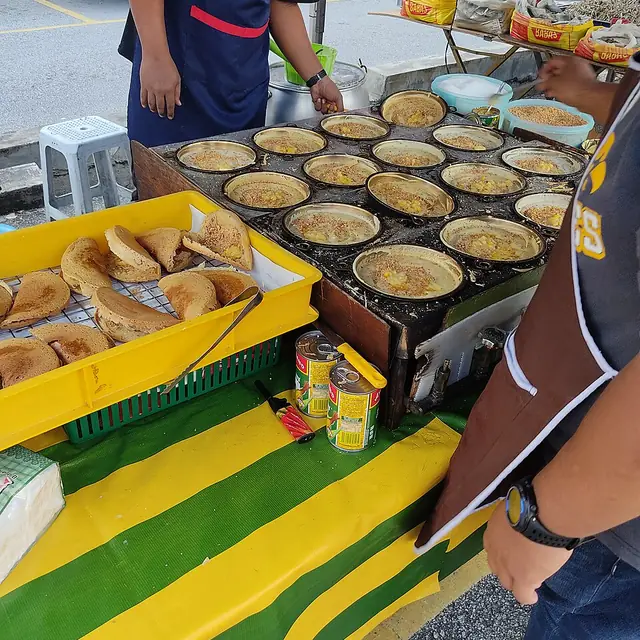
A thick griddle pancake folded over crushed peanuts, sugar and creamed corn, or a thin crisp version snapped like a wafer. Kuala Lumpur eats it from street stalls off Petaling Street and at night markets.
Where: Ah Loh's Apom Balik
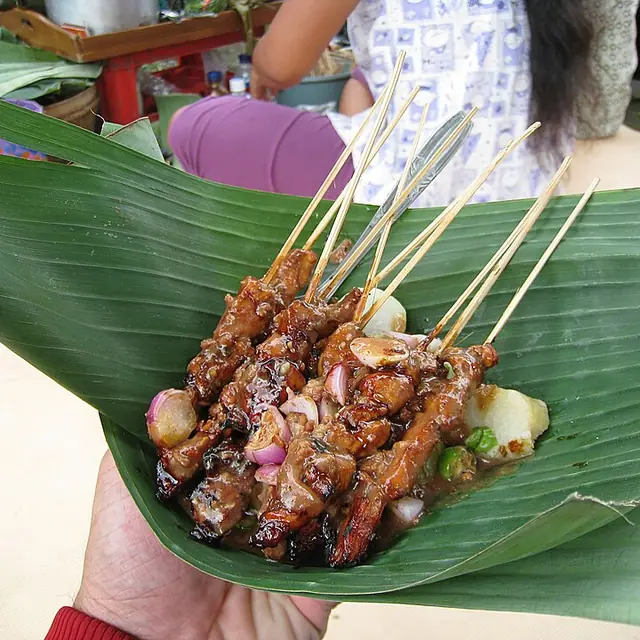
Skewers of turmeric and lemongrass marinated chicken, beef or mutton grilled over charcoal and eaten with a sweet, chunky peanut sauce, cucumber, onion and ketupat rice cakes. An evening food in Kuala Lumpur.
Where: Kasim Satay, Jalan Alor Food Street
Nasi lemak
Rice steamed in coconut milk with pandan, served with sambal, fried anchovies, peanuts, cucumber and egg. In Kuala Lumpur it is breakfast, lunch and a 2am supper, often wrapped in banana leaf.
History: Nasi lemak began as a Malay home and farm breakfast: rice cooked rich (lemak) with coconut milk, eaten with sambal and whatever the coast supplied, usually small fried anchovies. Wrapped in a cone of banana leaf and newspaper it became a portable meal, and in Kuala Lumpur it moved from village kitchens to roadside stalls. Kampung Baru still holds some of the oldest names, and Nasi Lemak Wanjo on Jalan Raja Muda Musa runs from dawn to midnight. Chinese and Indian cooks adopted it too, so the city now eats versions with ayam goreng berempah, beef rendang or sotong sambal on the side.
Where to try it: Nasi Lemak Wanjo, Nasi Lemak Tanglin, Nasi Lemak Famous, Ali, Muthu & Ah Hock
Watch out for: Peanuts, Fish, Egg
KL Hokkien mee
Thick yellow noodles fried over a fierce flame in dark soy sauce with pork, prawns, squid and cabbage, finished with crisp pork lard. Kuala Lumpur's version is black and glossy, unlike the Penang prawn soup.
History: Kuala Lumpur Hokkien mee is a Chinatown creation. Kim Lian Kee on Jalan Hang Lekir traces the dish to its founder, Ong Kim Lian, whose first stall stood in Dang Wangi; the corner shop off Petaling Street has fried it since the 1930s and is now in its fourth generation. Cooks braise thick wheat noodles in dark soy and pork stock over a charcoal or high-gas flame until the sauce clings, then scatter lard croutons on top. The name confuses visitors, because in Penang Hokkien mee means a prawn broth noodle soup, while in the capital it means this dark fried dish, often eaten late at night.
Where to try it: Kim Lian Kee, Ming Hoe Hokkien Mee
Watch out for: Gluten, Shellfish, Soy
Bak kut teh
Pork ribs simmered for hours in a broth of dang gui, star anise, cinnamon and garlic, served with rice, you tiao and tea. Kuala Lumpur also eats the dry version, reduced with dried chilli and cuttlefish.
History: Bak kut teh, Hokkien for meat bone tea, grew up in the Klang Valley among Chinese port and plantation workers, and Klang to the west of Kuala Lumpur is widely regarded as its birthplace. The broth is a herbal decoction of dang gui, cinnamon and star anise poured over pork ribs, eaten early in the morning with strong Chinese tea to cut the fat. Kuala Lumpur shops kept the claypot service and added the dry style, where the meat is reduced with dark soy, dried chilli and cuttlefish. Sun Fong in Imbi has served both since 1971, and Hing Kee in Kepong keeps its pots going into the small hours.
Where to try it: Sun Fong Bak Kut Teh, Ah Hei Bak Kut Teh, Hing Kee Bakuteh, Chuan Kee Bak Kut Teh
Watch out for: Soy, Gluten
Nasi kandar
Steamed rice flooded with several curries, poured together over fried chicken, squid, fish roe or okra. Kuala Lumpur's Indian Muslim nasi kandar counters stay open late, some around the clock.
History: Nasi kandar is an Indian Muslim dish from Penang, named for the kandar, the shoulder pole from which early hawkers hung their baskets of rice and curry. Tamil Muslim cooks built it around a counter of pre-cooked curries that the server mixes and pours over the rice, a practice called banjir, or flood, when the plate is soaked. The format moved south to Kuala Lumpur as restaurants that trade late into the night, and chains and family shops along Jalan Tuanku Abdul Rahman, Jalan Ampang and Bangsar keep the trays full, the Jalan Ampang and Bangsar counters around the clock. Customers point, the server ladles, and the price is set at the till by eye.
Where to try it: Original Kayu Nasi Kandar, Restoran Kudu Bin Abdul, Nasi Kandar Pelita, Restoran Yusoof Dan Zakhir
Watch out for: Fish, Dairy
Banana leaf rice
White rice on a banana leaf with three vegetable dishes, papadum, pickle and a choice of curries, refilled until you fold the leaf. Brickfields and Bangsar in Kuala Lumpur serve it from morning to night.
History: Banana leaf rice arrived with South Indian, largely Tamil, migrants who came to British Malaya in the late nineteenth and early twentieth centuries to work plantations and railways. The leaf serves as plate, and a meal of rice, vegetable poriyal, rasam, pickle and papadum is set out in a fixed order, with curries of chicken, mutton or fish ladled on request. In Kuala Lumpur the tradition lives in Brickfields, the city's Little India, where Sri Paandi on Jalan Tun Sambanthan serves from 09:00 until 23:30 most days, and in Bangsar, where Devi's Corner and Sri Nirwana Maju draw a mixed office crowd. Eat with the right hand, and fold the leaf toward you when you are done.
Where to try it: Sri Paandi, Devi's Corner, Sri Nirwana Maju
Watch out for: Dairy
Roti canai
Flaky, pan-fried flatbread stretched paper thin, folded and griddled with ghee, then served with dhal and curry. Kuala Lumpur mamak stalls sell it from early morning into the night.
History: Roti canai is the Malaysian form of the South Indian parotta, brought by Indian Muslim cooks whose mamak restaurants became the country's all-hours canteens. The dough of flour, water, egg and ghee rests until it can be spun and stretched thin on an oiled steel counter, then folded and fried so the layers separate. It is eaten torn by hand and dipped in dhal or curry, and ordered in variations: telur with egg, bawang with onion, or banjir, flooded with curry. In Kuala Lumpur Mansion Tea Stall on Jalan Masjid India serves it banjir style until 19:00, and Hamdan's in Chow Kit opens its counter at seven.
Where to try it: Hamdan's Roti Canai, Mansion Tea Stall, Sami's Corner, Restoran Yusoof Dan Zakhir
Watch out for: Gluten, Dairy, Egg
Chee cheong fun
Steamed rice noodle rolls cut into pieces and dressed with sweet sauce, chilli and sesame, or in Kuala Lumpur with curry gravy and yong tau foo. A breakfast staple of Pudu and the ICC Pudu hawker hall.
History: Chee cheong fun, pig intestine noodle in Cantonese for its folded shape, came to the Malay Peninsula with Cantonese settlers, many of whom worked the Kuala Lumpur tin mines and later ran the city's hawker trade. The batter of rice flour and water is steamed in thin sheets and rolled. Where Hong Kong serves it with soy sauce and shrimp, Malaysian stalls pour a sweet brown sauce, chilli sauce and sesame over plain rolls, and in the Klang Valley the curry version is common, with gravy and pieces of fried yong tau foo. The stalls of the old Imbi Market, now inside ICC Pudu, keep the morning trade going.
Where to try it: Ah Fook Chee Cheong Fun, Imbi Market
Watch out for: Soy, Sesame
Claypot chicken rice
Rice cooked to order in a clay pot over charcoal with marinated chicken, Chinese sausage and salted fish, finished with dark soy. The prize in Kuala Lumpur is the crisp crust at the bottom.
History: Claypot chicken rice is a Cantonese one-pot dish that Kuala Lumpur hawkers made their own by cooking each pot to order over charcoal. Raw rice goes into a glazed clay pot with stock, and marinated chicken, lap cheong sausage and salted fish are laid on top once the rice is half cooked, so the juices soak in. Dark soy and lard or sesame oil go in at the end, and the pot stays over the heat long enough to form a caramelised crust. Foong Lian in Pudu and the Jalan Ipoh shop cook each pot to order, which is why the wait is part of the meal.
Where to try it: Jalan Ipoh Claypot Chicken Rice, Foong Lian Claypot Foods Cafe
Watch out for: Soy, Fish, Gluten
Chilli pan mee
Hand-cut flat or thin wheat noodles tossed with minced pork, crisp anchovies, a poached egg and a scoop of dried chilli flakes. Kuala Lumpur's dry version, eaten with a clear vegetable soup on the side.
History: Pan mee, board noodle, is a Hakka dish of hand-kneaded wheat dough torn or cut into noodles and served in anchovy broth. Kuala Lumpur added a dry variation that has become the city's own: noodles tossed with minced pork, fried anchovies and a runny poached egg, then stirred with fried chilli flakes that diners add to their own heat. Kin Kin, off Jalan Tuanku Abdul Rahman near Chow Kit, is the name most associated with it, and diners spoon on the dried chilli themselves, to taste. The soup comes separately.
Where to try it: Kin Kin Chili Pan Mee
Watch out for: Gluten, Egg, Fish, Soy
Yong tau foo
Tofu, chillies, bitter gourd, okra and eggplant stuffed with fish and pork paste, then boiled or fried and served in broth or with sauce. In Kuala Lumpur diners pick pieces one by one from the stall.
History: Yong tau foo is a Hakka dish of stuffed tofu that Hakka miners and traders carried to the Klang Valley, where the tin town of Ampang became closely tied to it. The idea spread from tofu to whatever could hold a filling: chillies, okra, bitter gourd, eggplant and fish balls, all packed with a paste of fish and sometimes pork. Stalls set out the pieces raw, customers choose, and the cook boils or deep fries them to order, serving them in clear broth or with sweet and chilli sauces. Off Petaling Street the Madras Lane stall has sold stuffed yong tau foo, fried and in broth, for more than 60 years.
Where to try it: Madras Lane Yong Tau Foo, Ah Fook Chee Cheong Fun, Segambut Yong Tau Foo
Watch out for: Fish, Soy
Curry laksa
Yellow noodles and rice vermicelli in a coconut curry broth with tofu puffs, long beans, cockles or chicken and a spoon of sambal. Kuala Lumpur's curry mee is a cousin, the version its kopitiams serve at breakfast.
History: Curry laksa grew out of the Peranakan and Chinese Malaysian kitchens of the peninsula, where a spiced coconut curry broth was poured over noodles and whatever protein was to hand. In the Klang Valley the dish is often simply called curry mee, and stalls load it with tofu puffs, long beans, cockles, chicken or pork and a dark sambal on top. It is distinct from Penang's sour assam laksa, which uses a tamarind fish broth. Kuala Lumpur eats it for breakfast: at Madras Lane off Petaling Street it comes loaded with yong tau foo, and kopitiams such as Yi Feng in Taman OUG serve it with char siew or poached chicken from RM 11.50.
Where to try it: Madras Lane Curry Mee, Yi Feng Restaurant
Watch out for: Gluten, Shellfish, Soy
Hainanese chicken rice
Poached or roasted chicken over rice cooked in chicken stock with ginger and garlic, served with chilli sauce and a light soup. Kuala Lumpur's Chinatown has served it since the 1930s.
History: Hainanese chicken rice came to the Malay Peninsula with migrants from Hainan Island, who found work as cooks in colonial households, coffee shops and ships and adapted the Wenchang chicken of home. The chicken is poached gently and plunged into cold water to set the skin, and the rice is fried in chicken fat with garlic and ginger before being cooked in the poaching stock. Kuala Lumpur serves it with a sharp chilli and ginger sauce and a bowl of soup, often with a choice of roasted chicken as well. Nam Heong on Jalan Sultan in Chinatown has sold it since 1938 and now holds a Michelin Bib Gourmand.
Where to try it: Nam Heong Chicken Rice
Watch out for: Soy, Sesame
Kaya toast
Charcoal or grill toasted bread spread with kaya, a coconut and egg jam, and a slab of cold butter, eaten with soft-boiled eggs and coffee. The Hainanese kopitiam breakfast of Kuala Lumpur.
History: Kaya toast is the breakfast of the Hainanese kopitiam. Hainanese cooks who had worked in British kitchens and on ships opened coffee shops across the peninsula and served toast with kaya, a jam of coconut milk, eggs, sugar and pandan cooked slowly until thick. The set comes with two soft-boiled eggs cracked into a saucer and seasoned with soy and white pepper, and a cup of thick coffee roasted with sugar and margarine. In Kuala Lumpur, Ah Weng Koh has poured Hainanese coffee with kaya butter toast since 1964 and moved with the old market into ICC Pudu, while Ho Kow in Chinatown, open since 1956, keeps the style going.
Where to try it: Ah Weng Koh Hainan Tea & Coffee, Ho Kow Hainam Kopitiam, Old KL Kopitiam
Watch out for: Gluten, Egg, Dairy
Beef noodles
Wheat noodles tossed dry with minced beef sauce, or served in a deep beef broth with tripe, tendon and hand-made beef balls. A Chinatown speciality in Kuala Lumpur, with stalls dating from the 1940s and 1950s.
History: Beef noodles in Kuala Lumpur are a Hakka and Cantonese hawker tradition concentrated in the streets of Chinatown. Cooks simmer brisket, tripe and tendon for hours, pound beef into springy balls, and serve the noodles two ways: in the broth, or dry with a savoury minced beef gravy and the soup on the side. Soong Kee on Jalan Tun H S Lee has made its dry minced beef noodles and hand-rolled beef balls since 1945, now in its second generation, and Lai Foong on the same road has simmered its beef soup since 1956. Order dry with the soup on the side to taste both.
Where to try it: Soong Kee Beef Noodle, Lai Foong Beef Noodles, Sin Kiew Yee Shin Kee Beef Noodles
Watch out for: Gluten, Soy
Apam balik
A thick griddle pancake folded over crushed peanuts, sugar and creamed corn, or a thin crisp version snapped like a wafer. Kuala Lumpur eats it from street stalls off Petaling Street and at night markets.
History: Apam balik, turnover pancake in Malay, is a street sweet shared by Malay and Chinese Malaysian hawkers, called min jiang kueh in Hokkien and derived from Fujianese griddle cakes. A yeasted or baking-powder batter is poured into a heavy round pan, left to bubble and set, then filled with crushed roasted peanuts, sugar and often creamed corn or margarine before being folded in half. Stalls sell it in two styles, thick and soft or thin and crisp. In Kuala Lumpur, Ah Loh's on Jalan Hang Lekir sells it off Petaling Street.
Where to try it: Ah Loh's Apom Balik
Watch out for: Peanuts, Gluten, Egg, Dairy
Satay
Skewers of turmeric and lemongrass marinated chicken, beef or mutton grilled over charcoal and eaten with a sweet, chunky peanut sauce, cucumber, onion and ketupat rice cakes. An evening food in Kuala Lumpur.
History: Satay is grilled, spice-marinated meat on bamboo skewers, a dish shared across maritime Southeast Asia and made a Malay street staple in the peninsula. The meat is rubbed with turmeric, lemongrass, galangal and coriander, threaded onto thin sticks and turned over charcoal while the cook fans the embers, then served with peanut sauce, raw onion, cucumber and pressed rice cakes. Kajang, south-east of Kuala Lumpur, is known nationally as the satay town, but the capital has its own stalls: Kasim Satay grills at Pasar Sentul's evening food bazaar, and the grills on Jalan Alor run late into the night.
Where to try it: Kasim Satay, Jalan Alor Food Street
Watch out for: Peanuts