


History
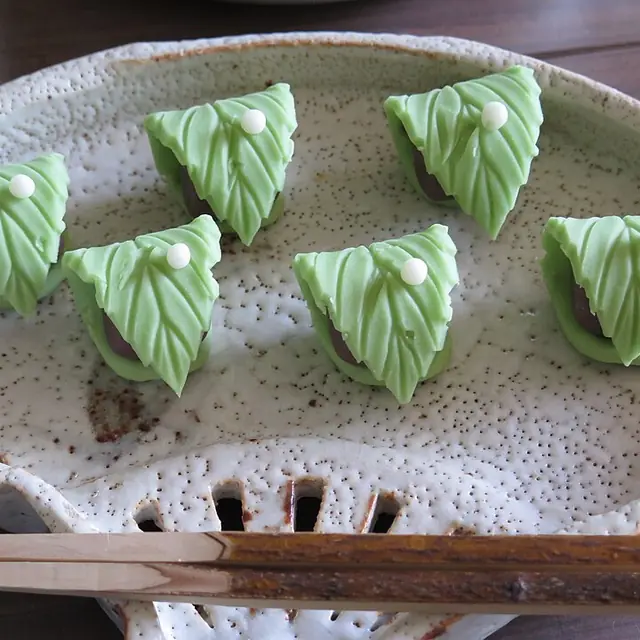
Wagashi crystallised in Kyoto around the tea ceremony in the 17th and 18th centuries. The form prioritised seasonal shape, colour and ingredient over sweetness; nerikiri sculpted-bean sweets, kashiwa-mochi spring leaves, mizu-yokan summer jellies, and Demachi Futaba's mame-mochi all read the calendar. Kagizen Yoshifusa from the 1700s, Sasaya Iori from 1716, and Kanshundo from 1865 are the city's reference wagashi makers. Today Kyoto wagashi is the country's reference form, supplying the imperial tea houses and the city's matcha-and-sweet sets.
Book a food experience
Tours, tastings and classes that match this page, bookable on GetYourGuide.
Make it at home
Ingredients
- 200g shiroan (white bean paste, sweetened)
- 20g gyuhi (sweet rice paste, optional, for elasticity)
- Food-safe natural dyes: matcha green, sakura pink, kabocha yellow
- 200g tsubuan or koshian red-bean filling, divided into 8 balls
- A wagashi mould or sharpened bamboo spatula for shaping
- A dry cloth and pastry tweezers
Method
- Knead shiroan with optional gyuhi to a soft, pliable dough.
- Divide into portions and tint each with a natural dye to match a seasonal flower: pink for sakura, green for new-leaf, yellow for chrysanthemum.
- Take 25g of tinted dough; flatten into a 6cm disc on a clean dry cloth.
- Place a red-bean filling ball in the centre; gather the dough edges up around the ball, sealing at the top.
- Shape with a wagashi mould or by hand: petals with bamboo spatula, dots with tweezers, leaves with a fingertip.
- Rest finished pieces under a damp cloth; serve fresh with matcha within 4 hours.
Tip from the editors. Wagashi is calligraphy more than cooking. Your hands must be clean, dry and quick; the dough seizes the moment you let it sit out.
Where to eat wagashi
Wagashi in Kyoto
Kagizen Yoshifusa ★ 4.6
An 18th-century wagashi maker on Shijo-dori with a tatami tea room behind the storefront. Tsukimi rabbit jellies and the most quoted kuzukiri in Kyoto.
DrinkKuzukiri with kuromitsu
Demachi Futaba ★ 4.7
A wagashi shinise on Kawaramachi north of Imadegawa in Kyoto, famed for its mame-mochi: salted black soybeans pressed into sweet azuki paste-filled mochi.
TryMame mochi
Marukyu Koyamaen Nishinotoin ★ 4.4
Marukyu Koyamaen's Kyoto tasting room on Nishinotoin, run by the Uji tea house founded 1704. Sit in a sashed garden tatami room and order matcha by farm.
DrinkStone-ground matcha set
Demachi Futaba Mame-Mochi ★ 4.5
Salted-bean and azuki mochi for 220 yen at the city's most famous wagashi shinise in Demachiyanagi, Kyoto. Eat fresh on a Kamogawa bench across the road.
TryMame mochi sweet
More cities are in research. Want wagashi covered somewhere specific? Tell us where you want to eat.