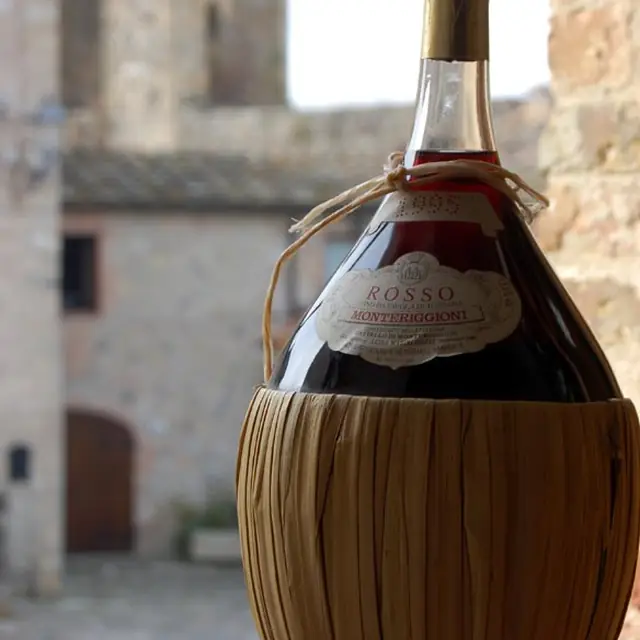
Chianti Classico is the wine of the zone between Florence and Siena, made from at least 80 percent Sangiovese and marked by the Black Rooster seal.

In 1872 Baron Bettino Ricasoli wrote that Sangiovese gives the wine its aroma and vigour, canaiolo its sweetness and malvagia, which could even be left out, lightness: the first recipe for Chianti. A Black Rooster on a gold ground was already the emblem of the Lega del Chianti, set up by the Republic of Florence in the late 14th century, and the Consortium founded in 1924 chose it as its symbol. Chianti Classico won DOCG status in 1984 and became an autonomous DOCG by the decree of 5 August 1996. Since 2006 white grapes are barred, every wine needs at least 80 percent Sangiovese, and Gran Selezione was added in 2014 above Annata and Riserva.

Where to eat Chianti Classico Tasting in Florence

3 editor picks for Chianti Classico Tasting in Florence, ranked by editorial score. All Florence signature dishes · Chianti Classico Tasting across every city.

Book food experiences in Florence

See all 2,400 food experiences in Florence

Make it at home

Serves 42 hrEasy

Ingredients

  • 1 bottle Chianti Classico Annata (at least 12 months of ageing)
  • 1 bottle Chianti Classico Riserva (at least 24 months of ageing)
  • 1 bottle Chianti Classico Gran Selezione (at least 30 months of ageing)
  • 1 bottle Vin Santo del Chianti Classico (the dessert wine) for the finish
  • 12 medium-large red wine glasses
  • Pairing food: a board of young and aged pecorino toscano, prosciutto toscano, finocchiona salami, crostini neri, and plain bread
  • Spittoon (optional for serious tasting)

Method

  1. Open all three Chianti Classico bottles 90 minutes before serving; Tuscan Sangiovese needs air to soften the tannins. Decant the Gran Selezione if available.
  2. Serve at 16C to 18C; warmer and the alcohol shows, cooler and the tannins go harsh.
  3. Pour 50ml of each Chianti Classico in three glasses per taster. Arrange in age order left to right: Annata, Riserva, Gran Selezione.
  4. Begin with the Annata. Note the bright cherry and acidity of young Sangiovese.
  5. Move to the Riserva. The 24 months of ageing rounds the tannins and adds tobacco, leather, and dried-cherry notes.
  6. Finish with the Gran Selezione. The top tier shows oak vanillin, deep dried-fruit complexity, and powerful structure.
  7. Pair young pecorino with the Annata, prosciutto Toscano with the Riserva, aged pecorino with the Gran Selezione.
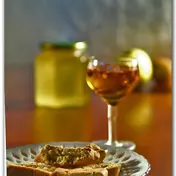
  8. After the dry flight, pour a small glass of Vin Santo. Dip a small biscotto (cantucci) and let it soak before eating; the classic Tuscan finish.

Editor tip. Look for the Black Rooster seal on the neck of the bottle: only Chianti Classico may show it.