Florence
Day trip · 5 hours
Florence: Chianti Winery Tour with Wine Tasting
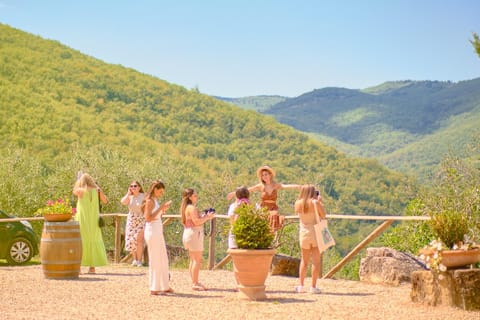
Visit two authentic wineries in the beautiful Chianti Hills during this half-day tour from Florence. Meet local winemakers, walk through stunning...
from€50Check dates
A vertical or comparative tasting of Chianti Classico, the central Tuscan wine made from at least 80 percent Sangiovese in the hills between Florence and Siena.
Where to eat it: 5 restaurants across 1 city.
Chianti as a place name dates to the 13th century; Baron Bettino Ricasoli wrote the original Chianti formula in 1872 (Sangiovese plus Canaiolo plus a small percentage of white grapes). Chianti Classico received DOCG status in 1984 and became an autonomous DOCG separate from Chianti by decree of 5 August 1996, covering the original hills between Florence and Siena and marked by the Black Rooster (Gallo Nero) consorzio seal. Le Volpi e l'Uva and Casa del Vino are the canonical Florence wine-bar references.
Tours, tastings and classes that match this page, bookable on GetYourGuide.
Day trip · 5 hours
Visit two authentic wineries in the beautiful Chianti Hills during this half-day tour from Florence. Meet local winemakers, walk through stunning...

Guided tour · 2h 30m
Experience the flavors of Venice on a guided walking tour. Visit the Rialto Market, try tapas, such as "cicchetti," and admire historical highlights...

Guided tour · 2 hours
Experience Rome on a sightseeing tour by golf cart. Cover more ground in less time and admire the sights of the city, with a stop included to taste...

Guided tour · 2h 30m
Discover Palermo through its history and street food. Walk through the historic center, taste local specialties, and experience the authentic flavors...
Tip from the editors. Chianti Classico must show the Gallo Nero (Black Rooster) seal on the bottle to qualify; without it, you have plain Chianti, which has a much wider geographic boundary and a different flavour profile. Always look for the seal.
Le Volpi e l'Uva in Florence: a 12-seat wine bar tucked behind Ponte Vecchio with the city's best small-grower Tuscan list and a counter of cheeses.
Why locals goA 12-seat wine bar tucked behind Ponte Vecchio with the city's best small-grower Tuscan list, the crostino board locals queue for since 1999.
TipClosed Sunday. The 12-seat bar has no bookings; arrive at 17:30 for aperitivo seating.
Casa del Vino is a Migliorini-family wine bar room in San Lorenzo: closed Sunday, mostly standing room, panini made to order, Tuscan wine by the glass.
Why locals goA family-run standing wine bar behind Mercato Centrale that Florence's historic-shops register dates to 1900, with made-to-order panini and glasses of Chianti for a few euros, frequented by stall-keepers and locals.
TipClosed Sunday, and the early-week days shut mid-afternoon; expect to stand. A panino and a glass together come in under 10 euros.
Cantinetta Antinori in Florence's Palazzo Antinori is the 26-generation Antinori family's wine bar and restaurant on Via Tornabuoni, with a 150-bottle list.
OrderCrostini misti, tagliere di salumi, a glass of Tignanello.
PourTignanello by the glass
WineMarchesi Antinori estate Tuscan reds
FoodTuscan small plates and tagliere
TipClosed Saturday and Sunday. Book the cellar tasting flight (€45) two weeks ahead.
Coquinarius in Florence behind the Duomo has run as a wine bar and trattoria hybrid since 1999, with 200 Tuscan and Italian labels, 35 by the glass.
OrderChianti Classico flight (€18), pici cacio e pepe, the salumi tagliere.
PourChianti Classico Gran Selezione flight
WineChianti Classico and Tuscan growers
FoodPici, tagliere, carpacci
TipOpen daily; the back vaulted room is the booking spot. Brunello flight adds €25.
Il Santo Bevitore in Florence's Oltrarno quarter is Marco Bechi's modern Tuscan dining room, with a 600-bottle natural-wine cellar and a daily-changing.
OrderThe crudo di manzo, pici al ragu d'anatra and the coniglio in porchetta with seasonal contorni.
TipBook a fortnight ahead for the back garden in summer. The walk-in wine-bar room Il Santino next door is the no-booking annex.
More cities are in research. Want chianti classico tasting covered somewhere specific? Tell us where you want to eat.