Signature dishes
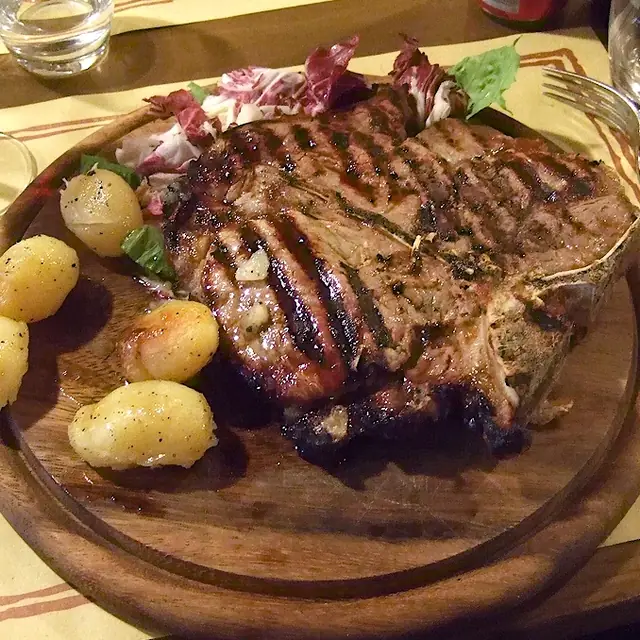
The dry-aged Chianina T-bone, grilled over wood fire to a charred crust outside and blood-rare inside, seasoned only with salt and olive oil.
Where: Trattoria Sostanza, Buca Lapi, Trattoria Mario, Regina Bistecca
Price: €60-90 per kg
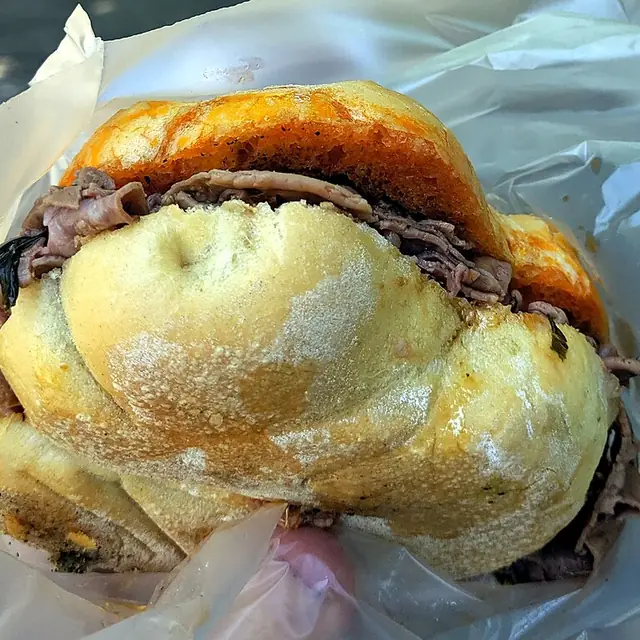
The fourth chamber of the cow's stomach (abomasum), slow-cooked in a broth of tomato, onion, celery and parsley, served on a soft roll dipped in the cooking broth with salsa verde or chilli oil.
Where: Da Nerbone, Trippaio del Porcellino, Mercato Centrale
Price: €5-7
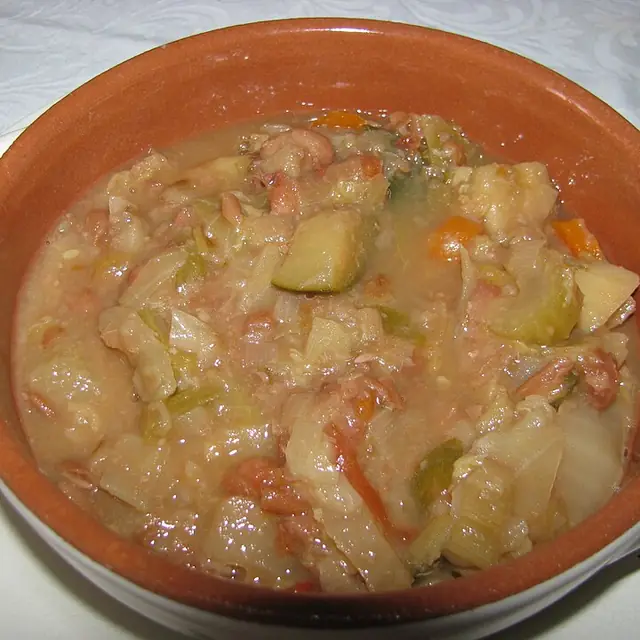
The twice-cooked Tuscan bread-and-bean soup, built off the previous day's minestrone, layered with stale bread, cavolo nero kale and cannellini beans, baked until the bread has dissolved into the broth.
Where: Trattoria Mario, Trattoria da Burde, Trattoria La Casalinga, Trattoria Marione
Price: €8-12
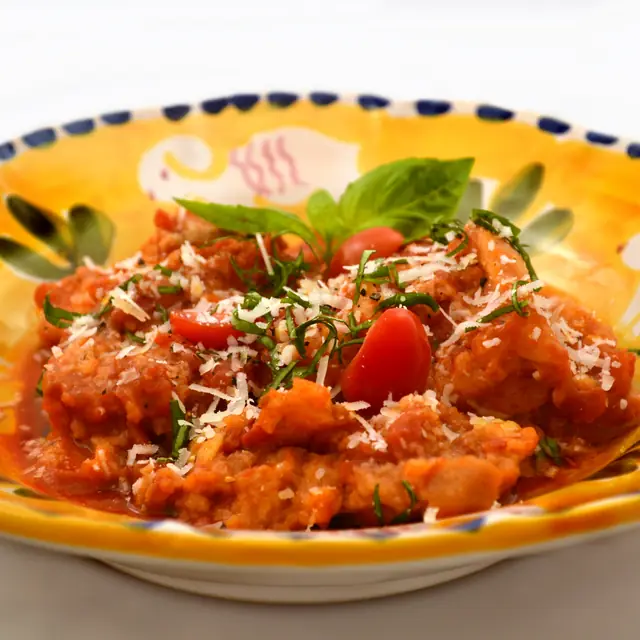
The Tuscan stale-bread-and-tomato soup, slow-cooked into a dense porridge with garlic, olive oil and torn basil, served warm or at room temperature with a final drizzle of olive oil.
Where: Cibreo Trattoria, Trattoria La Casalinga, Osteria di Giovanni, Trattoria Marione
Price: €8-12
Toasted Tuscan bread topped with a creamy chicken-liver and anchovy spread laced with capers and Vin Santo, the canonical Florentine antipasto served before every trattoria dinner.
Where: Cantinetta Antinori, Buca Lapi, Trattoria Marione, Trattoria da Burde
Price: €8-12
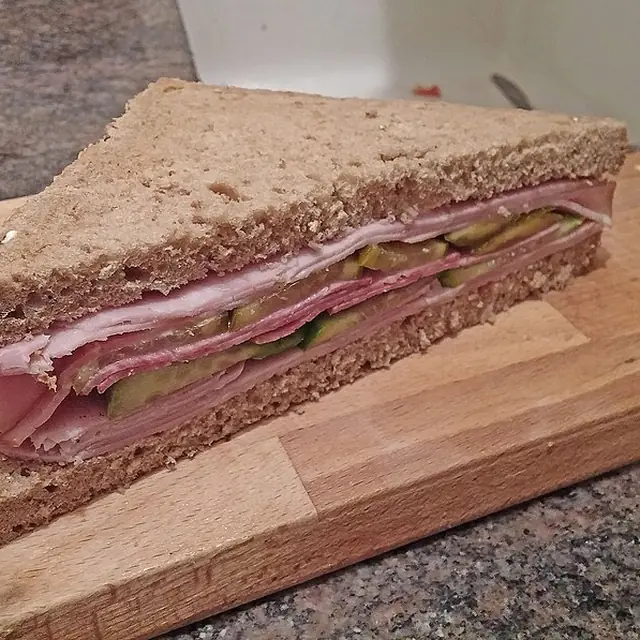
The thin Tuscan flatbread, baked on a stone oven, split and stuffed-to-order with porchetta, salumi, pecorino, artichoke cream or truffle: the canonical Florentine lunch since the 1990s.
Where: All'Antico Vinaio, Cantinetta da Verrazzano, Forno Pugi, I Due Fratellini
Price: €8-10
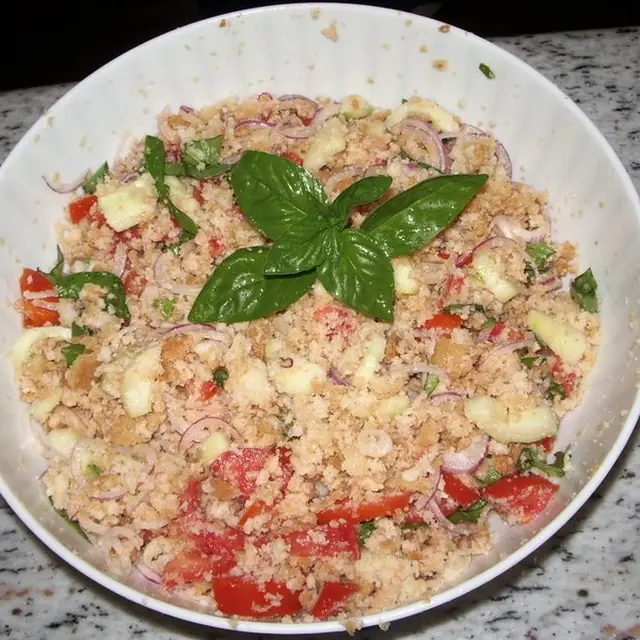
The cold Tuscan bread salad of stale unsalted bread soaked in tomato water, tossed with ripe tomatoes, cucumber, red onion and basil, dressed with red-wine vinegar and Tuscan olive oil.
Where: Trattoria La Casalinga, Cibreo Trattoria, Trattoria Mario, Trattoria da Burde
Price: €8-12
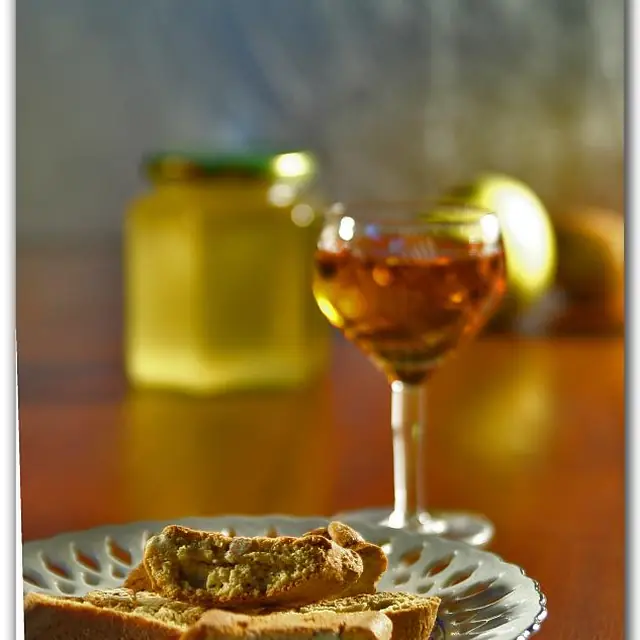
Almond biscotti baked twice for a hard crunch, dipped in a small glass of Tuscan dessert wine called Vin Santo: the canonical end-of-meal Florentine ritual for over 400 years.
Where: Cantinetta Antinori, Caffe Gilli, Pasticceria Buonamici, Cantinetta da Verrazzano
Price: €6-10
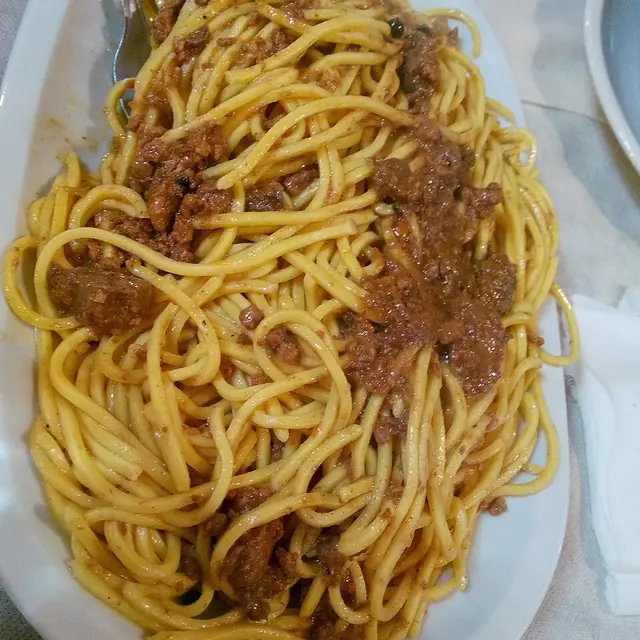
The Tuscan hand-rolled pasta of Siena and southern Tuscany, a thick spaghetti shape kneaded from flour and water alone, served with the cacio e pepe pecorino-and-pepper sauce or a slow ragu.
Where: Coquinarius, Cantinetta Antinori, Osteria di Giovanni, Trattoria Cammillo
Price: €12-16
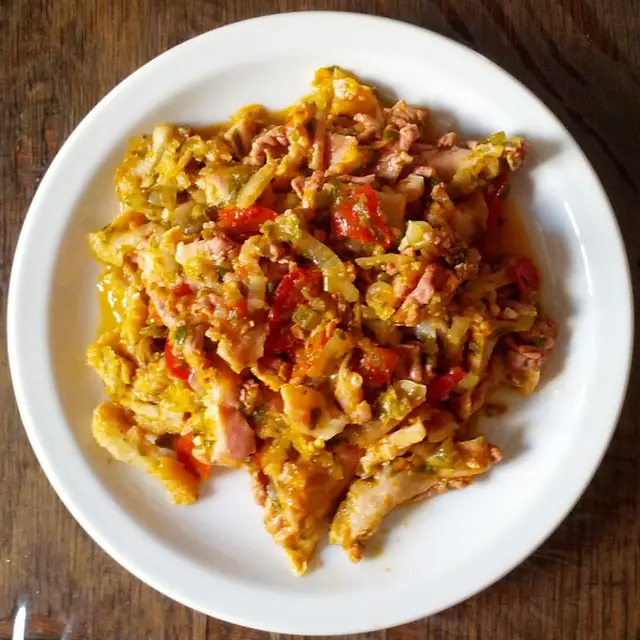
Beef tripe slow-cooked with tomato, onion, celery and parsley, served with grated Parmigiano on top: the inland-Tuscan answer to lampredotto, a sit-down dinner rather than a lunchtime panino.
Where: Cibreo Trattoria, Trattoria La Casalinga, Trattoria da Burde, Trattoria Sostanza
Price: €12-16
Florence's gelato tradition runs through fior di latte, stracciatella, pistacchio, and the unique buontalenti (vanilla-yolk custard cream invented at the Medici court in 1559).
Where: Mercato Centrale, Mercato Sant'Ambrogio, Fierucola di Santo Spirito, I Due Fratellini
Price: €3-6 per cup or cone
A vertical or comparative tasting of Chianti Classico, the central Tuscan wine made from at least 80 percent Sangiovese in the hills between Florence and Siena.
Where: Le Volpi e l'Uva, Casa del Vino, Cantinetta Antinori, Coquinarius, Il Santo Bevitore
Price: €18-50 per flight
Florence's olive-oil flatbread: pressed flat (schiacciata means squashed), pocked with fingertips, drenched in extra-virgin olive oil and coarse salt, baked crackling. Sold by weight at every forno.
Where: Forno Pugi, All'Antico Vinaio, Pasticceria Buonamici, Pasticceria Gualtieri, Cantinetta da Verrazzano, Mercato Centrale
Price: €2 to €6 per slice
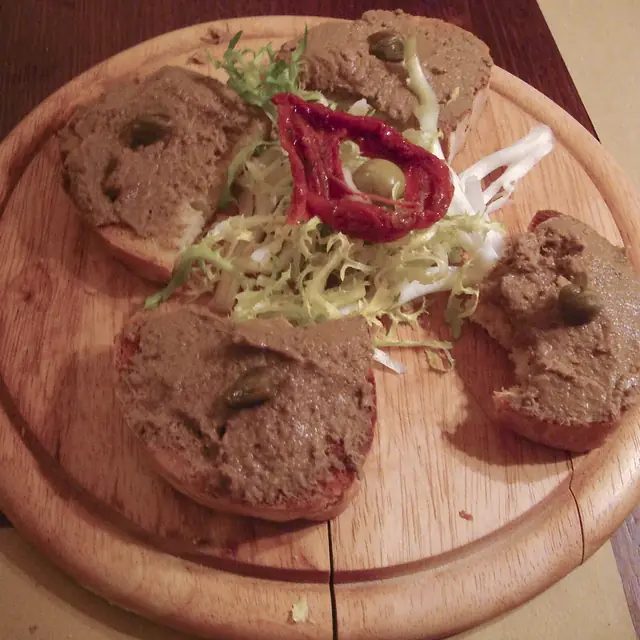
Slices of Tuscan country bread topped with a rough paste of chicken livers cooked with onion, capers, anchovies and vin santo. The canonical Tuscan antipasto.
Where: Trattoria Sostanza, Trattoria Mario, Buca Lapi, Trattoria Cammillo, Trattoria da Burde, I Quattro Leoni
Price: €6 to €12 (3 to 5 crostini)
Bistecca alla fiorentina
The dry-aged Chianina T-bone, grilled over wood fire to a charred crust outside and blood-rare inside, seasoned only with salt and olive oil.
History: The bistecca traces to the August 10 feast of San Lorenzo in Renaissance Florence, when oxen were spit-roasted on bonfires across the city for the public. English merchants in 16th-century Florence brought the word 'beefsteak' into Italian as 'bistecca'. The Chianina cattle, native to the Val di Chiana since Etruscan times, became the canonical breed. The Disciplinare della Bistecca alla Fiorentina from the Accademia Italiana della Cucina sets the standard: a T-bone 5cm thick minimum, dry-aged 21 days, grilled hot over charcoal or wood, never above 5 minutes per side, never sauced.
Where to try it: Trattoria Sostanza, Buca Lapi, Trattoria Mario, Regina Bistecca
Lampredotto
The fourth chamber of the cow's stomach (abomasum), slow-cooked in a broth of tomato, onion, celery and parsley, served on a soft roll dipped in the cooking broth with salsa verde or chilli oil.
History: Lampredotto traces to the Mercato Vecchio butchers of medieval Florence, who cooked the abomasum, otherwise discarded, into broth for the city's poor. The name comes from 'lampreda', the eel-like fish the abomasum was said to resemble. The cart format crystallised in the 19th century: a wheeled trippaio stove, a vat of simmering broth, a stack of soft buns and bottles of salsa verde and chilli. By the early 1900s lampredotto carts ringed Mercato Centrale, Porcellino and Sant'Ambrogio. Today they hold the city's working lunch grammar.
Where to try it: Da Nerbone, Trippaio del Porcellino, Mercato Centrale
Watch out for: Gluten
Ribollita
The twice-cooked Tuscan bread-and-bean soup, built off the previous day's minestrone, layered with stale bread, cavolo nero kale and cannellini beans, baked until the bread has dissolved into the broth.
History: Ribollita means 'reboiled' in Italian. The dish traces to the Tuscan peasant table, where minestrone left over from a Friday meatless dinner was thickened with stale bread on Saturday and re-baked into a denser dish. The name was canonised by 20th-century food writers including Pellegrino Artusi. Cavolo nero, the curly Tuscan kale, is the canonical green; cannellini and borlotti beans split the legume roster. The Slow Food movement enrolled ribollita in its Arca del Gusto in 1997.
Where to try it: Trattoria Mario, Trattoria da Burde, Trattoria La Casalinga, Trattoria Marione
Watch out for: Gluten
Pappa al pomodoro
The Tuscan stale-bread-and-tomato soup, slow-cooked into a dense porridge with garlic, olive oil and torn basil, served warm or at room temperature with a final drizzle of olive oil.
History: Pappa al pomodoro traces to the medieval Tuscan peasant kitchen, a sister dish to ribollita built off the same logic: use the day's stale bread, the season's tomatoes, the kitchen's olive oil. The novelist Vamba (Luigi Bertelli) put the dish on the literary map with his 1907 book Il giornalino di Gian Burrasca, where the boys at the orphanage sing 'viva la pappa col pomodoro!'. The dish entered the canonical Tuscan trattoria repertoire by the 1930s.
Where to try it: Cibreo Trattoria, Trattoria La Casalinga, Osteria di Giovanni, Trattoria Marione
Watch out for: Gluten
Crostini di fegatini
Toasted Tuscan bread topped with a creamy chicken-liver and anchovy spread laced with capers and Vin Santo, the canonical Florentine antipasto served before every trattoria dinner.
History: The crostino di fegatini traces to medieval Tuscan banquets, where the inner organs of poultry were considered a delicacy by the Medici court. The combination of chicken liver, anchovy, capers and Vin Santo was canonised by the 19th-century housekeeping manuals of Tuscany. By the early 1900s, every Florentine trattoria opened a meal with the crostini neri (the dark crostini, named for the colour of the spread). The Antinori family's Cantinetta still serves the original Castello d'Albola version with a glass of Antinori Tignanello.
Where to try it: Cantinetta Antinori, Buca Lapi, Trattoria Marione, Trattoria da Burde
Watch out for: Gluten, Fish
Schiacciata fiorentina (sandwich)
The thin Tuscan flatbread, baked on a stone oven, split and stuffed-to-order with porchetta, salumi, pecorino, artichoke cream or truffle: the canonical Florentine lunch since the 1990s.
History: Schiacciata as a flatbread dates to Roman Etruria; the word means 'squashed', from the dimples pressed into the dough before baking. Stuffed schiacciata as a stand-up street sandwich became Florence's grammar after All'Antico Vinaio's 2010 expansion turned the format into a daily queue on Via dei Neri. The schiacciata fiorentina is the version eaten as bread; schiacciata alla fiorentina is a separate dessert, a sweet sheet cake covered with cocoa powder eaten during Carnevale.
Where to try it: All'Antico Vinaio, Cantinetta da Verrazzano, Forno Pugi, I Due Fratellini
Watch out for: Gluten
Panzanella
The cold Tuscan bread salad of stale unsalted bread soaked in tomato water, tossed with ripe tomatoes, cucumber, red onion and basil, dressed with red-wine vinegar and Tuscan olive oil.
History: Panzanella traces to the Tuscan peasant kitchen of the 14th century, when bread was the main calorie and never wasted; the writer Bronzino described an onion-bread salad in his 1554 'Cipolla' poem. The tomato did not enter the dish until the late 19th century, by which point the canonical mix (bread, tomato, onion, cucumber, basil) had settled. Pellegrino Artusi codified the modern recipe in his 1891 'La scienza in cucina'.
Where to try it: Trattoria La Casalinga, Cibreo Trattoria, Trattoria Mario, Trattoria da Burde
Watch out for: Gluten
Cantucci e Vin Santo
Almond biscotti baked twice for a hard crunch, dipped in a small glass of Tuscan dessert wine called Vin Santo: the canonical end-of-meal Florentine ritual for over 400 years.
History: Cantucci trace to medieval Prato, 20km north-west of Florence, where the Mattei pastry shop has baked the canonical cantucci di Prato since 1858. The almond-and-egg dough is shaped into a long log, baked once, sliced into 1cm strips and baked again to dehydrate, producing the hard biscuit that survives the dip in Vin Santo. Vin Santo means 'holy wine'; it was originally a Tuscan dessert wine fermented in small barrels in attics for at least 3 years.
Where to try it: Cantinetta Antinori, Caffe Gilli, Pasticceria Buonamici, Cantinetta da Verrazzano
Watch out for: Tree nuts, Gluten, Eggs, Sulphites
Pici
The Tuscan hand-rolled pasta of Siena and southern Tuscany, a thick spaghetti shape kneaded from flour and water alone, served with the cacio e pepe pecorino-and-pepper sauce or a slow ragu.
History: Pici trace to Etruscan-era southern Tuscany around Siena, Montalcino and Pienza, where flour and water made a pasta that needed no eggs and survived the lean months. The hand-rolling technique (pici fatti a mano), worked between flat palms on a wooden board, was a wartime skill passed mother-to-daughter. The pasta entered the Florentine canon by the 1960s through trattorias importing from southern Tuscany; today every Florentine restaurant carries pici cacio e pepe or pici al ragu di cinghiale.
Where to try it: Coquinarius, Cantinetta Antinori, Osteria di Giovanni, Trattoria Cammillo
Watch out for: Gluten
Trippa alla fiorentina
Beef tripe slow-cooked with tomato, onion, celery and parsley, served with grated Parmigiano on top: the inland-Tuscan answer to lampredotto, a sit-down dinner rather than a lunchtime panino.
History: Trippa alla fiorentina traces to the same medieval Mercato Vecchio butcher tradition as lampredotto, but graduated from cart to plate by the 17th century, served at the Tuscan family table as a Friday-meatless dinner alternative. The tomato came late, after the Columbian Exchange, but was firmly anchored in the recipe by Artusi's 1891 cookbook. The Florentine version differs from the Roman by being saucier and from the Bolognese by lacking pancetta.
Where to try it: Cibreo Trattoria, Trattoria La Casalinga, Trattoria da Burde, Trattoria Sostanza
Watch out for: Dairy
Gelato Fiorentino
Florence's gelato tradition runs through fior di latte, stracciatella, pistacchio, and the unique buontalenti (vanilla-yolk custard cream invented at the Medici court in 1559).
History: Gelato was invented at the Medici court in 1559 when Florentine architect Bernardo Buontalenti commissioned a frozen custard for a banquet honouring a visiting Spanish delegation. The buontalenti flavour, made with egg yolks, cream, and a hint of bergamot, is the original Florentine gelato. Modern artisan gelaterias (Vivoli, Perché No, Gelateria della Passera) maintain the 19th-century tradition with shop-made daily small batches.
Where to try it: Mercato Centrale, Mercato Sant'Ambrogio, Fierucola di Santo Spirito, I Due Fratellini
Watch out for: Dairy, Egg, Tree nuts (some flavours)
Chianti Classico Tasting
A vertical or comparative tasting of Chianti Classico, the central Tuscan wine made from at least 80 percent Sangiovese in the hills between Florence and Siena.
History: Chianti as a place name dates to the 13th century; Baron Bettino Ricasoli wrote the original Chianti formula in 1872 (Sangiovese plus Canaiolo plus a small percentage of white grapes). Chianti Classico received DOCG status in 1984 and became an autonomous DOCG separate from Chianti by decree of 5 August 1996, covering the original hills between Florence and Siena and marked by the Black Rooster (Gallo Nero) consorzio seal. Le Volpi e l'Uva and Casa del Vino are the canonical Florence wine-bar references.
Where to try it: Le Volpi e l'Uva, Casa del Vino, Cantinetta Antinori, Coquinarius, Il Santo Bevitore
Schiacciata all'olio
Florence's olive-oil flatbread: pressed flat (schiacciata means squashed), pocked with fingertips, drenched in extra-virgin olive oil and coarse salt, baked crackling. Sold by weight at every forno.
History: Schiacciata all'olio is Tuscany's answer to focaccia, baked daily in Florentine bakeries (forni) since at least the medieval era. The defining technique is the schiacciatura (the squash): bakers press the dough flat with the heel of the hand, leaving deep pocks that catch pools of olive oil. The result is thinner and crisper than Ligurian focaccia, with a pillowy interior and a salt-crackled crust. Forno Pugi (1948), Pasticceria Buonamici and Pasticceria Gualtieri keep the format alive; it's sold all'olio (salt and oil), all'uva (with grapes in autumn), or as schiacciata farcita (split and stuffed for sandwiches at All'Antico Vinaio).
Where to try it: Forno Pugi, All'Antico Vinaio, Pasticceria Buonamici, Pasticceria Gualtieri, Cantinetta da Verrazzano, Mercato Centrale
Watch out for: Gluten
Crostini toscani
Slices of Tuscan country bread topped with a rough paste of chicken livers cooked with onion, capers, anchovies and vin santo. The canonical Tuscan antipasto.
History: Crostini toscani (also called crostini neri or crostini di fegatini) are the canonical opening course of a Tuscan meal, served before pasta. The chicken-liver paste traces to medieval peasant cooking where every part of the chicken was used; the Florentine version with capers and anchovies appeared in 18th-century cookery books. Forno and trattoria bakers still toast the bread on a wood-fired grill before topping. Trattoria Sostanza (1869) and Trattoria Mario serve crostini toscani as their fixed antipasto; modernist versions at Locale Firenze add port reduction.
Where to try it: Trattoria Sostanza, Trattoria Mario, Buca Lapi, Trattoria Cammillo, Trattoria da Burde, I Quattro Leoni
Watch out for: Gluten, Fish