Signature dishes
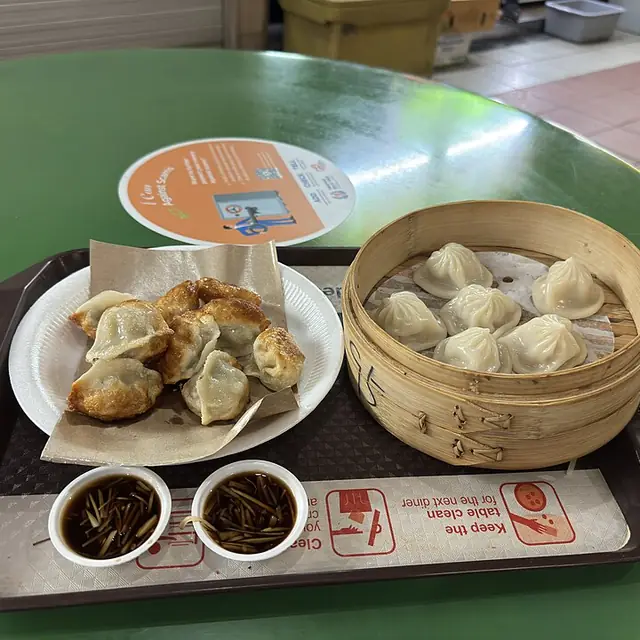
Xiaolongbao are Shanghai's soup dumplings, a thin pleated wrapper holding minced pork and a spoonful of broth that turns to liquid in the bamboo steamer, eaten with black vinegar and shredded ginger.
Where: Nanxiang Steamed Bun, Lai Lai Xiao Long, Wu You Xian, Jia Jia Tang Bao
Price: about ¥40 to ¥130 a person
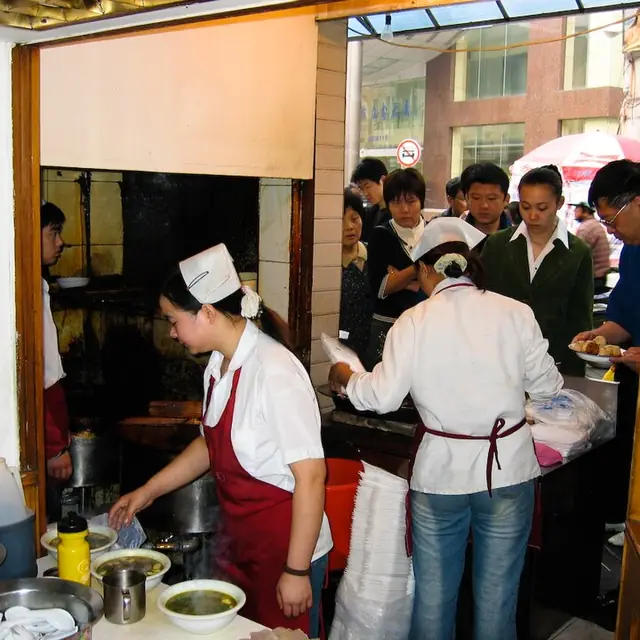
Shengjian mantou are Shanghai's pan-fried pork buns, a semi-leavened dough pleated round a pork and jelly filling, then fried in a wide pan until the base turns crisp and golden under a juicy top.
Where: Da Hu Chun, Dong Tai Xiang, Shu Cai Ji, Yang's Fry-Dumpling
Price: ¥9 to ¥16 for four
Yanduxian is Shanghai's spring soup of salted pork, fresh pork belly and bamboo shoots simmered in one pot until the broth turns milky white, a seasonal dish that appears only while bamboo shoots are in season.
Where: Lan Xin (Lyceum), Lao Zheng Xing
Price: about ¥90 to ¥155 per person
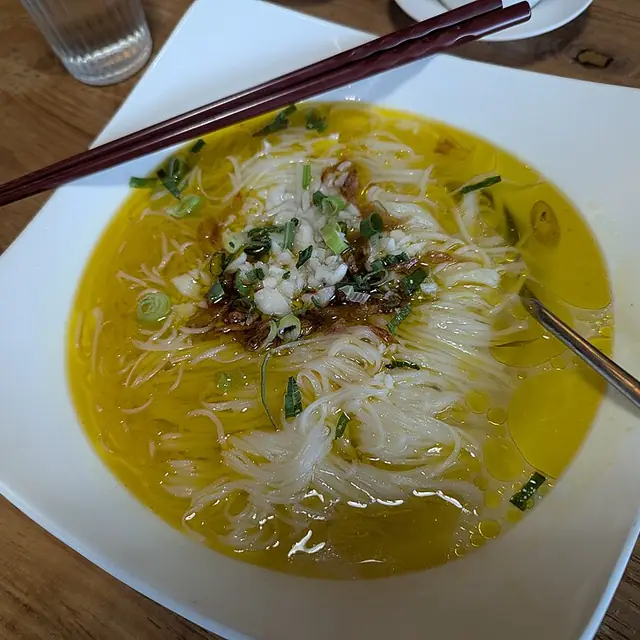
Scallion oil noodles are Shanghai's simplest comfort food, fresh wheat noodles tossed in scallion fried slowly to a deep gold with light and dark soy sauce, sometimes finished with dried shrimp.
Where: Huxi Laolongtang Noodle Shop, Jianguo 328
Price: ¥7 to ¥28 per serving
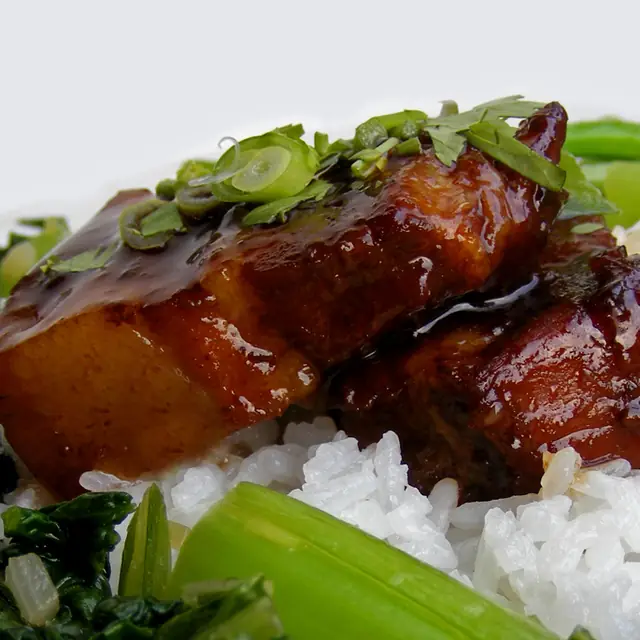
Hong shao rou is Shanghai's red-braised pork belly, cubes of skin, fat and lean meat simmered slowly in dark soy and rock sugar until the sauce turns glossy and the pork holds three distinct, tender layers.
Where: Lan Xin (Lyceum), Fu 1015, Ren He Guan
Price: ¥27 to ¥210 per serving
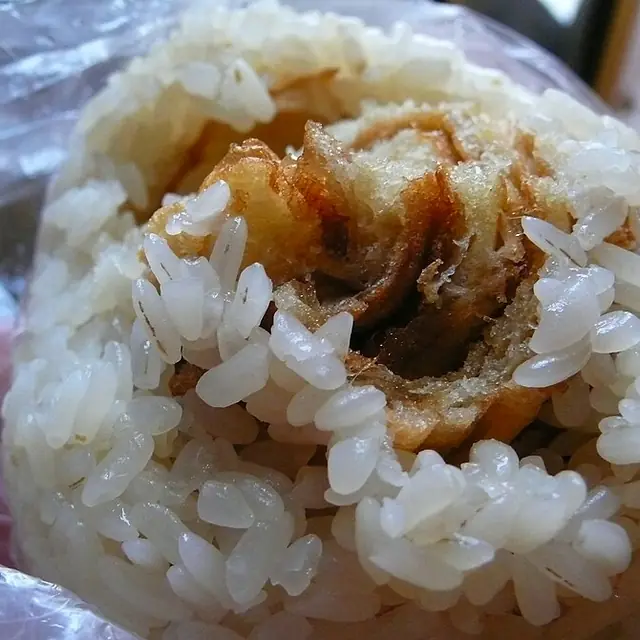
Cifantuan is a Shanghai breakfast staple, a warm glutinous rice roll wrapped by hand around a stick of hot youtiao, sometimes with sugar, pickles or pork floss tucked inside, eaten on the walk to work.
Price: ¥5 to ¥12
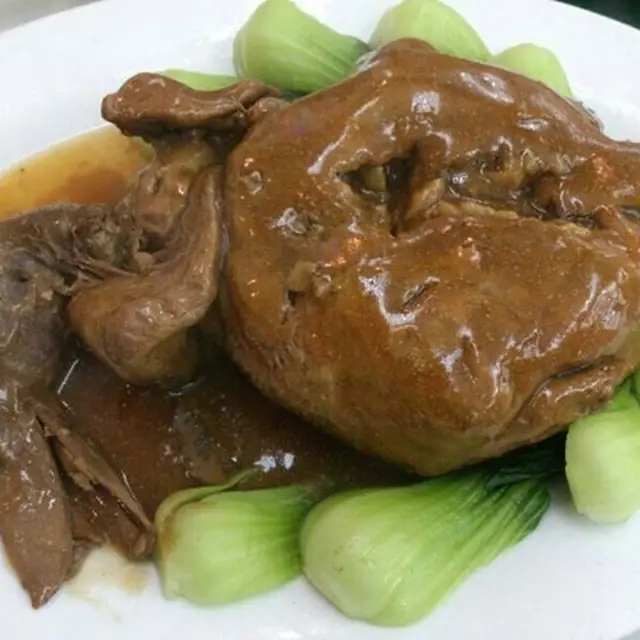
Eight-treasure duck is a whole boned duck stuffed with sticky rice, chestnuts, mushrooms, ham and other treasures, then steamed for hours until the rice absorbs the duck's juices, a Shanghai celebration centrepiece.
Where: Lu Bo Lang, Shanghai Old Restaurant
Price: about ¥180 to ¥260 for a whole duck
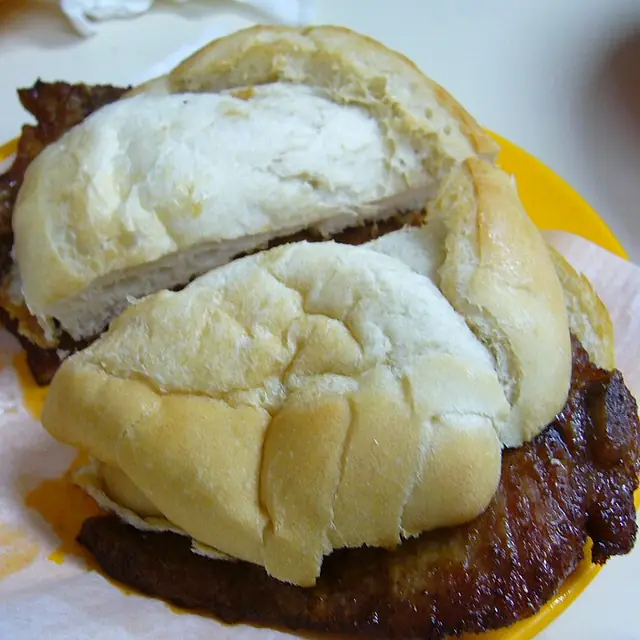
Shanghai fried pork chop is a breaded, deep fried chop served with a squeeze of la jiangyou, the city's own tangy, faintly spiced Worcestershire style sauce, a Haipai classic eaten with borscht and potato salad.
Where: Deda Western Restaurant, Er Guang Wonton
Price: ¥16 to ¥68 per serving
Cai rou huntun are Shanghai's pork and vegetable wontons, a filling of minced pork and leafy greens such as bok choy or shepherd's purse wrapped in thin dough and served in a clear, lightly seasoned broth.
Where: Er Guang Wonton
Price: ¥10 to ¥20 per bowl
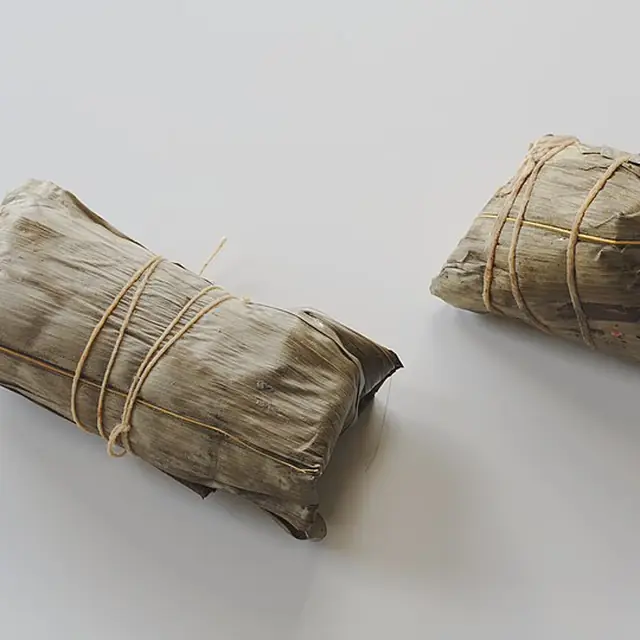
Zongzi are glutinous rice dumplings wrapped in bamboo leaves and simmered for hours, eaten across China at the Dragon Boat Festival, with Shanghai favouring pork, salted egg yolk and sweet red bean fillings.
Where: Shen Da Cheng
Price: ¥8 to ¥25 each
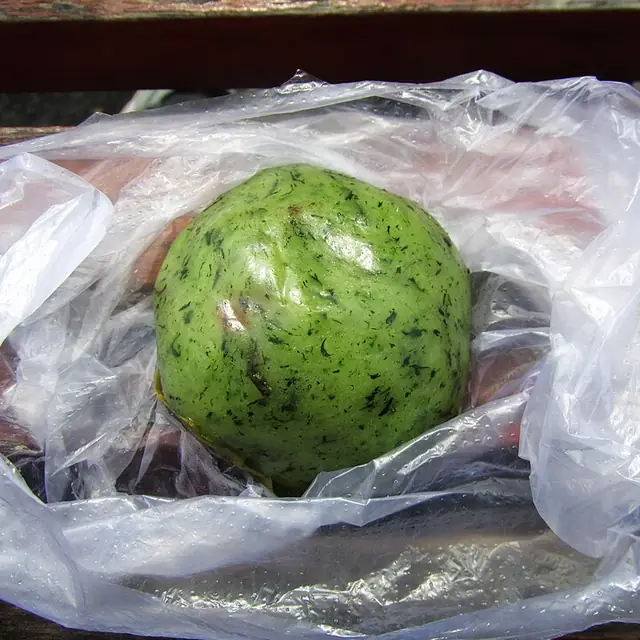
Qingtuan are jade green rice balls stained with mugwort or wheatgrass juice, a springtime treat around Qingming Festival filled with sweet red bean paste or savoury salted egg yolk and pork floss.
Where: Shen Da Cheng, Xing Hua Lou, Wang Bao He, Taikang Foods
Price: ¥6 to ¥15 each
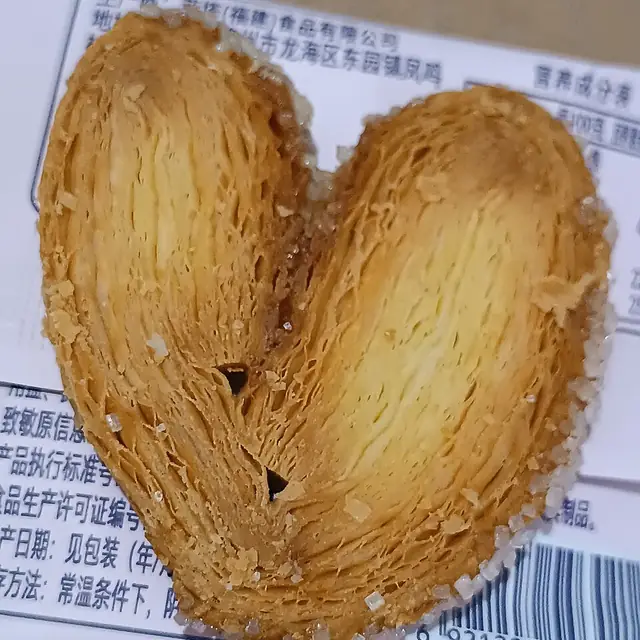
Butterfly crackers are Shanghai's version of the French palmier, hundreds of laminated pastry layers rolled, folded and baked with sugar until they caramelise into a crisp pair of golden wings.
Where: Park Hotel Bakery, Lao Xiang Zhai, Lu Bo Lang
Price: ¥30 to ¥130 per bag or box
Hairy crab is Shanghai's autumn delicacy, a mitten clawed river crab prized for its roe, traditionally steamed whole and eaten with a splash of black vinegar and warm Shaoxing wine on the side.
Where: Wang Bao He, Vivant by Johnny Pham
Price: ¥150 to ¥400 per crab, seasonal
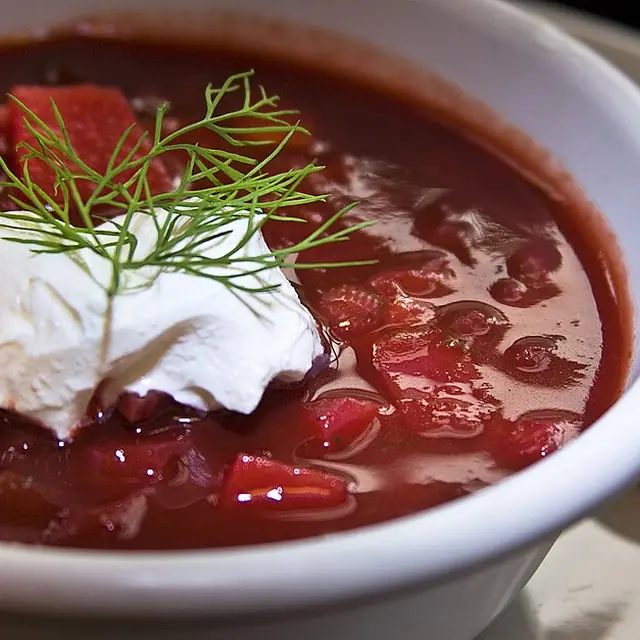
Luosong tang is Shanghai's own borscht, a Russian recipe reworked with tomato paste instead of beetroot, simmered with beef, potatoes and cabbage into a sweet and sour soup that is now a Haipai classic.
Where: Deda Western Restaurant
Price: ¥20 to ¥45 per bowl
Xiaolongbao (soup dumplings)
Xiaolongbao are Shanghai's soup dumplings, a thin pleated wrapper holding minced pork and a spoonful of broth that turns to liquid in the bamboo steamer, eaten with black vinegar and shredded ginger.
History: Xiaolongbao trace back to taixue mantou, a stuffed bun popular among scholars in Bianjing, now Kaifeng, during the Northern Song dynasty. Cooking techniques travelled south as northern migrants settled in Jiangnan. In 1871, Huang Mingxian, owner of the Ri Hua Xuan pastry shop in Nanxiang, now part of Jiading district, shrank the meat bun, thinned the wrapper and added meat jelly to the filling, so the dumpling released hot broth when steamed. The result became known as Nanxiang xiaolongbao and spread through Shanghai's tea houses and breakfast shops.
Where to try it: Nanxiang Steamed Bun, Lai Lai Xiao Long, Wu You Xian, Jia Jia Tang Bao
Watch out for: Gluten, Shellfish
Shengjian mantou (pan-fried pork buns)
Shengjian mantou are Shanghai's pan-fried pork buns, a semi-leavened dough pleated round a pork and jelly filling, then fried in a wide pan until the base turns crisp and golden under a juicy top.
History: Shengjian mantou began in Suzhou in the early 1910s and reached Shanghai's tea houses and laohuzao hot water stations by the 1920s. Two styles split from the same dough: hunshui buns are pleated face down and packed with pork and aspic that melts into broth as they fry, while qingshui buns are pleated face up on fully leavened dough with no added jelly, giving a drier, more bread-like bite. Shanghai diners still order by the liang, a unit that traditionally yields four buns, so orders run in fours rather than by the piece.
Where to try it: Da Hu Chun, Dong Tai Xiang, Shu Cai Ji, Yang's Fry-Dumpling
Watch out for: Gluten
Yanduxian (spring pork and bamboo shoot soup)
Yanduxian is Shanghai's spring soup of salted pork, fresh pork belly and bamboo shoots simmered in one pot until the broth turns milky white, a seasonal dish that appears only while bamboo shoots are in season.
History: Yanduxian began as a rural dish in Anhui province, part of the Jiangnan region south of the lower Yangtze, and travelled into Shanghai home cooking as people and recipes moved between the two. One local story credits the Qing general Zuo Zongtang with the name: his accent turned yandunxian into yanduxian when he introduced the dish to the city, and the name held. Yan refers to the salted pork, du is the gentle bubbling sound of the pot on a low simmer, and xian is the fresh pork belly and bamboo shoots that finish the broth.
Where to try it: Lan Xin (Lyceum), Lao Zheng Xing
Scallion oil noodles (cong you ban mian)
Scallion oil noodles are Shanghai's simplest comfort food, fresh wheat noodles tossed in scallion fried slowly to a deep gold with light and dark soy sauce, sometimes finished with dried shrimp.
History: Cold tossed noodles were already known in the Tang and Song dynasties, but the dish Shanghai eats today is credited to Chen Youzhi, a snack maker who worked the City God Temple market and put together the modern version in 1889 by blending northern and southern techniques. As the city industrialised through the early 20th century, the noodles' speed and low cost made them a staple lunch for factory workers and market traders, and the dish spread from street stalls into neighbourhood noodle shops across Shanghai.
Where to try it: Huxi Laolongtang Noodle Shop, Jianguo 328
Watch out for: Gluten, Shellfish
Hong shao rou (red-braised pork belly)
Hong shao rou is Shanghai's red-braised pork belly, cubes of skin, fat and lean meat simmered slowly in dark soy and rock sugar until the sauce turns glossy and the pork holds three distinct, tender layers.
History: Early Chinese texts describe meat simmered slowly in seasoned liquid as far back as the Qimin Yaoshu, an agricultural manual from around the sixth century, and the technique is closely tied to Dongpo pork, the braised dish associated with the Song dynasty poet Su Dongpo in Jiangnan cooking. Shanghai's version settled on pork belly, dark soy sauce for colour and rock sugar for a balanced sweetness, summed up locally as cooking with a soy sauce bottle in one hand and a sugar jar in the other. Restaurants across the city serve their own versions today, some adding bean curd knots, bamboo shoots or quail eggs to the pot.
Where to try it: Lan Xin (Lyceum), Fu 1015, Ren He Guan
Watch out for: Soy
Cifantuan (sticky rice breakfast roll)
Cifantuan is a Shanghai breakfast staple, a warm glutinous rice roll wrapped by hand around a stick of hot youtiao, sometimes with sugar, pickles or pork floss tucked inside, eaten on the walk to work.
History: Cifantuan is one of the Four Heavenly Kings of a Shanghai breakfast, alongside dabing, youtiao and doujiang soy milk. It grew out of the same street stall culture that produced the city's earliest dabing and youtiao shop, recorded as opening in 1912. By the 1930s the city had a thriving breakfast trade built on dabing, youtiao and mantou, and over time the four settled into the standard set sold from street stalls and small neighbourhood eateries. The rice roll was built for the walk to work: soft, filling and compact enough to eat with one hand, wrapped around a stick of youtiao for crunch and folded with sugar, pickles or pork floss depending on the stall.
Watch out for: Gluten
Eight-treasure duck (ba bao ya)
Eight-treasure duck is a whole boned duck stuffed with sticky rice, chestnuts, mushrooms, ham and other treasures, then steamed for hours until the rice absorbs the duck's juices, a Shanghai celebration centrepiece.
History: The dish descends from a Qing dynasty precursor recorded as sticky rice duck, which developed around Suzhou in Jiangsu province before becoming part of Shanghai's banquet cooking. The name does not require exactly eight ingredients; fillings vary between chestnuts, ginkgo nuts, diced pork and chicken, mushrooms, ham, bamboo shoots, dried scallops and lotus seeds, and the constant is a whole duck encasing rice that soaks up its juices as it steams. Shanghai Old Restaurant, a guardian of the city's intangible cultural heritage cooking techniques, steams its duck whole for eight hours and serves it the next day once the flavours have settled overnight.
Where to try it: Lu Bo Lang, Shanghai Old Restaurant
Watch out for: Tree nuts, Shellfish
Shanghai fried pork chop (zha zhu pai)
Shanghai fried pork chop is a breaded, deep fried chop served with a squeeze of la jiangyou, the city's own tangy, faintly spiced Worcestershire style sauce, a Haipai classic eaten with borscht and potato salad.
History: The dish grew out of Haipai cuisine, the Shanghai adaptation of Western cooking that took shape after the city's treaty port opened, alongside the local versions of Russian borscht and potato salad that together became known as the old three classics. Cooks pound the pork chop thin with the back of a knife to break down the fibres, marinate it in ginger and scallion water, then coat it in breadcrumbs before frying to a crisp golden crust. A related dish, pork chop rice cakes, swaps the breadcrumb crust for a thin batter served over sticky rice cakes, and returned to wider attention after the television drama Blossoms Shanghai in 2023.
Where to try it: Deda Western Restaurant, Er Guang Wonton
Watch out for: Gluten, Egg
Cai rou huntun (pork and vegetable wontons)
Cai rou huntun are Shanghai's pork and vegetable wontons, a filling of minced pork and leafy greens such as bok choy or shepherd's purse wrapped in thin dough and served in a clear, lightly seasoned broth.
History: Wontons are generally thought to have started in northern China before splitting into regional styles across the country. Shanghai's chaipan huntun street vendors, believed to have arrived with migrants from Anhui province, once sold the dish from bamboo carrying poles fitted with a small stove, and newspaper adverts already listed cai rou huntun on Shanghai menus in the 1930s and 1940s. The Shanghai style leans on freshness rather than boldness: pork mixed with bok choy or shepherd's purse for natural sweetness, in a broth simmered with pork or chicken bones and finished with egg crepe strips and dried seaweed.
Where to try it: Er Guang Wonton
Watch out for: Gluten, Egg
Zongzi (glutinous rice dumplings)
Zongzi are glutinous rice dumplings wrapped in bamboo leaves and simmered for hours, eaten across China at the Dragon Boat Festival, with Shanghai favouring pork, salted egg yolk and sweet red bean fillings.
History: Zongzi were once known as jiaoshu for their angular, leaf wrapped shape and originally used millet rather than rice. By the Jin dynasty, eating leaf wrapped dumplings around the fifth day of the fifth lunar month, near the summer solstice, was already an established custom, later tied to the story of the poet Qu Yuan and offerings thrown into the Miluo River after his death. During the Ming and Qing dynasties the dumplings also picked up a good luck meaning around examinations, since brush shaped zongzi sounded like the phrase for certain success. Shanghai's old pastry brands now sell both savoury pork versions and sweet red bean and jujube fillings each year around the festival.
Where to try it: Shen Da Cheng
Watch out for: Egg
Qingtuan (mugwort rice dumplings)
Qingtuan are jade green rice balls stained with mugwort or wheatgrass juice, a springtime treat around Qingming Festival filled with sweet red bean paste or savoury salted egg yolk and pork floss.
History: Qingtuan descends from the Cold Food Festival, a custom more than two thousand years old in which fires were forbidden for a day and food was prepared in advance to eat cold. By the Southern Dynasties, records already describe rice flour mixed with wild herb juice, and by the Tang and Song dynasties a herb stained rice dish called qingjing fan was common. The dumpling closer to today's qingtuan is documented from the Ming and Qing dynasties, when herbal juice was worked into glutinous rice flour and shaped around a filling, and it became tied to the Jiangnan region's Qingming grave visiting customs each spring.
Where to try it: Shen Da Cheng, Xing Hua Lou, Wang Bao He, Taikang Foods
Watch out for: Gluten, Egg
Hudiesu (butterfly cracker)
Butterfly crackers are Shanghai's version of the French palmier, hundreds of laminated pastry layers rolled, folded and baked with sugar until they caramelise into a crisp pair of golden wings.
History: The palmier arrived in Shanghai in the early 20th century through the Red House pastry shops, and Kaisiling and the Park Hotel later adopted and adapted the recipe for local tastes, reducing the sweetness to let the butter come through. The technique relies on repeatedly folding butter into dough to build up many thin layers, which puff and caramelise into a crisp, flaky wing shape when baked with sugar. The pastry stayed a fixture of Shanghai's Haipai bakery culture and drew fresh attention after the television series Blossoms Shanghai revived interest in the city's old institutions.
Where to try it: Park Hotel Bakery, Lao Xiang Zhai, Lu Bo Lang
Watch out for: Gluten, Dairy
Dazha xie (hairy crab)
Hairy crab is Shanghai's autumn delicacy, a mitten clawed river crab prized for its roe, traditionally steamed whole and eaten with a splash of black vinegar and warm Shaoxing wine on the side.
History: The Chinese mitten crab, known locally as dazha xie, ripens through the ninth and tenth lunar months, when female roe and male crab paste are at their richest, and crabs from Yangcheng Lake near Shanghai carry the strongest reputation for sweet meat. Wang Bao He, on Fuzhou Road near the Bund, began as a Shaoxing wine maker in 1744 and started steaming crabs to go with its wine after moving to its current address in 1936; today crab runs through its menu, down to the xiaolongbao and meatballs. Counterfeit Yangcheng Lake crabs are common enough that some sellers now use blockchain tracing and printed tags to prove a crab's origin before it reaches the table.
Where to try it: Wang Bao He, Vivant by Johnny Pham
Watch out for: Shellfish
Luosong tang (Shanghai borscht)
Luosong tang is Shanghai's own borscht, a Russian recipe reworked with tomato paste instead of beetroot, simmered with beef, potatoes and cabbage into a sweet and sour soup that is now a Haipai classic.
History: Russian emigres arrived in Shanghai after the 1917 revolution and opened more than 40 restaurants along Avenue Joffre, today's Huaihai Middle Road, an area known at the time as Little Russia. Their cheap borscht and buttered bread caught on quickly with local diners, but Shanghai's climate suited tomatoes better than beetroot, so cooks swapped in tomato paste, fried first to cut its sourness, and added sugar to balance the result. Most Shanghai recipes now build the soup from beef and its broth, potatoes and leafy vegetables, sometimes with Hongchang sausage or a dash of Worcestershire style sauce, and serve it alongside rice or a fried pork chop.
Where to try it: Deda Western Restaurant