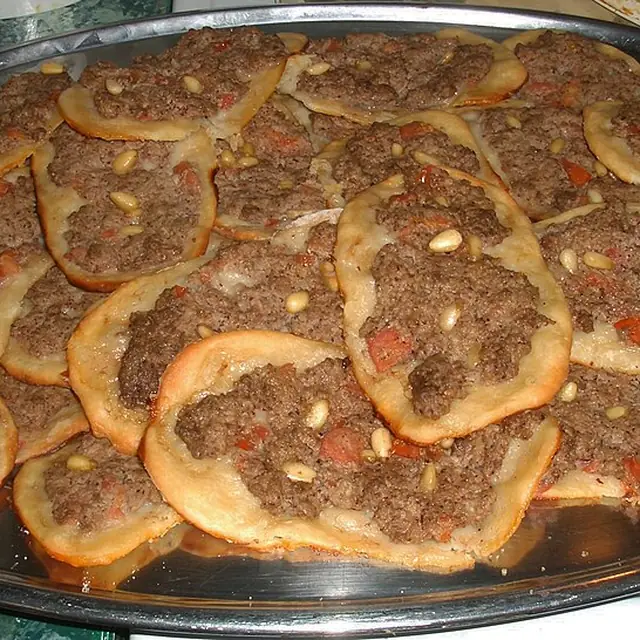
Casa Garabed has baked its lamb and pine nut esfiha in Sao Paulo's Santana district since 1951, one of the open-faced pastries Arab immigrants brought to the city.
Syrian and Lebanese immigration to Sao Paulo concentrated from 1880 around the old market square and Rua 25 de Março, an area known as the street of the Arabs that grew into Brazil's largest wholesale trading district. Arab immigrants opened the city's first esfiha counters in the early 20th century, in neighbourhoods like Bras and Mooca, selling the open, boat-shaped pastry topped with seasoned lamb or beef, and later a closed version folded shut. Casa Garabed, an Armenian family bakery since 1951, and Brasserie Victoria, founded on Rua 25 de Marco in 1947 and now on Avenida JK, are both part of the Levantine bakery wave that made esfiha a Sao Paulo staple.
Brasserie Victória has served Lebanese food since Dona Victoria opened it on Rua 25 de Marco in 1947; now on Avenida JK in Sao Paulo, it is still family-run.
OrderThe kaftas, open or folded sfihas, kibe, labneh with pitta, and the nut-filled atayef pancakes.
TipFor a quick bite, the take-away counter runs until 21:00 Tuesday to Sunday; the nut-filled atayef make the best finish in the dining room.
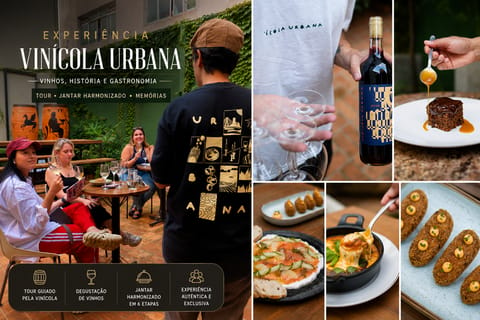
Discover the only urban winery in São Paulo. Take an exclusive tour, learn about winemaking, and enjoy a 6-course dinner paired with award-winning house wines.
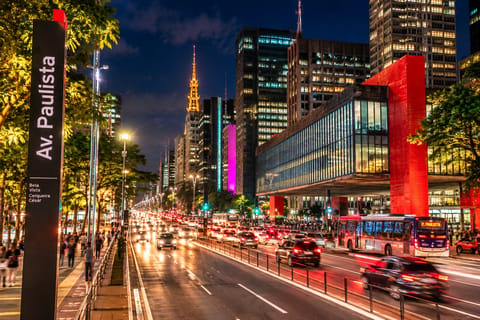
How did São Paulo become Brazil’s food capital? Walk its historic heart while tasting local life: 1 meal, 1 cake, 1 soft drink, 1 coffee or tea at handpicked venues wi...