

The plates that define Granada: what they are, where they came from, and where to eat the canonical version.
Signature dishes
-
Tortilla del Sacromonte ★ 4.7
Tortilla del Sacromonte is a Granadina omelette of eggs cooked with brain, sweetbreads, lamb testicles and peas, named for the gypsy quarter that invented it.
Where to try it: Los Manueles, Chikito, Las Tinajas, Mirador de Morayma, Carmela
Price: €8-15
Tortilla del Sacromonte takes its name from the gitano quarter above the Darro where it was created in the early 20th century, a thrifty dish using offal cuts the wealthier Centro restaurants discarded. The dish became canonical at Los Manueles, founded in 1917 on Calle Reyes Catolicos, and at Chikito, which sits on the site of the Cafe Alameda where Lorca and Manuel de Falla discussed the dish in the 1920s. Modern restaurants run a vegetable version for visitors who balk at the offal but the original still moves in every traditional Granadina kitchen, especially during San Cecilio in February.
Watch out for: Egg
-
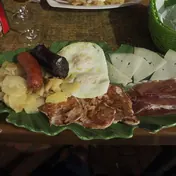
Plato Alpujarreno ★ 4.6
Plato Alpujarreno is the Sierra Nevada mountain platter of fried eggs, chorizo, morcilla, jamon Trevelez, papas a lo pobre and pisto, plated together on a tin platter.
Where to try it: Las Tinajas, Chikito, Bodegas Castaneda, Mirador de Morayma, Antigua Bodega Castaneda
Price: €12-18
Plato Alpujarreno originates in the Las Alpujarras villages above 1,000 metres, where mountain shepherds and farmers needed a high-calorie one-platter meal. The dish is the canonical introduction to Granadina mountain cooking, with each component sourced from the Alpujarras: jamon from Trevelez at 1,500 metres, morcilla blood sausage from Pampaneira, papas from the high-altitude potato terraces. In Granada city the dish moved into restaurants on the tapeo route during the 1960s tourism boom and remains a fixture at any taberna that calls itself Granadina. Recent versions add chorizo de Sierra Nevada and substitute the lard-fried papas with olive oil from the Sierra Magina.
Watch out for: Egg
-
Salmorejo Granadino ★ 4.7
Salmorejo is the thick chilled tomato-and-bread puree from Cordoba and Andalusia, served in shallow bowls topped with diced jamon Trevelez, hard-boiled egg and olive oil.
Where to try it: Las Tinajas, Chikito, Mirador de Morayma, Carmela, Restaurante Sevilla
Price: €6-12
Salmorejo evolved from the medieval ajo blanco (white garlic soup) before the New World tomato reached Andalusia in the 16th century. The tomato variant emerged in Cordoba and migrated south to Granada by the 18th century, becoming the working-day summer plate across the Vega de Granada. The distinction from gazpacho is the bread: salmorejo uses dry bread soaked in the tomato base for a thick, almost pate-like consistency. In Granada the dish is served in shallow bowls with diced Trevelez jamon and chopped egg, and it pairs with Jerez fino sherry through the summer months.
Watch out for: Gluten, Egg
Book food experiences in Granada

-
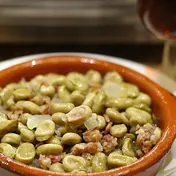
Habas con Jamon ★ 4.5
Habas con jamon is the Granadina broad-bean tapa with diced jamon Trevelez sauteed in olive oil, served warm in a clay cazuela through the broad-bean season.
Where to try it: Bodegas Castaneda, Antigua Bodega Castaneda, Los Manueles, Chikito, Mirador de Morayma
Price: €5-10
Habas con jamon is a canonical Sierra Magina tapa using the early broad beans (habas tempranas) that come in February and run through May. The combination of beans, cured ham and olive oil is rural Andalusian cooking that moved into the citys tabernas alongside the free-tapa tradition that took shape between Bodegas Castaneda (1927) and Los Diamantes (1942). The dish is the canonical free tapa at Bodegas Castaneda and Antigua Bodega Castaneda, and it appears across every traditional Granadina menu in spring.
-
Remojon Granadino ★ 4.5
Remojon granadino is the Granada salad of salt cod, oranges, black olives, hard-boiled egg, scallions and olive oil, a Sephardic-Andalusian winter classic.
Where to try it: Restaurante Sevilla, Chikito, Mirador de Morayma, Las Tinajas, Carmela
Price: €7-12
Remojon granadino is a Sephardic-influenced salad of salt cod and citrus that dates to the 15th century in the citys old Jewish quarter, the Realejo. The dish reflects the citys Sephardic-Moorish-Christian inheritance: salt cod from the Castilian coast, oranges from the Vega de Granada, olives from the Sierra Magina. Restaurante Sevilla, where Lorca and de Falla lunched, has plated remojon since 1930, and Chikito carried the dish forward when it took over the Cafe Alameda site in 1976.
Watch out for: Egg, Fish
-
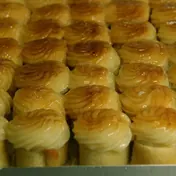
Pionono de Santa Fe ★ 4.8
Pionono de Santa Fe is a small layered pastry of cinnamon sponge soaked in syrup and topped with caramelised cream, invented in 1897 at Casa Ysla in Santa Fe.
Where to try it: Casa Ysla Piononos, Casa Ysla Piononos Beiro, Pasteleria Lopez Mezquita
Price: €2-3 per pastry
Pionono was invented in 1897 by pastry chef Ceferino Isla at Casa Ysla in Santa Fe, 10km west of Granada, to honour Pope Pius IX (Pio Nono in Spanish). The miniature pastry stands no more than 4cm tall: a cinnamon sponge rolled and soaked in syrup, topped with caramelised pastry cream. In 1916 Casa Ysla was named official supplier to King Alfonso XIII. The Isla family still runs the original Santa Fe shop and Granada-city branches; the recipe has been protected for over a century. The pionono is the canonical Granada gift box: a six-pack travels well and the cinnamon sponge keeps for three days at room temperature.
Watch out for: Gluten, Egg, Dairy
-
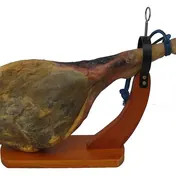
Jamon de Trevelez ★ 4.9
Jamon de Trevelez is the PGI cured ham from the Alpujarras village at 1,500 metres, the Sierra Nevadas signature jamon with a sweet long-cure note from altitude.
Where to try it: Bodegas Castaneda, Antigua Bodega Castaneda, La Cueva de 1900 Ayuntamiento, Las Tinajas, Casa Encarna
Price: €18-40 a board
Jamon de Trevelez has been cured at 1,500 metres in the Alpujarras village of Trevelez since the 18th century, the high-altitude air giving the ham a sweet, dry-cured character distinct from Iberian acorn-fed jamon. The PGI (Indicacion Geografica Protegida) was granted in 2005. The ham cures for a minimum of 14 months and the best examples run 30 months. In Granada city the canonical bar tapa of habas con jamon Trevelez is on every traditional menu, and the cured slices are sold by every Andalusian charcuteria in the Centro.
-
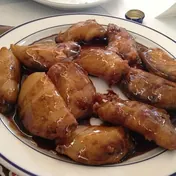
Berenjenas con Miel de Cana ★ 4.6
Berenjenas con miel de cana are crispy fried aubergine batons drizzled with sugar-cane molasses, a Sephardic-Andalusian Granadina classic on every tapas counter.
Where to try it: Bodegas Castaneda, Carmela, Mirador de Morayma, Antigua Bodega Castaneda, Restaurante Sevilla
Price: €5-8
Berenjenas con miel is a Sephardic dish that survived the 1492 expulsion and became a Granadina classic, where the molasses (miel de cana) comes from sugar-cane mills on the Costa Tropical south of Granada. The dish is canonical at Bodegas Castaneda and the citys tapeo crawl: aubergine sliced thin, dredged in chickpea flour, fried crisp, then drizzled with cana molasses at the bar. Modern variants use honey but the canonical Granadina version uses miel de cana from the Frigiliana sugar mill.
-
Rabo de Toro Granadino ★ 4.6
Rabo de toro is the slow-braised oxtail in red wine, garlic and bay, a Granadina classic at every tapeo bar and a stew that improves overnight.
Where to try it: Antigua Bodega Castaneda, Las Tinajas, Mirador de Morayma, Chikito, Tendido 1
Price: €16-22
Rabo de toro is an Andalusian stew that goes back to the citys bullring tradition, using the tails from the Corpus Christi corridas. The dish moved into restaurant menus across Granada in the 1950s as bullfighting culture peaked, and it remains canonical at Antigua Bodega Castaneda, Las Tinajas and Mirador de Morayma. The dish is braised at least 4 hours; the meat falls from the bone when cooked correctly, and the stew is finished with a Granada-province tinto.
-
Choto al Ajillo ★ 4.5
Choto al ajillo is kid goat braised in garlic, white wine and bay, an Alpujarras mountain dish from the Sierra Nevada villages on every traditional carte.
Where to try it: Las Tinajas, Mirador de Morayma, Chikito, Ruta del Veleta, El Trillo
Price: €18-26
Choto al ajillo is the Alpujarras mountain dish using kid goat (choto), an animal raised across the Sierra Nevada villages from Trevelez down to Bubion. The dish is rural Andalusian cooking that moved into the citys tabernas during the 1970s, when the Las Tinajas opening kickstarted Granadas modern Andalusian scene. The dish is canonical at Las Tinajas and Mirador de Morayma, and it remains the seasonal Easter and autumn move on every traditional Granadina menu.
-
Migas Granadinas ★ 4.4
Migas granadinas are toasted breadcrumbs cooked with chorizo, morcilla, garlic and peppers, a working-day mountain dish from the Sierra Nevada villages.
Where to try it: Antigua Bodega Castaneda, Bodegas Castaneda, Chikito, Las Tinajas, Mirador de Morayma
Price: €8-14
Migas date back to the Reconquista as shepherds peasant food: stale bread torn into crumbs, fried with garlic and pork fat, served with whatever cured meat the village had. The Granada version adds chorizo from the Alpujarras and morcilla blood sausage from Pampaneira, plus a fried egg on top. Bodegas Castaneda and Antigua Bodega Castaneda both run migas as a winter free tapa, and the dish is canonical on every Granadina menu from November through March.
Watch out for: Gluten, Egg
-
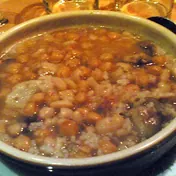
Olla de San Anton ★ 4.3
Olla de San Anton is the Granada winter stew of habichuelas, ricepato, pig ear, trotter, chorizo and morcilla, cooked for Saint Anthonys day in January.
Where to try it: Las Tinajas, Chikito, Restaurante Sevilla, Mirador de Morayma, Bodegas Castaneda
Price: €14-20
Olla de San Anton is the Granadina stew cooked around January 17, the feast of Saint Anthony, using the leftover pork from the November-December matanza tradition. The dish combines white beans (habichuelas), rice, pig ear, trotter, chorizo and morcilla in a clay olla. The recipe comes from the citys 18th-century convents, where the nuns ran a charity meal for Saint Anthony. Modern Granada restaurants still cook the dish through January and into February, with Chikito and Las Tinajas the most-cited stops.
Signature Dishes in Granada, FAQ
What food is Granada known for?
Granada's signature dishes include Tortilla del Sacromonte, Plato Alpujarreno, Salmorejo Granadino, Habas con Jamon, Remojon Granadino. See our signature dishes chapter for where to eat each.