Free cancellation on most tours, with live prices on the partner's site.
Poznań eats with the strongest regional accent in Poland. The city is the cradle of the Polish state, the capital of Greater Poland (Wielkopolska), and its plate stayed local while Warsaw and Kraków borrowed harder from abroad. The everyday lunch is pyry z gzikiem: boiled potatoes with curd cheese, soured cream, chives and onion, eaten with a glass of buttermilk. Every November the city eats hundreds of tonnes of rogal świętomarciński, the protected St. Martin's croissant, certified by the Cech Cukierników i Piekarzy in the Old Market Square. Czernina, the duck-blood soup, still appears on regional menus. Plendze (potato pancakes) outnumber pierogi by a wide margin. Stary Rynek anchors the tourist plate. Jeżyce holds the city's hipster bistros, third-wave roasters and the Sunday market. Łazarz is where you find the milk bars locals actually use. Wilda is the new wine-bar district.
Sample traditional Polish food and get to know local flavors. Try various dishes, appetizers, and desserts and pick up insights into local customs, traditions, and his...
Enjoy a romantic Italian dinner in Poznań with live music. Savor a menu of refined Italian cuisine, toast with fine wines, and immerse yourself in a romantic atmosphere.
Discover the essence of Polish vodka with a tasting of at least 10 vodkas and a gourmet dinner in Poznań. Enjoy a cozy, elegant setting and savor the rich flavors of P...
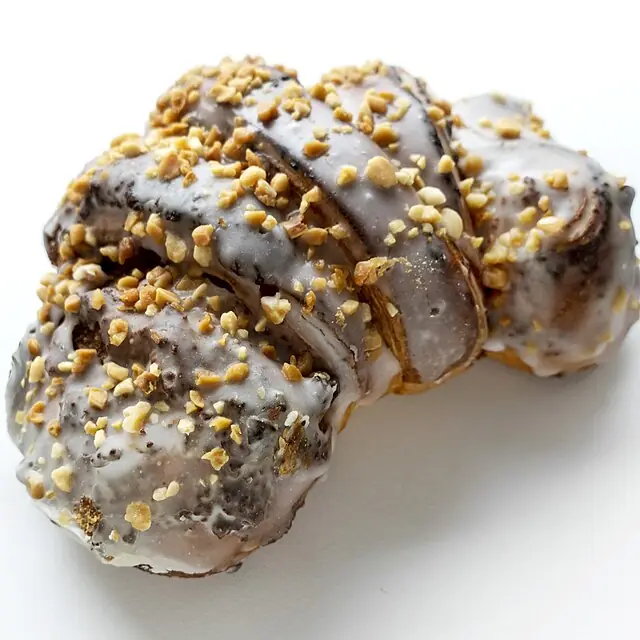
A semi-French pastry croissant filled with white poppy seed paste, walnuts, almond flavour, raisins and candied fruit, glazed with sugar and finished with crushed nuts.
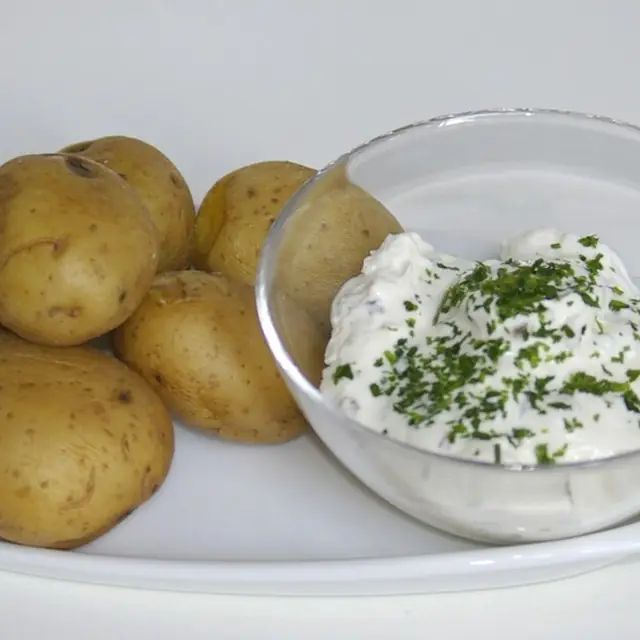
Boiled potatoes in their skins served with gzik, a Greater Poland curd cheese mixed with soured cream, onion, chives and parsley, eaten with a glass of buttermilk.
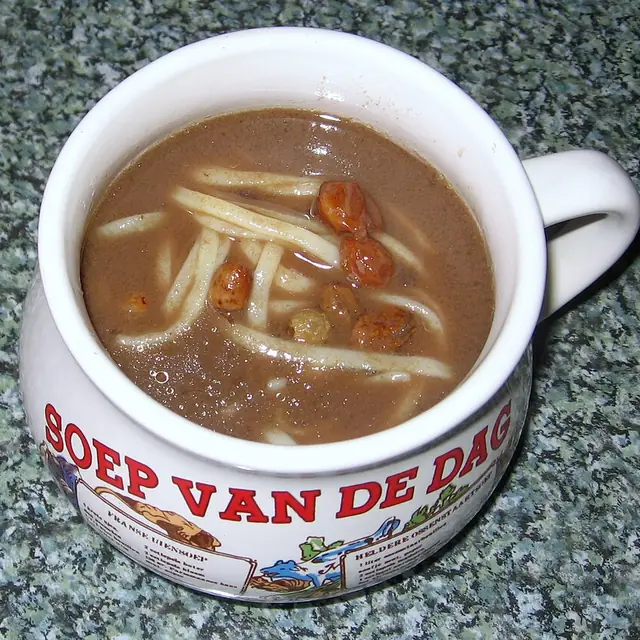
A Greater Poland soup of duck or goose broth thickened with the animal's blood, soured with vinegar and sweetened with dried fruit, served with kluski lane (egg noodles).
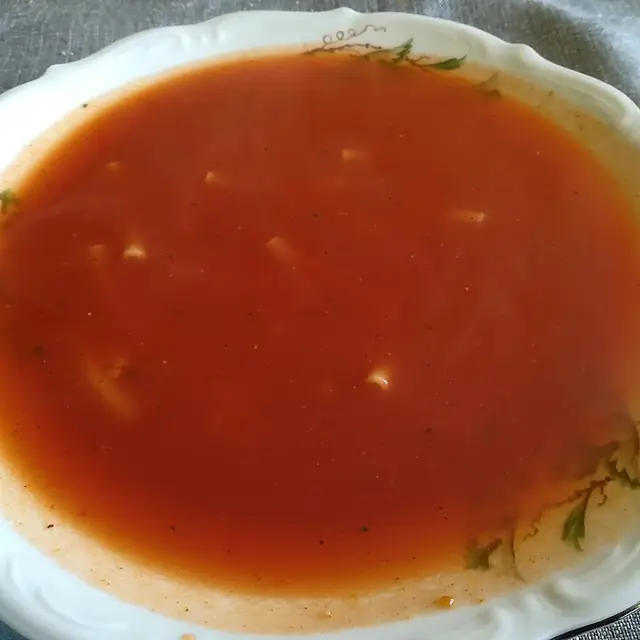
A Polish tomato soup made from fresh summer tomatoes or tomato passata, simmered with a meat or vegetable broth and finished with rice, makaron or kluski lane.
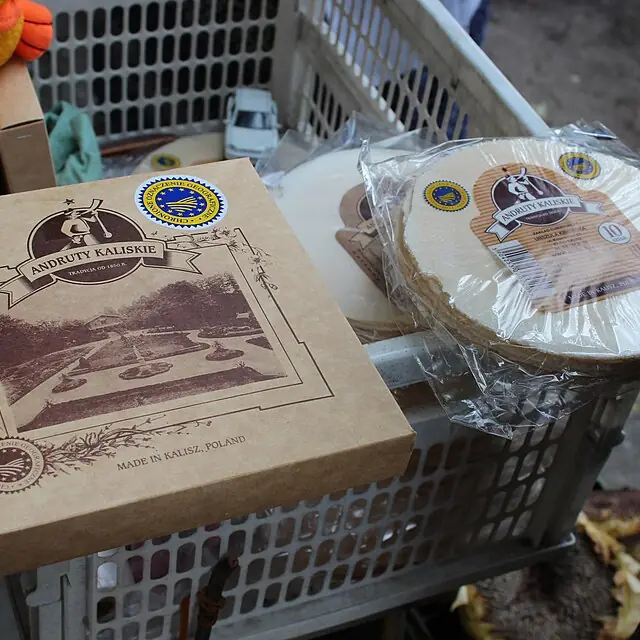
Thin round Greater Poland sugar wafers baked between hot iron plates, sweet and snap-crisp, eaten with coffee at every Poznań cake counter. The closest cousin to the kürtős and Italian pizzelle.
Where Cukiernia Kandulski, Cukiernia Sowa, Cukiernia Pawlova
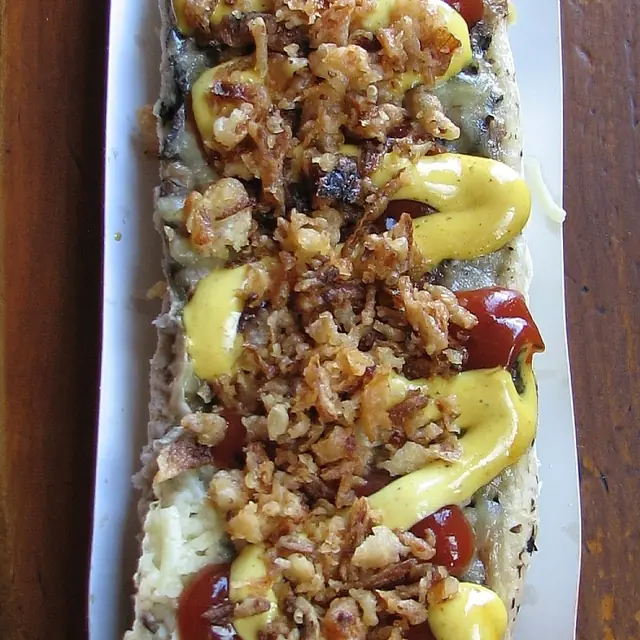
Polish open-faced toasted baguette topped with sauteed mushrooms, melted cheese and a drizzle of ketchup or mayonnaise. Poznań street-food canon from the 1970s socialist era.
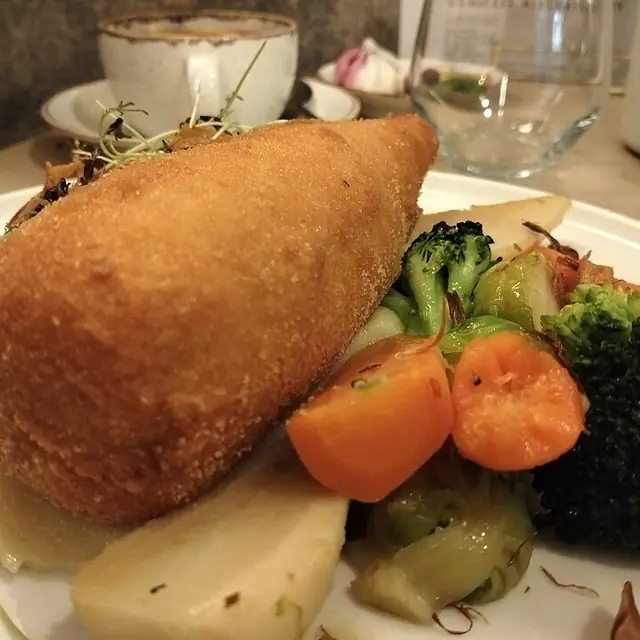
Polish breaded chicken roulade stuffed with garlic-parsley butter that bursts when cut. The Polish reading of Kiev cutlet, central to socialist-era restaurant menus and Sunday lunch.
Ratuszova on Stary Rynek in Poznań is a modern-Polish room in a historic Stary Rynek 55 tenement, in business since 1954, with roast duck, czernina and game.
Brovaria on Stary Rynek 73-74 in Poznań is Poland's first brewpub-with-hotel, in business since 2004, with beer brewed in tanks behind the bar and Polish.
OrderBeer-braised pork knuckle with the house pilsner.
SPOT. in Wilda, Poznań is a Michelin Bib Gourmand 2025 room in a former power station on Dolna Wilda, with chef Jakub Hamankiewicz cooking modern Polish.
OrderWhatever the chef is doing with the day's vegetables; the kitchen leans plant-forward.
Modra Kuchnia in Jeżyce, Poznań is a small basement room on Mickiewicza, run by Szymon and Dorota, cooking a tight modern Polish menu with a wine pairing.
OrderRoast duck with the modra kapusta that gives the room its name.
The medieval village across the river from the cathedral island. A handful of small bistros, the croissant route's eastern stop, and weekend brunch rooms.
Rogal świętomarcińskiA semi-French pastry croissant filled with white poppy seed paste, walnuts, almond flavour, raisins and candied fruit, glazed with sugar and finished with crushed nuts
Pyry z gzikiemBoiled potatoes in their skins served with gzik, a Greater Poland curd cheese mixed with soured cream, onion, chives and parsley, eaten with a glass of buttermilk
CzerninaA Greater Poland soup of duck or goose broth thickened with the animal's blood, soured with vinegar and sweetened with dried fruit, served with kluski lane (egg noodles)
PomidorówkaA Polish tomato soup made from fresh summer tomatoes or tomato passata, simmered with a meat or vegetable broth and finished with rice, makaron or kluski lane
Andruty kaliskieThin round Greater Poland sugar wafers baked between hot iron plates, sweet and snap-crisp, eaten with coffee at every Poznań cake counter
Stays are listed by our booking partners, not editor picks. We earn a commission if you book, at no cost to you.
Map of Poznań
Every restaurant, cafe, market and bar we cover in Poznań, pinned. Click a pin for the page.
Trip planner
Plan your Poznań trip
Pick your dates: we line up the festivals on, what is in season, where to eat on the days you are in town, and experiences you can book for those dates.
When to come hungry in Poznań
Peak food season: Late October to mid-November (St. Martin's croissant season, peaking around 11 November). Mid-June to August is tomato (pomidorówka) and chanterelle season. December for the Christmas markets and karp na Wigilię.
Local dining hours: Lunch 12:00-15:00 (the canonical Polish obiad window), dinner 18:00-22:00. Milk bars open early (07:00) and close by 18:00. Bistros around Stary Rynek run later on weekends. Sunday opening is the rule in the centre.
Tipping: Service is not included. 10 percent is the standard tip for table service, given in cash where possible. Milk bars and counter spots take no tip. Never enter a tip as a percentage on the card terminal without asking first; many places still prefer cash.
Poznań food, FAQ
What food is Poznań known for?
Poznań's signature dishes include Rogal świętomarciński, Pyry z gzikiem, Czernina, Plendze, Kaczka z modrą kapustą. See our signature dishes chapter for where to eat each.
What are the best food neighborhoods in Poznań?
TableJourney editors map Poznań by district. Stary Rynek (Old Market Square), Jeżyce, Łazarz, Wilda are among the strongest for food, each with its own guide.
Where should I eat fine dining in Poznań?
Editor picks in Poznań include SPOT., Cucina, Vine Bridge, plus the full fine dining chapter on TableJourney.
Are there food tours in Poznań?
TableJourney covers 5 editor-picked food tours in Poznań, with what each shows you and how much to budget.
Does Poznań have good vegetarian or vegan food?
TableJourney's Poznań dietary chapter covers vegan, vegetarian, gluten_free, halal venues, each editor-picked with what to order and how to ask.