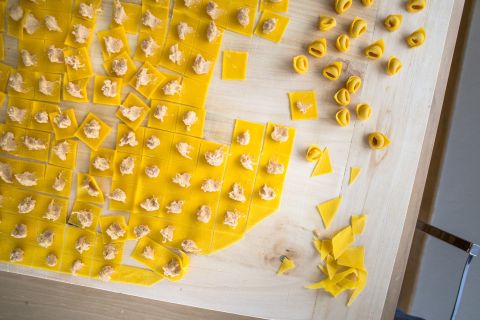
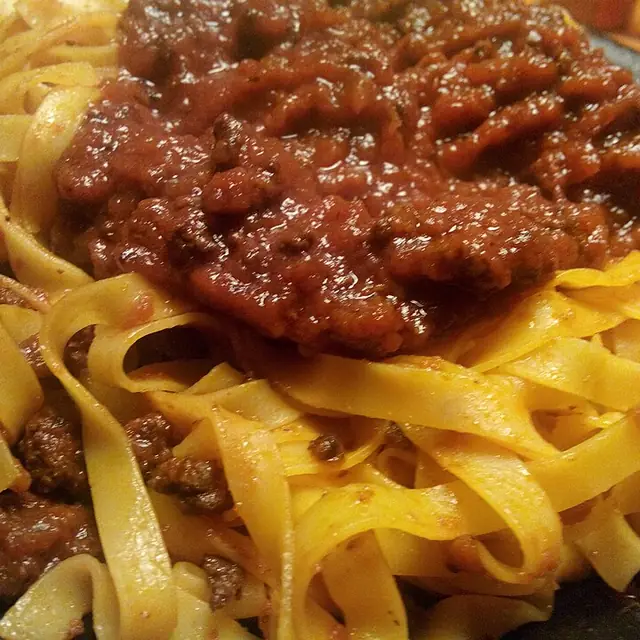
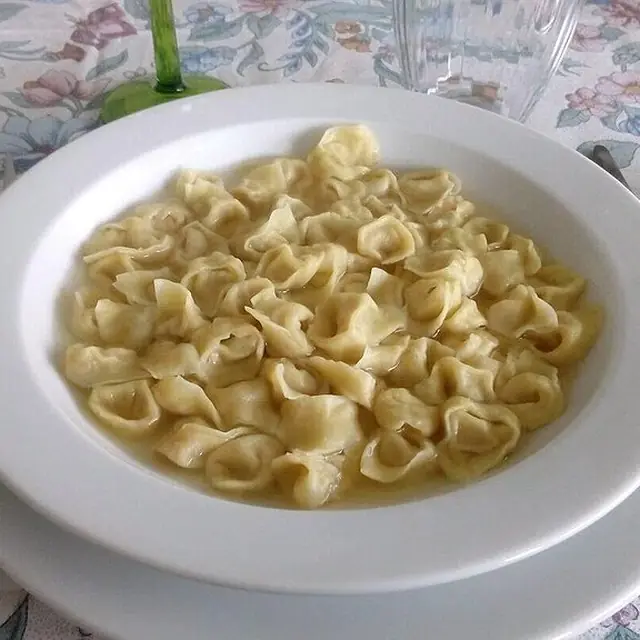
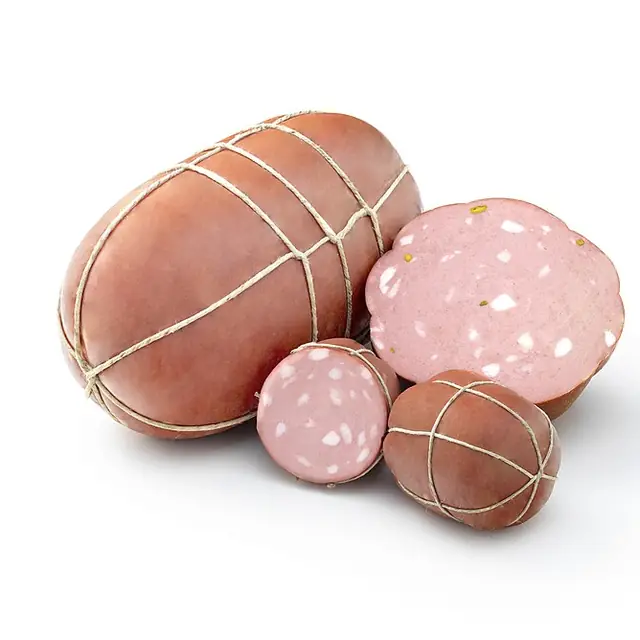
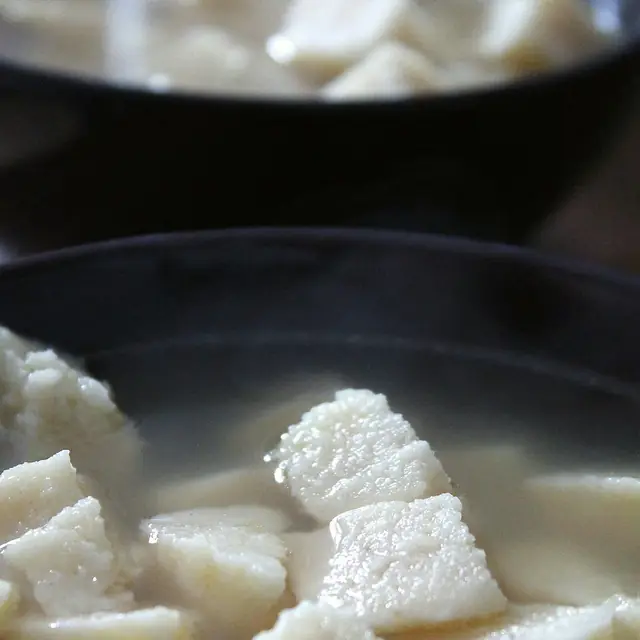
Bologna calls itself La Grassa (the Fat One), and the nickname is older than Italian unification. The city is the gastronomic capital of Emilia-Romagna, the region most Italians will tell you is the best-eating part of the country, and the food map is built on a triangle that no other Italian city can match: fresh egg pasta rolled by hand (tagliatelle, tortellini, tortelloni, lasagne verdi), the salumi DOP roster (Parma's prosciutto, Modena's culatello, Bologna's mortadella, Piacenza's coppa) and the cheese roster (Parmigiano-Reggiano from Reggio Emilia, the Mariola from Piacenza). The classic Bolognese plate is tagliatelle al ragu (the slow-cooked beef-and-pork meat sauce the rest of the world misnames spaghetti bolognese; in Bologna it is always served on hand-rolled tagliatelle, never spaghetti, never with garlic). Tortellini in brodo (the small twisted egg-pasta dumpling, stuffed with prosciutto, mortadella, pork loin and Parmigiano, served in a clear capon broth) is the holiday and Sunday plate. Lasagne alla bolognese, made with green spinach pasta layered with ragu, bechamel and Parmigiano, is the third member of the trinity.
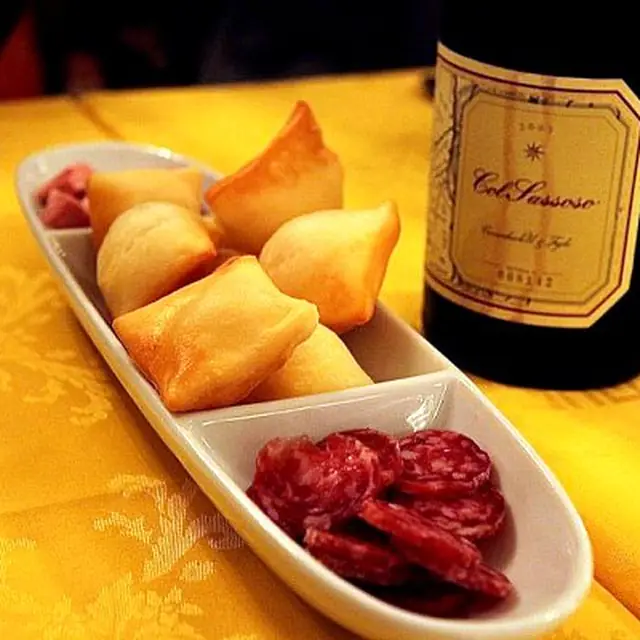
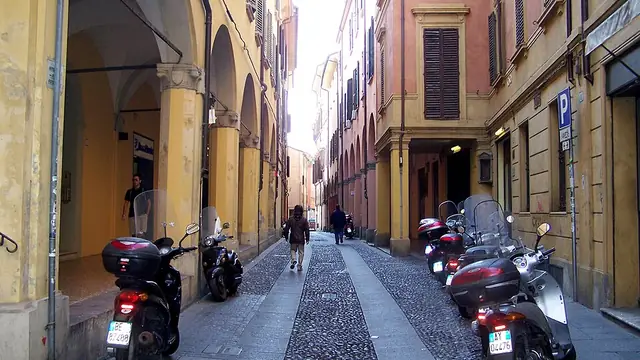
The Bolognese eating day is rigid and old-fashioned. Morning espresso and a brioche at a corner bar. Lunch is the day's main meal, served 12:30-14:30, often with a full primo (pasta) and secondo (meat) plus wine and water. Aperitivo runs 18:00-20:00 with a glass of Pignoletto or Lambrusco and a plate of cured meats with crescentine (the small fried-bread squares the region calls tigelle outside Bologna). Dinner starts at 20:00 and rarely runs past 22:30; the city sleeps early compared to Rome or Naples. The food map is small: the historic center is walkable end-to-end in 20 minutes, the porticoes (38 kilometers of them, the longest covered walkway system in the world, UNESCO since 2021) keep the rain off, and the working markets cluster on a single 200-meter axis.
The Quadrilatero, the medieval grid east of Piazza Maggiore, is the city's working pantry. The Mercato di Mezzo (the indoor market hall) anchors the south end; Tamburini (the 1932 salumeria with prepared food and an attached osteria) sits in the middle; Salumeria Simoni runs the morning prosciutto and mortadella counter on Via Drapperie. Mercato delle Erbe, two blocks west, is the larger covered market locals use. Inside the same walk you have Trattoria Anna Maria for the city's reference tortellini in brodo, Trattoria di Via Serra outside the walls for ragu, Osteria del Sole (the wine-only osteria since 1465, where customers bring their own food). The new touchstone is FICO Eataly World, the 10-hectare food theme park north of the city center opened 2017 by Oscar Farinetti, which deserves a half-day if you have one.
Ragu, tortellini, lasagne: the holy trinity
Ragu alla bolognese is the slow-cooked meat sauce that the rest of the world mistakenly calls spaghetti bolognese. The official 1982 recipe deposited at the Bologna Chamber of Commerce by the Accademia Italiana della Cucina specifies beef (cartella, the diaphragm cut), pancetta, soffritto (carrot, celery, onion), white wine, milk, and tomato paste cooked for 4 to 6 hours. The rules: no garlic, no herbs, served on hand-rolled tagliatelle (the wider egg-pasta ribbon designed for the sauce, never on spaghetti). Tortellini in brodo is the second member of the trinity: a tiny twisted egg-pasta dumpling, traditionally about 5 millimeters across, stuffed with raw prosciutto, mortadella, pork loin, Parmigiano-Reggiano and nutmeg, served in a clear capon or beef broth. The Sfoglina (the Bolognese woman who rolls the pasta) is a real profession, and seeing one work the rolling pin at Sfoglia Rina or Trattoria Anna Maria is half the point of the meal. Lasagne alla bolognese is built with green spinach pasta (lasagne verdi), ragu, bechamel and Parmigiano in five or six layers; the dish is older than the printing press.
The Quadrilatero food market
The Quadrilatero is the dense medieval grid one block east of Piazza Maggiore, the city's working pantry for 800 years. The Mercato di Mezzo (the indoor market hall on Via Clavature, renovated 2014) is the anchor: ground floor produce, butcher, fishmonger, cheese counters, with a small upper-floor cluster of stand-up food bars. Tamburini on Via Caprarie, the 1932 salumeria, runs the city's reference cured-meat counter (mortadella sliced paper-thin, prosciutto di Parma 24 months, Parmigiano-Reggiano 36 months) plus a prepared-food bar and an attached osteria that serves the classic Bolognese plates at lunch. Salumeria Simoni on Via Drapperie is the morning counter for cured meats and a glass of Pignoletto at 11:30. Paolo Atti & Figli on Via Caprarie (since 1880) is the pasta and bread shop where the fresh tortellini and tagliatelle are sold by weight. The whole circuit fits in a 300-meter walk, and a morning grazing crawl with three or four stops costs 30 to 40 euros per person and beats most restaurant lunches.
Osterias, the porticoes and aperitivo
The classic Bolognese osteria is older, smaller and less formal than a trattoria; it usually does not run a full menu, sometimes does not run a kitchen at all (Osteria del Sole, since 1465, sells only wine and lets customers bring food from Tamburini next door), and the focus is on wine, conversation, and a few cured-meat or cheese plates. The reference addresses are Osteria del Sole on Vicolo Ranocchi (the wine-only one), Trattoria Anna Maria on Via delle Belle Arti (since 1980, the reference tortellini in brodo, run by the legendary sfoglina Anna Maria), Trattoria di Via Serra on Via Luigi Serra (outside the walls, the reference ragu, 2 Michelin-recommended), Trattoria del Rosso (the budget classic since 1899), All'Osteria Bottega on Via Santa Caterina (the Slow Food darling). Aperitivo runs 18:00-20:00 with a glass of Pignoletto (the local DOC sparkling white) or Lambrusco (the slightly sparkling red from Modena) and a plate of crescentine (the small fried-bread squares Bologna calls crescentine but the rest of Emilia calls tigelle or gnocco fritto), served with cured meats and squacquerone (the soft local cheese). The porticoes overhead make every walk weather-proof; 38 kilometers of them got UNESCO World Heritage status in 2021.
Modena, Parma, FICO Eataly World
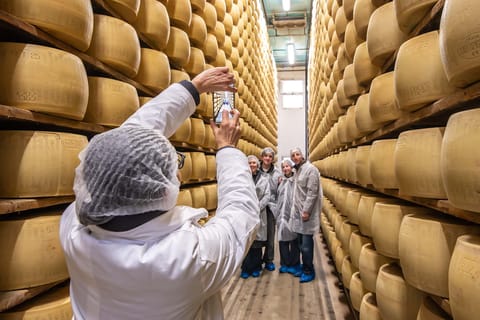
Bologna is the practical base for the Emilia food-tourism axis. Modena, 25 minutes northwest by regional train, is the home of traditional balsamic vinegar (the 12-year and 25-year aged versions from family acetaie, completely different from supermarket balsamic) and three-Michelin-star Osteria Francescana, Massimo Bottura's restaurant that ranked number one on the World's 50 Best in 2016 and 2018. Parma, 1 hour by train, is the prosciutto and Parmigiano-Reggiano capital; the Casa del Prosciutto consortia run morning tours of the curing rooms. Reggio Emilia, 50 minutes by train, is the actual home of Parmigiano-Reggiano (the DOP applies to the cheese made in Reggio Emilia, Modena, Parma, Bologna west of the Reno river, and Mantova south of the Po), and the consortium dairy tours start at 06:00. FICO Eataly World, 25 minutes by bus from the center, is the 10-hectare food theme park opened 2017 by Oscar Farinetti (the Eataly founder), with 40 restaurants, demonstration farms, factories making mozzarella and bread, plus a daily program of classes; allow a full half-day.