Signature dishes
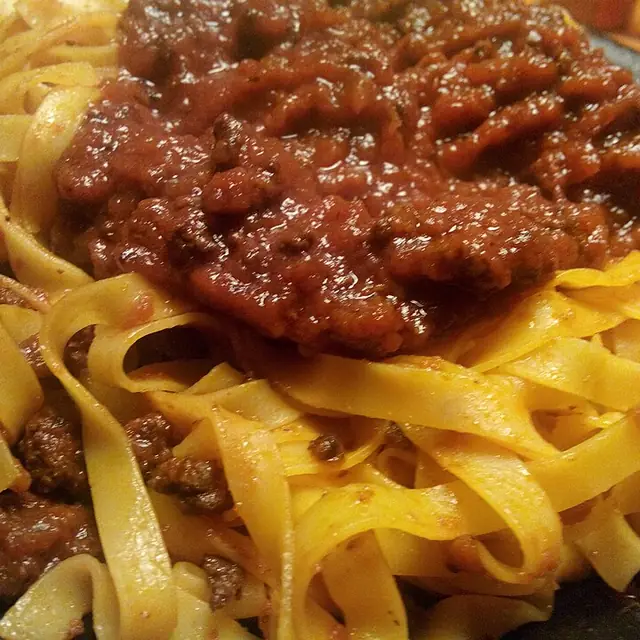
Tagliatelle al ragu alla bolognese is the canonical Bologna pasta: hand-rolled egg tagliatelle dressed with long-cooked minced beef, pancetta, soffritto and tomato. Never spaghetti.
Where: Trattoria Anna Maria, All'Osteria Bottega, Da Cesari, Trattoria di Via Serra, Osteria dell'Orsa
Price: 10-18 euros
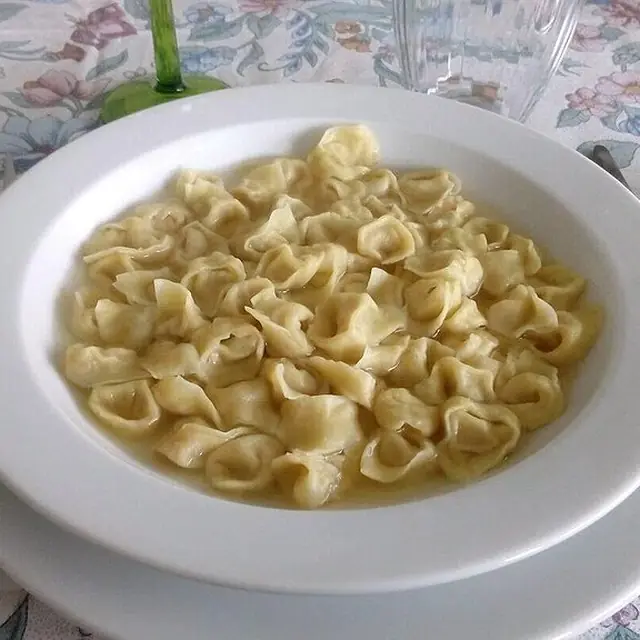
Tortellini in brodo is Bologna's Christmas-and-Sunday pasta: tiny egg-yolk parcels stuffed with mortadella, prosciutto di Parma, pork loin and Parmigiano Reggiano, served floating in a clear capon and beef brodo.
Where: Trattoria Anna Maria, Tamburini, Trattoria Meloncello, All'Osteria Bottega
Price: 12-22 euros
Lasagne verdi alla bolognese is the Sunday-lunch grand-format pasta: spinach-green egg sheets layered with ragu, besciamella and Parmigiano, baked golden in at least seven layers.
Where: Trattoria Anna Maria, Da Cesari, All'Osteria Bottega, Trattoria di Via Serra
Price: 12-20 euros
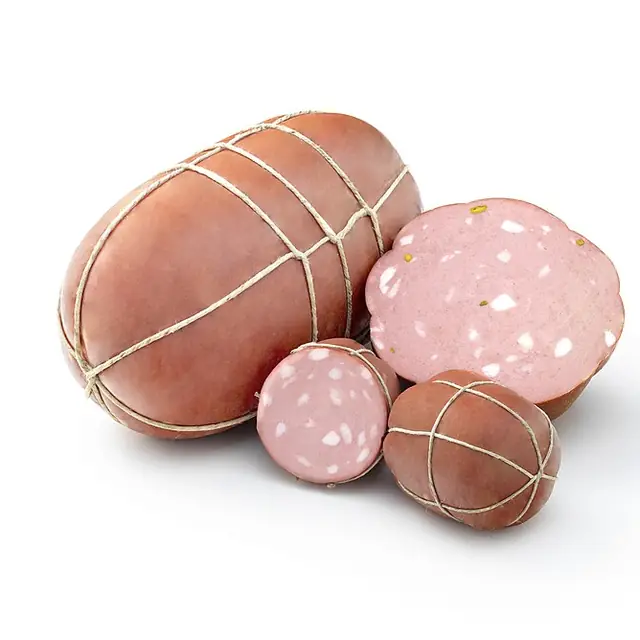
Mortadella di Bologna IGP is the city's defining cured pork: a pink, pistachio-studded, finely emulsified sausage, hot-cooked, served sliced thin as antipasto or stacked in a tigella sandwich at every salumeria counter.
Where: Tamburini, Atti, Paolo Atti & Figli, Salumeria Simoni, Osteria del Sole
Price: 3-8 euros per 100g
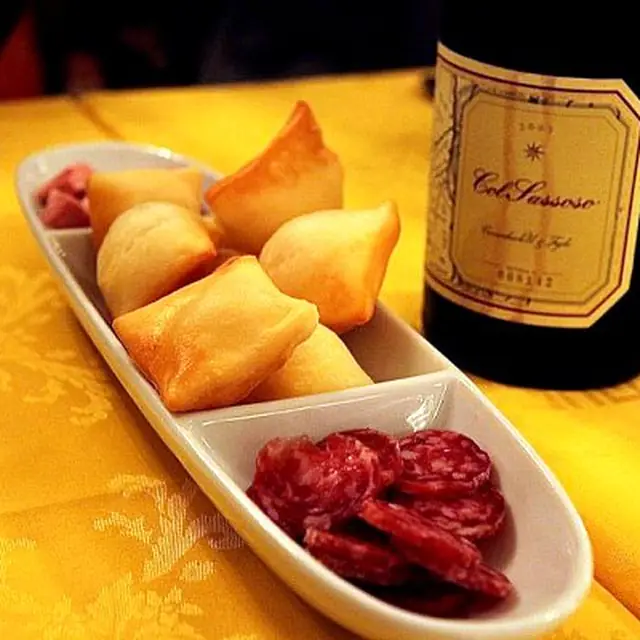
Gnocco fritto is Emilia's puffed pillow of fried bread dough, served hot with a board of mortadella, prosciutto di Parma, salame and squacquerone. Eat warm, pulled apart with the hands.
Where: Trattoria Anna Maria, All'Osteria Bottega, Trattoria di Via Serra, Osteria Broccaindosso
Price: 8-14 euros for a tagliere
Crescentine, also known as tigelle, are small round griddled flatbreads from the Apennine foothills south of Bologna, split hot and stuffed with cunza (lard-and-rosemary paste), mortadella or squacquerone cheese.
Where: Trattoria Anna Maria, Sfoglia Rina, All'Osteria Bottega, Trattoria Meloncello, Osteria Broccaindosso
Price: 7-12 euros for a basket
Tortelloni di ricotta in burro e salvia are Bologna's vegetarian sister to tortellini: larger egg-pasta parcels stuffed with ricotta, Parmigiano and parsley, tossed in brown butter and crispy sage leaves.
Where: Sfoglia Rina, Trattoria Anna Maria, Trattoria Meloncello, Da Cesari, All'Osteria Bottega
Price: 12-18 euros
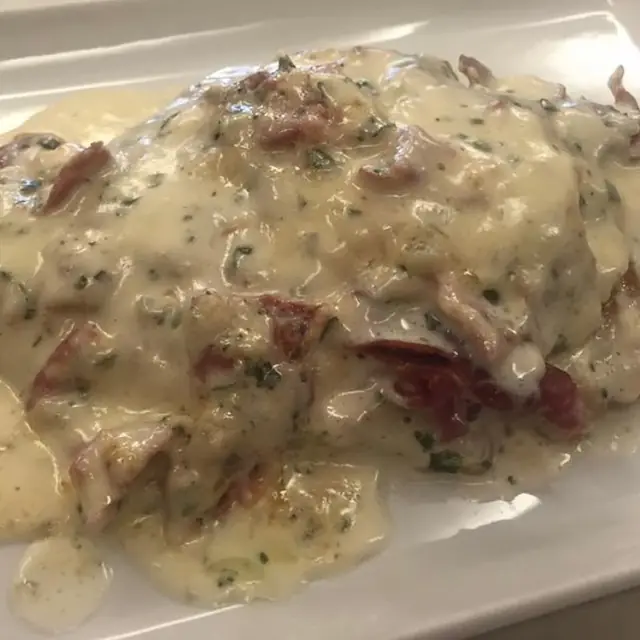
Cotoletta alla bolognese is the city's grand-format escalope: a breaded veal cutlet topped with prosciutto crudo and Parmigiano Reggiano shavings, baked under a glaze of meat broth until the cheese melts.
Where: Trattoria Anna Maria, Da Cesari, Trattoria di Via Serra
Price: 18-28 euros
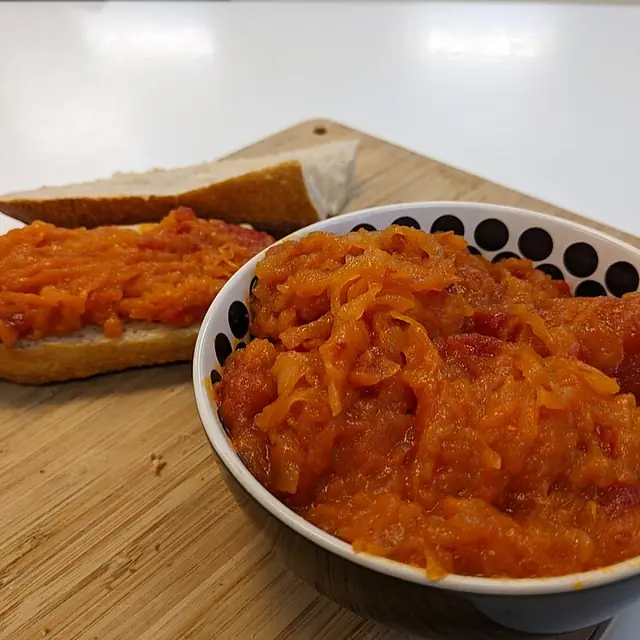
Friggione is Bologna's slow-cooked side dish: white onions, San Marzano tomatoes and salt, simmered for three hours into a dark, sweet jam. Served with bollito misto, polenta or as a salumi-board condiment.
Where: Trattoria di Via Serra, Da Cesari, Tamburini, Trattoria Anna Maria
Price: 5-8 euros as a side
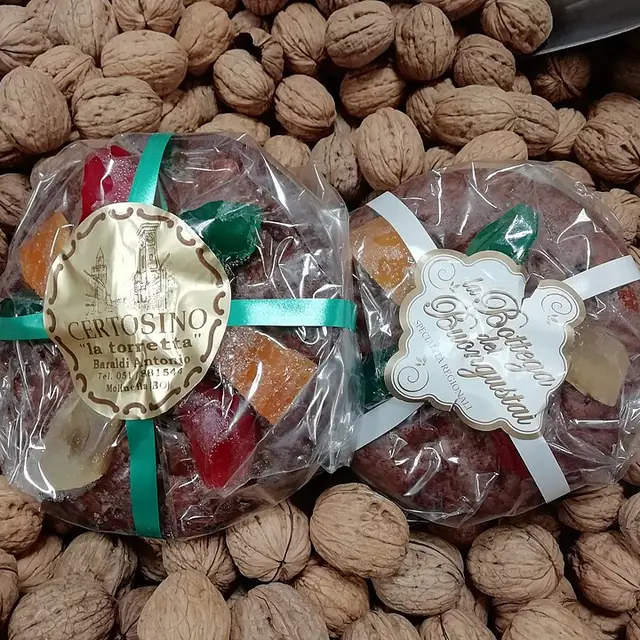
Certosino di Bologna is the city's Christmas spice cake: a dense honey-and-almond loaf studded with candied citron, pine nuts, pinoli and dark chocolate, glazed with honey and aged a fortnight before slicing.
Where: Atti, Paolo Atti & Figli, Tamburini, Pasticceria Impero
Price: 20-30 euros for a 600g loaf
Bolognese eggy bread-and-parmesan dumplings extruded through a passatelli press into simmering capon broth, finished with fresh parmesan. The lighter Emilian alternative to tortellini in brodo.
Where: Trattoria Anna Maria, Sfoglia Rina, All'Osteria Bottega, Ristorante Diana
Price: €11-16
Bolognese baked rice cake: arborio rice simmered in milk with lemon zest, almonds, candied citron and a touch of amaretto, set firm in a tin, baked and served in small diamond-cut pieces.
Where: Sfoglia Rina, Trattoria Anna Maria, Trattoria di Via Serra, Ristorante Diana
Price: €6-10
A wooden board of paper-thin Emilia-Romagna cured meats: mortadella, prosciutto di Parma, culatello, coppa, salame felino, with crescentine and a bowl of squacquerone cheese. The canonical Bologna aperitivo.
Where: Tamburini, Salumeria Simoni, Paolo Atti & Figli
Price: €18-32
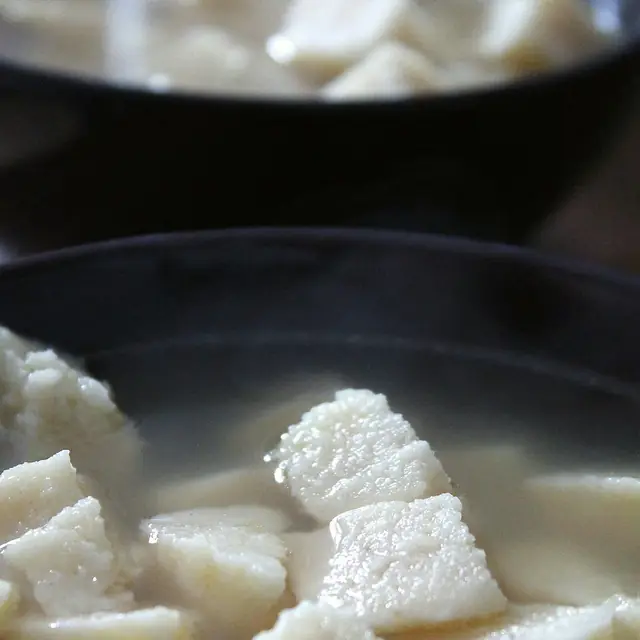
Small golden cubes of baked semolina, egg and parmigiano floating in a clear capon brodo. The lighter, weeknight Bolognese broth, distinct from tortellini in brodo.
Where: Trattoria Anna Maria, Trattoria Battibecco, Ristorante Diana
Price: €10-14
Tagliatelle al ragu
Tagliatelle al ragu alla bolognese is the canonical Bologna pasta: hand-rolled egg tagliatelle dressed with long-cooked minced beef, pancetta, soffritto and tomato. Never spaghetti.
History: The Bolognese ragu took shape in the 18th-century kitchens of the Emilian nobility, with the first written recipe attributed to Pellegrino Artusi's 1891 La Scienza in Cucina. The Camera di Commercio of Bologna deposited the official legal recipe on 17 October 1982: minced beef cartella, pancetta, soffritto of carrot-celery-onion, tomato passata, white wine, milk and beef stock, simmered three hours and bound to tagliatelle 8mm wide. The same Camera deposited the legal tagliatelle width: 8mm cooked, the 12,270th part of the Torre Asinelli height. Trattoria Anna Maria and All'Osteria Bottega serve canonical versions.
Where to try it: Trattoria Anna Maria, All'Osteria Bottega, Da Cesari, Trattoria di Via Serra, Osteria dell'Orsa
Watch out for: Gluten, Egg, Dairy
Tortellini in brodo
Tortellini in brodo is Bologna's Christmas-and-Sunday pasta: tiny egg-yolk parcels stuffed with mortadella, prosciutto di Parma, pork loin and Parmigiano Reggiano, served floating in a clear capon and beef brodo.
History: The tortellino reached its modern form in the 16th-century kitchens of the Emilian nobility, with Bologna and Modena both claiming origin. The legend places it at a Castelfranco Emilia tavern, where an innkeeper modelled the pasta on a noblewoman's navel. The Confraternita del Tortellino deposited the legal recipe with the Camera di Commercio of Bologna on 7 December 1974: pork loin, prosciutto di Parma, mortadella, Parmigiano Reggiano, egg and nutmeg, hand-folded into 5g parcels and served only in capon brodo. Trattoria Anna Maria, Diana and Tamburini serve the canonical version.
Where to try it: Trattoria Anna Maria, Tamburini, Trattoria Meloncello, All'Osteria Bottega
Watch out for: Gluten, Egg, Dairy
Lasagne verdi alla bolognese
Lasagne verdi alla bolognese is the Sunday-lunch grand-format pasta: spinach-green egg sheets layered with ragu, besciamella and Parmigiano, baked golden in at least seven layers.
History: The Bolognese lasagne reached its modern form in the 19th-century kitchens of the Emilian noble houses, with the green pasta (sfoglia verde) made by working blanched spinach into the egg dough a Bolognese signature. Pellegrino Artusi's 1891 cookbook recorded a Bolognese maccheroni-and-besciamella bake that is the direct ancestor; the formal lasagne verdi recipe was deposited with the Accademia Italiana della Cucina in 2003. The canonical version layers at least seven sheets with ragu, besciamella and Parmigiano, the top layer always finished with breadcrumb-and-butter for the crust. Trattoria Anna Maria, Diana, Da Cesari and All'Osteria Bottega all serve the Sunday-lunch version.
Where to try it: Trattoria Anna Maria, Da Cesari, All'Osteria Bottega, Trattoria di Via Serra
Watch out for: Gluten, Egg, Dairy
Mortadella di Bologna IGP
Mortadella di Bologna IGP is the city's defining cured pork: a pink, pistachio-studded, finely emulsified sausage, hot-cooked, served sliced thin as antipasto or stacked in a tigella sandwich at every salumeria counter.
History: Mortadella has been cured in Bologna since the 14th century, with the first formal regulation issued in 1661 by Cardinal Farnese defining the legal pork-and-spice ratio. The name derives from the Roman mortarium (mortar) used to pound the pork. The IGP designation was granted by the European Commission on 12 June 1998, restricting production to Emilia-Romagna and four neighbouring regions, and codifying the cubes of throat-fat at 15 percent, the pistachio garnish and the slow steam cooking. Tamburini, Atti and Salumeria Simoni all slice it to order at the counter.
Where to try it: Tamburini, Atti, Paolo Atti & Figli, Salumeria Simoni, Osteria del Sole
Watch out for: Pistachio
Gnocco fritto
Gnocco fritto is Emilia's puffed pillow of fried bread dough, served hot with a board of mortadella, prosciutto di Parma, salame and squacquerone. Eat warm, pulled apart with the hands.
History: Gnocco fritto, also known as crescentina fritta or torta fritta depending on the Emilian sub-region, has been a peasant tavern food since the 16th century. The dough is lard-enriched yeast bread, rolled thin and deep-fried in lard or oil, served immediately while it still puffs. In Bologna and Modena it is served as antipasto with the salumi board; in Reggio Emilia it is wrapped around the meat. The dish travels with the local wine, Lambrusco, which the bubbles in the gnocco are said to imitate. Diana, Trattoria Anna Maria, La Vecchia Scuola Bolognese and many neighbourhood osterias serve it; the fresh-fried version arrives hot enough to burn fingers.
Where to try it: Trattoria Anna Maria, All'Osteria Bottega, Trattoria di Via Serra, Osteria Broccaindosso
Watch out for: Gluten, Dairy
Crescentine (tigelle)
Crescentine, also known as tigelle, are small round griddled flatbreads from the Apennine foothills south of Bologna, split hot and stuffed with cunza (lard-and-rosemary paste), mortadella or squacquerone cheese.
History: Crescentine take their name from the terracotta tigella discs, traditionally heated in the fire and used to cook the dough between two layers. The hill villages of the Modenese and Bolognese Apennines (Zocca, Vergato, Castel d'Aiano) have made them for at least 600 years; the recipe is a simple lard-flour-milk dough cooked in cast-iron pans now. The classic filling is cunza, a paste of pounded lard, garlic, rosemary and Parmigiano, plus a slice of mortadella or prosciutto. Trattoria Anna Maria, Sfoglia Rina and the agriturismi south of Bologna serve them by the basket; the bread arrives hot, the salumi board cold.
Where to try it: Trattoria Anna Maria, Sfoglia Rina, All'Osteria Bottega, Trattoria Meloncello, Osteria Broccaindosso
Watch out for: Gluten, Dairy
Tortelloni burro e salvia
Tortelloni di ricotta in burro e salvia are Bologna's vegetarian sister to tortellini: larger egg-pasta parcels stuffed with ricotta, Parmigiano and parsley, tossed in brown butter and crispy sage leaves.
History: Tortelloni are the larger, ricotta-stuffed cousin of tortellini, a Friday and Lenten-day pasta in the Catholic calendar that became year-round osteria standard. The Accademia Italiana della Cucina deposited the legal Bolognese tortellone recipe in 1990: fresh cow's-milk ricotta, Parmigiano Reggiano, parsley and nutmeg, hand-folded into 10g parcels. The traditional sauce is burro fuso e salvia (melted butter with crispy sage), and the canonical garnish is more grated Parmigiano on top. Sfoglia Rina, Trattoria Anna Maria and Trattoria Meloncello all serve them, often as the second pasta course in a long Sunday lunch.
Where to try it: Sfoglia Rina, Trattoria Anna Maria, Trattoria Meloncello, Da Cesari, All'Osteria Bottega
Watch out for: Gluten, Egg, Dairy
Cotoletta alla bolognese
Cotoletta alla bolognese is the city's grand-format escalope: a breaded veal cutlet topped with prosciutto crudo and Parmigiano Reggiano shavings, baked under a glaze of meat broth until the cheese melts.
History: The Bolognese cotoletta emerged in the 19th-century kitchens of the Emilian bourgeoisie as a richer cousin to the Milanese veal escalope. The Accademia Italiana della Cucina deposited the legal recipe with the Camera di Commercio of Bologna on 14 October 2004: a breaded veal cutlet, topped with prosciutto crudo di Parma, Parmigiano Reggiano 24-month, finished in the oven with a glaze of meat broth and butter, never with tomato. The 2004 deposit was a direct response to tourist menus passing off a tomato-and-mozzarella veal milanese as bolognese. Trattoria Anna Maria, Diana, Da Cesari and Trattoria di Via Serra all serve the canonical baked version.
Where to try it: Trattoria Anna Maria, Da Cesari, Trattoria di Via Serra
Watch out for: Gluten, Egg, Dairy
Friggione
Friggione is Bologna's slow-cooked side dish: white onions, San Marzano tomatoes and salt, simmered for three hours into a dark, sweet jam. Served with bollito misto, polenta or as a salumi-board condiment.
History: Friggione is the everyday Bolognese countryside dish that arrived in the city in the 19th century through the contadino kitchens. The Accademia Italiana della Cucina deposited the legal recipe with the Camera di Commercio of Bologna on 23 January 2009: 1kg white onions, 500g peeled tomatoes, sea salt, no garlic, no herbs, slow-cooked uncovered three hours over very low heat until the onions break down into a dark, jam-like glaze. The 2009 deposit settled the long Bolognese kitchen argument over whether olive oil or lard was canonical (the answer: olive oil). Trattoria di Via Serra, Da Cesari and Diana serve it as a side; Tamburini sells it by the tub at the counter.
Where to try it: Trattoria di Via Serra, Da Cesari, Tamburini, Trattoria Anna Maria
Certosino di Bologna
Certosino di Bologna is the city's Christmas spice cake: a dense honey-and-almond loaf studded with candied citron, pine nuts, pinoli and dark chocolate, glazed with honey and aged a fortnight before slicing.
History: Certosino, also called panone in dialect, takes its name from the Certosa di Bologna monastery, where the Carthusian monks baked it from the 14th century onward as a Christmas alms-loaf for the city's poor. The recipe codified in the 16th century: a dense flour-honey-spice base with candied citron, pinoli, almonds and dark chocolate, baked low and aged at least two weeks before cutting. The Confraternita del Certosino was founded in 1997 to defend the canonical recipe; Atti, Paolo Atti & Figli and Pasticceria Maccaferri all bake it from late November to Epiphany. The cake keeps two months wrapped; one slice with espresso closes a Bolognese Christmas lunch.
Where to try it: Atti, Paolo Atti & Figli, Tamburini, Pasticceria Impero
Watch out for: Gluten, Tree nut, Egg
Passatelli in brodo
Bolognese eggy bread-and-parmesan dumplings extruded through a passatelli press into simmering capon broth, finished with fresh parmesan. The lighter Emilian alternative to tortellini in brodo.
History: Passatelli are an Emilian creation born of thrift: a way to use stale bread and parmesan rind, extruded into broth instead of made into pasta. The dish dates to the 16th century, with documented Bolognese and Romagnolo versions. The dish appears at every traditional Christmas and Easter table in Emilia-Romagna alongside tortellini in brodo, and stays on every Bologna trattoria menu as the colder-season first course. Trattoria Anna Maria and Sfoglia Rina plate the canonical Bolognese version.
Where to try it: Trattoria Anna Maria, Sfoglia Rina, All'Osteria Bottega, Ristorante Diana
Watch out for: Gluten, Egg, Dairy
Torta di riso bolognese
Bolognese baked rice cake: arborio rice simmered in milk with lemon zest, almonds, candied citron and a touch of amaretto, set firm in a tin, baked and served in small diamond-cut pieces.
History: Torta di riso has been on Bolognese tables since at least the 16th century, when the dish appears in court cookbooks of the Este duchy. It became the classic dessert of San Petronio (Bologna's patron saint) on 4 October and Easter Monday. The diamond cut is the canonical Bolognese serving format. Pasticceria Atti and Sfoglia Rina sell it across the year; every Bologna trattoria with a dessert tradition keeps a slice on the counter for the after-lunch espresso.
Where to try it: Sfoglia Rina, Trattoria Anna Maria, Trattoria di Via Serra, Ristorante Diana
Watch out for: Dairy, Egg, Tree nuts
Tagliere di salumi misti
A wooden board of paper-thin Emilia-Romagna cured meats: mortadella, prosciutto di Parma, culatello, coppa, salame felino, with crescentine and a bowl of squacquerone cheese. The canonical Bologna aperitivo.
History: The salumi tradition of Emilia-Romagna is centuries old and DOP-protected: prosciutto di Parma since 1996, mortadella di Bologna since 1998, culatello di Zibello since 1996, salame felino since 2013. The tagliere as an aperitivo format took its modern shape in the postwar Bologna salumeria boom, when shops like Tamburini and Salumeria Simoni began offering counter seating with sliced-to-order boards.
Where to try it: Tamburini, Salumeria Simoni, Paolo Atti & Figli
Watch out for: Dairy, Gluten
Zuppa Imperiale
Small golden cubes of baked semolina, egg and parmigiano floating in a clear capon brodo. The lighter, weeknight Bolognese broth, distinct from tortellini in brodo.
History: Zuppa Imperiale is a quintessentially Bolognese first course, served at family Sunday lunches across Emilia from the 19th century onward. The egg-and-semolina batter is baked in a flat tin to a soft cake, cooled, and cut into 1cm cubes that hold their shape in the broth. It is the home-cooking counterpart to the more elaborate tortellini in brodo, and remains on the menus of traditional trattorias such as Trattoria Anna Maria, Trattoria Battibecco and Diana.
Where to try it: Trattoria Anna Maria, Trattoria Battibecco, Ristorante Diana
Watch out for: Gluten, Egg, Dairy