
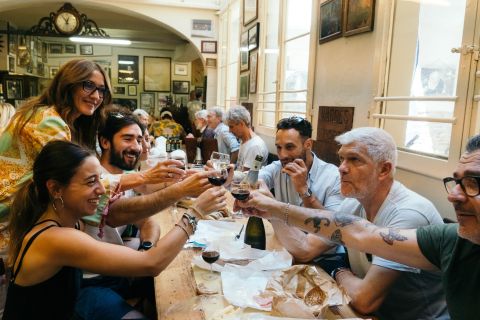
Bologna
Guided tour · 3 hours
Bologna: Walking Food Tour with a Local Expert
Experience Bologna's culture and local cuisine on this guided food tour. Try Italian delicacies, local wine, gelato, and different types of cheese as...
from€83Check dates
29 editor-picked sichuan restaurants across 15 cities.
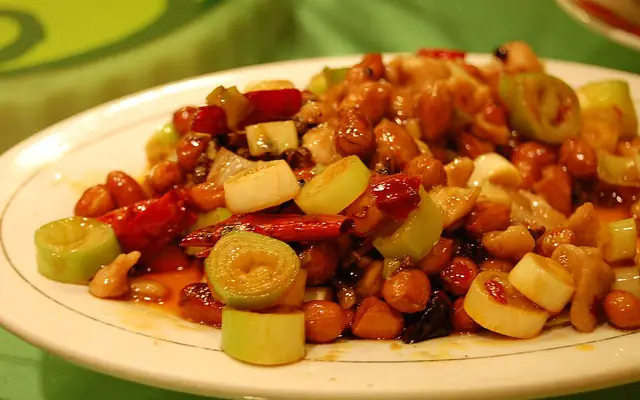
Sichuan cuisine (Chuan caixi) is the food of Sichuan province and Chongqing municipality in southwestern China, and the second-most globally exported Chinese tradition after Cantonese. It is defined by mala, the combination of la (the burning heat of dried chile) and ma (the tingling, electric numbness of Sichuan peppercorn, huajiao). The two together produce a sensation that diners describe as their lips going slightly cold, the tongue going briefly tingly, and a slow burn underneath. The mala combination is the regional signature; outside of southwestern China, no other Chinese tradition uses it as the central seasoning grammar.
But Sichuan is not a monolith of heat. The Sichuan cookbook recognizes 23 codified flavor profiles (fu zhi wei), of which only a handful involve significant heat. Yu xiang (fish-fragrant: sweet, sour, salty, mildly spicy), guai wei (strange-flavor: cold sesame, soy, vinegar, chile oil, sugar, ginger, garlic, peanut), suan la (sour-and-hot), zhi ma (sesame), jiao yan (pepper-salt), and gan shao (dry-braise) all exist alongside the mala variants. The Sichuan vegetable repertoire, the cold-appetizer tradition, and the slow-braise (hong shao) category are all minimally spicy. The narrowing of Sichuan in Western perception to red oil and tongue-burn is unfair to the cuisine.
The key ingredients are doubanjiang (Pixian-fermented broad bean paste, the regional MSG), Pixian doubanjiang (the protected geographic-indication version, made in Pixian county), dried chiles (er jing tiao, da hong pao, chao tian jiao), Sichuan peppercorn (the Hanyuan and Maowen varieties are top-grade), fermented black bean, ya cai (preserved mustard greens from Yibin), and zhacai (preserved mustard tuber). The classic Sichuan kitchen smells of doubanjiang frying in chile oil; this is the foundation aroma of the cuisine.
Tours, tastings and classes from the cities on this page, bookable on GetYourGuide.
Guided tour · 3 hours
Experience Bologna's culture and local cuisine on this guided food tour. Try Italian delicacies, local wine, gelato, and different types of cheese as...
Guided tour · 3 hours
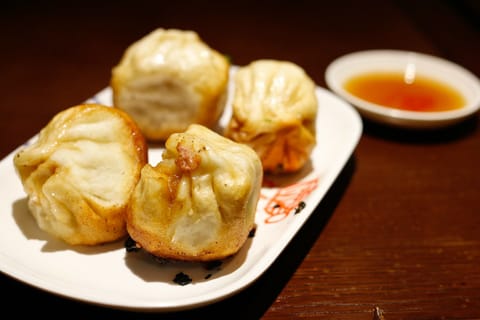
Sample 10-15 traditional dishes from Shanghai on a tasting food tour in the former French Concession. Try some of the best dumplings in the city and...

Guided tour · 3 hours
Eat like a local! Taste 10+ Hong Kong classics, dim sum, BBQ pork, egg tarts & more. Explore hidden alleys, colonial history & food stories with a...

Day trip · 8 hours
Experience the fine wines and beautiful scenery of Napa and Sonoma on a guided day trip from San Francisco.
The best-scored sichuan place in each of 12 cities.
Han Dynasty in Philadelphia is Han Chiang's Sichuan room on Chestnut, the kitchen that ranked the spice scale 1 to 10 and made the city order dan dan noodles.
OrderDan dan noodles, dry-pot rabbit at heat 7, three-pepper chicken, mapo tofu.
TipOrder one dish below the heat level you think you can handle. The 10 scale is honest.
Chengdu Gourmet in Squirrel Hill serves chef Wei Zhu's Sichuan cooking in Pittsburgh. A James Beard nominee with a separate, fierier Sichuan-specialties menu.
OrderOrder off the Sichuan menu: mapo tofu, dan dan noodles and whatever is dressed in chili oil.
TipAsk for the Sichuan menu, not the standard American-Chinese one. Cash and card both fine; expect a wait at peak.
Mala Sichuan Bistro in Houston is the Bellaire Boulevard Sichuan room since 2011, a Michelin-recommended kitchen with serious mapo tofu, dan dan noodles.
OrderMapo tofu, dan dan noodles, dry-fried green beans, chilli-oil dumplings.
TipCold appetiser cabinet near the door has marinated beef and tendon that are the menu's quiet stars.
Kwei Fei in Charleston runs David Schuttenberg's Sichuan kitchen from a James Island room next to the Pour House. Lamb dumplings, dry-rubbed wings.
OrderLamb dumplings, dry-rubbed Four Rivers wings, mapo tofu
Why locals goJames Island Sichuan-only restaurant next to the Charleston Pour House, the city's longest-running serious Chinese kitchen and far off the King Street circuit.
TipWalk-in, reservations on Resy for parties of 4 or more. Open Tue-Sat dinner only; the chili oil dessert always sells out.
NiHao on Boston Street in Canton is chef Peter Chang's Baltimore room, plating Peking duck, dim sum and dumplings in a busy waterfront rowhouse.
OrderThe Peking duck and a spread of dumplings and dim sum.
TipWeekend dim sum brunch is the move; reserve, because the rowhouse seats fill fast.
Wing Lai Yuen in Hung Hom is Hong Kong's destination for Sichuan dan dan noodles, originally a Wong Tai Sin village stall that moved to Whampoa Garden's food.
OrderDan dan noodles with ground pork.
TipOrder the dan dan with ground pork and ask for the mild broth on the side; you'll want both ends of the heat scale.
Z & Y in San Francisco is the Chinatown Sichuan room that hosted Obama, with a benchmark dry-fried chicken and a real numbing-spice score on the page.
OrderChongqing chicken: dry-fried with handfuls of Sichuan peppercorns and chillies.
TipAsk for the dan dan noodles 'house style' to get the version the kitchen makes for itself; off the menu.
Lao Chuan Ban opened in 1979 as Sichuan's Beijing office restaurant and has served homestyle Sichuan dishes to the public since 1995, in a hutong in Beijing.
OrderMouth-watering chicken in peanut and sesame sauce, fuqi feipian and maoxuewang.
TipThe restaurant opened in 1979 for the Sichuan provincial office; Ctrip lists a waiting area, free Wi-Fi and baby chairs, so arrive early at mealtimes.
Manchester's Princess Street Sichuan hotpot, kitchen open until 01:00 daily. Mala and clear chicken double broth, sliced wagyu and meatballs by the platter.
TrySichuan mala hotpot
Hwa Yuan on East Broadway brought Sichuan cooking to New York City Chinatown in 1968, closed in 1992, and was rebuilt by the founder's family in 2017.
OrderCold sesame noodles to start, General Tso's chicken in the founder's original sweet-and-savoury glaze.
TipThe cold sesame noodles claim to be the original American version; whether or not you buy that, order them.
The Dumpling Lady at Optimist Hall in Charlotte runs handmade Sichuan dumplings and noodle bowls under $15, a quick-service food-hall counter built around.
TrySichuan dumplings
TipCounter-order. The dumpling-and-noodle combo is the value play.
Tan Sichuan Cuisine at Yu Gardens in Shanghai holds a Bib Gourmand for Chengdu-style Sichuan food with a Nine-Turn Bridge view from upstairs.
OrderOrder the saliva chicken in chili oil and the whole fish cooked yuxiang style.
TipIt carries backing from Chengdu's THE BRIDGE but runs its own menu; the dan dan noodles and mapo tofu are also strong here.
Han Dynasty in Philadelphia is Han Chiang's Sichuan room on Chestnut, the kitchen that ranked the spice scale 1 to 10 and made the city order dan dan noodles.
OrderDan dan noodles, dry-pot rabbit at heat 7, three-pepper chicken, mapo tofu.
TipOrder one dish below the heat level you think you can handle. The 10 scale is honest.
Chengdu Gourmet in Squirrel Hill serves chef Wei Zhu's Sichuan cooking in Pittsburgh. A James Beard nominee with a separate, fierier Sichuan-specialties menu.
OrderOrder off the Sichuan menu: mapo tofu, dan dan noodles and whatever is dressed in chili oil.
TipAsk for the Sichuan menu, not the standard American-Chinese one. Cash and card both fine; expect a wait at peak.
Mala Sichuan Bistro in Houston is the Bellaire Boulevard Sichuan room since 2011, a Michelin-recommended kitchen with serious mapo tofu, dan dan noodles.
OrderMapo tofu, dan dan noodles, dry-fried green beans, chilli-oil dumplings.
TipCold appetiser cabinet near the door has marinated beef and tendon that are the menu's quiet stars.
Kwei Fei in Charleston runs David Schuttenberg's Sichuan kitchen from a James Island room next to the Pour House. Lamb dumplings, dry-rubbed wings.
OrderLamb dumplings, dry-rubbed Four Rivers wings, mapo tofu
Why locals goJames Island Sichuan-only restaurant next to the Charleston Pour House, the city's longest-running serious Chinese kitchen and far off the King Street circuit.
TipWalk-in, reservations on Resy for parties of 4 or more. Open Tue-Sat dinner only; the chili oil dessert always sells out.
NiHao on Boston Street in Canton is chef Peter Chang's Baltimore room, plating Peking duck, dim sum and dumplings in a busy waterfront rowhouse.
OrderThe Peking duck and a spread of dumplings and dim sum.
TipWeekend dim sum brunch is the move; reserve, because the rowhouse seats fill fast.
Wing Lai Yuen in Hung Hom is Hong Kong's destination for Sichuan dan dan noodles, originally a Wong Tai Sin village stall that moved to Whampoa Garden's food.
OrderDan dan noodles with ground pork.
TipOrder the dan dan with ground pork and ask for the mild broth on the side; you'll want both ends of the heat scale.
Z & Y in San Francisco is the Chinatown Sichuan room that hosted Obama, with a benchmark dry-fried chicken and a real numbing-spice score on the page.
OrderChongqing chicken: dry-fried with handfuls of Sichuan peppercorns and chillies.
TipAsk for the dan dan noodles 'house style' to get the version the kitchen makes for itself; off the menu.
Lao Chuan Ban opened in 1979 as Sichuan's Beijing office restaurant and has served homestyle Sichuan dishes to the public since 1995, in a hutong in Beijing.
OrderMouth-watering chicken in peanut and sesame sauce, fuqi feipian and maoxuewang.
TipThe restaurant opened in 1979 for the Sichuan provincial office; Ctrip lists a waiting area, free Wi-Fi and baby chairs, so arrive early at mealtimes.
Yibin Guesthouse in Xizhong Hutong, Beijing, is a Bib Gourmand Sichuan kitchen run by chefs from Yibin, known for Lizhuang boiled pork and Yibin noodles.
OrderLizhuang boiled pork and Yibin noodles with bean sprouts.
Why locals goA hutong address with a guesthouse name; Michelin notes no reservations, so expect to queue for over an hour at mealtimes.
TipReservations are not taken and queues can pass an hour, so go outside peak mealtimes; a July 2025 guide lists it open 10:30 to 20:00 daily.
Manchester's Princess Street Sichuan hotpot, kitchen open until 01:00 daily. Mala and clear chicken double broth, sliced wagyu and meatballs by the platter.
TrySichuan mala hotpot
Hwa Yuan on East Broadway brought Sichuan cooking to New York City Chinatown in 1968, closed in 1992, and was rebuilt by the founder's family in 2017.
OrderCold sesame noodles to start, General Tso's chicken in the founder's original sweet-and-savoury glaze.
TipThe cold sesame noodles claim to be the original American version; whether or not you buy that, order them.
The Dumpling Lady at Optimist Hall in Charlotte runs handmade Sichuan dumplings and noodle bowls under $15, a quick-service food-hall counter built around.
TrySichuan dumplings
TipCounter-order. The dumpling-and-noodle combo is the value play.
Ji Chuan, on the ground floor of the Atour Hotel on West Dawang Road, is Michelin Selected for Chongqing-leaning Sichuan cooking and bingfen in Beijing.
OrderOrder the mapo tofu with marbled beef and the pickled chillies with peach kernels, then the bingfen.
TipExpect an intense tingly numbness from the signatures; the bingfen dessert and the array of alcoholic drinks help put out the flames.
Han Dynasty's East Village outpost runs Chengdu-style numbing-spicy Sichuan in New York City. The dan dan and the dry pot are the room's calibration plates.
OrderDan dan noodles, dry pot fish, cucumber salad to cool.
TipThe spice scale runs 1 to 10; the menu says 7 is hot, the kitchen means it. Start at 5.
Tan Sichuan Cuisine at Yu Gardens in Shanghai holds a Bib Gourmand for Chengdu-style Sichuan food with a Nine-Turn Bridge view from upstairs.
OrderOrder the saliva chicken in chili oil and the whole fish cooked yuxiang style.
TipIt carries backing from Chengdu's THE BRIDGE but runs its own menu; the dan dan noodles and mapo tofu are also strong here.
Chilli Daddy numbs Bristol with Sichuan pepper at its Baldwin Street restaurant, noodle boxes and dandan noodles built on family recipes from Sichuan.
TrySichuan noodle boxes and dandan noodles
TipOrder the dandan noodles at the heat level below your pride; Uber Eats delivery covers the nights you cannot face the walk.
Amole in Bologna is chef Chao Zeng's Sichuan dining room on Via Riva di Reno, with an open kitchen, a tea and cocktail bar and a menu rooted in Sichuan food.
OrderGo for the Sichuan classics, and take a tea or a cocktail at the bar first.
TipClosed Wednesday lunch and Sunday dinner. Reserve through the booking page linked from the site; the info email does not take reservations.
Rong Rong Yuan is a 1949-wave sichuan-hunanese counter tucked off hangzhou south road, mapo tofu and dan dan canon for locals who skip the yongkang queues.
Why locals goA 1949-wave Sichuan-Hunanese counter tucked off Hangzhou South Road, mapo tofu and dan dan canon for locals who skip the Yongkang queues.
TipWalk-ins only; turnover is fast.
Sichuan Citizen on Wukang Road in Shanghai serves amply spiced Sichuan classics and cocktails in a bamboo-clad room, from the team behind Citizen Cafe.
OrderPepper beef, a stone pot dish and the twice-fried eggplant.
TipThe two-storey restaurant handles groups well; at busy times it can take a while to flag down a server.
 Beijing9 places
Lao Chuan Ban, Yibin Guesthouse (Nancuihua Street)
Beijing9 places
Lao Chuan Ban, Yibin Guesthouse (Nancuihua Street)
 Philadelphia3 places
Han Dynasty
Philadelphia3 places
Han Dynasty
 Houston2 places
Mala Sichuan Bistro
Houston2 places
Mala Sichuan Bistro
 Manchester2 places
No.8 Hotpot
Manchester2 places
No.8 Hotpot
 New York City2 places
Hwa Yuan Szechuan, Han Dynasty
New York City2 places
Hwa Yuan Szechuan, Han Dynasty
 Shanghai2 places
Tan Sichuan Cuisine, Sichuan Citizen
Shanghai2 places
Tan Sichuan Cuisine, Sichuan Citizen
 Baltimore1 place
NiHao
Baltimore1 place
NiHao
 Bologna1 place
Amole
Bologna1 place
Amole
 Bristol1 place
Chilli Daddy
Bristol1 place
Chilli Daddy
 Charleston1 place
Kwei Fei
Charleston1 place
Kwei Fei
 Charlotte1 place
The Dumpling Lady at Optimist Hall
Charlotte1 place
The Dumpling Lady at Optimist Hall
 Hong Kong1 place
Wing Lai Yuen
Hong Kong1 place
Wing Lai Yuen
 Pittsburgh1 place
Chengdu Gourmet
Pittsburgh1 place
Chengdu Gourmet
 San Francisco1 place
Z & Y Restaurant
San Francisco1 place
Z & Y Restaurant
 Taipei1 place
Rong Rong Yuan
Taipei1 place
Rong Rong Yuan
The refined Sichuan. More cold appetizers, more nuanced flavor combinations, smaller portions, deeper cookbook breadth. The 23 flavor profiles are most rigorously taught here. Chongqing-style hotpot is considered a separate cuisine.
Aggressive, oilier, fierier. Chongqing-style hotpot (the red-oil mala broth) is the regional symbol. Xiaomian (Chongqing breakfast noodles), spicy fish (shui zhu yu), and shao kao (grilled skewers) define the city. Less subtle than Chengdu.
The southwestern Sichuan tradition. Salt-and-pepper grammar (Zigong is historically a salt-mining town), with even more aggressive heat than Chongqing. Cold rabbit (leng chi tu), salted-and-spiced dishes. Considered the most aggressive Sichuan sub-tradition.
Strong street-food traditions; bo bo ji (skewer-pot, similar to small-format hotpot for one), tian shui mian (sweet-water noodles), local snacks. Often more affordable and more experimental than the bigger cities.
At a Sichuan restaurant, balance the order across flavor profiles. A four-person meal might include one cold appetizer (mouth-watering chicken or strange-flavor rabbit), one mala dish (mapo doufu), one fish-fragrant dish (yu xiang rou si), one non-spicy braise or vegetable, one soup, plus rice. Do not order four mala dishes; the meal becomes one-note. At a hotpot restaurant, choose the broth (mala, clear, or yin-yang split), then order raw ingredients to cook: beef, lamb, duck blood, beef tripe, mushroom, lotus root, potato, tofu, noodles. The dipping sauce is sesame oil with chopped garlic, cilantro, and scallion; build your own. Beer (Snow, Tsingtao) or sweetened soy milk to cool the heat. The rookie mistakes are eating Sichuan peppercorns directly (they are seasoning, not food; the numbing is shocking when concentrated), reaching for water to fight chile heat (water does not work; sweet drinks or dairy do), and treating mala as 'spicy Chinese food' (the cuisine has 20-plus other flavor profiles).
Beer is the universal Sichuan pair: Tsingtao, Snow, Yanjing, and locally brewed pilsners cut the chile oil. Sweetened cold drinks (douhua sweet tofu pudding, sweet soy milk, herbal grass jelly) cool the heat between bites. Tea: pu'er and bo lei to cut the oil, jasmine for milder courses. Baijiu (the clear Chinese sorghum spirit) is the toasting alcohol at banquets, especially with mala. Wine pairing is challenging because of the peppercorn's effect on the palate; off-dry German Riesling and high-acid Champagne handle Sichuan better than tannic reds.
Chengdu is the global capital of Sichuan cuisine. The teahouses, the night markets, and the institutional restaurants (Chen Mapo Doufu, Yu Zhi Lan) all sit within the city's first ring road. Chongqing for hotpot and the louder regional style. Outside Sichuan, the second wave of Chuan restaurants has reached every major global city. New York (Han Dynasty, Xi'an Famous Foods cross-tradition, Cafe China), London (Chuan Lai, Chilli Cool), Tokyo (numerous Chuan houses), Los Angeles (Sichuan Impression, Chengdu Taste), and Sydney all hold serious Sichuan kitchens. The London and New York Chuan scenes have been particularly strong since 2015.
Sichuan cuisine took its modern shape after the Columbian Exchange brought chile peppers to China in the late 16th century; before that, the regional heat came from ginger and Sichuan peppercorn alone. The cuisine's 23-flavor codification was systematized during the Qing dynasty and consolidated in mid-20th-century Sichuan cooking schools. The Sichuan diaspora to Beijing in the 1950s, and the post-2000 emigration to the West, drove its global reach. UNESCO designated Chengdu as a City of Gastronomy in 2010.
No. Only some flavor profiles use significant heat. Yu xiang (fish-fragrant), guai wei (strange-flavor), zhi ma (sesame), and many braised dishes are mild. The Sichuan cookbook is 23 flavor profiles wide; mala is one of them.
Sichuan peppercorn contains hydroxy-alpha-sanshool, a chemical that triggers tactile receptors in the lips and tongue. The sensation is a tingling, vibrating numbness, like a mild electric current. It is not heat (which is the chile's job); it is a separate sensation, and it is what 'ma' refers to in mala.
Both are spicy traditions, but they use chile differently. Sichuan combines dried chile with Sichuan peppercorn (mala). Hunan uses fresh chile, often smoked or pickled, without the peppercorn. Hunan tends to be saltier and more acid-led; Sichuan tends to be oilier and more numbing.
More cities are in research. Want sichuan covered somewhere specific? Tell us where you want to eat.