

The plates that define Buenos Aires: what they are, where they came from, and where to eat the canonical version.
Signature dishes
-
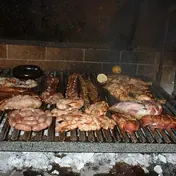
Asado ★ 4.9
Argentine barbecue: beef cuts (bife de chorizo, vacio, asado de tira, mollejas, chorizo, morcilla) cooked slowly over wood embers in a parrilla. Sliced thick, salted simply, served with chimichurri and Malbec.
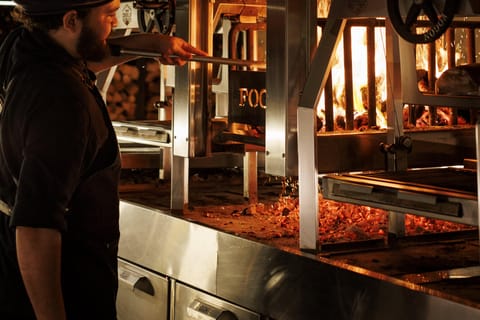
Where to try it: Don Julio, La Cabrera, La Carniceria, El Mirasol de La Recova, Cabana Las Lilas, Fogon Asado
Price: $$$
Asado descends from the gaucho campfire of the 1800s Pampas, when cattle herders skewered whole animals on a metal cross over open coals. The urban parrilla restaurant arrived with the late 1800s European immigration boom; by the 1920s every Buenos Aires barrio had one. Today the parrilla is the country's defining national meal, eaten weekly across class lines, with Pablo Rivero's Don Julio in Palermo reaching #1 on Latin America's 50 Best in 2020 and again in 2024.
-

Empanadas (porteñas, salteñas, tucumanas) ★ 4.9
Hand-shaped pastry pockets stuffed with beef, chicken, ham-and-cheese or humita. Argentina's working lunch and national appetiser, regional variants differ in size, dough, spice and meat cut.
Where to try it: El Sanjuanino, La Cocina, El Hornero Tucumano, Feria de Mataderos
Price: $
Empanadas arrived with Spanish colonisation in the 1500s and rooted regionally: Salteños fold a juicy beef-and-potato version with cumin; Tucumanos use cuchillo-cut beef and matambre fat; Porteños bake an oven-baked Buenos Aires-style with raisins and olives. El Sanjuanino in Recoleta has shaped them since 1976.
Watch out for: Gluten
-
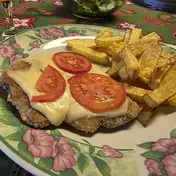
Milanesa Napolitana ★ 4.8
Breaded beef cutlet pounded thin, fried, then topped with tomato sauce, ham and melted mozzarella. The Argentine ego of milanesa: cutlet plus pizza, plus more.
Where to try it: El Club de la Milanesa, El Preferido de Palermo, Miramar, Albamonte
Price: $$
The dish was invented in the late 1940s at Restaurant Napoli on Bouchard, between Corrientes and Lavalle, facing Luna Park in central Buenos Aires. Owner Jorge La Grotta covered a burned milanesa with tomato, ham and cheese; the name nods to his restaurant, not to the city of Naples. By the 1960s every bodegon offered it and the porteno lunch crowd ordered it with chips and a fried egg on top (a caballo).
Watch out for: Gluten, Dairy, Egg
Book food experiences in Buenos Aires

-
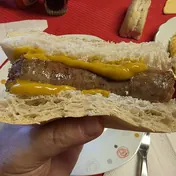
Choripan ★ 4.8
Grilled Argentine pork-and-beef chorizo split lengthwise and tucked into a crusty roll. Served with chimichurri, salsa criolla or both; the Argentine equivalent of a hot dog, the unofficial soccer-stadium meal.
Where to try it: Chori, Choripaneros de la Costanera Sur, Feria de Mataderos, Don Julio
Price: $
Choripan arose with the Pampas asado tradition: gauchos grilled chorizo over their fires and ate it folded into bread. The urban version cemented in the 20th century around stadium gates, soccer matches and Costanera Sur grill carts. Pedro Pena and German Sitz's Chori in Palermo upgraded the format with house-made sausages from 2017.
Watch out for: Gluten
-
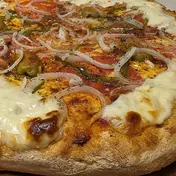
Pizza al molde ★ 4.7
Argentine deep-pan pizza: thick high-hydration dough baked in a square or round tin with mozzarella to the edge and a single topping or two. Faina (chickpea flour wedge) is the side, eaten on top of the slice.
Where to try it: El Cuartito, Pizzeria Guerrin, Pinta Pizza, El Imperio de la Pizza
Price: $
Italian immigration brought pizza to Buenos Aires in the late 1800s. The Argentine al-molde style emerged with the great pizza rooms of the 1930s: Pizzeria Guerrin opened on Corrientes in 1932 and El Cuartito on Talcahuano in 1934. The Argentine version is deeper, more bread-like and topped with vast amounts of Argentine mozzarella. The fugazzeta (cheese-stuffed onion pizza) and fugazzeta rellena are local porteno inventions.
Watch out for: Gluten, Dairy
-
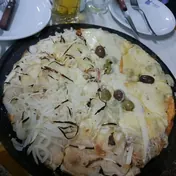
Fugazzeta ★ 4.5
Stuffed Argentine pizza with two dough layers, mozzarella inside and a thick lid of sliced onions and oregano on top. Cheese-stuffed pizza on top of focaccia, on top of pizza.
Where to try it: El Cuartito, Pizzeria Guerrin, El Imperio de la Pizza
Price: $
The fugazzeta evolved out of Genoese focaccia (fugazza) brought by Italian immigrants in the late 1800s. Juan Banchero opened his Boca pizzeria on 28 March 1932 and added cuartirolo cheese to the focaccia, creating the canonical fugazzeta; the cheese-stuffed double-layer form spread quickly to the Corrientes pizza strip through the 1930s. The fugazzeta rellena form (stuffed more, often with ham too) followed; today both are served at El Cuartito, Guerrin and Banchero's surviving outposts.
Watch out for: Gluten, Dairy
-
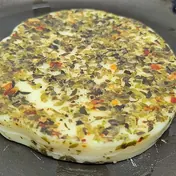
Provoleta ★ 4.6
Disc of provolone cheese grilled in a small skillet or directly on the parrilla until the surface bubbles and the inside melts. Eaten with bread, oregano and chili flakes, as the warm-up to asado.
Where to try it: Don Julio, La Cabrera, La Carniceria, El Mirasol de La Recova
Price: $$
Provoleta was invented in 1940 by Natalio Alba, a Calabrian-born Argentine cheesemaker who settled in Arroyo Algodon, Cordoba. He shaped a provolone-style cheese into thick discs that could be grilled without dripping between the bars; Alba registered the trademark in 1955. The dish became the standard Argentine asado appetiser and is now served at every parrilla in Buenos Aires.
Watch out for: Dairy
-
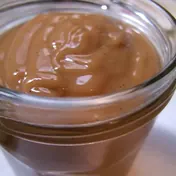
Dulce de Leche ★ 4.7
Slow-caramelised sweetened milk: golden-brown, sticky, intensely sweet. Argentina's national sweet, the base of alfajores, helado, panqueques, layer cakes and breakfast tostadas.
Where to try it: Confiteria La Argentina, Las Violetas, Havanna (flagship), Cocu Boulangerie
Price: $
Legend places dulce de leche in 1829 at a truce meeting between Juan Manuel de Rosas and Juan Lavalle in Caňuelas; a servant left milk and sugar on the stove and returned to caramelised gold. The story is unverified and similar preparations existed in France and Indonesia; Uruguay also claims invention. Estancia La Salamandra and La Serenisima industrialised it in the 20th century.
Watch out for: Dairy
-

Alfajor ★ 4.7
Two soft round biscuits sandwiched with dulce de leche and finished in chocolate or rolled in desiccated coconut. Argentina's most-eaten sweet; Havanna's chocolate-coated Marplatense version is the international export.
Where to try it: Havanna (flagship), Confiteria La Argentina, Las Violetas, Gran Cafe Tortoni
Price: $
The alfajor traces to Andalusian Moorish baking and crossed to South America with Spanish colonisation; in Argentina the Spanish almond-paste filling was replaced with local dulce de leche. The Marplatense (Mar del Plata) version, dipped in chocolate, was invented by Havanna in 1948 in Mar del Plata and now sells about 300 million units a year nationally.
Watch out for: Gluten, Dairy, Egg
-
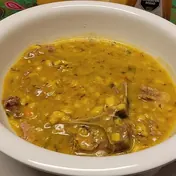
Locro ★ 4.5
Andean hominy stew with white corn, white beans, pumpkin, beef, pork belly and chorizo, slow-cooked into a thick warming bowl and topped with a paprika-and-scallion oil (quiquirimichi).
Where to try it: El Sanjuanino, La Cocina, El Hornero Tucumano, Feria de Mataderos
Price: $$
Locro predates Argentina; Quechua-Aymara cultures cooked maize-based stews across the Andes for centuries. Spanish colonisation added pork and beef. The Buenos Aires version is eaten on national-feast days (25 May Revolution, 9 July Independence, 17 August San Martin) and at the Sunday Mataderos fair in winter.
-
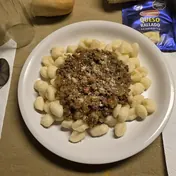
Ñoquis del 29 ★ 4.3
Italian-Argentine potato gnocchi eaten on the 29th of every month, with a peso slipped under the plate for luck. Argentina's most superstitious meal.
Where to try it: Albamonte, Miramar, El Preferido de Palermo
Price: $$
The 29th-of-the-month gnocchi ritual came with Italian immigrants in the late 19th and early 20th century. The story: salaries ran out before month-end, so families ate cheap potato gnocchi on the 29th and slipped a coin under the plate to attract more money. Almost every porteno restaurant serves them on the 29th.
Watch out for: Gluten, Egg
-
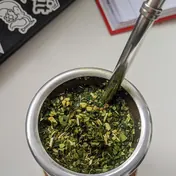
Mate ★ 4.8
Yerba mate leaves steeped in a hollow gourd and sipped through a metal straw (bombilla). Argentina's daily ritual: an infusion drunk hot or cold, shared in a circle, the original social caffeinated beverage.
Where to try it: Gran Cafe Tortoni, La Biela, Las Violetas, Cafe de los Angelitos
Price: $
Yerba mate is indigenous to the Guarani people of the Parana basin in pre-Columbian times. Jesuit missions cultivated it commercially in the 1600s in northeast Argentina. Today the average Argentine drinks 6.5 kg of yerba mate a year, more than any other country; the ritual remains intact (the cebador prepares and passes the gourd around the circle).
-

Fernet con Coca ★ 4.4
Argentine national mixed drink: Italian bitter Fernet Branca poured generously, topped with Coca-Cola over ice. Bittersweet, herbal, and the default order at almost every porteno bar.
Where to try it: Tres Monos, Floreria Atlantico, Frank's, Victoria Brown
Price: $
Fernet Branca arrived with Italian immigration in the late 1800s. The mix with Coca-Cola was popularised in Cordoba in the 1980s by students cutting the bitter Italian amaro with the cheaper local cola, and spread nationwide through the 1990s. Argentina is now the world's largest market for Fernet Branca and the drink remains the bar-default of porteño nightlife; Branca operates an Argentine bottling plant.
-
Malbec Wine Flight ★ 4.7
Argentina's defining wine: deep purple, plummy, with the high-altitude Andean acidity that separates Mendoza Malbec from its Cahors French ancestor. Best drunk as a flight across vineyards (Lujan, Uco, Salta).
Where to try it: Aldo's Vinoteca, Lo de Joaquin Alberdi, Vico Wine Bar, Pain et Vin
Price: $$
Malbec arrived in Mendoza in 1853 from Cahors, France, via French agronomist Michel Aime Pouget at the request of governor Sarmiento. The grape thrived at 1,000-1,500 m altitude where it failed in France. Catena Zapata's Nicolas Catena Zapata in the 1980s pushed the high-altitude vineyards (Adrianna, Gualtallary) that made Argentine Malbec world-famous.
Watch out for: Sulfites
-
Helado Artesanal ★ 4.6
Argentine artisan ice cream descended from Italian gelato. Dense, low-air, made daily; the icons are dulce de leche granizado, sambayón (zabaglione), frutilla a la crema and tres chocolates.
Where to try it: Las Violetas, Gran Cafe Tortoni, La Biela
Price: $
Italian immigrants brought gelato in the late 19th century and Argentine helado is a direct descendant: similar texture and density, but the Argentine version evolved its own canon led by dulce de leche granizado (caramel ice cream with chocolate chips). Cadore on Corrientes (since 1957), Volta and Rapanui became the gold-standard chains; small palerma artesanal shops compete for the best-dulce-de-leche-in-BA crown each summer.
Watch out for: Dairy
-
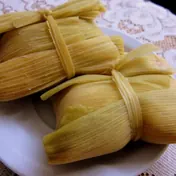
Humita en Chala ★ 4.3
Northern Argentine corn parcels: fresh corn pureed with onion, paprika and cheese, wrapped in corn husks and steamed. Sweet, savoury and faintly smoky.
Where to try it: El Hornero Tucumano, El Sanjuanino, Feria de Mataderos
Price: $
Humitas predate Argentine independence; they are a Quechua-Aymara Andean dish that crossed the Bolivian and northwest Argentine plateau. The Buenos Aires version comes via Tucuman migrants who set up tucumana counters across the city in the 20th century, serving humitas en chala alongside empanadas tucumanas. El Hornero Tucumano on Cordoba and El Sanjuanino in Recoleta still wrap and steam them daily.
Watch out for: Dairy
-
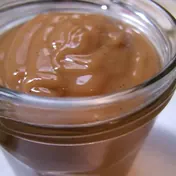
Panqueque de Dulce de Leche ★ 4.5
Argentine thin crepe rolled around a generous spread of dulce de leche, sometimes with grated dark chocolate. Bodegon dessert classic; the after-school treat that doubles as a restaurant-table reward.
Where to try it: Las Violetas, La Biela, Cafe de los Angelitos, Confiteria La Argentina
Price: $
Panqueques de dulce de leche descend from French crepes filtered through Italian-Argentine kitchens of the 1900s. Bodegones across the country put them on as the standard postre; Cafes Notables flambée them tableside; Las Violetas builds them into a Sunday merienda tower with three rolled panqueques over a pool of warmed dulce de leche and shaved chocolate.
Watch out for: Gluten, Dairy, Egg
-
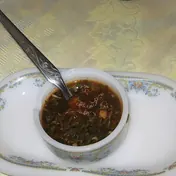
Chimichurri ★ 4.6
Argentine raw herb-and-vinegar sauce: parsley, garlic, oregano, chili, vinegar, oil. The standard condiment for asado; sometimes also for empanadas, choripan or a steak sandwich.
Where to try it: Don Julio, La Cabrera, La Carniceria, Chori
Price: $
Chimichurri's origins are disputed (Basque, English-immigrant or Argentine gaucho); the name probably derives from the Basque tximitxurri (a mixture of things). Whatever the origin, by the 20th century it was the parrilla condiment of record; every Buenos Aires steakhouse mixes its own in-house, and Don Julio, La Cabrera and La Carniceria each guard a signature ratio of vinegar, oil, garlic and oregano.
Signature Dishes in Buenos Aires, FAQ
What food is Buenos Aires known for?
Buenos Aires's signature dishes include Asado, Empanadas (porteñas, salteñas, tucumanas), Milanesa Napolitana, Choripan, Pizza al molde. See our signature dishes chapter for where to eat each.