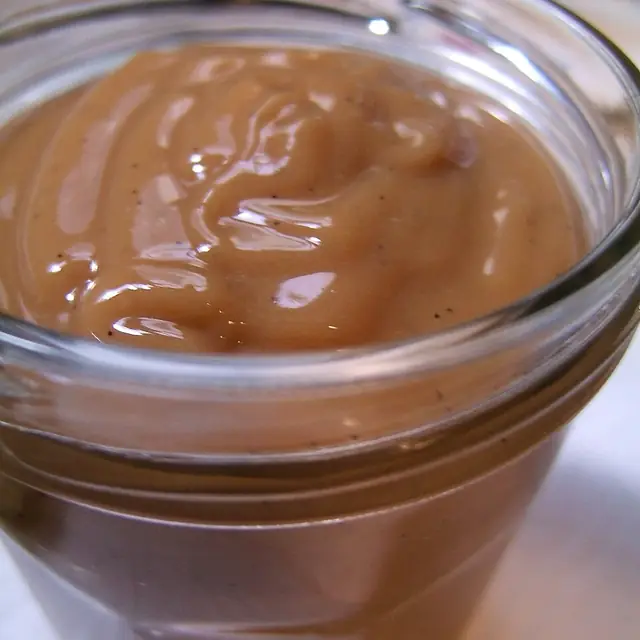
Slow-caramelised sweetened milk: golden-brown, sticky, intensely sweet. Argentina's national sweet, the base of alfajores, helado, panqueques, layer cakes and breakfast tostadas.

Legend places the invention of dulce de leche in 1829, at a meeting between Juan Manuel de Rosas and Juan Lavalle in Canuelas, when a servant left milk and sugar on the stove. The story is unverified, and Uruguay also claims the invention. Industrial dairies later made it a supermarket staple, and it now fills alfajores and panqueques and tops helado and tostadas.

Where to eat Dulce de Leche in Buenos Aires

2 editor picks for Dulce de Leche in Buenos Aires, ranked by editorial score. All Buenos Aires signature dishes · Dulce de Leche across every city.

Book food experiences in Buenos Aires

See all 2,208 food experiences in Buenos Aires

More places near Las Violetas and Havanna

Not on this list, but close by, nearest first. Every one is in our guide with its address, hours and what to order.

Make it at home

Serves 8004 hrEasy

Ingredients

  • 2 litres whole milk
  • 500g sugar
  • 1 teaspoon vanilla extract
  • 1/2 teaspoon baking soda dissolved in 1 tablespoon water

Method

  1. Combine milk and sugar in a wide, heavy-bottomed pot. Place over medium heat, stirring until sugar dissolves.
  2. Bring to a gentle simmer (do not boil). Stir in the baking soda solution; the mixture will foam briefly. Reduce heat to low.
  3. Cook uncovered, stirring every 10 minutes at first then more often as it thickens. The mixture will reduce, deepen in colour and grow glossy.
  4. After 3-3.5 hours of slow cooking, when the dulce coats the back of a spoon and is the colour of dark caramel, stir in vanilla and remove from heat.
  5. Cool to room temperature, then transfer to clean jars. Refrigerate; keeps 3 months.

Editor tip. If it looks split, blend briefly with a hand blender to bring it back together. Stop cooking sooner for a pourable repostero; longer for a thick spread.

Common allergens: Dairy.