Signature dishes
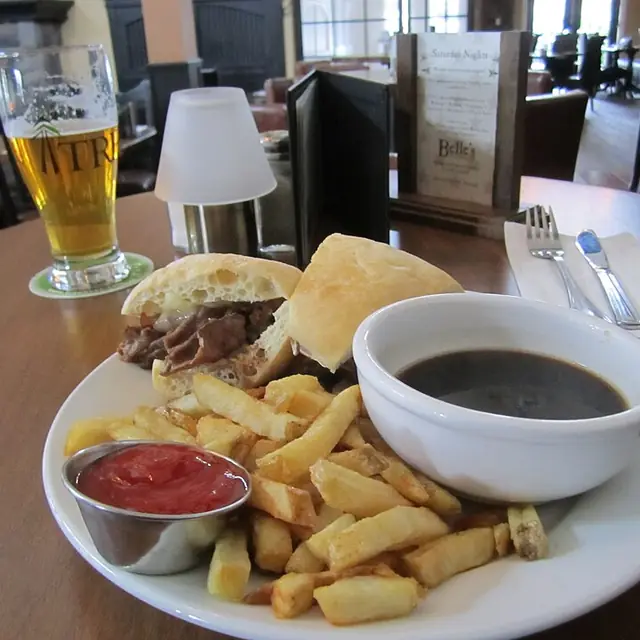
Sliced roast meat on a torpedo roll, dipped in pan jus. Invented in Los Angeles in 1908, eaten standing at the counter at Philippe the Original near Union Station.
Where: Philippe the Original, Langer's Delicatessen
Price: $11-15
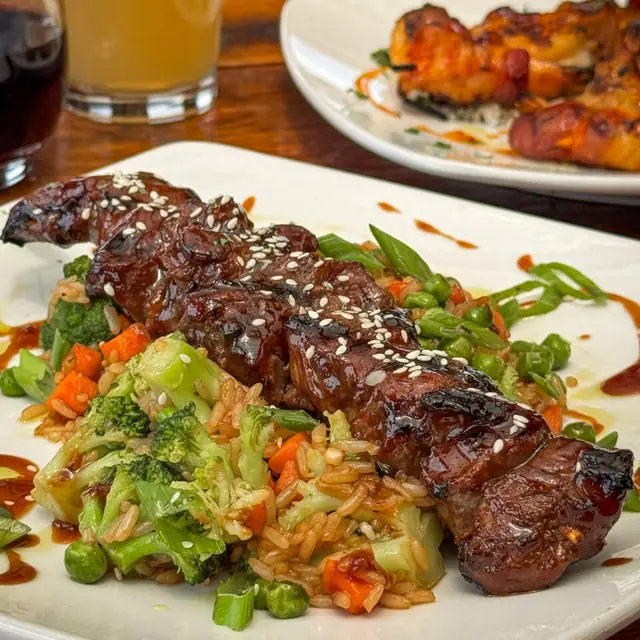
Tabletop grilling of marinated short rib (galbi) and pork belly in Koreatown. The LA cut of galbi, sliced thin across the bone, was perfected here in the 1980s.
Where: Park's BBQ, Quarters Korean BBQ, Soowon Galbi, Chosun Galbee
Price: $50-90 per person
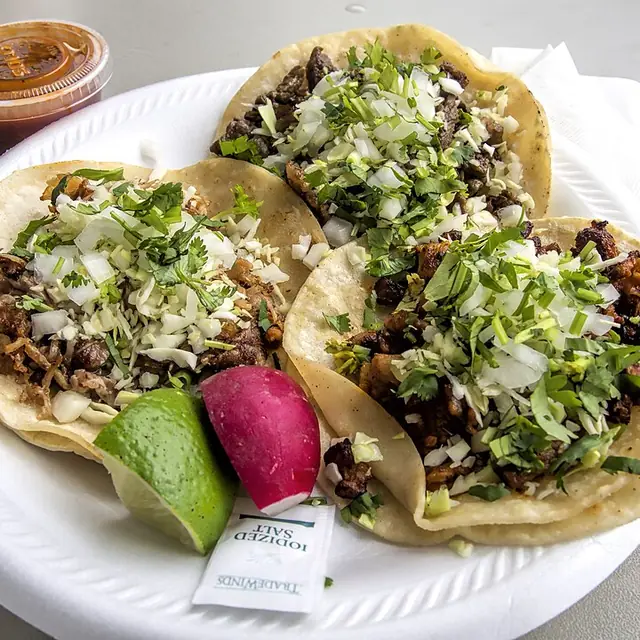
Marinated pork shaved off a vertical trompo onto a small corn tortilla, topped with grilled pineapple, white onion and cilantro. LA's east-side staple.
Where: Leo's Tacos Truck, Tacos Tamix, El Chato Taco Truck, Tire Shop Taqueria
Price: $2.50-4 per taco
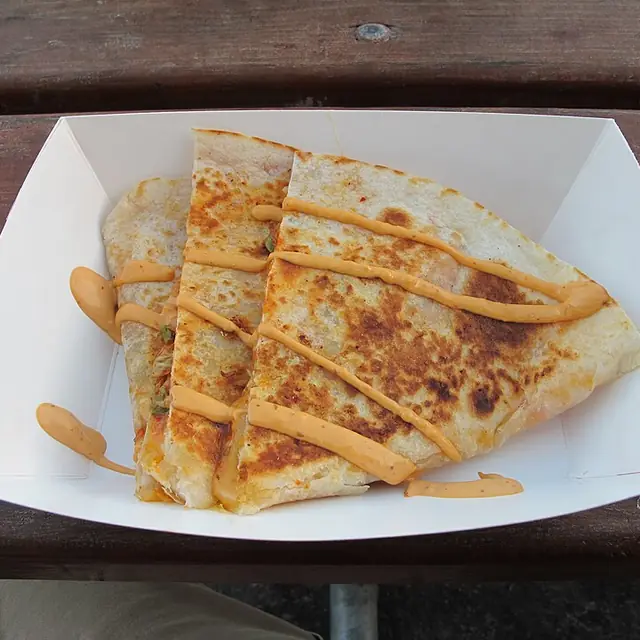
Roy Choi's Kogi-truck-defining dish from 2008: cheddar, mozzarella and chopped kimchi seared inside a flour tortilla. The LA Korean-Mexican mashup.
Where: Kogi BBQ Truck, Park's BBQ
Price: $6-9
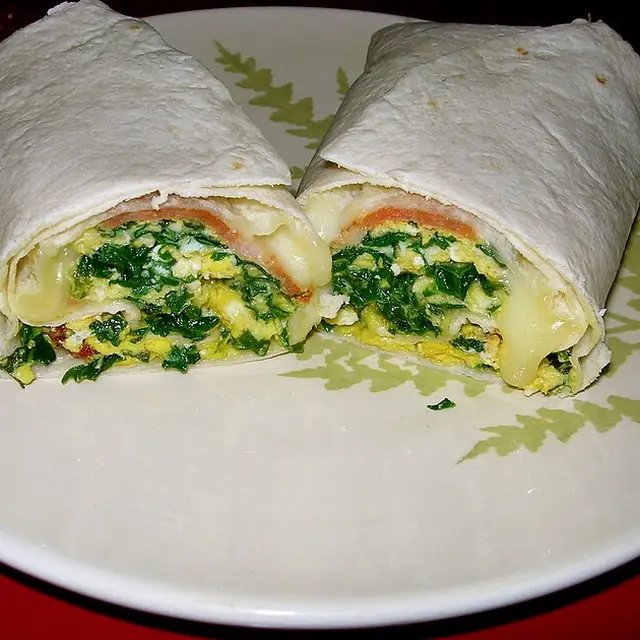
A foil-wrapped flour tortilla packed with eggs, hash browns, cheese, bacon or chorizo and salsa. The Eastside corner-shop morning meal of Los Angeles.
Where: Al & Bea's Mexican Food, Cofax Coffee Shop, Burritos La Palma, Lucky Boy
Price: $7-12
A cone of crisp nori wrapped around warm rice and a single seafood topping. LA's six-seat counter rooms reset the format around 2015 and the city now leads the country.
Where: KazuNori, Sugarfish, Sushi Tama, Sushi Note
Price: $5-9 per handroll
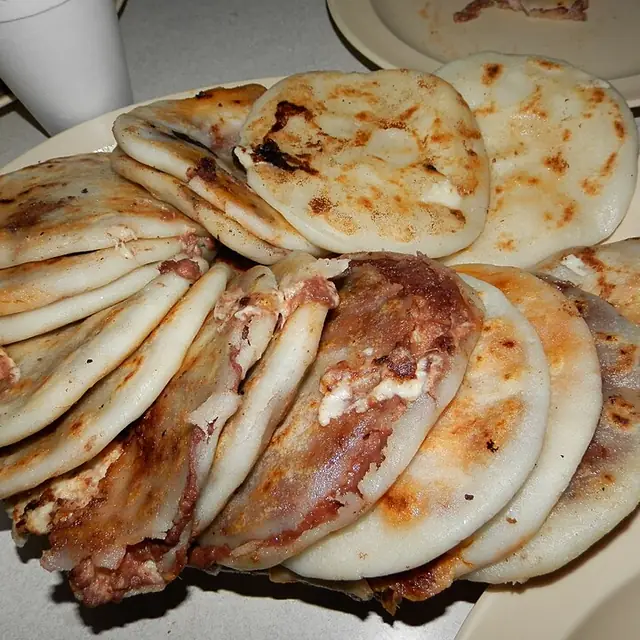
A thick masa cake stuffed with cheese, beans or chicharron, griddled until crisp, eaten with curtido and tomato salsa. LA holds the largest Salvadoran community in the US.
Where: Sarita's Pupuseria
Price: $3-5 per pupusa
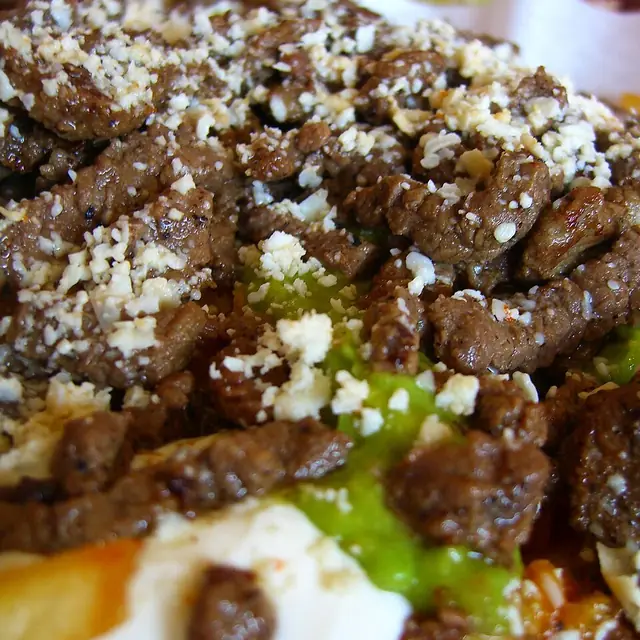
Frozen-style French fries piled with grilled steak, cheese, sour cream, guacamole and pico. A San Diego-LA Mexican-American invention from the 1990s.
Where: Tacos Tu Madre, Eduardo's Border Grill
Price: $10-15
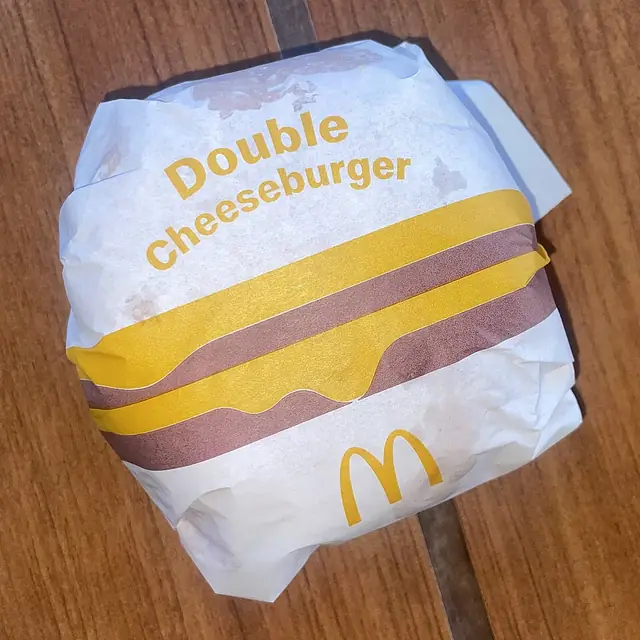
In-N-Out's two-patty, two-cheese cheeseburger on a toasted bun with spread, lettuce, tomato and grilled onion. The defining California fast-food order.
Where: In-N-Out Burger Sunset, In-N-Out Burger LAX, Cassell's Hamburgers
Price: $5.50-7
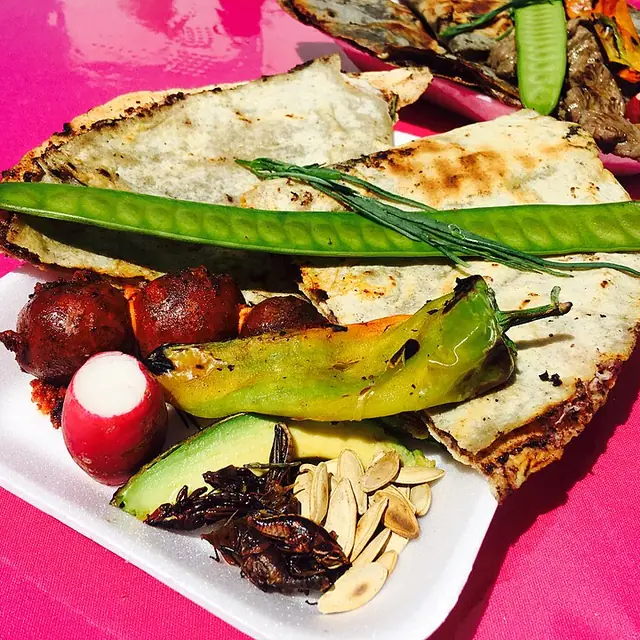
Large 30cm crisp grilled tortilla smeared with asiento (pork fat) and refried black beans, topped with Oaxacan string cheese, cabbage, avocado, salsa, and tasajo or chorizo. The signature dish of LA's Oaxacan community.
Where: Guelaguetza, Mercado La Paloma, 626 Night Market, Chichen Itza Restaurant
Price: $16-24
Dark intensely-beefy noodle soup spiked with star anise, cinnamon, blood, soy and Thai chilli, served in small bowls with rice noodles, beef balls, sliced beef and bitter morning glory. Thai Town's defining dish.
Where: Jitlada, Anajak Thai, Noodle ST, 626 Night Market
Price: $3-5 per small bowl
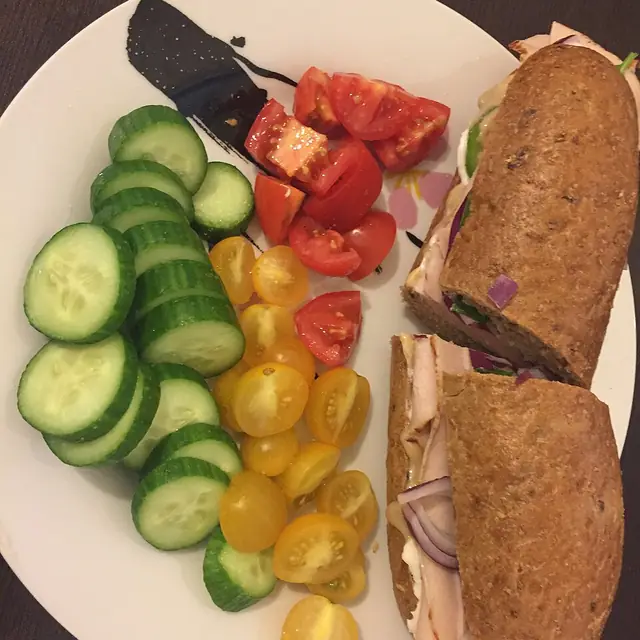
Hand-cut pastrami stacked on twice-baked seeded rye with coleslaw, Russian dressing and Swiss cheese. The LA-Jewish deli's defining sandwich, taken at the counter or curbside in MacArthur Park.
Where: Langer's Delicatessen
Price: $22-26
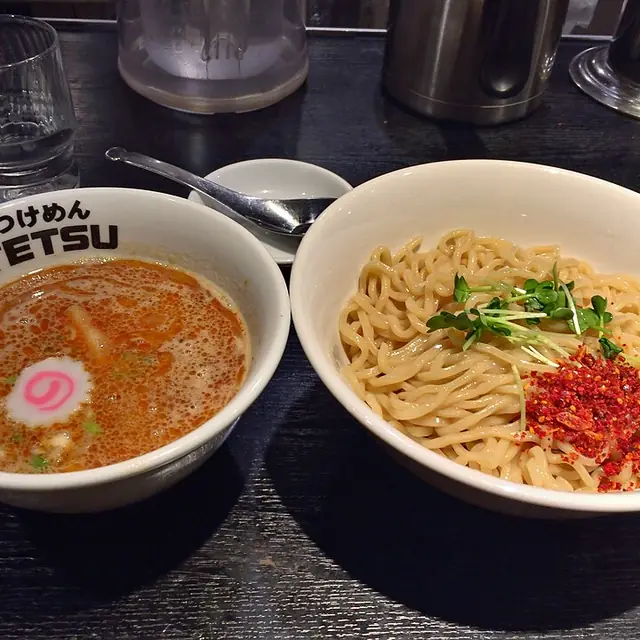
Thick chewy ramen noodles served cold, with a small bowl of intensely concentrated pork-and-fish broth for dipping. Sawtelle's Japantown popularised tsukemen on the West Coast.
Where: Tsujita LA Artisan Noodle
Price: $18-24
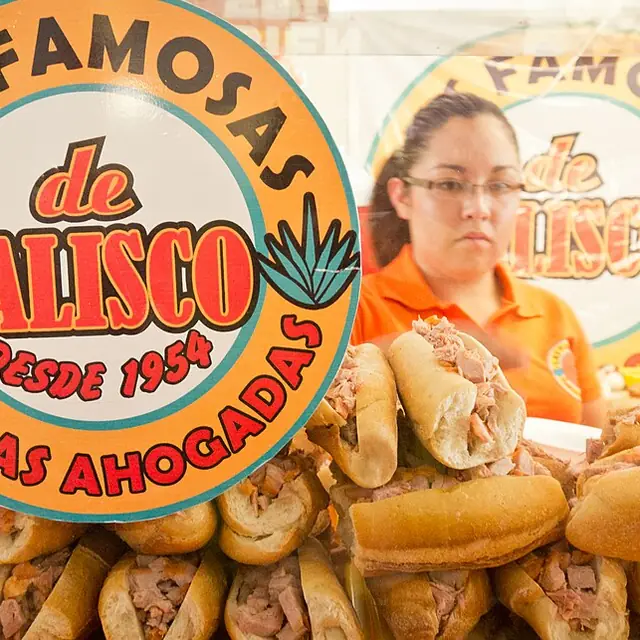
A crusty birote sandwich of carnitas pork drowned in spicy chile-de-arbol-and-tomato salsa. Guadalajara's signature, brought to LA by the western Mexican diaspora.
Where: Tortas Ahogadas Ameca
Price: $11-15
A crisp masa shell folded around chopped shrimp, smashed avocado, fresh tomato salsa and crema. The Jalisco-coast seafood taco that crossed into East LA.
Where: Mariscos Jalisco, Holbox
Price: $5-9 per taco
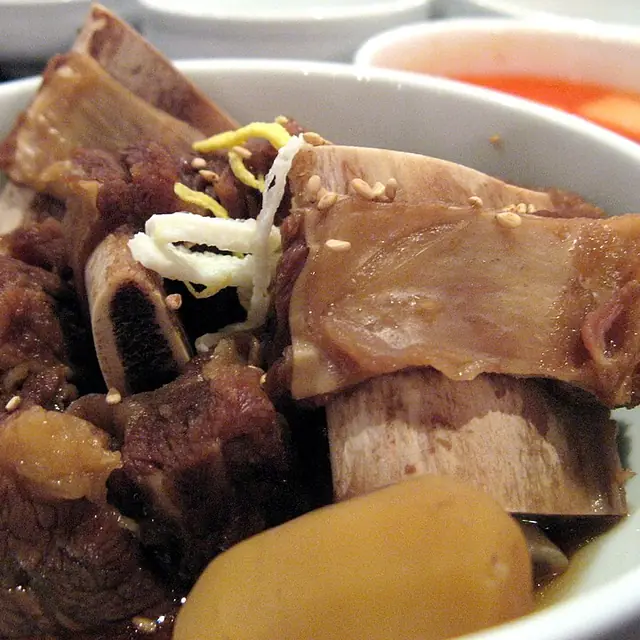
Soy-braised beef short rib on the bone, served bubbling in a hot stone pot under a blanket of melted mozzarella and rice cakes. The signature Koreatown LA reinvention.
Where: Sun Nong Dan, Park's BBQ
Price: $55-75 per pot
A double-patty smash burger flooded with thin meaty chili, served wrapped in paper at a 24-hour walk-up window. The classic LA late-night chili-burger format.
Where: Original Tommy's, Cassell's Hamburgers
Price: $6-9
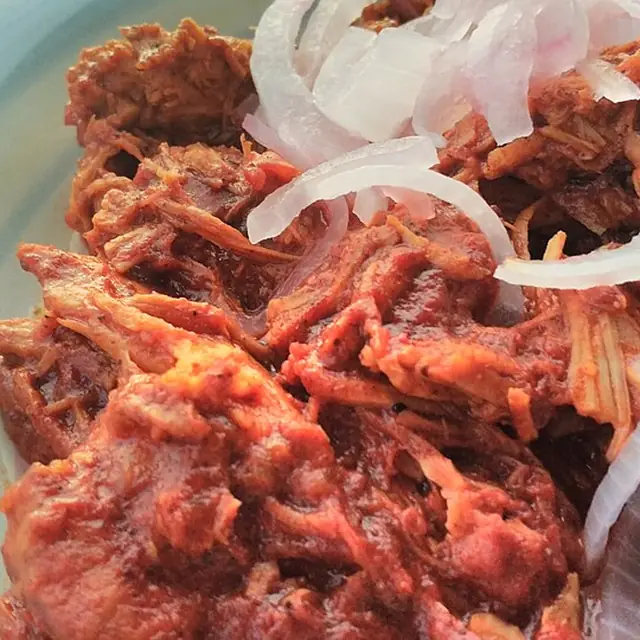
Achiote-marinated pork slow-roasted in banana leaves, shredded and piled into corn tortillas with pickled red onion and habanero salsa. LA's canonical Yucatecan plate.
Where: Chichen Itza Restaurant, Holbox
Price: $16-22
French dip sandwich
Sliced roast meat on a torpedo roll, dipped in pan jus. Invented in Los Angeles in 1908, eaten standing at the counter at Philippe the Original near Union Station.
History: Two LA institutions long claimed the French dip, but only one is still serving. Philippe the Original on North Alameda dates the dish to 1918, when owner Philippe Mathieu accidentally dropped a sliced beef sandwich into a roasting pan; the customer ate it anyway and asked for the same the next day. Cole's, in the Pacific Electric Building on East 6th Street, claimed an earlier 1908 invention; Cole's closed permanently in August 2025 after 117 years, citing pandemic, rent and downtown headwinds. Philippe's pre-dips the roll, slices the meat on a deli slicer, sells the sandwich under 12 dollars and still queues at lunchtime in its 1918 building.
Where to try it: Philippe the Original, Langer's Delicatessen
Watch out for: Gluten
Korean BBQ
Tabletop grilling of marinated short rib (galbi) and pork belly in Koreatown. The LA cut of galbi, sliced thin across the bone, was perfected here in the 1980s.
History: The LA galbi cut, beef short rib sliced across the bone 1cm thick so each piece holds three bones in cross-section, was a butcher innovation that started in Koreatown in the 1970s and 80s. Korean butchers wanted a quick-grill format that suited the tabletop charcoal grills imported with the first wave of post-1965 Korean immigrants. The thin cross-cut format spread back to Korea and is now standard. The Koreatown grill room emerged as a category at the same time: Park's BBQ since 2003, Quarters since the 1990s, Chosun Galbee since 1989. The marinade, soy, pear, garlic and sugar, soaks 4 to 6 hours and the rib hits the grill for under three minutes a side.
Where to try it: Park's BBQ, Quarters Korean BBQ, Soowon Galbi, Chosun Galbee
Watch out for: Soy, Sesame, Gluten
Al pastor taco
Marinated pork shaved off a vertical trompo onto a small corn tortilla, topped with grilled pineapple, white onion and cilantro. LA's east-side staple.
History: Al pastor, marinated pork on a vertical trompo spit, came to Mexico from Lebanese shawarma immigrants in 1920s Puebla, then crossed the border into Boyle Heights and East LA in the 1970s and 80s with Mexican migrant cooks. The LA trompo holds 30 to 50 pounds of pork shoulder marinated in achiote, dried chiles, vinegar, garlic and pineapple, slow-cooked vertically for hours, then shaved to order onto a doubled corn tortilla. A whole pineapple sits at the top of the spit, smoking and dropping juice down through the meat. Leo's Tacos, with three truck locations, popularised the late-night trompo on La Brea after 2012; Tacos Tamix has worked the Pico Union and Pico Boulevard corners since 2006.
Where to try it: Leo's Tacos Truck, Tacos Tamix, El Chato Taco Truck, Tire Shop Taqueria
Watch out for: Corn
Kimchi quesadilla
Roy Choi's Kogi-truck-defining dish from 2008: cheddar, mozzarella and chopped kimchi seared inside a flour tortilla. The LA Korean-Mexican mashup.
History: Roy Choi launched the Kogi BBQ truck in late 2008 with a Korean-Mexican menu built around short rib tacos and a kimchi quesadilla. The truck used Twitter to broadcast its location, and the resulting crowds invented the modern American food truck movement. The kimchi quesadilla, sharp aged kimchi melted into two cheeses inside a seared flour tortilla, became the truck's most-imitated dish and is now a category. The original is still on Kogi's menu, the truck still moves around LA on a published schedule, and the format spawned a generation of Korean-Mexican fusion counters across the city.
Where to try it: Kogi BBQ Truck, Park's BBQ
Watch out for: Dairy, Gluten, Soy
The LA breakfast burrito
A foil-wrapped flour tortilla packed with eggs, hash browns, cheese, bacon or chorizo and salsa. The Eastside corner-shop morning meal of Los Angeles.
History: The breakfast burrito in its current LA form, scrambled eggs, hash browns or tater tots, cheese, bacon or chorizo, salsa, wrapped in a flour tortilla and foiled, took shape in the 1970s in East LA panaderias and corner shops. Al & Bea's on First Street has been making them since 1966; Cofax on Fairfax updated the format with chorizo verde in the 2010s. The defining feature is structural: every ingredient is hot and cooked separately, then layered hot so the tortilla never goes soggy. A real LA breakfast burrito is eaten foil-on, peeling back as you go, in the car on the way somewhere.
Where to try it: Al & Bea's Mexican Food, Cofax Coffee Shop, Burritos La Palma, Lucky Boy
Watch out for: Gluten, Dairy, Egg
Sushi handroll
A cone of crisp nori wrapped around warm rice and a single seafood topping. LA's six-seat counter rooms reset the format around 2015 and the city now leads the country.
History: The handroll counter, a six-to-twelve seat omakase-style room serving exclusively temaki (handrolls) in sequence over 30 minutes, was popularised in LA by KazuNori on South Main downtown, opened by the Sushi Nozawa Group (the Sugarfish team behind chef Kazunori Nozawa) in 2014. The format was built around the principle that a temaki must hit the customer within 30 seconds of being made, before the nori loses its snap. The format reached New York and Tokyo via LA. The defining handrolls are blue crab, scallop, yellowtail and toro, served in a fixed sequence with one rice ratio. The whole meal lasts about 30 minutes.
Where to try it: KazuNori, Sugarfish, Sushi Tama, Sushi Note
Watch out for: Fish, Shellfish, Soy, Gluten
Salvadoran pupusa
A thick masa cake stuffed with cheese, beans or chicharron, griddled until crisp, eaten with curtido and tomato salsa. LA holds the largest Salvadoran community in the US.
History: The Salvadoran pupusa is a thick masa cake (pupusa) stuffed before griddling with cheese, refried beans, chicharron (ground pork) or loroco flower, served with pickled cabbage (curtido) and a thin tomato salsa. Los Angeles is home to the largest Salvadoran population outside El Salvador, concentrated along Pico and Vermont in Westlake and Pico-Union, where Salvadoran women started selling pupusas from kitchens and storefronts in the 1980s during the civil war diaspora. Sarita's Pupuseria inside Mercado La Paloma has been making them since 2003 and remains the city benchmark.
Where to try it: Sarita's Pupuseria
Watch out for: Dairy
Carne asada fries
Frozen-style French fries piled with grilled steak, cheese, sour cream, guacamole and pico. A San Diego-LA Mexican-American invention from the 1990s.
History: Carne asada fries crossed up the California coast from San Diego, where Lolita's Mexican Food on Imperial Avenue is widely credited with the format around 1986: a paper plate of crisp fries piled with grilled steak, melted cheddar, sour cream, guacamole and pico de gallo. The dish reached Los Angeles in the early 1990s and became a staple of late-night Mexican counter spots, particularly across the Westside and the Eastside. It is messy, communal, eaten with two forks, and reads as the West Coast cousin of poutine and nachos. Most pure-blooded LA versions still use crinkle-cut fries.
Where to try it: Tacos Tu Madre, Eduardo's Border Grill
Watch out for: Dairy
Double-Double cheeseburger
In-N-Out's two-patty, two-cheese cheeseburger on a toasted bun with spread, lettuce, tomato and grilled onion. The defining California fast-food order.
History: Harry and Esther Snyder opened the first In-N-Out in Baldwin Park in 1948 as California's first drive-through with a two-way speaker. The Double-Double, two patties and two slices of cheese on a toasted bun with spread, lettuce, tomato and grilled onion, joined the menu in 1963. The chain has stayed family-owned and California-coast-tight ever since, with deliberately slow expansion (Texas and Idaho, not east of the Rockies). The 'animal style' off-menu order, with extra spread, grilled onions and pickles, has been part of LA lore since the 1970s. Every Angeleno has an opinion.
Where to try it: In-N-Out Burger Sunset, In-N-Out Burger LAX, Cassell's Hamburgers
Watch out for: Gluten, Dairy
Oaxacan tlayuda
Large 30cm crisp grilled tortilla smeared with asiento (pork fat) and refried black beans, topped with Oaxacan string cheese, cabbage, avocado, salsa, and tasajo or chorizo. The signature dish of LA's Oaxacan community.
History: Tlayudas arrived in Los Angeles with the wave of Oaxacan migration that began in the 1980s, particularly to South LA and the Pico-Union and Koreatown corridors. Guelaguetza on Olympic Boulevard, opened in 1994 by the Lopez family from Oaxaca, became the canonical LA Oaxacan restaurant and won a James Beard Award. Today the dish is the centerpiece of every Oaxacan menu in the city, from Guelaguetza to the Mercado La Paloma stalls.
Where to try it: Guelaguetza, Mercado La Paloma, 626 Night Market, Chichen Itza Restaurant
Watch out for: Gluten, Dairy
Thai Town boat noodles
Dark intensely-beefy noodle soup spiked with star anise, cinnamon, blood, soy and Thai chilli, served in small bowls with rice noodles, beef balls, sliced beef and bitter morning glory. Thai Town's defining dish.
History: Thai boat noodles (kuay teow ruea) originated as a floating-market dish in the central-Thai Ayutthaya region, sold in small portions from boats. LA's Thai Town on Hollywood Boulevard adopted the dish in the 1980s as the Thai-immigrant restaurant corridor took shape. The small-bowl serving format and the dark, spiced broth are the canonical Thai Town reference, with Jitlada, Anajak Thai and Noodle ST the LA pilgrimage stops.
Where to try it: Jitlada, Anajak Thai, Noodle ST, 626 Night Market
Watch out for: Gluten, Soy, Egg
Pastrami sandwich (Langer's #19)
Hand-cut pastrami stacked on twice-baked seeded rye with coleslaw, Russian dressing and Swiss cheese. The LA-Jewish deli's defining sandwich, taken at the counter or curbside in MacArthur Park.
History: Al and Jean Langer opened Langer's on Alvarado at Westlake as a 12-seat lunch counter in June 1947, and the family has not closed since. Al created the #19, which layers hot pastrami with coleslaw, Russian dressing and Swiss on Langer's house double-baked rye; the bread method, crisping each loaf twice, is the structural choice that lets the sandwich hold the moisture without sogging. Son Norm took over the kitchen in the early 1990s and full ownership in 2007. Nora Ephron called it the finest hot pastrami sandwich in the world in a 2002 New Yorker piece; Jonathan Gold likewise rated it the best pastrami sandwich in America.
Where to try it: Langer's Delicatessen
Watch out for: Gluten, Dairy, Egg
Tsukemen (LA-style dipping ramen)
Thick chewy ramen noodles served cold, with a small bowl of intensely concentrated pork-and-fish broth for dipping. Sawtelle's Japantown popularised tsukemen on the West Coast.
History: Tsujita LA Artisan Noodle opened on Sawtelle Boulevard in 2011 as the first American branch of Tokyo's Tsujita (founded 2005) and is widely credited with bringing modern tsukemen to Los Angeles. The broth simmers pork bone with dried bonito for over sixty hours into a sauce thick enough to coat the noodle, in the lineage that Higashi-Ikebukuro Taishoken seeded across Tokyo's tsukemen scene. The Sawtelle Japantown stretch around Olympic and West LA built a cluster of ramen-yas around the same Sawtelle-Japanese template.
Where to try it: Tsujita LA Artisan Noodle
Watch out for: Gluten, Soy, Fish, Egg
Tortas ahogadas (drowned sandwich)
A crusty birote sandwich of carnitas pork drowned in spicy chile-de-arbol-and-tomato salsa. Guadalajara's signature, brought to LA by the western Mexican diaspora.
History: Tortas ahogadas were born in Guadalajara in the early 20th century, when a street vendor's dropped sandwich landed in a pot of salsa and the customer asked for the same again. The dish travelled north with Jalisciense migrants and now anchors a cluster of LA tortas-ahogadas specialists, of which Tortas Ahogadas Ameca on South Atlantic Boulevard in East LA, founded in 1996 by a family from the Jalisco town of Ameca, is the canonical Eastside reference.
Where to try it: Tortas Ahogadas Ameca
Watch out for: Gluten
Taco dorado de camaron (Jalisco-style fried shrimp taco)
A crisp masa shell folded around chopped shrimp, smashed avocado, fresh tomato salsa and crema. The Jalisco-coast seafood taco that crossed into East LA.
History: Mariscos Jalisco rolled out of a Boyle Heights taco truck on East Olympic Boulevard in 2001 with a single signature, the taco dorado de camaron, which Jonathan Gold called one of the best tacos in Los Angeles. Owner Raul Ortega brought the recipe from San Juan de los Lagos in Jalisco, and the LA truck became the canonical reference for the fried shrimp taco. Holbox in Mercado La Paloma extends the Mexican seafood-taco vocabulary at a sit-down counter.
Where to try it: Mariscos Jalisco, Holbox
Watch out for: Crustaceans, Dairy
Galbi-jjim (LA-style braised short rib)
Soy-braised beef short rib on the bone, served bubbling in a hot stone pot under a blanket of melted mozzarella and rice cakes. The signature Koreatown LA reinvention.
History: Sun Nong Dan opened on 6th Street in Koreatown in summer 2013 and built its reputation on a tableside spectacle: a black hot pot of soy-and-garlic-braised galbi-jjim, lava-bright, topped with shredded mozzarella that staff blowtorch into a brown crust at the table. The Korean-Italian fusion topping was a Koreatown LA invention; the original 6th Street room closed in November 2025 but the 24-hour Western Avenue branch and Rowland Heights and San Gabriel Valley outposts carry the canonical version.
Where to try it: Sun Nong Dan, Park's BBQ
Watch out for: Soy, Dairy, Gluten, Sesame
Tommy's chiliburger
A double-patty smash burger flooded with thin meaty chili, served wrapped in paper at a 24-hour walk-up window. The classic LA late-night chili-burger format.
History: Original Tommy's opened in May 1946 on the corner of Beverly and Rampart, founded by Tom Koulax, the son of Greek immigrants, with one rule: every burger gets a ladle of house chili poured directly over the patty in front of the customer. The Koulax family still operates the original shack 24 hours; the chili recipe is closely held. Tommy's spawned a chili-burger sub-genre across LA that defines the city's late-night burger tradition, distinct from the In-N-Out fast-food canon.
Where to try it: Original Tommy's, Cassell's Hamburgers
Watch out for: Gluten, Dairy
Cochinita pibil
Achiote-marinated pork slow-roasted in banana leaves, shredded and piled into corn tortillas with pickled red onion and habanero salsa. LA's canonical Yucatecan plate.
History: Cochinita pibil descends from the Mayan pib, an in-ground oven dating to pre-Hispanic Yucatan; the Spanish brought the pork and the dish took its modern shape. Los Angeles has the largest Yucatecan population outside the peninsula. Chichen Itza Restaurant at Mercado La Paloma, opened in 2001 by Gilberto Cetina from Merida, codified the LA version; Holbox extends the tradition into a more seafood-led seating.
Where to try it: Chichen Itza Restaurant, Holbox