

The plates that define Mérida: what they are, where they came from, and where to eat the canonical version.
Signature dishes
-
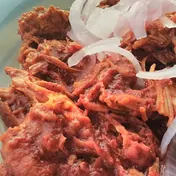
Cochinita pibil ★ 4.9
Cochinita pibil is the Yucatán's defining plate: pork shoulder marinated in sour orange and achiote, wrapped in banana leaves and slow-roasted overnight in an earth oven (pib), shredded over the heat.
Where to try it: Manjar Blanco, Doña Mary Cochinita Pibil, La Chaya Maya
Price: $80-180 MXN per torta or plate
The dish predates the Spanish conquest. The pib was the Maya earth-oven cooking method, used for chicken, deer and turkey before Spanish pork arrived. After 1542 Spanish citrus (sour orange) and pork married with Mayan recado rojo paste of achiote, garlic and pepper, and the cochinita pibil we know today emerged. Saturday-morning markets still cook it overnight in pit ovens and sell it from 6am.
Watch out for: Pork
-
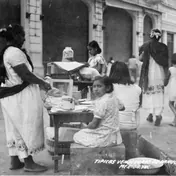
Panuchos ★ 4.7
Panuchos are Yucatecan puffed tortillas split, stuffed with refried black beans, then fried and topped with shredded turkey, pickled red onion, avocado and habanero salsa.
Where to try it: Panuchos Mercado Santa Ana, La Lonchería Castillo Santa Ana, La Chaya Maya, Eladio's Centro
Price: $30-60 MXN each
Panuchos are an early-20th-century Yucatecan invention, attributed to Doña Vale of Campeche who, the story goes, mixed leftover bean paste into fried tortillas to extend a meal. The name comes from 'pan de Don Ucho', a regional baker. The dish moved up the peninsula and became the Mérida market breakfast.
Watch out for: Gluten, Turkey
-
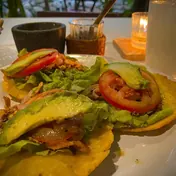
Salbutes ★ 4.5
Salbutes are lighter, unfilled cousins of panuchos: puffed and fried corn tortillas topped with shredded turkey, lettuce, tomato, avocado and pickled red onion.
Where to try it: Panuchos Mercado Santa Ana, Salbutes y Panuchos Doña Tina, La Chaya Maya, Mercado de Santiago
Price: $25-50 MXN each
Salbutes share roots with panuchos in early-1900s Yucatán market cookery. Where panuchos hide refried beans inside the fried tortilla pocket, salbutes are open-faced and lighter, sold as a quick breakfast or street snack at peninsula markets. The masa is patted thicker than a tortilla and fried until it puffs slightly; toppings are turkey or shredded chicken, pickled red onion, avocado, lettuce and tomato. Mercado de Santa Ana morning puestos and Lonchería El Recreo on Calle 62 are the canonical street counters in Mérida centro, selling salbutes from 7am until they run out by mid-morning. La Chaya Maya runs the reference sit-down version.
Watch out for: Gluten, Turkey
Book food experiences in Mérida


-
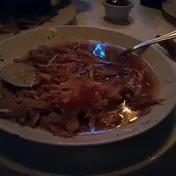
Sopa de lima ★ 4.7
Sopa de lima is the Yucatán's signature soup: light turkey or chicken broth brightened with the juice of native Yucatán lima (a sweet-tart limón), garnished with crispy tortilla strips, avocado and a slice of fresh lima.
Where to try it: La Chaya Maya, La Tradición, Los Almendros, Eladio's Centro
Price: $80-160 MXN per bowl
The dish is built around the Yucatán lima criolla (Citrus limetta), a sweet-sour citrus distinct from regular limes. Spanish citrus crossed with Mayan turkey broth and habanero produced the soup in the colonial era. Today's canonical version at La Tradición and La Chaya Maya runs Yucatán lima, achiote and turkey.
Watch out for: Gluten
-
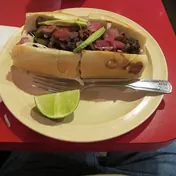
Poc chuc ★ 4.6
Poc chuc is thinly sliced pork loin marinated in sour orange, grilled over wood and served with pickled onion, beans, rice and a charred tomato salsa.
Where to try it: Los Almendros, La Tradición, La Chaya Maya
Price: $160-280 MXN per plate
Poc chuc is a relatively young Yucatecan dish, popularized by Los Almendros in Ticul in the 1960s before the chain expanded to Mérida in 1972. The name combines Mayan poc (toasted) and chuc (charcoal). The technique is to marinate thin pork loin or leg slices in sour orange and salt for an hour, then grill over an extremely hot charcoal fire for under three minutes a side. Standard plates pair the pork with frijol colado bean broth, charred white onion, avocado, pickled habanero salsa and a stack of warm corn tortillas. La Chaya Maya, El Príncipe Tutul-Xiu and Los Almendros all run reference versions in Mérida.
Watch out for: Pork
-
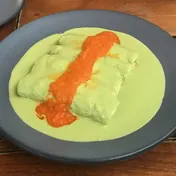
Papadzules ★ 4.6
Papadzules are corn tortillas dipped in a green pumpkin-seed sauce (pepita molida), rolled around hard-boiled egg and finished with a fresh tomato-and-chiltomate sauce.
Where to try it: La Chaya Maya, La Tradición, Los Almendros, Manjar Blanco
Price: $110-180 MXN per plate
The dish dates to pre-Hispanic Maya cookery, where pumpkin seeds were the daily grease and protein source on the peninsula. The name in Mayan ('papak suul') means 'food for lords'. Spanish hard-boiled egg overlay made the modern version: corn tortillas dipped in a green pumpkin-seed sauce (pepita with epazote and chaya), wrapped around chopped hard-boiled egg, topped with a separate tomato-habanero salsa and crowned with the green pumpkin-seed oil. La Chaya Maya, La Tradición and Mercado Lucas de Gálvez puestos all run canonical recipes today; the dish is a popular Lenten plate in Mérida.
Watch out for: Egg, Gluten
-
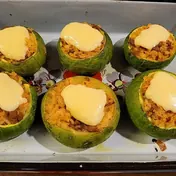
Queso relleno ★ 4.5
Queso relleno is a hollowed wheel of Edam cheese stuffed with picadillo (spiced ground pork), wrapped in muslin and steamed until the cheese softens, served with k'ool (white sauce) and tomato sauce.
Where to try it: Manjar Blanco, La Tradición, Los Almendros, La Chaya Maya
Price: $220-360 MXN per plate
The dish is the Yucatán's tribute to Caribbean and Dutch trade routes that brought Edam (queso de bola) to the peninsula in the colonial era, married with Spanish-influenced picadillo. It became a celebration dish for Yucatecan weddings and Sunday lunches by the early 20th century. The technique is to hollow out a whole queso de bola, stuff it with a pork-and-raisin picadillo seasoned with capers, olives and chiles dulces, then bake until the cheese melts and forms a soft shell. The picadillo is sauced with kol blanco (béchamel-like) and chiltomate. La Tradición, La Chaya Maya and Restaurante Kinich in Izamal run reference versions.
Watch out for: Dairy, Pork
-
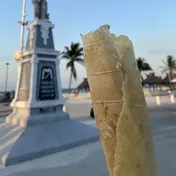
Marquesitas ★ 4.6
Marquesitas are thin crisp wafers, rolled around a filling of Edam cheese (queso de bola) and a sweet partner like cajeta, Nutella or chocolate, the Yucatán's signature street sweet.
Where to try it: Marquesitas El Tony Plaza Grande, Marquesitas Parque Hidalgo
Price: $30-60 MXN each
The dish was invented in Yucatán in the 1930s by Leopoldo Mena, an ice-cream vendor who, in slow winter months, started selling just the wafer cones from his ice-cream business. Queso de bola filling came from the Yucatán's Caribbean cheese trade. Today the carts on Plaza Grande and Parque Hidalgo are the canonical source.
Watch out for: Dairy, Gluten, Egg
-
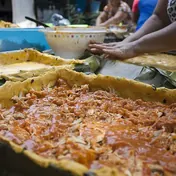
Mucbipollo (Pib de pollo) ★ 4.7
Mucbipollo is a large Yucatecan tamale of chicken and pork in achiote, wrapped in banana leaves and traditionally buried-baked in an earth oven on Hanal Pixán (Day of the Dead) for the souls of the departed.
Where to try it: Pancho Maíz, Manjar Blanco, La Chaya Maya
Price: $180-320 MXN per portion
Mucbipollo is the central food of Hanal Pixán, the Yucatán Day of the Dead (October 31 to November 2). The Maya word 'muc' means to bury; 'bil' is the verb to cook in the ground. Communities buried the pib oven on the day, fed it from above, and revealed the tamal as a feast for both living and dead. The tradition continues every Hanal Pixán in Mérida.
Watch out for: Pork, Poultry
-
Pavo en escabeche oriental ★ 4.4
Pavo en escabeche oriental is Yucatecan turkey simmered in toasted-spice broth with onion, garlic and bitter orange, served with the broth poured over and corn tortillas alongside.
Where to try it: La Chaya Maya, La Tradición, Manjar Blanco, Eladio's Centro
Price: $160-280 MXN per plate
The dish is one of the oldest Yucatecan turkey preparations, named for the 'eastern' (oriental) Yucatán towns of Valladolid and Tizimín, where it originated. The escabeche uses toasted whole spices (allspice, oregano, cumin, cloves) and an acidic citrus stock from Yucatán sour orange, a Mayan technique softened by Spanish contact. The turkey is roasted whole, then served in clay bowls of broth with the escabeche and a stack of charcoal-grilled red onions; sides are pickled habanero, lime wedges and warm corn tortillas. Restaurante Kinich in Izamal and Yerba Buena del Sisal in Mérida run authoritative versions; the dish anchors Valladolid's Sunday market lunch.
Watch out for: Turkey, Gluten
-
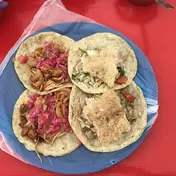
Lechón al horno ★ 4.5
Lechón al horno is Yucatecan suckling pig roasted whole in a wood oven, the skin crisp and crackling, the meat marinated in achiote and bitter orange.
Where to try it: Lonchería La Lupita Mercado Santiago, Mercado de Santiago, La Tradición, Mercado Lucas de Gálvez
Price: $120-240 MXN per torta or plate
Spanish lechón roasting met Mayan achiote marination in Yucatán colonial kitchens to produce the slow-roasted whole-pig plate that anchors Mérida's Sunday-lunch tradition. The young pig is rubbed with achiote, sour orange, garlic and salt, then slow-roasted in a wood-fired horno for six hours until the skin is glassy and the meat falls from the bone. Today it appears across Yucatán cantinas and markets, especially at Lonchería La Lupita inside Mercado de Santiago, where it sells out by 13:30, and at El Príncipe Tutul-Xiu. Standard plates pair the pork with frijol colado, chiltomate salsa and warm tortillas.
Watch out for: Pork
-
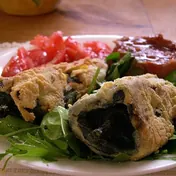
Relleno negro ★ 4.4
Relleno negro is a Yucatecan stew of turkey or pork in a deeply black sauce made from charred dried chiles, the dish's distinguishing colour and smoky flavour coming from the burnt-chile recado negro paste.
Where to try it: La Chaya Maya, La Tradición, Manjar Blanco
Price: $160-280 MXN per plate
The dish is one of the oldest Mayan stews to survive into modern Yucatán cookery, traditionally cooked for Hanal Pixán (the Yucatán Day of the Dead) and family feasts. The recado negro paste (charred chiles xcatic and chile dulce, garlic, cloves, allspice and burnt tortilla) gives the deep-black colour; the technique is to char everything to ash on a comal, then grind and rehydrate. Stuffed turkey or chicken cooks in the inky stock for two hours; hard-boiled egg and pork meatballs (bolitas) ring the plate. La Chaya Maya, La Tradición and Restaurante Kinich in Izamal are the canonical sources. The dish appears across Mérida tasting menus during November.
Watch out for: Turkey, Egg
Signature Dishes in Mérida, FAQ
What food is Mérida known for?
Mérida's signature dishes include Cochinita pibil, Panuchos, Salbutes, Sopa de lima, Poc chuc. See our signature dishes chapter for where to eat each.