Signature dishes
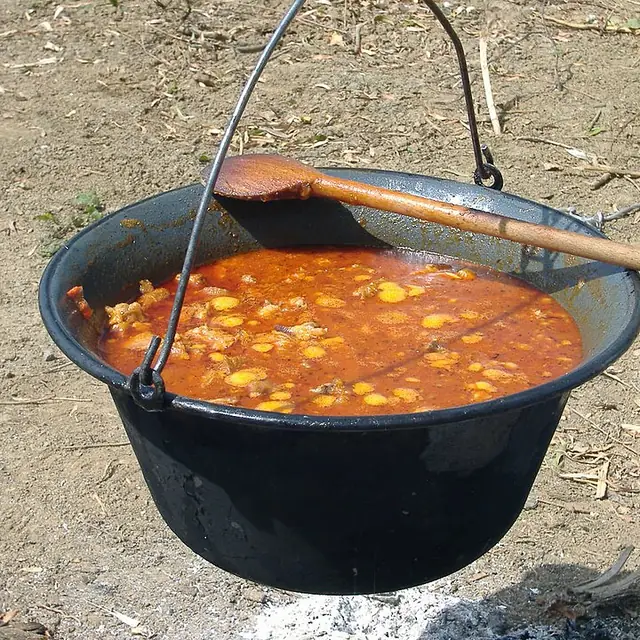
A thin paprika-and-beef soup with cubed potatoes, onion, caraway and a knob of bacon fat to start it, ladled from a kettle. Hungary's civic dish, the thing the rest of the world miscalls goulash.
Where: Hungarikum Bisztró, Gettó Gulyás, Kispiac Bisztró, Menza Étterem
Price: 2,500 to 4,000 Ft
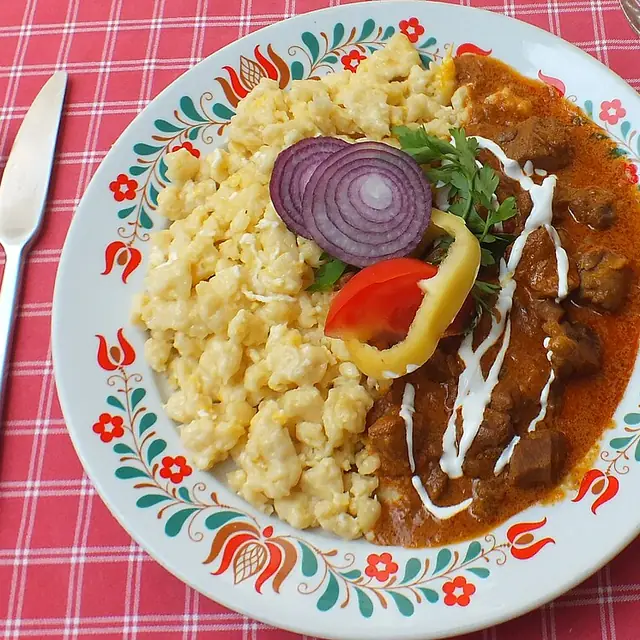
A thick paprika braise of cubed meat (beef, pork, veal, mutton) with onions and just enough liquid to cook it down to a glossy sauce. The serious version eaten in Hungarian homes, distinct from gulyás.
Where: Hungarikum Bisztró, Gettó Gulyás, Kőleves Vendéglő
Price: 3,000 to 5,500 Ft
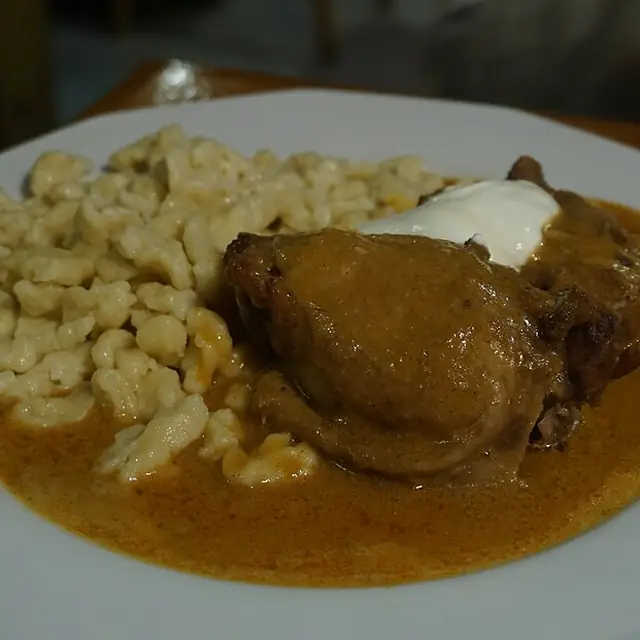
Chicken thighs braised with paprika and onions, finished with sour cream stirred in off the heat, served with nokedli (egg dumplings) to soak the sauce.
Where: Hungarikum Bisztró, Menza Étterem, Kispiac Bisztró
Price: 3,500 to 5,500 Ft
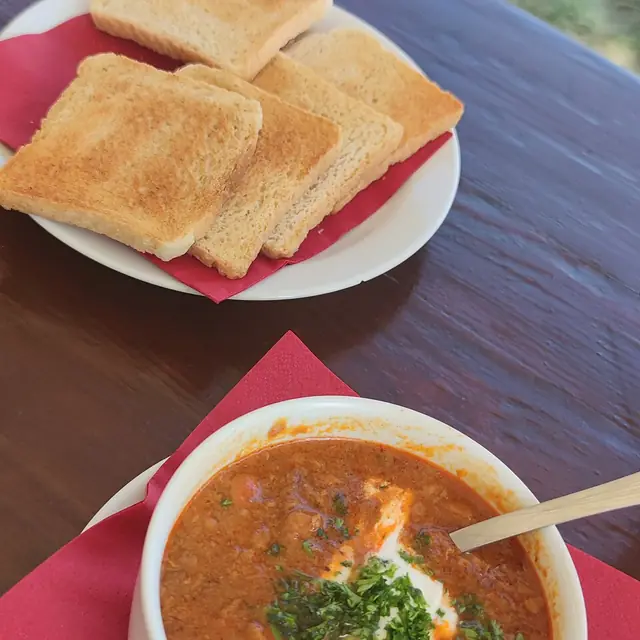
Hungarian river-fish soup of carp, catfish or pike-perch, hot with paprika, the broth thickened only by the heads and bones. The signature Christmas Eve dish along the Danube and Tisza.
Where: Hungarikum Bisztró, Stand, Borkonyha Winekitchen
Price: 3,500 to 6,000 Ft
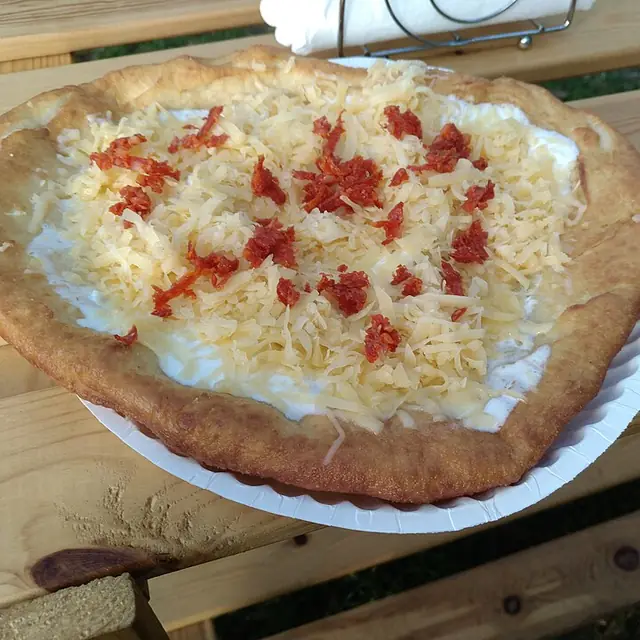
Deep-fried flatbread the size of a small pizza, topped with sour cream, grated cheese and a clove of raw garlic rubbed across the dough. Street food gold across the Hungarian markets.
Where: Karaván Street Food, Központi Vásárcsarnok Lángos Counter, Retró Lángos Budapest
Price: 1,500 to 2,500 Ft
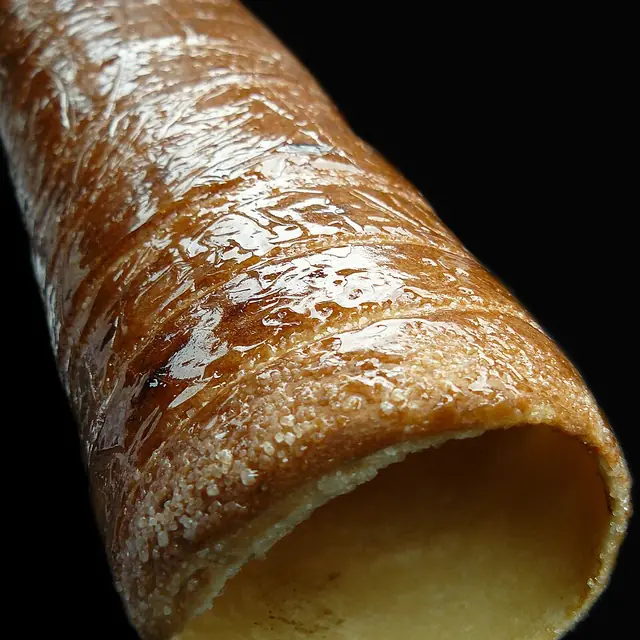
Hungarian chimney cake, a sweet yeasted dough wound around a wooden spit, brushed with butter and sugar, then rolled over coal until the sugar caramelises into a crisp shell.
Where: Karaván Street Food, Molnár's Kürtőskalács, Stika Bakery
Price: 2,200 to 3,000 Ft
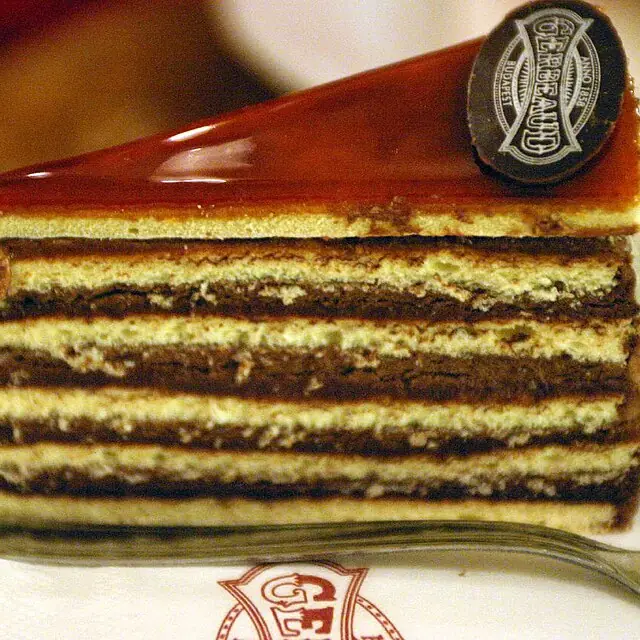
A six-layer sponge cake with chocolate buttercream, topped with a disc of caramelised sugar cracked into shards. Hungarian patisserie's most photographed cake.
Where: Auguszt Cukrászda Belváros, Centrál Kávéház, Művész Kávéház
Price: 1,500 to 2,200 Ft
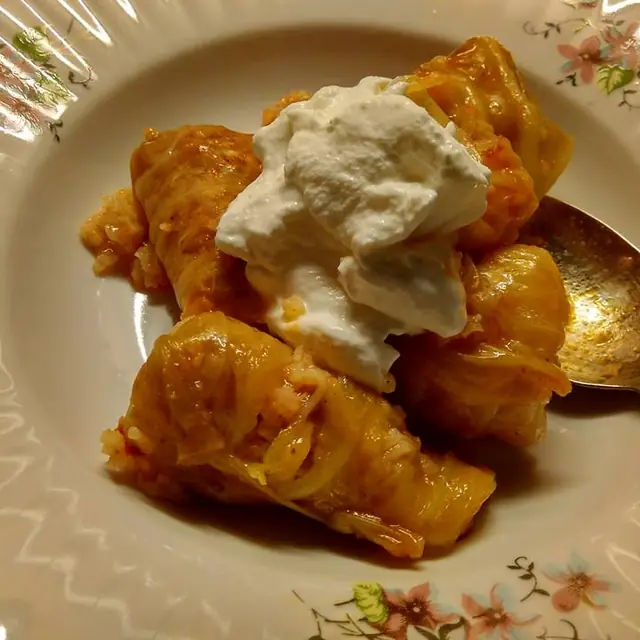
Cabbage leaves stuffed with pork and rice, simmered in a paprika sauce over sauerkraut. Christmas Eve dinner in most Hungarian households, available year-round at canteens.
Where: Hungarikum Bisztró, Gettó Gulyás, Frici Papa Kifőzdéje
Price: 2,500 to 4,500 Ft
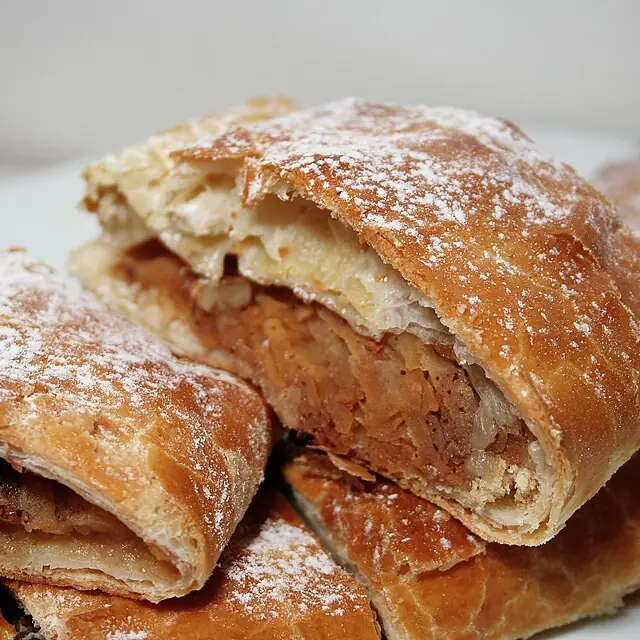
Paper-thin pastry stretched until it covers a tablecloth, filled with apple-cinnamon, sour cherry, poppy seed or sweetened cottage cheese, then rolled and baked.
Where: Első Pesti Rétesház, Rétesbár, Daubner Cukrászda
Price: 900 to 1,800 Ft
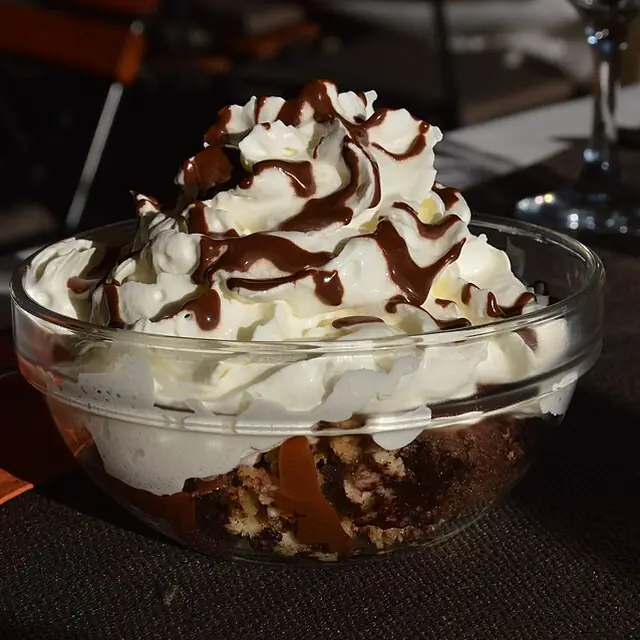
A Hungarian trifle of three sponges, walnuts, raisins, rum syrup and chocolate sauce, layered into a pudding and served cold under a cloud of whipped cream.
Where: Hungarikum Bisztró, Menza Étterem, Centrál Kávéház
Price: 1,500 to 2,500 Ft
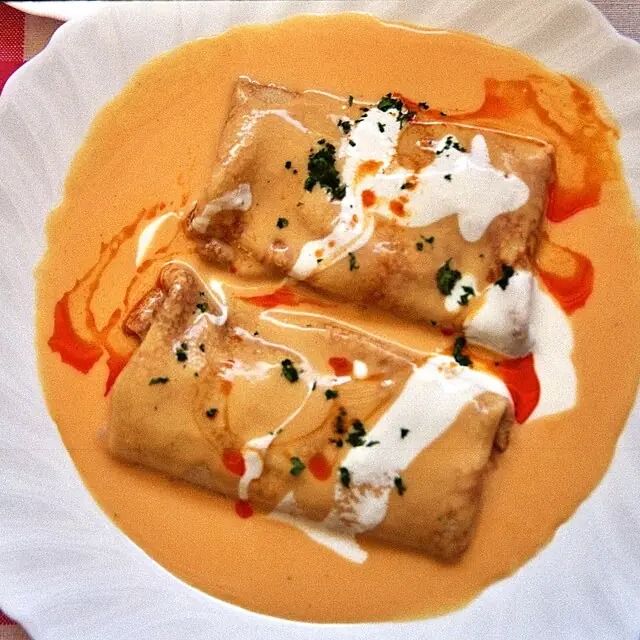
Hungarian savoury crepes filled with paprika veal stew, rolled and napped with a sour-cream sauce. The signature starter of restored Magyar haute cuisine.
Where: Hungarikum Bisztró, Borkonyha Winekitchen, Stand
Price: 2,800 to 4,500 Ft
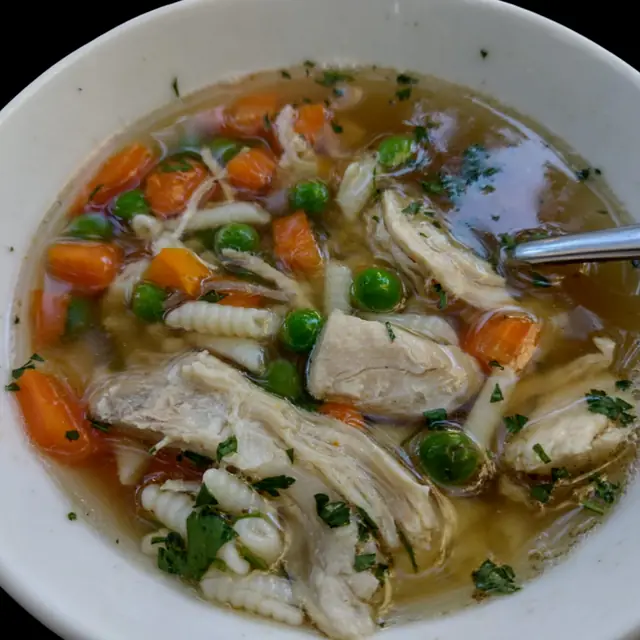
Hungarian clear chicken consomme with vermicelli, root vegetables and dill, named after actor Ede Újházi. The Sunday-lunch first course in Budapest middle-class homes for a century.
Where: Hungarikum Bisztró, Menza Étterem, Frici Papa Kifőzdéje
Price: 1,800 to 3,200 Ft
Gulyás
A thin paprika-and-beef soup with cubed potatoes, onion, caraway and a knob of bacon fat to start it, ladled from a kettle. Hungary's civic dish, the thing the rest of the world miscalls goulash.
History: Gulyás is the herdsmen's soup of the Hungarian Great Plain, named after the gulyás (cattle drover). The paprika version dates to the late 19th century when Szeged paprika industrialised. The thick-stew goulash known abroad is a Habsburg court adaptation; in Budapest gulyás is always a soup, not a stew.
Where to try it: Hungarikum Bisztró, Gettó Gulyás, Kispiac Bisztró, Menza Étterem
Watch out for: Gluten (in the bread)
Pörkölt
A thick paprika braise of cubed meat (beef, pork, veal, mutton) with onions and just enough liquid to cook it down to a glossy sauce. The serious version eaten in Hungarian homes, distinct from gulyás.
History: Pörkölt is the thick Hungarian braise that the world often calls goulash. It is older than the paprika version, probably pre-paprika, with the spice added from the 19th century. Eaten with nokedli (egg dumplings), potatoes or rice. The dish is built on a base of slow-cooked onions and lard, with no water beyond what comes from the meat and onions.
Where to try it: Hungarikum Bisztró, Gettó Gulyás, Kőleves Vendéglő
Watch out for: Egg (in the nokedli), Gluten (in the nokedli)
Paprikás csirke
Chicken thighs braised with paprika and onions, finished with sour cream stirred in off the heat, served with nokedli (egg dumplings) to soak the sauce.
History: Chicken paprikash dates to the same late-19th-century period as Szeged paprika's industrialisation. The sour cream finish (tejföl) is the Hungarian signature; the dish migrated west with Jewish immigrants and became a staple of Ashkenazi cooking. In Budapest it remains a Sunday lunch and Hungarian-home-cooking staple.
Where to try it: Hungarikum Bisztró, Menza Étterem, Kispiac Bisztró
Watch out for: Dairy, Egg (in the nokedli), Gluten (in the nokedli)
Halászlé
Hungarian river-fish soup of carp, catfish or pike-perch, hot with paprika, the broth thickened only by the heads and bones. The signature Christmas Eve dish along the Danube and Tisza.
History: Halászlé is the fisherman's soup of the Danube and the Tisza, with regional schools, including the Szeged version. The dish became a Christmas Eve staple in Budapest through the 20th century. Hungarian carp is the canonical fish, traditionally cooked at the riverbank in a kettle. The Szeged version uses a smooth paprika broth; the Tisza version blends in the fish bones.
Where to try it: Hungarikum Bisztró, Stand, Borkonyha Winekitchen
Watch out for: Fish
Lángos
Deep-fried flatbread the size of a small pizza, topped with sour cream, grated cheese and a clove of raw garlic rubbed across the dough. Street food gold across the Hungarian markets.
History: Lángos is older than the country, a fried-dough tradition shared across central Europe with Hungarian-specific toppings. The sour cream and cheese (tejfölös sajtos) version became the Budapest standard from the 1970s. Cooked at every market hall in the city, from Központi Vásárcsarnok on the Pest side to the smaller neighbourhood markets. Originally a household bread made from leftover dough, the version sold at counters today is deep-fried, garlic-rubbed and loaded with sour cream and grated Trappista cheese.
Where to try it: Karaván Street Food, Központi Vásárcsarnok Lángos Counter, Retró Lángos Budapest
Watch out for: Gluten, Dairy
Kürtőskalács
Hungarian chimney cake, a sweet yeasted dough wound around a wooden spit, brushed with butter and sugar, then rolled over coal until the sugar caramelises into a crisp shell.
History: Kürtőskalács is a Transylvanian Hungarian tradition that arrived in Budapest in force from the early 2000s. The cinnamon-walnut version is the standard; coal-fire rolling at the counter is part of the show. The cake takes its name from the Hungarian kürtő (chimney), describing the hollow tube created by the spit.
Where to try it: Karaván Street Food, Molnár's Kürtőskalács, Stika Bakery
Watch out for: Gluten, Dairy, Egg
Dobos torta
A six-layer sponge cake with chocolate buttercream, topped with a disc of caramelised sugar cracked into shards. Hungarian patisserie's most photographed cake.
History: József Dobos created the cake in 1884 at his delicatessen on Kecskeméti utca in Pest and showed it at the 1885 National General Exhibition in Budapest, where Franz Joseph and Empress Elisabeth were among the first to taste it. He kept the recipe to himself until 1906, when he donated it to the Budapest Confectioners' and Gingerbread Makers' Guild so that every pastry chef could make it. The caramel top, originally a preservation trick that kept the buttercream from drying out during long journeys, became the cake's signature. The paper-thin sponges separated by chocolate buttercream and crowned with a caramel shard remain the city's defining patisserie creation, run at classical cukrászdák and coffee houses from Auguszt to the Centrál.
Where to try it: Auguszt Cukrászda Belváros, Centrál Kávéház, Művész Kávéház
Watch out for: Gluten, Dairy, Egg
Töltött káposzta
Cabbage leaves stuffed with pork and rice, simmered in a paprika sauce over sauerkraut. Christmas Eve dinner in most Hungarian households, available year-round at canteens.
History: Stuffed cabbage in central Europe predates Hungary itself, but the Hungarian paprika-sauerkraut version is the local signature. The Christmas Eve serving is the canonical context; the dish appears year-round on Hungarian comfort menus and is traditionally eaten on the second day after cooking when the flavours deepen.
Where to try it: Hungarikum Bisztró, Gettó Gulyás, Frici Papa Kifőzdéje
Watch out for: Gluten (in the stuffing)
Rétes (Hungarian strudel)
Paper-thin pastry stretched until it covers a tablecloth, filled with apple-cinnamon, sour cherry, poppy seed or sweetened cottage cheese, then rolled and baked.
History: The rétes arrived through Vienna in the 18th century but was perfected by Hungarian cooks who treated dough-stretching as the room's central performance. The poppy seed (mákos) and cottage cheese (túrós) fillings are the most Hungarian of the variants. Első Pesti Rétesház stretches dough in front of customers as part of the experience.
Where to try it: Első Pesti Rétesház, Rétesbár, Daubner Cukrászda
Watch out for: Gluten, Dairy, Egg
Somlói galuska
A Hungarian trifle of three sponges, walnuts, raisins, rum syrup and chocolate sauce, layered into a pudding and served cold under a cloud of whipped cream.
History: Somlói galuska was invented by Károly Gollerits at the Gundel kitchen in the 1950s and named for Somló, a Hungarian wine region. The dish became a Hungarian restaurant staple in the 1960s and is now on most refined Hungarian dessert menus. It is traditionally assembled cold from three differently-flavoured sponges scooped into a glass.
Where to try it: Hungarikum Bisztró, Menza Étterem, Centrál Kávéház
Watch out for: Gluten, Dairy, Egg, Tree nuts
Hortobágyi palacsinta
Hungarian savoury crepes filled with paprika veal stew, rolled and napped with a sour-cream sauce. The signature starter of restored Magyar haute cuisine.
History: Hortobágyi palacsinta was created in 1958 for the Hungarian pavilion at the Brussels World's Fair, popularly credited to celebrity chef János Rákóczi. Despite the rustic name evoking the Hortobágy puszta on the Great Plain, the dish has no historical roots there; the Hortobágy reference was 1950s marketing meant to suggest national tradition. It remains a Magyar fine-dining starter at Stand, Hungarikum Bisztró and Borkonyha.
Where to try it: Hungarikum Bisztró, Borkonyha Winekitchen, Stand
Watch out for: Gluten, Dairy, Egg
Újházi tyúkhúsleves
Hungarian clear chicken consomme with vermicelli, root vegetables and dill, named after actor Ede Újházi. The Sunday-lunch first course in Budapest middle-class homes for a century.
History: Újházi tyúkhúsleves was named after the famous Hungarian stage actor Ede Újházi (1844-1915), who insisted on a particularly rich version made from an old hen with abundant root vegetables. The broth became the canonical Hungarian Sunday-lunch soup, served as the opening course before pörkölt or paprikás csirke. Hungarikum Bisztró and Menza both serve the traditional version with vermicelli or csiga noodles.
Where to try it: Hungarikum Bisztró, Menza Étterem, Frici Papa Kifőzdéje
Watch out for: Gluten, Egg