The plates that define Plovdiv: what they are, where they came from, and where to eat the canonical version.
Signature dishes
-
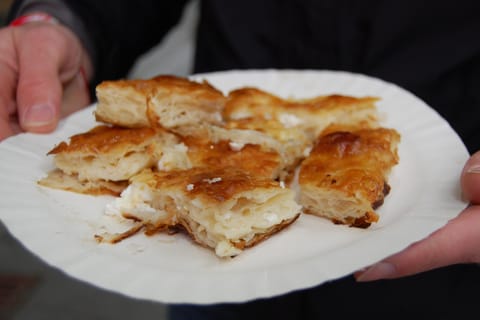
Banitsa ★ 4.8
Banitsa is the Bulgarian filo pastry, layered with sirene cheese, yoghurt and egg, baked until the top sheets blister. Ate hot for breakfast across Plovdiv.
Where to try it: Mekitsa and Coffee, Hali Banitsa Counter, Gibb Bakery, Aylyakria
Price: 2-4 BGN per slice
Banitsa appears in 12th-century Bulgarian monastic kitchens, refined under Ottoman rule with phyllo techniques shared across the Balkans. The Bulgarian Revival cemented sirene-and-yoghurt as the canonical filling. Plovdiv counters still queue from sunrise for the marmalade and sirene variants, and the dish is eaten hot for breakfast across the Kapana and Old Town neighbourhoods on weekday mornings.
Watch out for: Gluten, Dairy, Egg
-
Shopska salad ★ 4.7
The Bulgarian national salad: tomato, cucumber, raw or roasted pepper and onion, all crowned with a snowfall of grated sirene cheese. Eaten with rakia and bread.
Where to try it: Stariyat Plovdiv, Pavaj, Aylyakria, Restaurant Alafrangite
Price: 8-14 BGN
Codified by the Bulgarian state tourism agency Balkanturist in 1955 as the national salad to promote to foreign visitors, with the colours (red, white, green) matching the Bulgarian flag. Shopska is named for the Shopi people of western Bulgaria; today it is the canonical Bulgarian opening course, eaten with rakia and bread before every shared meal in Plovdiv and across the country.
Watch out for: Dairy
-
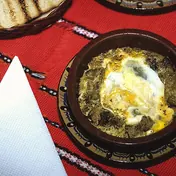
Kavarma ★ 4.6
Kavarma is the Bulgarian clay-pot stew: pork or chicken slow-cooked with onions, peppers, tomato and paprika until the meat falls from the bone.
Where to try it: Restaurant Alafrangite, Odeon Restaurant, Stariyat Plovdiv, Boris Palace
Price: 16-28 BGN
The dish takes its name from the Turkish kavurma (roasted meat), reflecting Ottoman influence on Bulgarian kitchens. Bulgarian villages each have a personal recipe; the clay pot (gyuvech) holds the heat and concentrates the sauce into a thick, paprika-stained gravy. In Plovdiv tavernas the pot arrives bubbling at the table with bread for mopping and a glass of mavrud red wine.
Book food experiences in Plovdiv
-
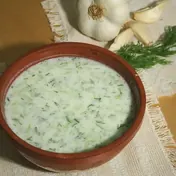
Tarator ★ 4.7
Tarator is the Bulgarian cold yoghurt soup with cucumber, walnut, dill, garlic and a splash of sunflower oil. The summer staple from June through September.
Where to try it: Pavaj, Aylyakria, Hemingway, Restaurant Alafrangite
Price: 6-10 BGN
Tarator's roots are Persian via Ottoman Turkey, where the dish was originally a yoghurt sauce. Bulgaria's contribution was thinning it into a soup and folding in cucumber and walnut. Today it is one of the most recognisable Bulgarian dishes, served chilled to start summer meals from June through September across Plovdiv's tavernas and family tables.
Watch out for: Dairy, Tree nuts
-
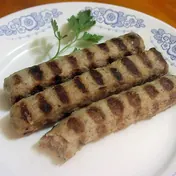
Kebapche ★ 4.6
Kebapche is the Bulgarian grilled minced-meat skewer: a finger-shape of pork (sometimes mixed with beef), garlic, cumin and savory, cooked over charcoal.
Where to try it: Stariyat Plovdiv, Restaurant Alafrangite, Odeon Restaurant, Skara Kebapche Knyaz
Price: 3-5 BGN each
Kebapche entered Bulgarian cooking under the Ottomans, who brought minced-meat grilling traditions from Asia Minor. Bulgaria's specific seasoning (savory, cumin, black pepper) and its pork base distinguishes Bulgarian kebapche from the lamb-and-beef Turkish original. Pair with lyutenitsa and bread at any Plovdiv mehana from spring through autumn, often served with a side of fried potatoes.
-
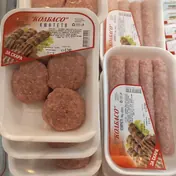
Kyufte ★ 4.5
Kyufte is the Bulgarian grilled meat patty: a flat, round disc of minced pork with onion, cumin and garlic, cooked over charcoal alongside its cousin kebapche.
Where to try it: Stariyat Plovdiv, Restaurant Alafrangite, Odeon Restaurant, Skara Kebapche Knyaz
Price: 4-6 BGN each
Kyufte (from Persian kufteh, via Ottoman Turkish) is the round counterpart to kebapche's finger shape. Bulgarian kyufte uses pork plus a higher proportion of onion, which keeps it juicy on the grill. Often served with chips, lyutenitsa and pickled vegetables, the dish is the standard pairing with kebapche on Plovdiv mehana grills through summer.
Watch out for: Gluten (breadcrumb binder)
-
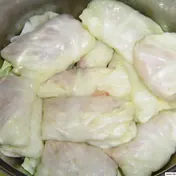
Sarmi ★ 4.4
Bulgarian sarmi are cabbage or vine leaves stuffed with rice, minced pork and dill. The Christmas Eve table classic and a winter mehana standby.
Where to try it: Restaurant Alafrangite, Stariyat Plovdiv, Boris Palace, Puldin Restaurant
Price: 12-20 BGN
Sarmi descend from Ottoman dolma (stuffed vegetables) and were absorbed into Bulgarian Christmas tradition. The pickled cabbage leaf version is winter; vine leaves are summer. Each Bulgarian grandmother has a slightly different ratio. Distinguishable from Romanian sarmale by their dill-heavy seasoning.
-
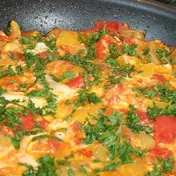
Mish-mash ★ 4.4
Mish-mash is the Bulgarian summer breakfast scramble: tomato, green pepper, onion and sirene cheese all folded into soft scrambled eggs, eaten hot with bread and ayran.
Where to try it: Pavaj, Aylyakria, Hemingway, Mekitsa and Coffee
Price: 8-14 BGN
Mish-mash is the Bulgarian summer breakfast, evolved from peasant kitchens turning leftover roast peppers into a fast skillet meal. The name (literally, mish-mash) reflects the dish's improvisational character. Eat with bread and a glass of ayran in Plovdiv's morning cafes from June through September while the peppers are in season.
Watch out for: Egg, Dairy
-
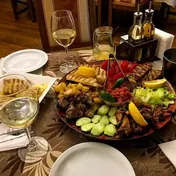
Lyutenitsa ★ 4.4
Lyutenitsa is the Bulgarian roasted pepper, tomato and aubergine spread. Sweet, smoky, slightly spicy, eaten on bread with sirene or alongside grills.
Where to try it: Stariyat Plovdiv, Restaurant Alafrangite, Pavaj, Aylyakria
Price: 4-8 BGN per portion at restaurants; 10-15 BGN per 500g jar at markets
Lyutenitsa is the late-September Bulgarian preserve. Families roast bell peppers and aubergines over wood fires, peel them by hand, then cook the flesh with tomato into a thick spread put up in jars for winter. The Plovdiv plain is one of Bulgaria's largest pepper-growing regions, and the autumn roasting fills the city's neighbourhoods with sweet smoke.
-
Bulgarian yoghurt ★ 4.7
Bulgarian yoghurt is the original Lactobacillus bulgaricus culture: thick, tangy, eaten as breakfast, dressing for tarator, condiment for sarmi and base for ayran.
Where to try it: Aylyakria, Hemingway, Pavaj, Hali Banitsa Counter
Price: 3-6 BGN per 400g jar
Stamen Grigorov isolated Lactobacillus bulgaricus in 1905 at a Geneva laboratory, and the bacterium gives Bulgarian yoghurt its characteristic tang and texture. Bulgaria built a yoghurt export industry on the discovery; the country's centenarians were once attributed to daily yoghurt consumption, and the live-culture pots remain a fixture on every Plovdiv breakfast table.
Watch out for: Dairy
-
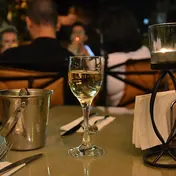
Rakia ★ 4.5
Rakia is the Bulgarian fruit brandy, typically distilled from grape (grozdova) or plum (slivova). The shot accompanies almost every Bulgarian meal start.
Where to try it: Stariyat Plovdiv, Restaurant Alafrangite, Pavaj, Boris Palace
Price: 3-8 BGN per 50ml shot at restaurants
Rakia distillation reached Bulgaria from the Ottoman Empire in the 15th century. Bulgarian villages still distil home rakia each autumn from grape and plum harvests. The Plovdiv plain's grape harvest feeds both the wine and rakia industries; the strongest grozdova reaches 55 percent ABV, and shots are poured before nearly every meal in the city.
-

Mekitsa ★ 4.6
Mekitsa is the Bulgarian fried dough breakfast: a soft yeasted disc fried in oil and eaten hot with sirene cheese, jam, honey or powdered sugar.
Where to try it: Mekitsa and Coffee, Gibb Bakery, Hali Banitsa Counter, Hlyab Bakery Ostromila
Price: 2-5 BGN each
Mekitsa is the Bulgarian and Balkan answer to the doughnut or beignet. The Bulgarian version uses a yoghurt-leavened dough that puffs in hot oil. Plovdiv's Mekitsa and Coffee popularised modern combinations alongside the traditional sirene-and-jam pairing, and the fried discs are eaten hot for breakfast from morning counters across the city.
Watch out for: Gluten, Dairy, Egg
Signature Dishes in Plovdiv, FAQ
What food is Plovdiv known for?
Plovdiv's signature dishes include Banitsa, Shopska salad, Kavarma, Tarator, Kebapche. See our signature dishes chapter for where to eat each.