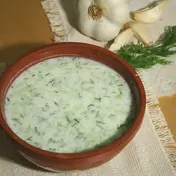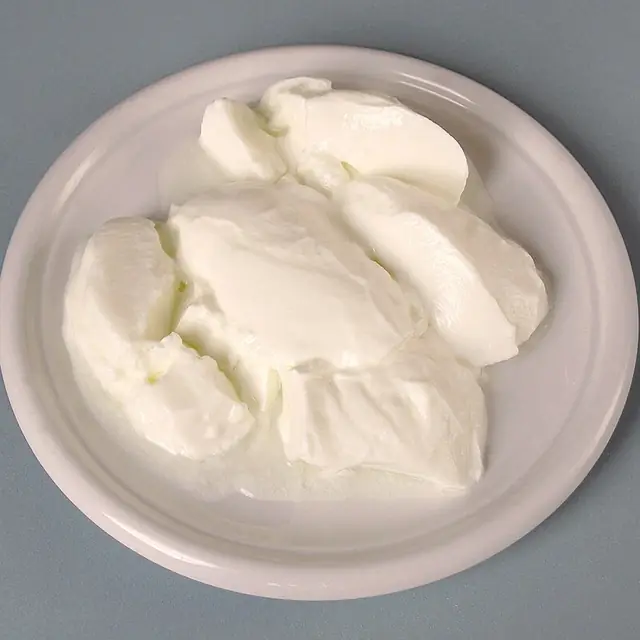
Bulgarian yoghurt is made with Lactobacillus bulgaricus, the bacterium isolated in 1905 by Stamen Grigorov and named for Bulgaria by the scientific community.

The bacterium Lactobacillus bulgaricus was isolated in 1905 by the Bulgarian medical student Stamen Grigorov in a Geneva laboratory, and the strain was named for Bulgaria. In the 1950s the state-owned Bulgarian yogurt company patented and promoted a blend of strains as the official Bulgarian yoghurt, which is still exported to yogurt producers in many countries. The Russian biologist Ilya Mechnikov hypothesized that regular yogurt eating explained the long lives of Bulgarian peasants.


Where to eat Bulgarian yoghurt in Plovdiv

The editor picks for Bulgarian yoghurt in Plovdiv are still in research. Meanwhile, see the Plovdiv signature-dishes index or the Plovdiv food guide.

Book food experiences in Plovdiv

See all 208 food experiences in Plovdiv

Make it at home

Serves 18 hrEasy

Ingredients

  • 1 litre full fat cow's milk
  • 2 tablespoons live Bulgarian yoghurt (starter culture)

Method

  1. Heat the milk to 85 degrees Celsius in a heavy pan, stirring to prevent skin.
  2. Cool the milk to 45 degrees Celsius.
  3. Whisk in the starter yoghurt until smooth.
  4. Pour into a clean glass jar. Cover with a lid.
  5. Wrap the jar in a towel; place in an oven with only the light on, or in a warm spot at 40 to 45 degrees Celsius for 8 hours.
  6. Refrigerate when set. The yoghurt thickens further as it cools.
  7. Save two tablespoons as starter for the next batch.

Editor tip. Don't disturb the jar during fermentation; movement breaks the curd. Use a thermometer; temperature is everything for the Bulgarian culture.

Common allergens: Dairy.