Signature dishes
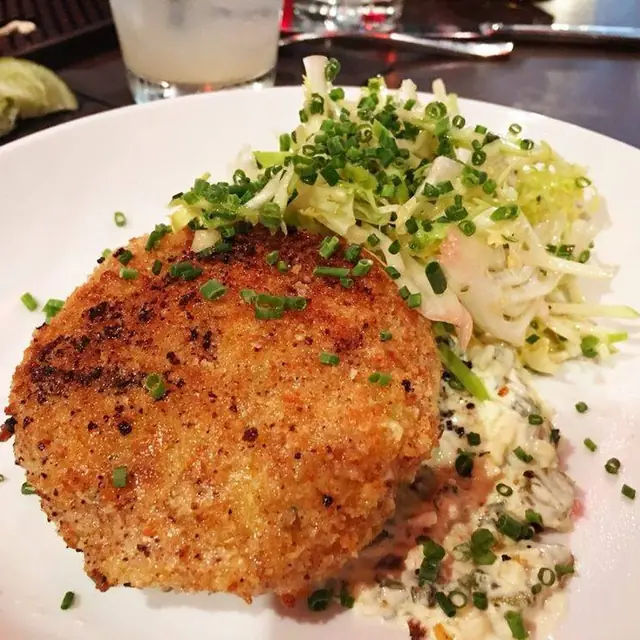
Seattle's defining shellfish: sweet, dense, snow-white meat from the cold Pacific. Eaten cracked at the table with drawn butter, or chilled in a cocktail at Pike Place.
Where: Pike Place Chowder, Westward, Taylor Shellfish Oyster Bar Pioneer Square, Shaker + Spear, The Walrus and the Carpenter
Price: $30 to $48 for a whole crab
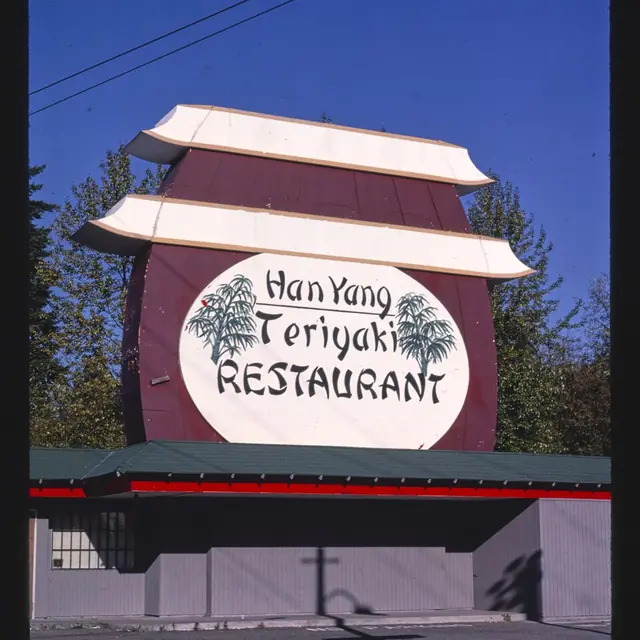
The American version of grilled-then-glazed chicken on rice that Toshi Kasahara invented at his Lower Queen Anne counter in 1976. Sugar, soy, char and shredded cabbage.
Where: Maneki, Ba Bar Capitol Hill
Price: $10 to $14 a plate
The thick, cream-based New England chowder that Larry Mellum reverse-engineered at his Pike Place Market counter in 2003. Eight national chowder cook-off wins and counting.
Where: Pike Place Chowder, Matt's in the Market, Ivar's Acres of Clams
Price: $12 to $18
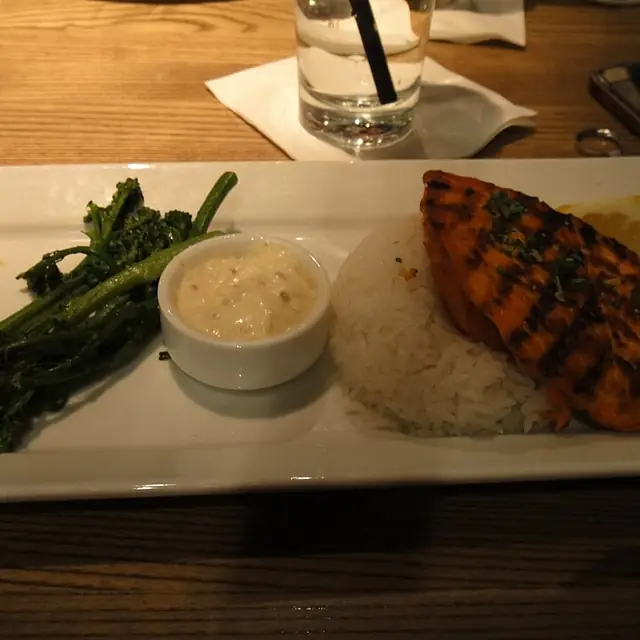
The fish that defines Seattle's table from May through September: copper river king, sockeye from Bristol Bay, and the silver coho that close the season in October.
Where: Canlis, Westward, Matt's in the Market, Shaker + Spear
Price: $32 to $58 per fillet plate
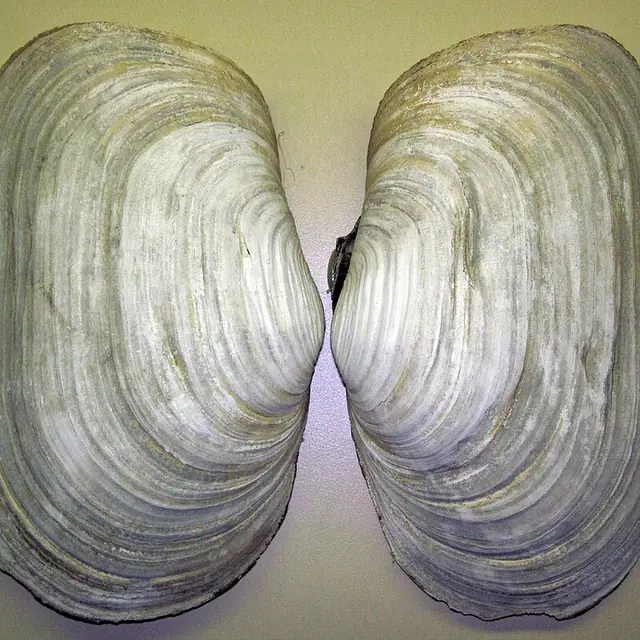
The Puget Sound clam with a foot-long siphon that locals pronounce gooey-duck. Sliced sashimi-thin at Maneki and Sushi Kashiba; cracked into chowder at Pike Place.
Where: Sushi Kashiba, Maneki, Taylor Shellfish Oyster Bar Pioneer Square
Price: $18 to $32 a plate
The Pike Place Market mac, baked in a cast-iron skillet with Beecher's Flagship cheddar and Just Jack. Oprah named it one of her favourite things in 2008.
Where: Beecher's Handmade Cheese, Matt's in the Market
Price: $9 to $13
Half-shell flights of Kumamoto, Olympia, Shigoku and Pacific oysters from Hood Canal and Willapa Bay. Briny in winter, melon-sweet in summer, eaten standing up.
Where: The Walrus and the Carpenter, Taylor Shellfish Oyster Bar Pioneer Square, Taylor Shellfish Oyster Bar Melrose, Shaker + Spear
Price: $2.50 to $3.50 each on happy hour, $4 otherwise
The smoked-salmon-and-cream-cheese filled bun that Piroshky Piroshky has folded by hand on Pike Place since 1992. The line moves; the bun does not change.
Where: Piroshky Piroshky
Price: $5 to $8
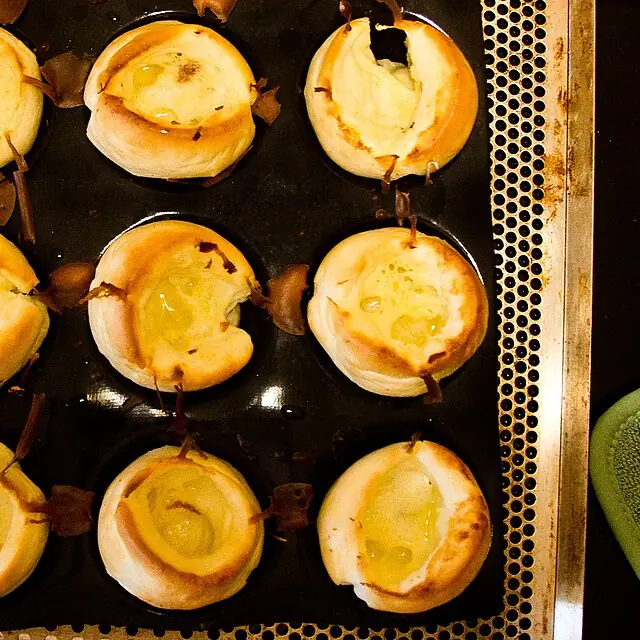
The single-pan oven pancake that Manca's Cafe popularised in Seattle in the 1900s and Tilikum Place Cafe carries today. Eggs, flour, butter, oven, lemon and sugar.
Where: Tilikum Place Cafe, Cafe Campagne
Price: $14 to $20
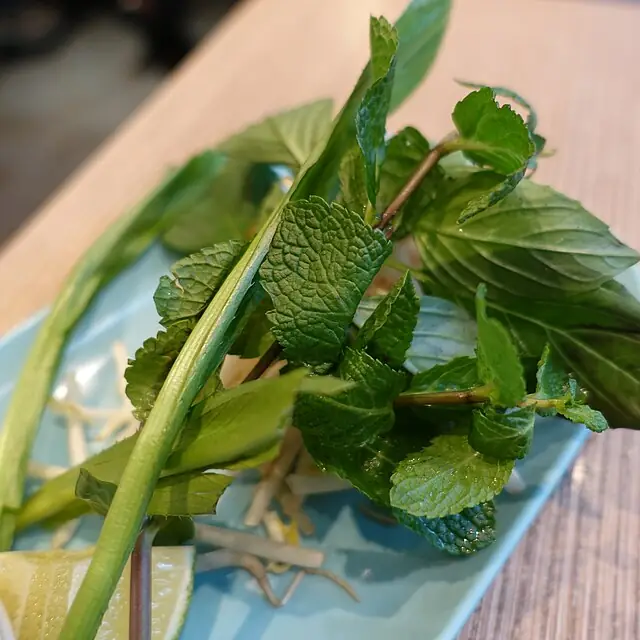
The Vietnamese beef noodle soup that the Pham family brought to Seattle in 1982. The Boat on South Jackson serves the city's defining bowl, with brisket, flank and tendon.
Where: The Boat, Ba Bar Capitol Hill, Ramie
Price: $12 to $18
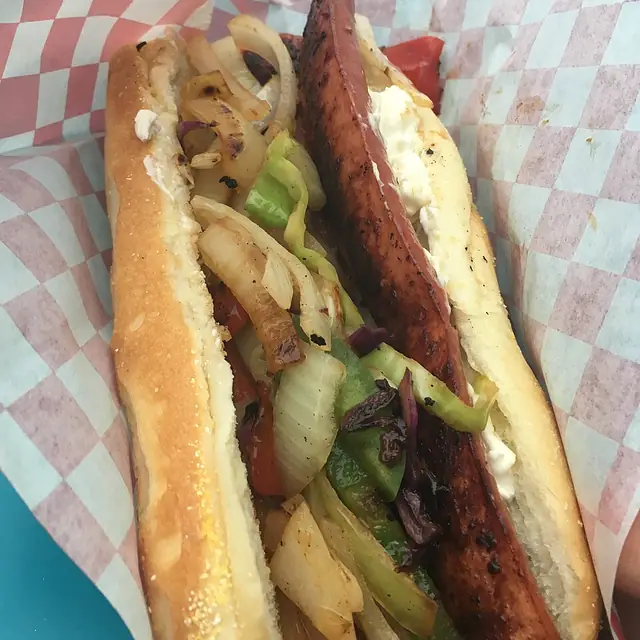
A grilled hot dog or Polish sausage in a toasted bun, smeared with cream cheese before the dog goes in and topped with grilled sweet onions, jalapeños and sriracha. The post-bar dog of Pike Place and Capitol Hill.
Where: Dick's Drive-In Broadway
Price: $7-12
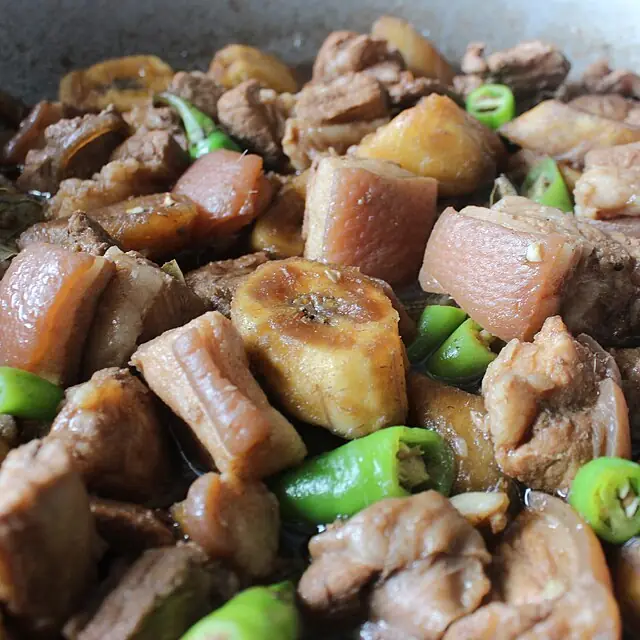
Chicken thighs (or pork shoulder) braised in vinegar, soy sauce, garlic, bay and black peppercorns, then crisped under high heat until the sauce reduces to a glossy lacquer. The Seattle Filipino diaspora plate.
Where: Ba Bar Capitol Hill
Price: $16-26
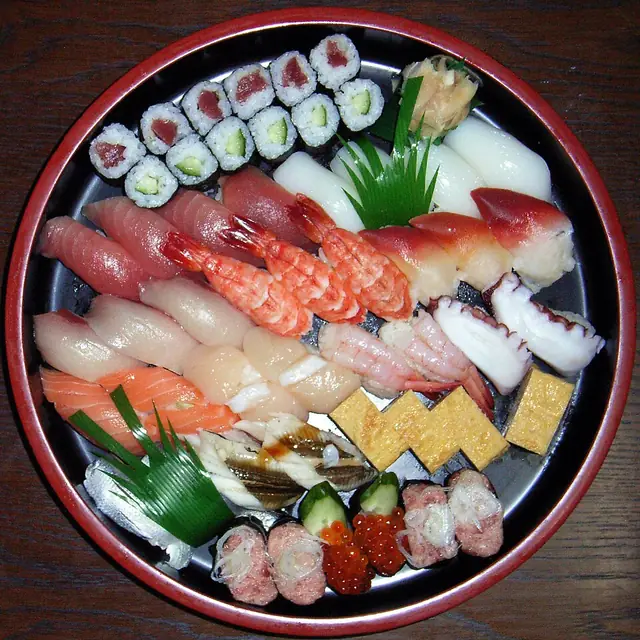
Seattle's sushi counters plate Pacific Northwest seafood in the Edomae idiom: omakase nigiri with local king salmon, spot prawn and geoduck served paddle-to-counter, the rice still body-temperature.
Where: Sushi Kashiba, Wataru, Maneki, Rondo Japanese Kitchen
Price: $120-225 omakase
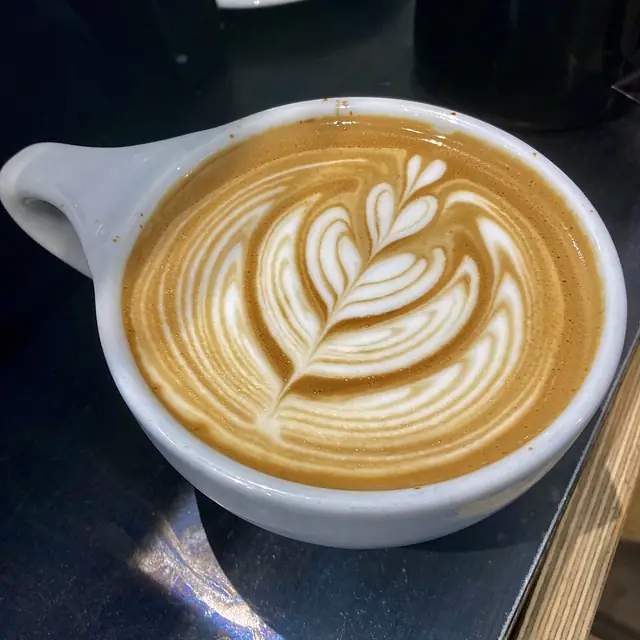
The Seattle latte is the third-wave espresso-and-milk drink the city perfected: a triple-shot espresso pulled at 9 bars, steamed whole milk poured to a glossy microfoam with a tulip or rosetta on top.
Where: Espresso Vivace, Victrola Coffee Roasters, Caffe Vita Capitol Hill, Anchorhead Coffee Downtown
Price: $5.50-7
Dungeness crab
Seattle's defining shellfish: sweet, dense, snow-white meat from the cold Pacific. Eaten cracked at the table with drawn butter, or chilled in a cocktail at Pike Place.
History: Dungeness crab takes its name from the spit of land north of Sequim where Native peoples and later white settlers harvested it from the 1840s on. The Washington commercial fishery formalised in the 1890s and supplied Seattle's restaurants from the rebuilt Pike Place Market after the 1907 fire. Crab season runs winter through summer in the open ocean and December through March in Puget Sound, sex-restricted to males above a 6 1/4 inch carapace. The dish is canonical at Pike Place Chowder and at Westward, where it arrives cracked over crushed ice.
Where to try it: Pike Place Chowder, Westward, Taylor Shellfish Oyster Bar Pioneer Square, Shaker + Spear, The Walrus and the Carpenter
Watch out for: Shellfish
Seattle teriyaki
The American version of grilled-then-glazed chicken on rice that Toshi Kasahara invented at his Lower Queen Anne counter in 1976. Sugar, soy, char and shredded cabbage.
History: On 2 March 1976 Toshihiro Kasahara opened a 30-seat shop at 372 Roy Street called Toshi's Teriyaki. His sauce broke with Japanese tradition: he swapped mirin for granulated sugar, basted the marinade on yakitori-style chicken thighs over charcoal, and finished the plate with rice and a pile of shredded iceberg. The Seattle Times credited the move with launching a city-wide format that now numbers more than 200 teriyaki shops, more than any other US city. The dish is the only American food invented in Seattle that the city eats without irony.
Where to try it: Maneki, Ba Bar Capitol Hill
Watch out for: Soy, Gluten
Pike Place clam chowder
The thick, cream-based New England chowder that Larry Mellum reverse-engineered at his Pike Place Market counter in 2003. Eight national chowder cook-off wins and counting.
History: Pike Place Chowder is not a Seattle invention so much as a Seattle perfection. Larry Mellum opened the counter in Post Alley in 2003, then carried Pike Place Chowder's New England Clam Chowder to the Great Chowder Cook-Off in Newport, Rhode Island, where it won the people's pick in 2008. The kitchen has now collected eight national championships. The Pike Place Market location at 1530 Post Alley still trades on the cobblestoned chowder queue; the second shop opened at Pacific Place in 2008.
Where to try it: Pike Place Chowder, Matt's in the Market, Ivar's Acres of Clams
Watch out for: Shellfish, Dairy, Gluten
Pacific salmon
The fish that defines Seattle's table from May through September: copper river king, sockeye from Bristol Bay, and the silver coho that close the season in October.
History: Salmon was the staple food of the Coast Salish for thousands of years before Seattle existed. The Duwamish, Suquamish and Muckleshoot ran weirs and traps on the rivers that drain into Puget Sound. The first cannery on the Columbia opened in 1866; by 1900 Washington was canning more salmon than any other state. The 1974 Boldt decision restored treaty fishing rights to 20 Washington tribes. The most prized run today is the copper river king, which arrives at Sea-Tac in mid May to a press cycle that has run uninterrupted since 1983.
Where to try it: Canlis, Westward, Matt's in the Market, Shaker + Spear
Watch out for: Fish
Geoduck
The Puget Sound clam with a foot-long siphon that locals pronounce gooey-duck. Sliced sashimi-thin at Maneki and Sushi Kashiba; cracked into chowder at Pike Place.
History: Geoduck is the world's largest burrowing clam, native to the tidal flats of Puget Sound, Hood Canal and British Columbia. The Coast Salish dug it at low tide for millennia. The first state commercial harvest opened in 1970, sold to Japan and Hong Kong where the siphon is prized for raw and hot-pot cookery; the Washington fishery is now worth 80 million dollars a year. The clam can live 165 years and weighs 1 to 3 kilograms. In Seattle, sushi bars like Maneki and Sushi Kashiba slice the siphon paper-thin for nigiri called mirugai.
Where to try it: Sushi Kashiba, Maneki, Taylor Shellfish Oyster Bar Pioneer Square
Watch out for: Shellfish
Beecher's mac and cheese
The Pike Place Market mac, baked in a cast-iron skillet with Beecher's Flagship cheddar and Just Jack. Oprah named it one of her favourite things in 2008.
History: Kurt Beecher Dammeier opened Beecher's Handmade Cheese at 1600 Pike Place in 2003, with the curds-and-press operation visible behind glass. The mac and cheese, code-named World's Best, debuted that year on the counter menu: penne tossed in a sauce of Beecher's Flagship cheddar, Just Jack and a touch of cream, then portioned and re-baked to order. In 2008 Oprah Winfrey put it on her annual Favourite Things list and the line outside the shop has not shortened since. A New York City outpost opened in Flatiron later.
Where to try it: Beecher's Handmade Cheese, Matt's in the Market
Watch out for: Dairy, Gluten
Pacific Northwest oysters
Half-shell flights of Kumamoto, Olympia, Shigoku and Pacific oysters from Hood Canal and Willapa Bay. Briny in winter, melon-sweet in summer, eaten standing up.
History: The Olympia is the only oyster native to Washington, harvested by Squaxin and Suquamish people for generations and prized for a coppery finish the size of a thumbnail. By 1900 over-fishing had collapsed the wild beds; growers introduced Pacific oysters from Japan in 1902 to rebuild the industry, then Kumamotos in the 1940s. Taylor Shellfish Farms, founded in 1890 on Samish Bay, now grows all four commercial species and runs three Seattle oyster bars. The Walrus and the Carpenter opened in Old Ballard in 2010 and codified the local format.
Where to try it: The Walrus and the Carpenter, Taylor Shellfish Oyster Bar Pioneer Square, Taylor Shellfish Oyster Bar Melrose, Shaker + Spear
Watch out for: Shellfish
Salmon piroshky
The smoked-salmon-and-cream-cheese filled bun that Piroshky Piroshky has folded by hand on Pike Place since 1992. The line moves; the bun does not change.
History: Vlad Tikhomirov opened Piroshky Piroshky in 1992 in a former bakery space at 1908 Pike Place. He and Olga Sagan, who took over the business in 2004, built the menu on Russian and Eastern European baked stuffed buns: cabbage with onion, beef and cheese, apple cinnamon roll, and the savoury salmon pate with cream cheese and dill that became the Pike Place signature. The bakery still hand-folds every piroshky on premises and the line down the alleyway is part of the building. Sagan kept the business open through the 2020 lockdown by selling frozen shipping packs of piroshky across the United States. The salmon piroshky is the bun every Pike Place itinerary should hit before the chowder.
Where to try it: Piroshky Piroshky
Watch out for: Fish, Dairy, Gluten, Egg
Dutch baby pancake
The single-pan oven pancake that Manca's Cafe popularised in Seattle in the 1900s and Tilikum Place Cafe carries today. Eggs, flour, butter, oven, lemon and sugar.
History: The Dutch baby was reportedly invented at Manca's Cafe in Seattle around 1920 by Victor Manca, who renamed the Bavarian Pfannkuchen on his menu in honour of his small daughter who could not pronounce Deutsch. Manca's closed in the 1950s but the recipe survived because Sunset magazine published it in 1942 and again in 1972. Tilikum Place Cafe in Belltown anchored the dish back in Seattle's brunch repertoire in the late 2000s: a cast-iron skillet pre-heats in the oven, melted clarified butter goes in, then a thin batter, then 15 minutes at 230 degrees Celsius.
Where to try it: Tilikum Place Cafe, Cafe Campagne
Watch out for: Dairy, Gluten, Egg
Pho
The Vietnamese beef noodle soup that the Pham family brought to Seattle in 1982. The Boat on South Jackson serves the city's defining bowl, with brisket, flank and tendon.
History: Pho arrived in Seattle in 1982 when Theresa and Augustine Pham opened Cat's Submarine on South Jackson Street, started selling Theresa's weekend pho to homesick Vietnamese customers, and switched the menu over to pho within four months. The shop renamed itself Pho Bac and is generally considered the first dedicated pho restaurant in the United States. The Phams' five children have since built a Seattle empire including Pho Bac Sup Shop, The Boat and Hello Em on 12th. Seattle now has more pho restaurants per capita than any US city outside California.
Where to try it: The Boat, Ba Bar Capitol Hill, Ramie
Watch out for: Gluten, Soy
Seattle-Style Hot Dog
A grilled hot dog or Polish sausage in a toasted bun, smeared with cream cheese before the dog goes in and topped with grilled sweet onions, jalapeños and sriracha. The post-bar dog of Pike Place and Capitol Hill.
History: The Seattle Dog was reportedly invented in 1989 by hot dog cart vendor Hadley Long at his Pioneer Square location, who added cream cheese to a bagel-and-dog after a customer asked for an alternative to mustard. The cream-cheese-and-grilled-onion combination spread across late-night carts through the 1990s. Dick's Drive-In and Monster Dogs in Pike Place are the canonical city versions.
Where to try it: Dick's Drive-In Broadway
Watch out for: Gluten, Dairy
Filipino Adobo
Chicken thighs (or pork shoulder) braised in vinegar, soy sauce, garlic, bay and black peppercorns, then crisped under high heat until the sauce reduces to a glossy lacquer. The Seattle Filipino diaspora plate.
History: Filipino adobo descends from pre-Hispanic Philippine preservation techniques that paralleled (not derived from) the Spanish term adobo. Seattle has one of the largest Filipino populations on the US West Coast outside California; Beacon Hill and the ID anchored the community from the 1920s. Musang, Hood Famous Cafe and Inay's all run notable city versions in 2024-2026.
Where to try it: Ba Bar Capitol Hill
Watch out for: Soy
Edomae sushi
Seattle's sushi counters plate Pacific Northwest seafood in the Edomae idiom: omakase nigiri with local king salmon, spot prawn and geoduck served paddle-to-counter, the rice still body-temperature.
History: Seattle's modern sushi tradition runs back to Maneki (founded 1904 in Nihonmachi), among the oldest Japanese restaurants still operating in the United States. The city's Pacific Northwest seafood (king salmon, Dungeness crab, geoduck, spot prawn, Pacific oysters) gave Edomae sushi an American regional dimension that Japanese chefs adapted directly. Sushi Kashiba (Shiro Kashiba, who trained under Jiro Ono in Tokyo, opened 2015 near Pike Place) is the reference omakase counter; Wataru in Ravenna is widely cited (Seattle Met, Eater) as the chef's-counter standout. The contemporary form sources king salmon, hamachi, ankimo and ikura day-of from Pike Place Fish Market.
Where to try it: Sushi Kashiba, Wataru, Maneki, Rondo Japanese Kitchen
Watch out for: Fish, Shellfish, Soy
Seattle latte
The Seattle latte is the third-wave espresso-and-milk drink the city perfected: a triple-shot espresso pulled at 9 bars, steamed whole milk poured to a glossy microfoam with a tulip or rosetta on top.
History: Seattle shaped the modern American espresso drink. Starbucks opened at Pike Place in 1971 as a bean roaster; Howard Schultz brought the Italian espresso-bar template to the company after a 1983 Milan trip, and the latte (espresso plus steamed milk) became the city's lingua franca through the 1990s. The third-wave reset came from independents: Espresso Vivace (David Schomer, opened 1988 on Capitol Hill) wrote the textbook on milk-steaming and latte art; Victrola Coffee Roasters (2000) refined single-origin espresso; Caffe Vita built the city's roasting reputation from 1995. Seattle barista training still centres on milk-steam technique and rosetta latte art.
Where to try it: Espresso Vivace, Victrola Coffee Roasters, Caffe Vita Capitol Hill, Anchorhead Coffee Downtown
Watch out for: Dairy