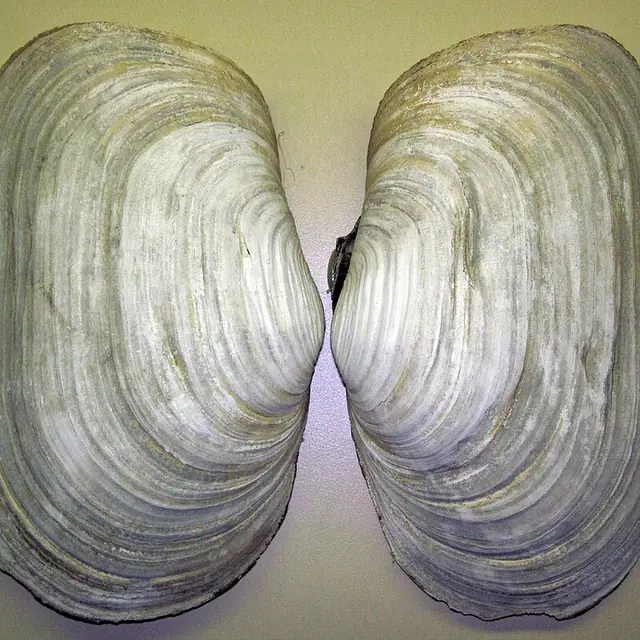
The Puget Sound clam with a foot-long siphon that locals pronounce gooey-duck. Sliced sashimi-thin at Maneki and Sushi Kashiba; cracked into chowder at Pike Place.
Geoduck is the world's largest burrowing clam, native to the tidal flats of Puget Sound, Hood Canal and British Columbia. The Coast Salish dug it at low tide for millennia. The first state commercial harvest opened in 1970, sold to Japan and Hong Kong where the siphon is prized for raw and hot-pot cookery; the Washington fishery is now worth 80 million dollars a year. The clam can live 165 years and weighs 1 to 3 kilograms. In Seattle, sushi bars like Maneki and Sushi Kashiba slice the siphon paper-thin for nigiri called mirugai.
Sushi Kashiba in Seattle's Pike Place Market is Shiro Kashiba's bar: the chef who opened Seattle's first sushi counter in 1970, now back behind glass at 86.
OrderThe 14-piece omakase at the bar with Shiro Kashiba himself if you can get the seat.
TipThe omakase is bar-only and takes 90 minutes; book the 17:00 seating on a Wednesday for the chef and a quieter room.
Taylor Shellfish Oyster Bar in Seattle's Pioneer Square is the on-counter outpost of the 135-year Samish Bay farm: half-shells, geoduck crudo, manila clams.
OrderA dozen Olympias and Kumamotos from the farm, with a glass of grower's Champagne.
TipHappy hour 16:00-17:00 drops the oysters to $1.75 each; the Occidental location is the largest and quietest of the three.
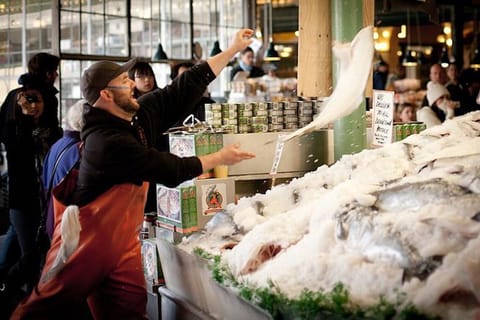
Embark on a culinary tasting tour of Pike Place Market with a local chef. Stop at 9 artisanal vendors and learn about local food producers as you taste your way throug...
Beat the crowds with an early bird-tasting tour of Seattle’s famous Pike Place Market. Savor delicious treats curated from the best vendors available and get 1-on-1 ti...


_1.jpg)