Signature dishes
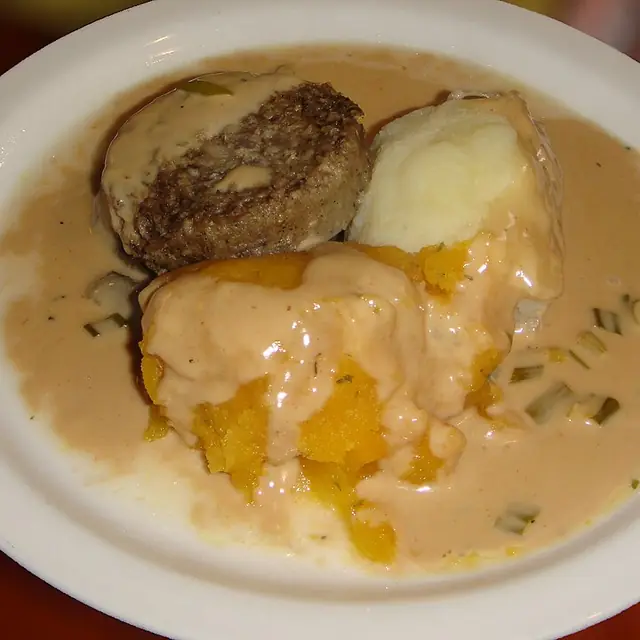
Sheep's offal, oatmeal and onion encased in stomach lining, steamed and served with mashed turnip (neeps) and mashed potato (tatties). Edinburgh's defining plate, eaten year-round and ritually on Burns Night.
Where: The Kitchin, The Scran and Scallie, The Witchery by the Castle, The Dome, Howies
Price: £14-22
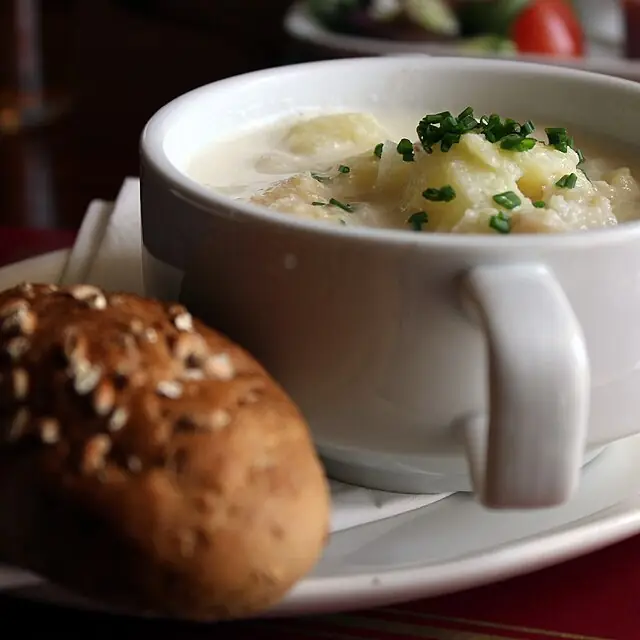
A thick smoked-haddock soup with potato, onion and milk, named after the Moray village of Cullen. Edinburgh's standard winter-warmer starter; on every Scottish menu in the Old Town.
Where: The Scran and Scallie, The Witchery by the Castle, Fishers in the City, Howies
Price: £8-14
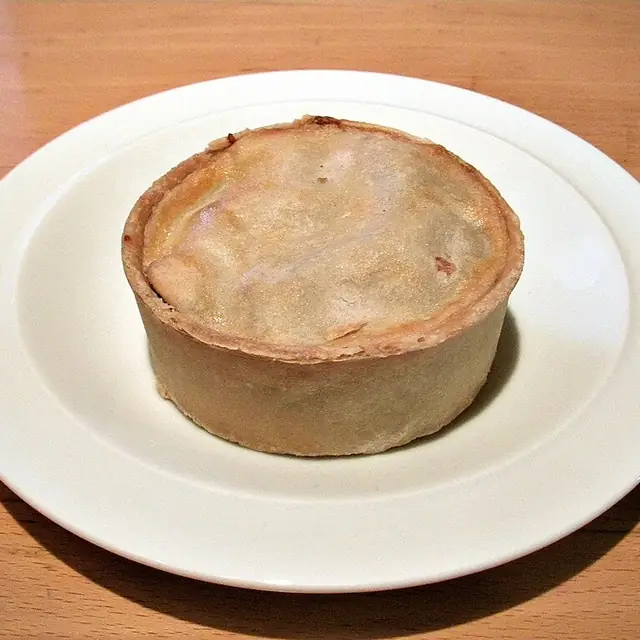
Hot-water-crust pastry case filled with seasoned minced mutton or lamb, served from a bakery counter or a football-ground kiosk. Edinburgh's commuter lunch since the late 1800s.
Where: Howies, The Scran and Scallie, Oink, The Dome, Edinburgh Larder Bakehouse
Price: £2-5
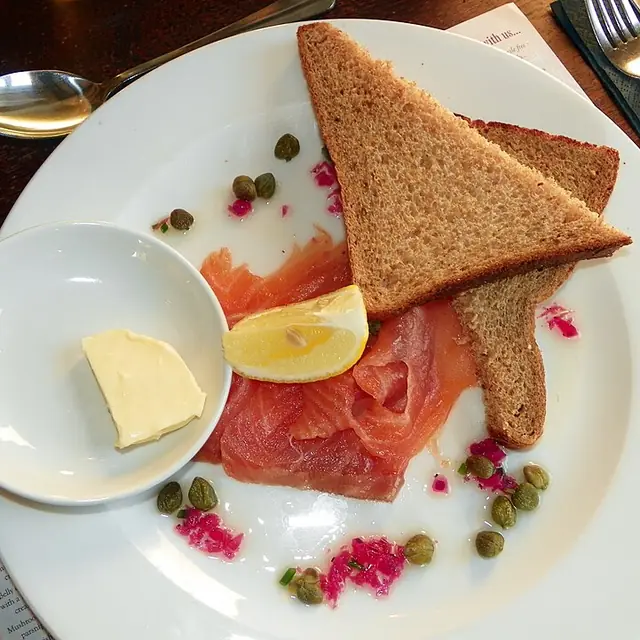
Cold-smoked sides of Scottish salmon, sliced fine and served with capers, lemon and brown bread. The country's defining export plate and a fixture of Edinburgh hotel breakfast service.
Where: Fishers in the City, The Witchery by the Castle, The Dome, Number One at The Balmoral
Price: £14-22
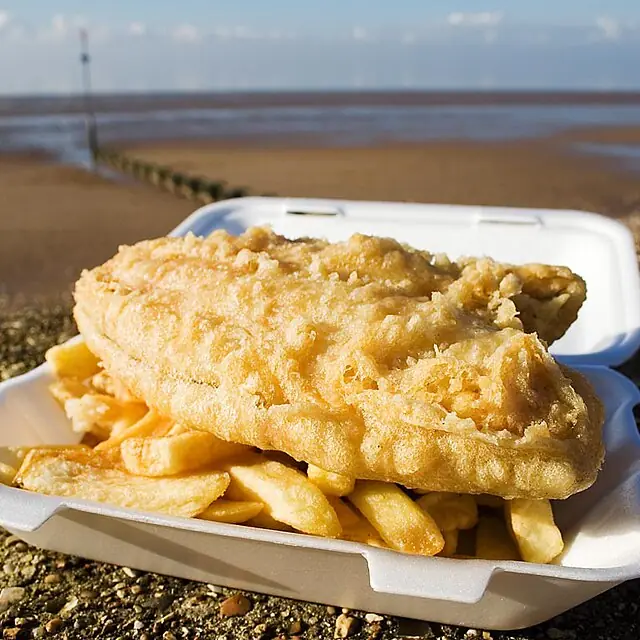
Battered haddock with thick-cut chips, salt and malt vinegar. Edinburgh's chippy default is haddock not cod, and the Old Town counters serve it through the small hours.
Where: Fishers in the City, Bertie's Proper Fish and Chips, L'Alba D'Oro
Price: £10-18
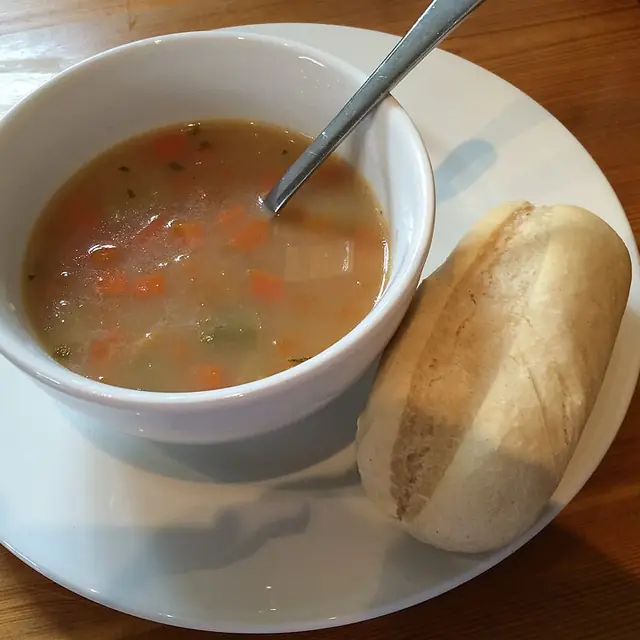
A clear-tasting lamb-and-barley soup with leek, carrot, turnip and split peas, simmered for hours. Edinburgh's standard winter starter and the soup of every household kitchen.
Where: The Scran and Scallie, Howies, The Witchery by the Castle, The Dome, Fishers in the City
Price: £7-12
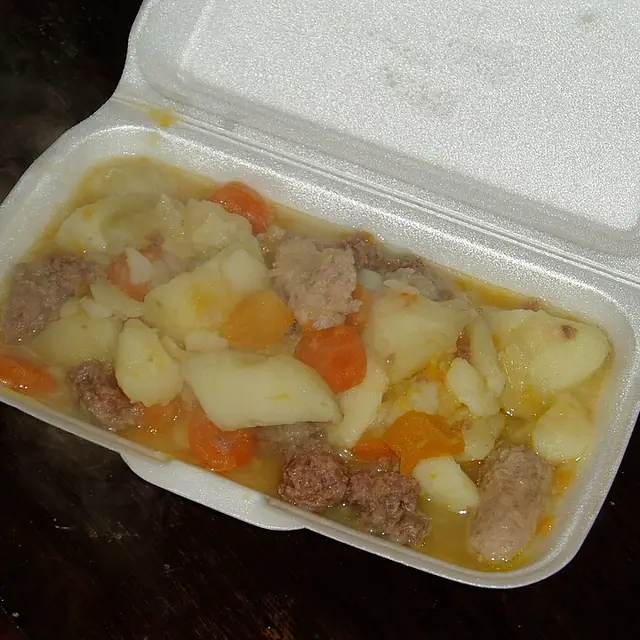
Leftover roast meat slow-cooked with potatoes, onion and stock until everything collapses together. A Sunday-roast next-day plate from Edinburgh's working kitchens.
Where: The Scran and Scallie, Howies, The Dome, The Caley Picture House
Price: £9-14
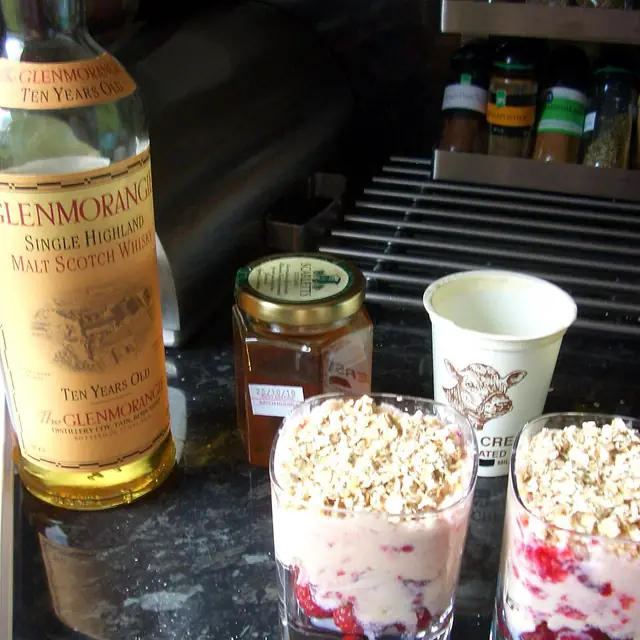
Layered whipped cream, toasted oatmeal, honey, whisky and Scottish raspberries. Edinburgh's standard summer pudding, eaten July to August when the berries are at their peak.
Where: The Kitchin, The Witchery by the Castle, The Dome, Howies
Price: £7-12
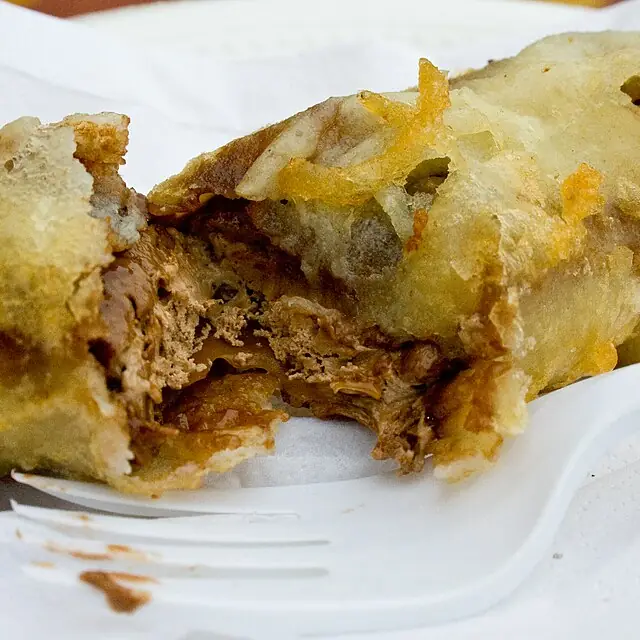
A chocolate-caramel Mars bar dipped in fish-and-chip batter and deep fried. Edinburgh's late-night Royal Mile tourist novelty since 1995; locals roll their eyes and order anyway.
Where: L'Alba D'Oro
Price: £4-7
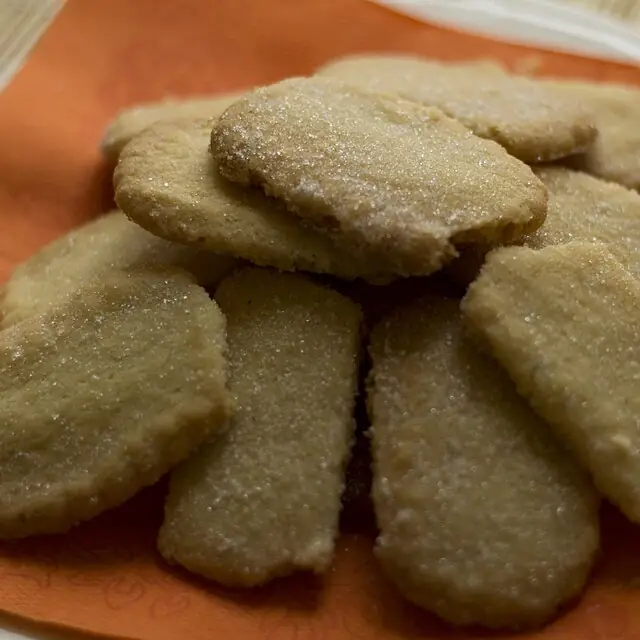
A biscuit of flour, butter and sugar, baked pale and snapped into fingers or wedges. Edinburgh's everyday with-tea bake and the standard tourist gift home from Princes Street.
Where: The Dome, Lovecrumbs, The Witchery by the Castle
Price: £3-8
A comparative tasting of Scotch whiskies across the five regions: Lowland, Highland, Speyside, Islay and Campbeltown. The defining Edinburgh ritual, with The Bow Bar's 400-plus single-malt list as the benchmark.
Where: The Bow Bar, The Scotch Malt Whisky Society, Amber Restaurant and Whisky Bar, Number One at The Balmoral, The Witchery by the Castle
Price: £25-80 per flight
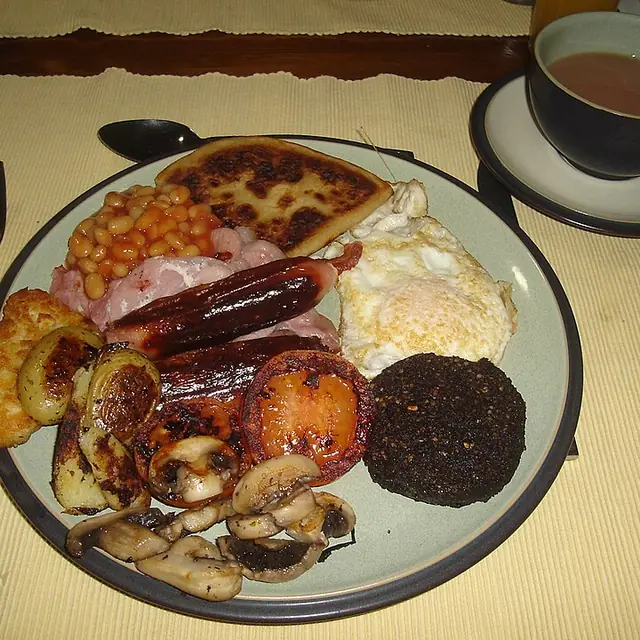
Edinburgh's defining weekend breakfast: square Lorne sausage, link sausage, back bacon, fried egg, black pudding, white pudding, haggis, tattie scone, grilled tomato, mushrooms and beans. Tea and toast on the side.
Where: The Scran and Scallie, Edinburgh Larder, Roseleaf Bar Cafe, Howies, The Cottage at Royal Terrace
Price: £12-18
Haggis, neeps and tatties
Sheep's offal, oatmeal and onion encased in stomach lining, steamed and served with mashed turnip (neeps) and mashed potato (tatties). Edinburgh's defining plate, eaten year-round and ritually on Burns Night.
History: Haggis is older than the Robert Burns Address to a Haggis of 1786 that fixed it as Scotland's national dish, with versions in cookery books back to the 1430s. The Edinburgh recipe canonised the offal-oatmeal-onion mix in the city's tenements through the nineteenth century, and the Royal Mile chip shops normalised the deep-fried version a hundred years later. Macsween of Edinburgh, founded 1953 in Bruntsfield, became the supplier to most of the city's restaurants and the working butcher reference. Burns Night each 25 January is still the dish's high holy day; the addressing of the haggis is performed in pubs from the Grassmarket to Newington.
Where to try it: The Kitchin, The Scran and Scallie, The Witchery by the Castle, The Dome, Howies
Watch out for: Gluten, Offal
Cullen skink
A thick smoked-haddock soup with potato, onion and milk, named after the Moray village of Cullen. Edinburgh's standard winter-warmer starter; on every Scottish menu in the Old Town.
History: Cullen skink first appears in print in Meg Dods' Cook and Housewife's Manual in 1827, though the dish itself is older fishermen's fare from the Moray Firth. The Edinburgh bistro circuit adopted it as a heritage starter through the 1980s, when Scottish provenance returned as a kitchen marketing pitch. The naturally-smoked Finnan haddie (haddock cured over green wood) is the canonical fish; the soup should be milk-based, never cream-thickened, and the potato is roughly broken rather than blended. The World Championships of Cullen Skink have run since 2010 in Cullen itself, and Edinburgh's bistro versions reliably circulate through the top placings.
Where to try it: The Scran and Scallie, The Witchery by the Castle, Fishers in the City, Howies
Watch out for: Fish, Dairy
Scotch pie
Hot-water-crust pastry case filled with seasoned minced mutton or lamb, served from a bakery counter or a football-ground kiosk. Edinburgh's commuter lunch since the late 1800s.
History: The mutton pie was the working-man's lunch of nineteenth-century Edinburgh, made cheap by the offcuts and the hot-water-crust pastry that holds shape without a tin. The double-crust round, eight centimetres across, became the Scottish standard through the early 1900s and survived as the football-ground default into the present. The World Scotch Pie Championships have run since 1999; Edinburgh bakeries place reliably each year. The Royal Mile bakeries still sell them by the tray-load to office-lunch trade.
Where to try it: Howies, The Scran and Scallie, Oink, The Dome, Edinburgh Larder Bakehouse
Watch out for: Gluten
Scottish smoked salmon
Cold-smoked sides of Scottish salmon, sliced fine and served with capers, lemon and brown bread. The country's defining export plate and a fixture of Edinburgh hotel breakfast service.
History: Scottish salmon smoking goes back to commercial fish-curing of the eighteenth century, originally for preservation during the seasonal landings on the Tay and Tweed. The modern cold-smoke method, oak-smoked at 25C over two days, dates to commercial operations in the 1920s and was carried by the Edinburgh hotel breakfast trade into international export. The major Edinburgh-area smokehouses (Inverawe, Hebridean Smokehouse, Marrbury) supply the city's bistros and supermarkets. The conventional plate runs three or four slices per cover with capers, red onion, lemon and buttered brown bread.
Where to try it: Fishers in the City, The Witchery by the Castle, The Dome, Number One at The Balmoral
Watch out for: Fish
Fish and chips
Battered haddock with thick-cut chips, salt and malt vinegar. Edinburgh's chippy default is haddock not cod, and the Old Town counters serve it through the small hours.
History: Fish and chips became an Edinburgh fixture in the late nineteenth century when the rail link to Aberdeen put boxed white fish in the city overnight. Haddock, not cod, became the Scottish default and remains so; The Tailend on Albert Place and L'Alba D'Oro on Henderson Row have served the same fish for decades. The Edinburgh chippy plates the chips first, the fish on top, with salt and brown sauce or vinegar at the customer's choice. The deep-fried Mars bar (Stonehaven, 1995) is not from Edinburgh but appears on every Royal Mile late-night menu as souvenir.
Where to try it: Fishers in the City, Bertie's Proper Fish and Chips, L'Alba D'Oro
Watch out for: Gluten, Fish
Scotch broth
A clear-tasting lamb-and-barley soup with leek, carrot, turnip and split peas, simmered for hours. Edinburgh's standard winter starter and the soup of every household kitchen.
History: Scotch broth has been on Scottish kitchen tables since the Middle Ages, originally as a peasant pot-meal of mutton bones, barley and whatever root vegetable was in the larder. Samuel Johnson ate it in Edinburgh in 1773 and pronounced it good; James Boswell teased him for the conversion. The barley-and-lamb version became the standard restaurant offering through the Victorian hotel kitchens. The Edinburgh bistro version today uses a long-simmered lamb-bone stock, pearl barley swelled in the pot, and the vegetable cut diced rather than peasant-rough.
Where to try it: The Scran and Scallie, Howies, The Witchery by the Castle, The Dome, Fishers in the City
Watch out for: Gluten
Stovies
Leftover roast meat slow-cooked with potatoes, onion and stock until everything collapses together. A Sunday-roast next-day plate from Edinburgh's working kitchens.
History: Stovies began as a Sunday-roast leftover in nineteenth-century Edinburgh tenement kitchens, where the cold roast meat got reheated in dripping with onion and potato through Monday lunch. The dish carries no fixed recipe; family arguments over corned beef versus lamb and whether to add carrots are the working tradition. Burns Night suppers still serve stovies as the next-morning hangover plate, and Edinburgh pubs run it as the Sunday-evening special when the kitchen needs to clear down Monday's prep.
Where to try it: The Scran and Scallie, Howies, The Dome, The Caley Picture House
Cranachan
Layered whipped cream, toasted oatmeal, honey, whisky and Scottish raspberries. Edinburgh's standard summer pudding, eaten July to August when the berries are at their peak.
History: Cranachan started as a harvest-festival dessert in Highland farming households where cream, oats, heather honey and the late-summer raspberries all happened at once. The whisky came in at table rather than the kitchen originally; the cook poured a dram into each glass before service. The Edinburgh bistro version codified the layered presentation through the late twentieth century and the city's restaurants run it as their default Burns Night dessert and through the July raspberry season. The Stockbridge Market raspberries from Perthshire growers are the canonical fruit.
Where to try it: The Kitchin, The Witchery by the Castle, The Dome, Howies
Watch out for: Dairy, Gluten
Deep-fried Mars bar
A chocolate-caramel Mars bar dipped in fish-and-chip batter and deep fried. Edinburgh's late-night Royal Mile tourist novelty since 1995; locals roll their eyes and order anyway.
History: The deep-fried Mars bar was invented at The Carron Fish Bar in Stonehaven, Aberdeenshire in 1995, and spread south through the Scottish chippy circuit within a decade. Edinburgh's Royal Mile fish bars now carry it as a standing menu item, particularly Clamshell on the High Street and a handful of late-night counters near the Cowgate. The dish is genuinely terrible and genuinely long-favored; the chocolate melts inside the crisp batter sheath. The NHS Scotland regional health board issued a formal warning against it in 2007, which only made it more popular.
Where to try it: L'Alba D'Oro
Watch out for: Gluten, Dairy
Scottish shortbread
A biscuit of flour, butter and sugar, baked pale and snapped into fingers or wedges. Edinburgh's everyday with-tea bake and the standard tourist gift home from Princes Street.
History: Shortbread descends from medieval Scottish biscuit bread, twice-baked yeast bread that gradually shed its yeast in favour of butter through the 1500s. Mary Queen of Scots is credited (apocryphally) with refining the Edinburgh version into a triangular Petticoat Tail wedge. The Edinburgh confectioners and modern Border Biscuits codified the three-ingredient ratio (one-to-two-to-three by weight) through the early twentieth century. The Edinburgh shortbread tin became the standard Princes Street tourist gift in the 1950s; the buttery snap remains the working baseline.
Where to try it: The Dome, Lovecrumbs, The Witchery by the Castle
Watch out for: Gluten, Dairy
Scotch Whisky Flight
A comparative tasting of Scotch whiskies across the five regions: Lowland, Highland, Speyside, Islay and Campbeltown. The defining Edinburgh ritual, with The Bow Bar's 400-plus single-malt list as the benchmark.
History: Scotch whisky has been distilled since 1494 when the Exchequer Rolls of the Scottish king record 'eight bolls of malt to Friar John Cor, by which to make aqua vitae'. The five-region classification became codified in the early 20th century with the Royal Commission on Whisky. Edinburgh's whisky bars (The Bow Bar, The Scotch Malt Whisky Society) and The Scotch Whisky Experience on Castlehill offer comparative regional tastings.
Where to try it: The Bow Bar, The Scotch Malt Whisky Society, Amber Restaurant and Whisky Bar, Number One at The Balmoral, The Witchery by the Castle
Watch out for: Gluten (some)
Full Scottish Breakfast
Edinburgh's defining weekend breakfast: square Lorne sausage, link sausage, back bacon, fried egg, black pudding, white pudding, haggis, tattie scone, grilled tomato, mushrooms and beans. Tea and toast on the side.
History: The full Scottish breakfast evolved from the 19th-century rural farmhouse meal designed to fuel a full day of labour; the Lorne sausage and the haggis or potato scone components distinguish it from the Full English. Edinburgh weekend establishments (The Cafe Royal, The Scran and Scallie, Maison Bleue) serve traditional versions; tourist establishments add tattie scone and haggis at the Castle end.
Where to try it: The Scran and Scallie, Edinburgh Larder, Roseleaf Bar Cafe, Howies, The Cottage at Royal Terrace
Watch out for: Gluten, Dairy, Egg