Signature dishes
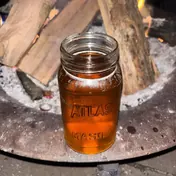
Still, cloudy and often startlingly strong, farmhouse cider is Bristol's house drink, poured from boxes and barrels on a harbour barge, in Clifton's cider house and at railway-arch taprooms.
Where: The Apple, The Coronation Tap, The Orchard Inn, The Cider Box
Price: £4-6 a pint
The sweet blended sherry that carried Bristol's name around the world, born of the city's centuries-old Spanish wine trade and now enjoying a revival over ice with a slice of orange.
Where: Bravas, Gambas
Price: £4-7 a glass
A board of proper West Country cheddar with bread, pickle, apple and cider on the side, eaten in Bristol's pubs within sight of the county that gave the cheese its name.
Where: The Cheese Connection, Snuffy Jack's Ale House, The Drapers Arms
Price: £8-14
Beef with dripping-roast potatoes, Yorkshire pudding and proper gravy, the meal Bristol takes so seriously that its most famous roast books out a year ahead.
Where: The Bank Tavern, The Ox, The Blaise Inn, Koocha Mezze Bar
Price: £16-24
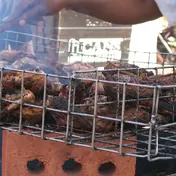
Scotch-bonnet-hot, allspice-deep chicken from Bristol's Caribbean kitchens, a legacy of the Windrush generation that settled St Pauls and made jerk part of the city's flavour.
Where: Caribbean Croft, Caribbean Wrap
Price: £8-15
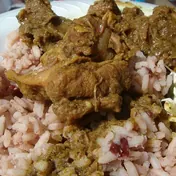
Slow-braised goat in a turmeric-gold Jamaican curry, cooked to falling tenderness in Bristol's Caribbean restaurants and ladled over rice and peas.
Where: Caribbean Croft, Caribbean Wrap
Price: £10-16
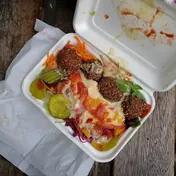
Crisp-shelled falafel piled over salads, hummus and pickles, the box lunch that built one of Bristol's longest market queues at the Glass Arcade.
Where: Eat a Pitta
Price: £7-9
A pastry-lidded pie on a heap of mash with gravy and minted peas, the comfort format a Bristol company turned into a national habit from Stokes Croft.
Where: Pieminister
Price: £10-14
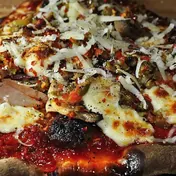
Long-fermented, blistered-crust pizza that became Bristol's default, stretched by local dough obsessives from Park Street counters to North Street.
Where: Pizzarova
Price: £8-13
Real flaked chocolate melted into steaming milk and whisked glossy, drunk in the city where Fry's made the world's first mass-produced chocolate bar in 1847.
Where: Mrs Potts Chocolate House
Price: £4-6
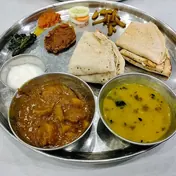
A steel tray of curries, rice, flatbread and cooling sides that Bristol adopted as its own, complete with a reusable steel tiffin-tin takeaway ritual all of its own.
Where: Thali Montpelier
Price: £11-14
Third-pint pours across a taproom's whole range, the standard way to read Bristol's brewing city, from precision-made lagers to hop-heavy pales and dark milk stouts.
Where: Left Handed Giant Brewpub, Wiper and True Taproom, Moor Beer Company, The Beer Emporium
Price: £6-9 a flight
Somerset farmhouse cider
Still, cloudy and often startlingly strong, farmhouse cider is Bristol's house drink, poured from boxes and barrels on a harbour barge, in Clifton's cider house and at railway-arch taprooms.
History: Cider is the West Country's oldest industry and Bristol has always been its city tap. Somerset orchards supplied the port for centuries, and the tradition never gentrified away: The Coronation Tap has poured cider in Clifton for generations, The Apple turned a Dutch barge into a floating cider bar, and a new wave of makers now ferments in the city itself at arch taprooms like The Cider Box.
Where to try it: The Apple, The Coronation Tap, The Orchard Inn, The Cider Box
Watch out for: Sulphites
Bristol Cream sherry
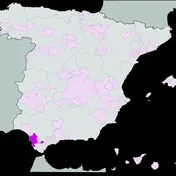
The sweet blended sherry that carried Bristol's name around the world, born of the city's centuries-old Spanish wine trade and now enjoying a revival over ice with a slice of orange.
History: Bristol's merchants shipped Spanish wine up the Avon from the Middle Ages, and by the 1700s the city's cellars were blending their own styles. Bristol Milk came first; in 1882 Harveys christened a richer blend Bristol Cream, and the blue bottle became one of Britain's most exported drinks. The cellars under Denmark Street bottled it for generations, and the city's tapas bars still keep the sherry habit alive.
Where to try it: Bravas, Gambas
Watch out for: Sulphites
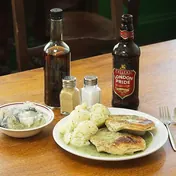
Cheddar ploughman's
A board of proper West Country cheddar with bread, pickle, apple and cider on the side, eaten in Bristol's pubs within sight of the county that gave the cheese its name.
History: Cheddar cheese takes its name from the Somerset gorge village 45 minutes south of Bristol, where cheesemakers matured wheels in the caves from at least the 1100s. The ploughman's lunch as a pub fixture is a 20th-century invention, but Bristol sits closer to the source than any other big city, and its cheesemongers and micropubs treat cave-aged cheddar with the seriousness other cities save for wine.
Where to try it: The Cheese Connection, Snuffy Jack's Ale House, The Drapers Arms
Watch out for: Dairy, Gluten
West Country Sunday roast
Beef with dripping-roast potatoes, Yorkshire pudding and proper gravy, the meal Bristol takes so seriously that its most famous roast books out a year ahead.
History: The Sunday roast is a national ritual, but Bristol turned it competitive. The Bank Tavern's roast won national attention after the Observer Food Monthly named it among Britain's best Sunday lunches in 2019, and its bookings now sell out about a year in advance. Across the city, pubs measure themselves against it, from Henbury's Blaise Inn to the Ox's basement dining room, while vegan kitchens plate their own versions.
Where to try it: The Bank Tavern, The Ox, The Blaise Inn, Koocha Mezze Bar
Watch out for: Gluten, Dairy, Eggs
Jerk chicken
Scotch-bonnet-hot, allspice-deep chicken from Bristol's Caribbean kitchens, a legacy of the Windrush generation that settled St Pauls and made jerk part of the city's flavour.
History: Caribbean families arriving in Bristol from the late 1940s made St Pauls and Easton the heart of the city's Jamaican food culture, cooking jerk at home, at community halls and on carnival day. St Pauls Carnival, first held in 1968, turned the neighbourhood into an open-air jerk kitchen each July, and that tradition feeds today's restaurants and market stalls, from Stokes Croft rum bars to the wrap counter at St Nicholas Market.
Where to try it: Caribbean Croft, Caribbean Wrap
Curry goat
Slow-braised goat in a turmeric-gold Jamaican curry, cooked to falling tenderness in Bristol's Caribbean restaurants and ladled over rice and peas.
History: Curry goat travelled to the Caribbean with indentured Indian workers in the 1800s, and Jamaica made it a celebration dish. In Bristol it arrived with the Windrush generation and became Sunday and function food in St Pauls, the dish cooked longest and argued over hardest. Ms Cat's family recipes at Caribbean Croft carry that lineage on Stokes Croft, and the market stalls sell it by the takeaway box.
Where to try it: Caribbean Croft, Caribbean Wrap
Falafel box
Crisp-shelled falafel piled over salads, hummus and pickles, the box lunch that built one of Bristol's longest market queues at the Glass Arcade.
History: Falafel became Bristol lunch vernacular through St Nicholas Market, where Eat a Pitta grew from a single stall into the city's defining queue. The family recipe behind its falafel is decades old, the boxes are built to defeat you, and the format spread with the business across five Bristol branches. In a city that votes with its lunch hour, the falafel box beat the meal deal.
Where to try it: Eat a Pitta
Watch out for: Sesame, Gluten
Pie and mash
A pastry-lidded pie on a heap of mash with gravy and minted peas, the comfort format a Bristol company turned into a national habit from Stokes Croft.
History: Pieminister started in Bristol in 2003, baking pies at its Stokes Croft site and selling them at festivals until the format stuck nationwide. The Mothership, a pie mounted on mash with gravy and minted peas, became the company's calling card, and the Broad Quay restaurant keeps the hometown link. Bristol's pie tradition runs older and wider, from bakery pasty counters to gastropub pie nights, but the modern gourmet pie owes this city its revival.
Where to try it: Pieminister
Watch out for: Gluten, Dairy
Sourdough pizza
Long-fermented, blistered-crust pizza that became Bristol's default, stretched by local dough obsessives from Park Street counters to North Street.
History: Bristol adopted sourdough pizza early and completely. Local mini-chains built the habit through the 2010s, proving dough for days rather than hours and topping it with West Country produce, until a blistered leopard-spotted crust became the city's baseline rather than a boast. Pizzarova grew from a converted Land Rover to four sites on the strength of its dough, and even terrace bars now stretch sourdough as standard.
Where to try it: Pizzarova
Watch out for: Gluten, Dairy
Bristol hot chocolate
Real flaked chocolate melted into steaming milk and whisked glossy, drunk in the city where Fry's made the world's first mass-produced chocolate bar in 1847.
History: Joseph Fry's Bristol works pioneered industrial chocolate, producing the first mass-made eating chocolate bar in 1847 and inventing the Chocolate Cream in 1866. The factories moved and merged into Cadbury long ago, but the city keeps the habit: Park Street's chocolate house melts flaked single-origin chocolate into proper drinking cups, and independent chocolatiers on North Street carry the craft forward with their own bars and workshops.
Where to try it: Mrs Potts Chocolate House
Watch out for: Dairy
Thali
A steel tray of curries, rice, flatbread and cooling sides that Bristol adopted as its own, complete with a reusable steel tiffin-tin takeaway ritual all of its own.
History: Bristol's thali habit began with a cafe in Montpelier serving festival-style Indian food on compartmented steel trays. The format grew into a small local institution, winning Observer Food Monthly award notice, and its reusable steel tiffin scheme, where a £20 tin buys your first takeaway and endless refills, became a small piece of Bristol food culture in its own right, years before packaging-free shopping went mainstream.
Where to try it: Thali Montpelier
Watch out for: Dairy, Gluten
Craft beer flight
Third-pint pours across a taproom's whole range, the standard way to read Bristol's brewing city, from precision-made lagers to hop-heavy pales and dark milk stouts.
History: Bristol brews at a density few UK cities match. Bristol Beer Factory restarted the old Ashton Gate brewery's tradition in the mid-2000s, Wiper and True and Lost and Grounded turned precision brewing into local identity, and a taproom circuit grew up around the railway arches and industrial estates. The flight, three or four third-pints on a board, became the standard way to drink it, and in 2026 the city's Independence pale took CAMRA's Champion Beer of Britain.
Where to try it: Left Handed Giant Brewpub, Wiper and True Taproom, Moor Beer Company, The Beer Emporium
Watch out for: Gluten