How Bristol came to eat the way it does: the people, migrations and accidents that shaped the plate.
Key eras
1100s-1700s, the wine and sherry port
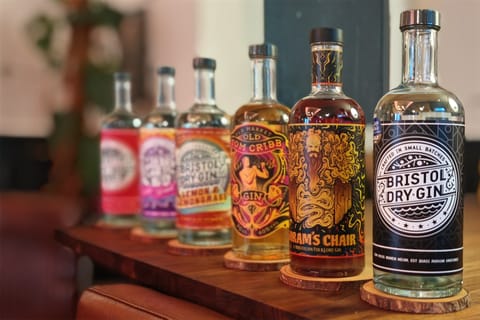
Medieval Bristol grew rich shipping wine from Bordeaux and sherry from Spain up the Avon. The trade left its name in the glass: Bristol Milk and later Harveys Bristol Cream, the sweet sherry blended in the city's cellars, while the Exchange and the 1743 St Nicholas Market rose on the profits of the quays.
1700s-1800s, sugar, slavery and chocolate
The city's Georgian wealth was built on transatlantic slavery and the sugar it produced, a legacy Bristol still reckons with. That sugar fed an industry: Joseph Fry's works produced the first mass-made chocolate bar in 1847, making Bristol the birthplace of the chocolate bar before the business merged with Cadbury.
1900s, tobacco, cider and the working city
Wills tobacco factories and harbour industry fed a city of caffs, cider houses and bakeries. Wogan Coffee began roasting beside the M32 in 1970, Bristolians drank Somerset cider as a birthright, and the Tobacco Factory's later rescue turned industrial Bedminster into a template for the city's food-led regeneration.
1950s-1990s, Windrush and new Bristol tables
Caribbean families settling in St Pauls after Windrush built the food culture that St Pauls Carnival celebrates, from jerk pans to rum shacks. South Asian arrivals made Easton a curry and spice quarter, anchored by Bristol Sweet Mart, opened on St Marks Road in 1978 by a Ugandan Asian family.
2005-2026, breweries, containers and stars
Bristol Beer Factory's 2004 revival of the Ashton Gate brewery kicked off a brewing boom that now runs from Moor to Lost and Grounded. Casamia and Paco Tapas brought Michelin stars before closing; Wapping Wharf's Cargo containers opened in 2016-17, and Wilsons and Bulrush carry the city's stars into 2026.
Immigrant influences
- Caribbean (St Pauls and Easton): Jerk, curry goat and rum bar culture rooted in the Windrush generation, celebrated at St Pauls Carnival and cooked daily from Stokes Croft to St Nick's.
- South Asian (Easton and Montpelier): St Marks Road's grocers and grills, Bristol Sweet Mart's 9,000-product larder since 1978, and the thali houses that reshaped the city's curry habits.
- Portuguese and Spanish: Pastel de nata and feijoada at St Nicholas Market, and a tapas lineage running from Cotham Hill's Bravas to the Gambas container on the harbour.
- East and Southeast Asian: Sichuan noodle counters, handmade gyoza and dim sum rooms like Clouds show a new generation cooking regional Chinese and Japanese food across Bristol.
- Middle Eastern and North African: Falafel institutions like Eat a Pitta, Kurdish naan grills and Moroccan tagine counters made the Old City's market arcades a mezze belt.
Signature innovations
- The first mass-produced chocolate bar, made by Fry's of Bristol in 1847
- Harveys Bristol Cream, the sherry blend that carried the city's name worldwide
- Cider culture as urban identity: a dedicated cider boat and cider houses
- Cargo at Wapping Wharf, a dining district built from shipping containers
- A brewing revival dense enough to support taproom-only neighbourhoods