Signature dishes
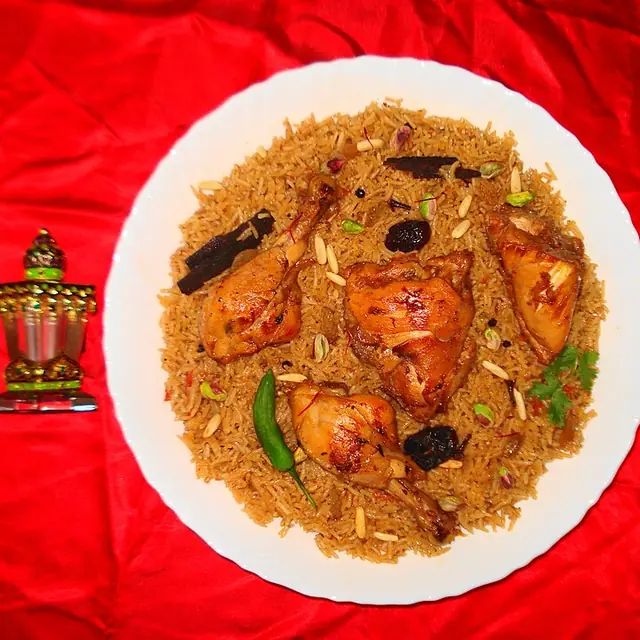
Machboos is rice cooked in the stock of spiced meat or fish with dried lime and saffron, regarded as a national dish across the Gulf states and a fixture of Abu Dhabi's Emirati kitchens.
Where: Al Mrzab, Meylas, Erth, Villa Mamas
Price: AED 56 to 61
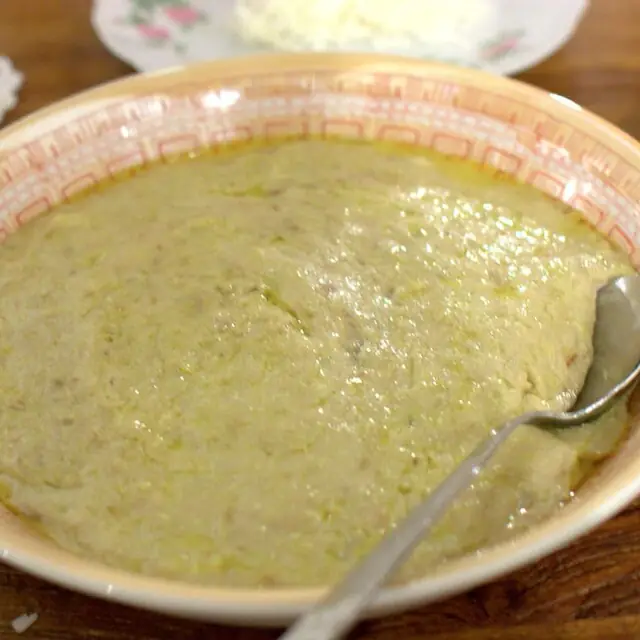
Harees is wheat cooked with meat and beaten into a smooth, salted porridge finished with ghee. It is the dish of Ramadan and festive tables across Emirati homes.
Where: Al Mrzab
Thareed is an Emirati stew of lamb and vegetables in a spiced tomato broth, poured over thin torn bread. It is a family favourite, and a centrepiece of Ramadan iftar tables.
Where: Al Mrzab
Luqaimat are yeasted dough balls fried until crisp, glazed with date syrup and sprinkled with sesame seeds, a dessert tied to Ramadan and served with gahwa.
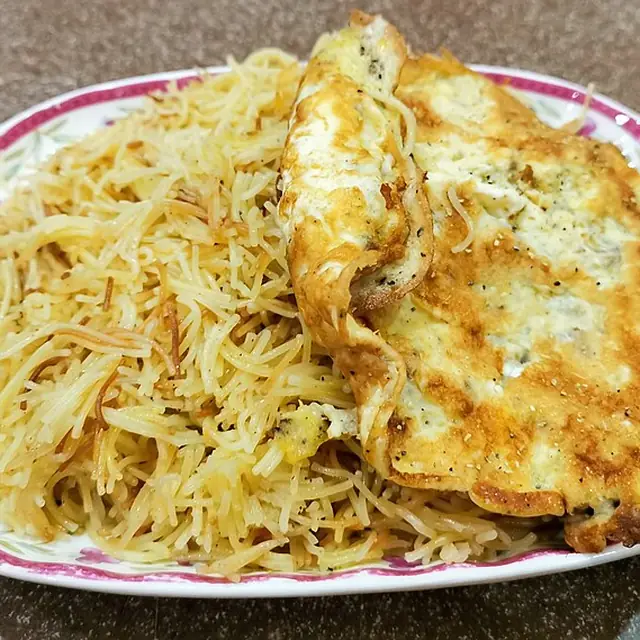
Balaleet is sweet vermicelli scented with cardamom, rose water and saffron, topped with a thin omelette. It is an Emirati breakfast and the first meal of Eid.
Where: Meylas
Price: AED 35
Chebab are soft, holey Emirati pancakes scented with saffron and cardamom, served at breakfast with date syrup, honey and cheese. Several Abu Dhabi kitchens make them.
Where: Meylas, Al Mrzab, Tazal
Jasheed is a traditional Emirati dish of minced baby shark cooked with spices and served with rice. Al Dhafra Restaurant has served it, and ryba makes a modern bite from it.
Where: ryba, Al Dhafra Restaurant
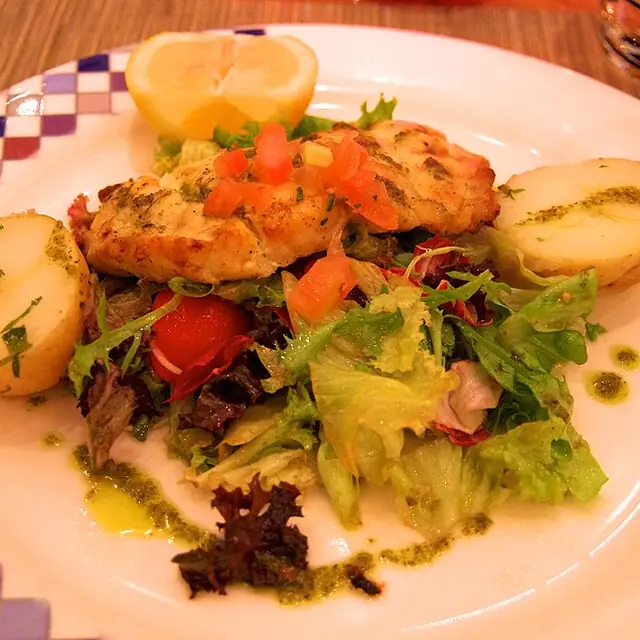
Hammour is the Gulf grouper, a fish prized across the Persian Gulf states. At ryba in Al Mina the Michelin Guide singles out the locally caught hammour from the charcoal grill.
Where: ryba, Falwa, Asyak Grill
Price: AED 148
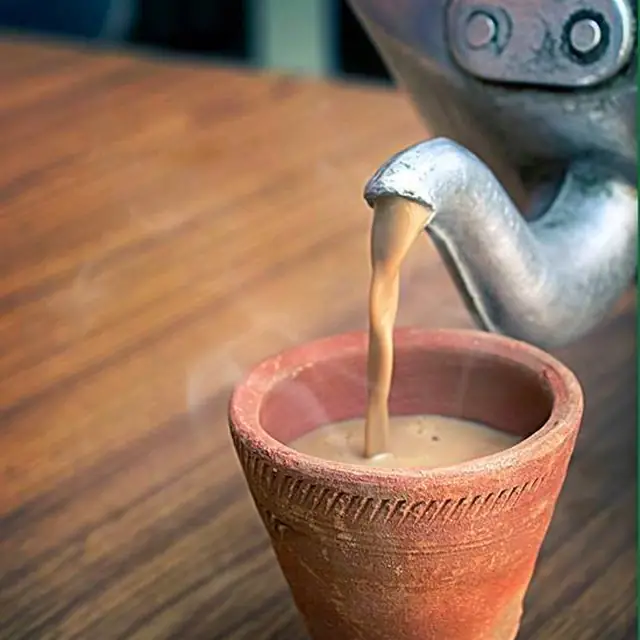
Karak chai is strong black tea boiled with milk and spices, popularised in the Gulf by South Asian communities. On Hudayriyat Island a food truck is known for its karak.
Where: Zaatar and Karak
Gahwa is Emirati Arabic coffee, lightly roasted and spiced with cardamom and saffron, poured from a dallah into small cups and served with dates as a welcome.
Where: Coffee Architecture, Abu Dhabi Dates Market
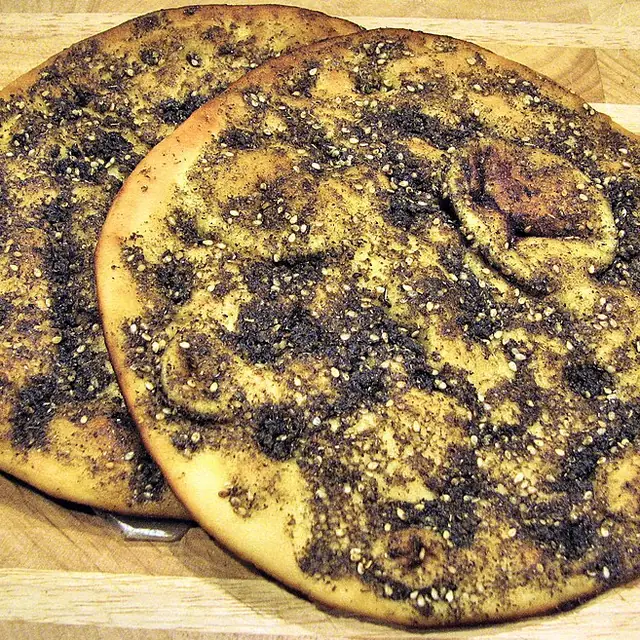
Manakeesh are flatbreads baked with za'atar, cheese or minced meat, a Levantine breakfast that Abu Dhabi's Arab communities brought with them and that bakeries sell hot.
Where: Al Farah, Zaatar and Karak
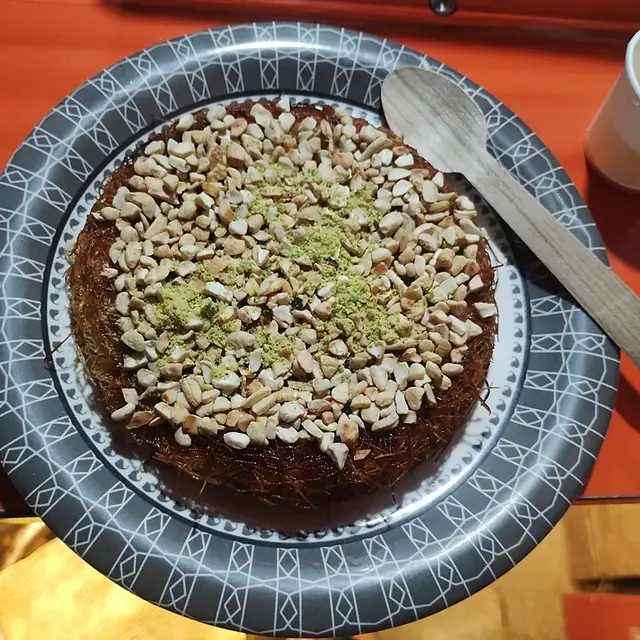
Kunafa is shredded pastry layered with cheese or cream and soaked in syrup, served warm. Abu Dhabi's kunafa shops include a Jordanian maker's counter and a Lebanese osmaleya cake.
Where: Naeem Sweets, Al Aqssa Sweets, Tripoli Sweets
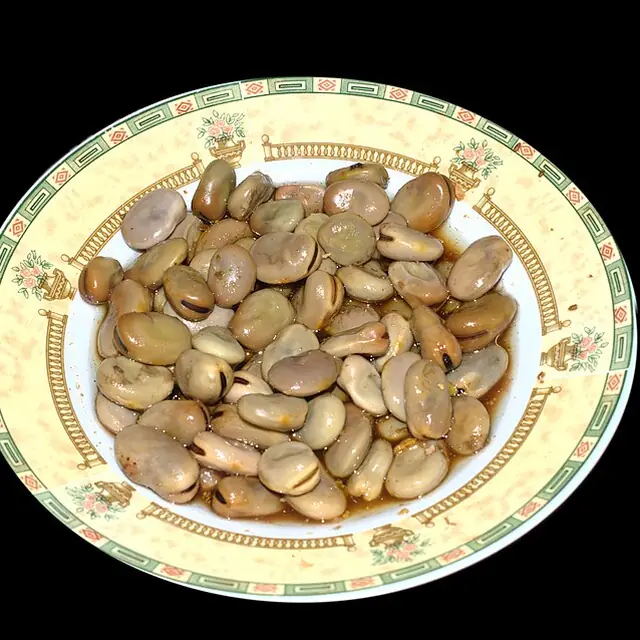
Foul is slow-cooked fava beans mashed with oil and spices, eaten with bread. In Abu Dhabi, a Sudanese cafeteria in Al Zahiyah opens in the evening for it.
Where: Abu Al Afwal
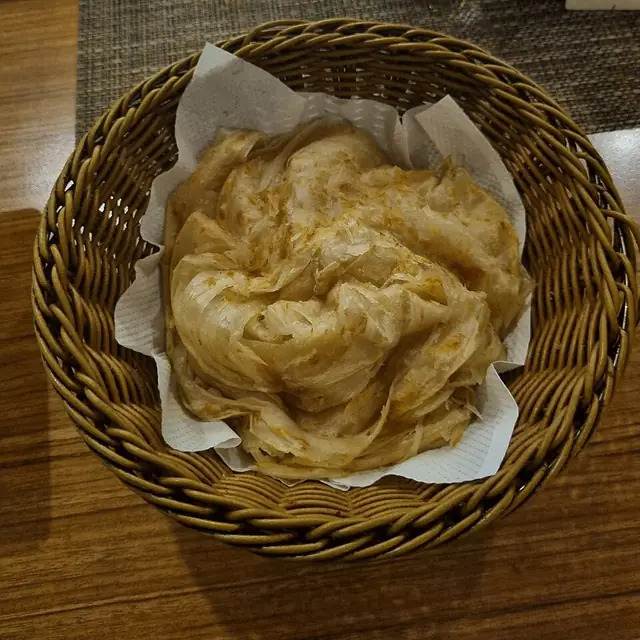
Malabar parotta is a flaky, layered flatbread torn up with beef curry or potthu kaal. Abu Dhabi's Kerala kitchens serve it with beef curry and the bone-marrow dish potthu kaal.
Where: Thalassery Thattukada, Payyannur Restaurant
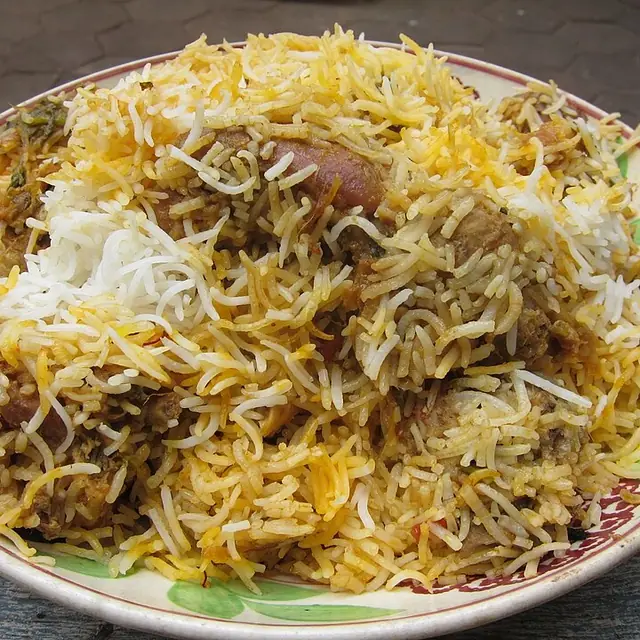
Biryani is spiced rice layered with meat, fish or vegetables, and in Abu Dhabi the Kerala and wider Indian kitchens serve it; Nihal Restaurant lists a mutton version at AED 38.
Where: Thalassery Thattukada, Taste of Kerala, Nihal Restaurant
Price: AED 38
Machboos
Machboos is rice cooked in the stock of spiced meat or fish with dried lime and saffron, regarded as a national dish across the Gulf states and a fixture of Abu Dhabi's Emirati kitchens.
History: Machboos, also written machbous or makbous, is the Gulf form of kabsa, a mixed rice dish whose origin is contested between Saudi Arabia and Yemen. The name comes from an Arabic root meaning to press, because rice, meat and spices cook together in one pot. Spices usually include black pepper, cloves, cardamom, saffron, cinnamon and black lime. The Michelin Guide says it can be served with meat or fish, slow cooked with dried limes and saffron, and Erth serves a modern take with lamb in a sweet and savoury sauce.
Where to try it: Al Mrzab, Meylas, Erth, Villa Mamas
Watch out for: Milk
Harees
Harees is wheat cooked with meat and beaten into a smooth, salted porridge finished with ghee. It is the dish of Ramadan and festive tables across Emirati homes.
History: Harees is boiled cracked wheat mixed with meat, spices and butter, with a consistency between porridge and gruel. The wheat is soaked overnight, then simmered with the meat until the two can be beaten into one mass, and it is garnished with cinnamon, sugar or clarified butter. The dish is recorded in the 10th-century cookbook of Ibn Sayyar al-Warraq and in al-Baghdadi's 13th-century cookbook. In the Gulf states it is commonly eaten in Ramadan, and Emirati homes cook it for the fasting month.
Where to try it: Al Mrzab
Watch out for: Gluten, Milk
Thareed
Thareed is an Emirati stew of lamb and vegetables in a spiced tomato broth, poured over thin torn bread. It is a family favourite, and a centrepiece of Ramadan iftar tables.
History: Thareed, also spelled tharid, is a bread soup that originates in Mecca and is mentioned in hadith attributed to the Prophet Muhammad, a sign of its standing across the Arab world. The Emirati version is a slow-cooked stew of tender meat, vegetables and a spiced tomato broth known as saloona, seasoned with cumin, turmeric and local spice blends. Thin rqaq bread is broken over the top just before serving, so it soaks up the broth. Michelin notes it is especially served at Ramadan iftar gatherings.
Where to try it: Al Mrzab
Watch out for: Gluten
Luqaimat
Luqaimat are yeasted dough balls fried until crisp, glazed with date syrup and sprinkled with sesame seeds, a dessert tied to Ramadan and served with gahwa.
History: Luqaimat means small bites in Arabic. The dish descends from luqmat al-qadi, the judge's morsels, which al-Baghdadi described in the 13th century, and the same fried dough became lokma in Turkey and loukoumades in Greece. In the Gulf, luqaimat are little changed from those recipes and are often spiced with cardamom or saffron. The Michelin Guide describes the Emirati version as crunchy outside, soft and airy inside, glazed with date syrup and eaten with Arabic coffee, a dessert tied to Ramadan and special occasions.
Watch out for: Gluten, Milk, Sesame
Balaleet
Balaleet is sweet vermicelli scented with cardamom, rose water and saffron, topped with a thin omelette. It is an Emirati breakfast and the first meal of Eid.
History: Balaleet is a traditional dish of Eastern Arabian cuisine, made of vermicelli sweetened with sugar and flavoured with cardamom, rose water and saffron, then covered with an egg omelette. It is a popular breakfast and is frequently served on Eid al-Fitr as the first meal of the day. Accounts of Emirati cuisine link its arrival to the traders who brought pasta to the Gulf. Meylas serves it at AED 35 on its 2026 menu.
Where to try it: Meylas
Watch out for: Gluten, Eggs
Chebab
Chebab are soft, holey Emirati pancakes scented with saffron and cardamom, served at breakfast with date syrup, honey and cheese. Several Abu Dhabi kitchens make them.
History: Chebab, also spelled chabab, is an Emirati breakfast pancake made from a flowing batter of yeast, sugar, eggs, saffron and cardamom, cooked on a hot plate until its surface is covered in holes. The Michelin Guide, in September 2025, said it is believed to be more than 500 years old and that it was a staple for pearl divers and sailors. Accounts of Emirati cuisine list it among the breakfast breads with ragag and khameer, served with cheese, date syrup or eggs. Families also make it for Eid and for suhoor in Ramadan.
Where to try it: Meylas, Al Mrzab, Tazal
Watch out for: Gluten, Milk, Eggs
Jasheed
Jasheed is a traditional Emirati dish of minced baby shark cooked with spices and served with rice. Al Dhafra Restaurant has served it, and ryba makes a modern bite from it.
History: Jasheed, spelled jisheid in some sources, is listed among the dishes often eaten in the UAE, where seafood has been the mainstay of the diet for centuries. Khaleej Times describes it as an Emirati dish of minced baby shark served with rice, and a participant on a 2025 food walk recalled hearing that baby sharks were caught in plenty by fishermen and became a staple in most homes. The Michelin Guide's Emirati dishes article highlights ryba's modern take, arancini-style bites of spiced shark with saffron mayo and black lime.
Where to try it: ryba, Al Dhafra Restaurant
Watch out for: Fish
Hammour
Hammour is the Gulf grouper, a fish prized across the Persian Gulf states. At ryba in Al Mina the Michelin Guide singles out the locally caught hammour from the charcoal grill.
History: Hamour is the name for several Gulf fish, notably the goldspotted rockcod, and it is culturally prized across the Persian Gulf states. Seafood has been the mainstay of the Emirati diet for centuries. The Michelin Guide singles out ryba's locally caught hammour from the charcoal grill, a short walk from the Zayed Port fish market. Falwa serves it charcoal grilled with Emirati gazpacho, and Asyak Grill makes a marinated Persian hamour barg, so Emirati and Persian kitchens both cook it.
Where to try it: ryba, Falwa, Asyak Grill
Watch out for: Fish
Karak chai
Karak chai is strong black tea boiled with milk and spices, popularised in the Gulf by South Asian communities. On Hudayriyat Island a food truck is known for its karak.
History: Masala chai, spiced tea boiled with milk, comes from India, where tea became a mass drink after the Indian Tea Association's early 20th-century campaign, and independent vendors added spices, milk and sugar. In the Gulf it is called chai karak, and the drink was popularised by South Asian expatriate communities in the region. At Zaatar and Karak on Hudayriyat Island, Yalla Abu Dhabi says the spiced karak is what keeps people coming back, and Meylas's founder pairs her chebab with spiced milk tea.
Where to try it: Zaatar and Karak
Watch out for: Milk
Gahwa with dates
Gahwa is Emirati Arabic coffee, lightly roasted and spiced with cardamom and saffron, poured from a dallah into small cups and served with dates as a welcome.
History: Arabic coffee, qahwa in Arabic and gahwa in the Emirati dialect, is brewed in a dallah and served in small cups, almost always with dates, as a gesture of hospitality. In the Gulf, qahwa khaleeji is light roasted and takes a bright yellow colour from heavy use of saffron and cardamom. The UAE, with Saudi Arabia, Oman and Qatar, had the tradition inscribed on UNESCO's intangible heritage list in 2015. At Qasr Al Hosn, Bait Al Gahwa shows each stage from roasting to serving, and Abu Dhabi Dates Market vendors hand out dates and coffee to sample.
Where to try it: Coffee Architecture, Abu Dhabi Dates Market
Watch out for: None typical
Manakeesh
Manakeesh are flatbreads baked with za'atar, cheese or minced meat, a Levantine breakfast that Abu Dhabi's Arab communities brought with them and that bakeries sell hot.
History: Manakish, spelled manaqeesh in Abu Dhabi, is a Levantine pastry of dough topped with za'atar, cheese or ground meat, eaten at breakfast or lunch. Women traditionally baked the dough in a communal oven in the morning, and Lebanon had the practice inscribed on UNESCO's intangible heritage list in 2023. Migrants from across the Arab world brought the oven and the bread to Abu Dhabi, where it sits beside Emirati breakfast breads. The Michelin Guide notes a queue for manaqeesh and fresh bread at Al Farah, and Zaatar and Karak bakes manakish on Hudayriyat Island.
Where to try it: Al Farah, Zaatar and Karak
Watch out for: Gluten, Sesame, Milk
Kunafa
Kunafa is shredded pastry layered with cheese or cream and soaked in syrup, served warm. Abu Dhabi's kunafa shops include a Jordanian maker's counter and a Lebanese osmaleya cake.
History: Kunafa, also spelled knafeh, is an Arab dessert of spun pastry dough layered with cheese and soaked in sugar syrup, popular across the Levant and Egypt and often made for Ramadan. Stories of its creation for caliphs date as early as the 10th century, though cheese-filled versions appear in records only from the 19th century. The Nabulsi version comes from Nablus. The osmaleya, served in Abu Dhabi at Tripoli Sweets, is a kunafa cake of two pastry layers around soft cream. Naeem Sweets opened on Hamdan Street in 1974.
Where to try it: Naeem Sweets, Al Aqssa Sweets, Tripoli Sweets
Watch out for: Gluten, Milk, Nuts
Foul (ful medames)
Foul is slow-cooked fava beans mashed with oil and spices, eaten with bread. In Abu Dhabi, a Sudanese cafeteria in Al Zahiyah opens in the evening for it.
History: Ful medames is a stew of cooked fava beans served with olive oil and cumin, and its place of origin is Egypt. Some writers trace it to ancient Egypt, and it is mentioned in the Jerusalem Talmud, so the dish is old in the Middle East. It spread across the Arab world and Africa, reaching Sudan among many other countries. In Abu Dhabi, Abu Al Afwal has served Sudanese food in Al Zahiyah since 1975, and FACT magazine singles out its ful medames. Khaleej Times said diners scooped the creamy foul with bread on a 2025 food walk.
Where to try it: Abu Al Afwal
Watch out for: None typical
Kerala parotta
Malabar parotta is a flaky, layered flatbread torn up with beef curry or potthu kaal. Abu Dhabi's Kerala kitchens serve it with beef curry and the bone-marrow dish potthu kaal.
History: Parotta is a layered flatbread of maida (white flour) and oil, found in Kerala, Tamil Nadu and Sri Lanka. The Malabar or Kerala parotta is kneaded with oil and shaped into a spiral, and beef fry is a common pairing in Kerala. It became more popular in the 20th century as wheat spread across South India, and parotta with beef is a cultural symbol of Kerala. In Abu Dhabi, Gulf News describes it with spicy beef curry and potthu kaal at Thalassery Thattukada, and nool parotta at Payyannur Restaurant.
Where to try it: Thalassery Thattukada, Payyannur Restaurant
Watch out for: Gluten, Milk, Eggs
Biryani
Biryani is spiced rice layered with meat, fish or vegetables, and in Abu Dhabi the Kerala and wider Indian kitchens serve it; Nihal Restaurant lists a mutton version at AED 38.
History: Biryani is a mixed rice dish traditionally made with spiced meat, seafood or vegetables, and it was present in Mughal-era India. It is thought to derive from a Persian rice dish, with Persian pilau meeting Indian spices in the royal kitchens, and the word comes from a Persian term meaning to fry or roast. Abu Dhabi's large South Asian communities cook it in regional styles: Curly Tales describes Thalassery chicken biryani made with jeerakasala rice and ghee, Taste of Kerala lists six kinds, and Nihal serves a mutton version.
Where to try it: Thalassery Thattukada, Taste of Kerala, Nihal Restaurant
Watch out for: Milk