Signature dishes
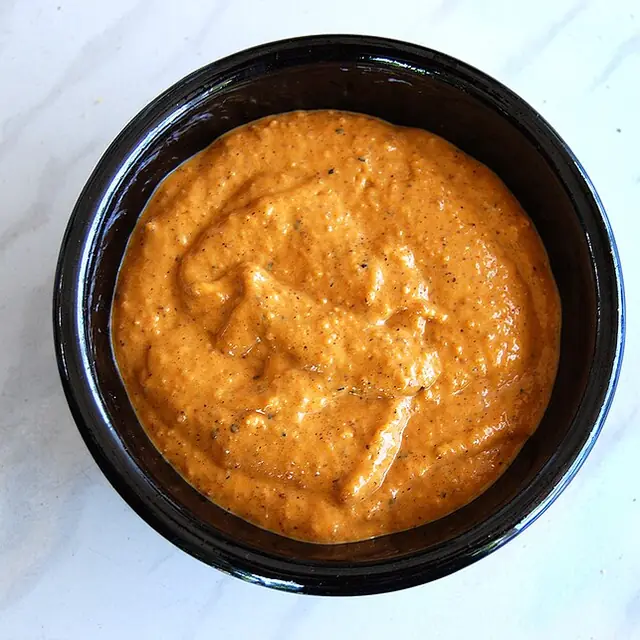
Romesco is the Tarragona coast's red sauce of dried nyora peppers, roasted tomato and garlic, toasted almonds and hazelnuts and bread, served with grilled fish, vegetables and calçots.
Where: Carbònic, Tabaré Gastrobar
Price: Served with grilled vegetables and fish; part of a main course
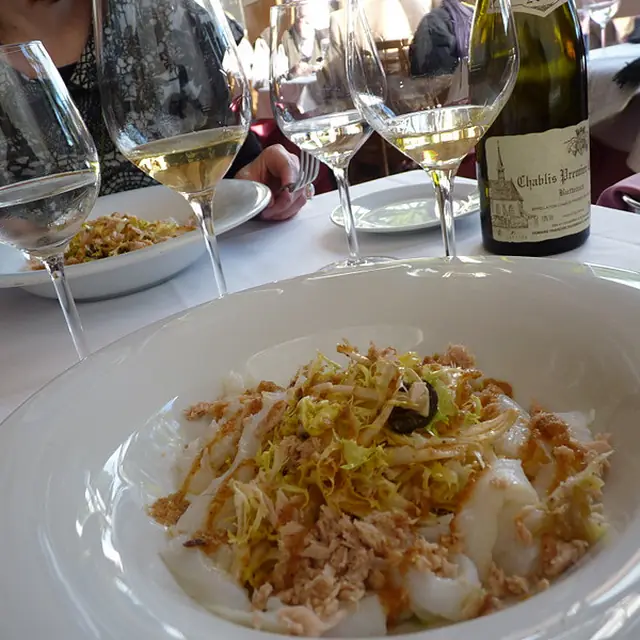
Xató is a winter salad of curly endive with salt cod, anchovies and tuna, dressed in a romesco-family sauce of nyora pepper, toasted almonds and hazelnuts, garlic and vinegar.
Where: Boquet, Arena Restaurant
Price: Part of Boquet's €21.50 weekday set lunch
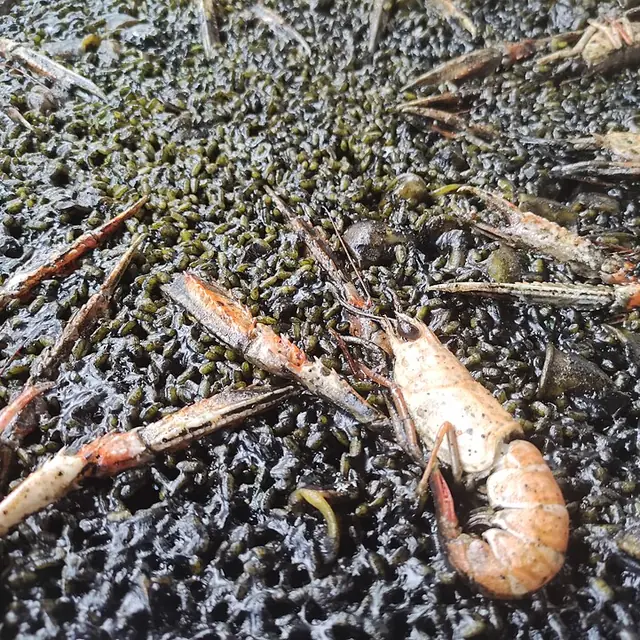
Arròs negre is rice cooked in fish stock with cuttlefish or squid and its ink, which turns the grains black; on the Salou coast it comes with allioli and small sepionets.
Where: Restaurant Club Nàutic Salou, Caffe di Mare, 4R Casablanca Restaurant
Price: About €22 a head (minimum two) at the Club Nàutic
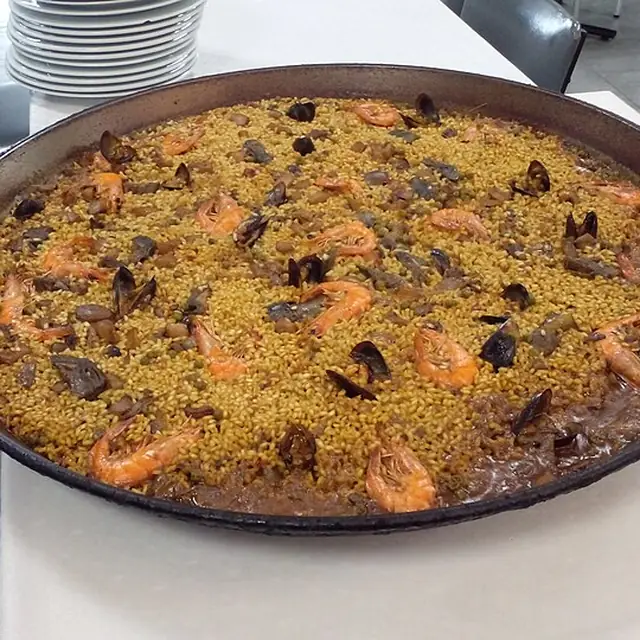
Paella de marisc, seafood paella, is Salou's default rice: short-grain rice cooked flat in fish stock with prawns, mussels, squid and clams, best eaten at a terrace by the port.
Where: Terramar, Roce, La Pasión, Caffe di Mare
Price: Usually priced per person with a minimum of two
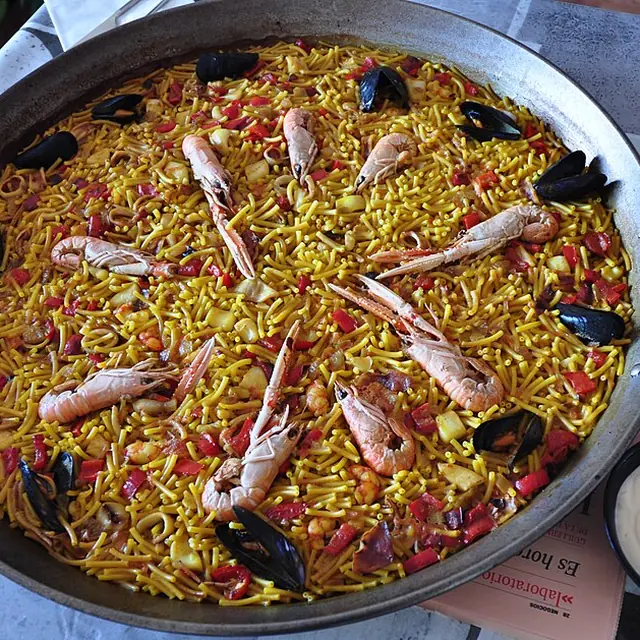
Fideuà is paella made with short hollow noodles instead of rice, cooked in fish stock with cuttlefish, prawns and shellfish and served with allioli, a staple of the southern Catalan coast.
Where: Roce, La Pasión
Price: Usually priced per person with a minimum of two
Calamars a la romana are squid rings dusted in flour and fried hot, served with lemon; squid is Salou's emblematic catch, with its own festival every November.
Where: Terramar
Price: A shared ración at port bars and beach terraces
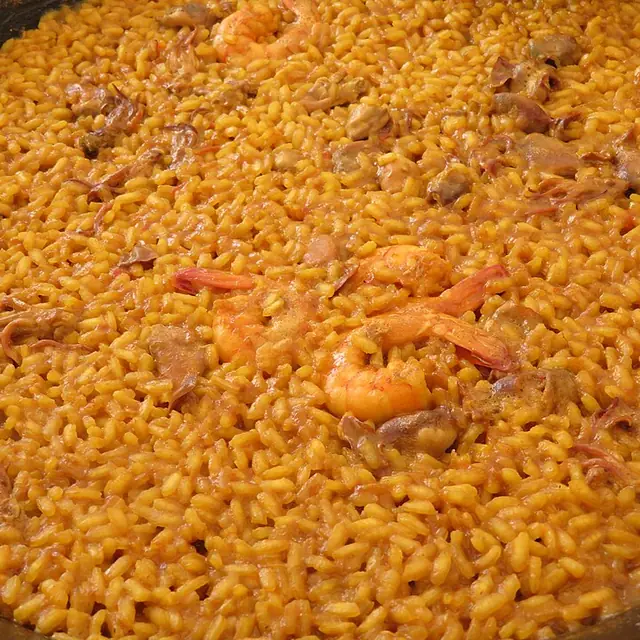
Arròs del senyoret, the "gentleman's rice", comes with all its seafood already peeled so nothing has to be picked apart at the table, cooked in a rich fish and shellfish stock.
Where: Restaurant Club Nàutic Salou, La Taberna del Áncora
Price: About €35 a portion with red prawns at the Club Nàutic
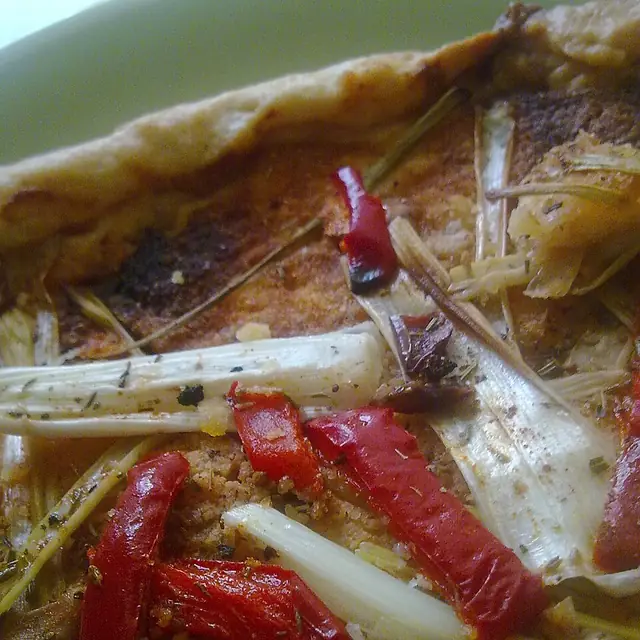
Calçots are long sweet onions charred over a vine-shoot fire, peeled by hand and dipped in romesco or salvitxada, eaten in winter at the communal feast called the calçotada.
Price: About €15 for a 12-calçot tasting lot at the 2026 Valls festa
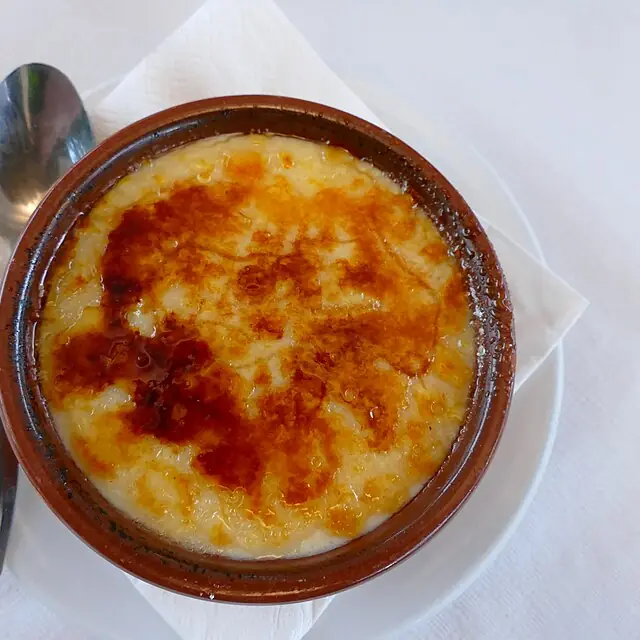
Crema catalana is Catalonia's custard of milk, egg yolks and sugar flavoured with lemon and cinnamon, finished with a crust of sugar burnt with a hot iron just before serving.
Where: Caffe di Mare
Price: A dessert in most set menus
Vermut is the midday ritual of a glass of sweet red vermouth from nearby Reus, served on ice with an olive and a slice of orange, alongside anchovies, olives and crisps.
Where: banDarra
Price: About €6 with a tapa during the December vermouth route
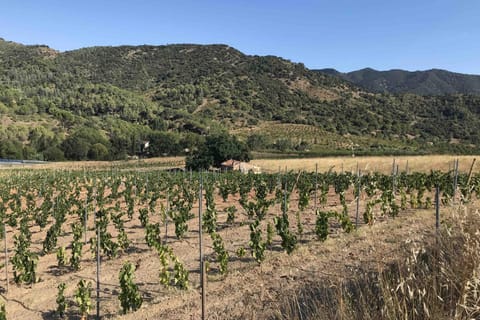
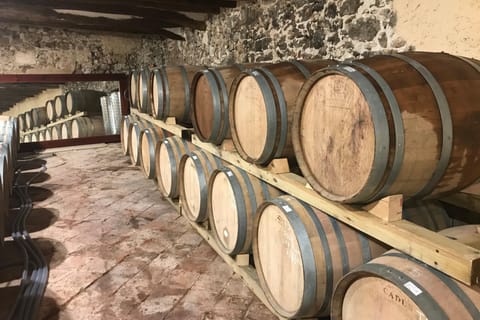
Priorat wine is the powerful red of the slate hills inland from Salou, made mainly from Garnatxa and Carinyena on llicorella soil and Catalonia's only DOQ, the top grade.
Where: banDarra, Garito Bistró
Price: By the glass in Salou wine bars; bottles vary widely
Romesco
Romesco is the Tarragona coast's red sauce of dried nyora peppers, roasted tomato and garlic, toasted almonds and hazelnuts and bread, served with grilled fish, vegetables and calçots.
History: Romesco is credited to the fishermen of El Serrallo, Tarragona's fishing quarter, who first used the word for a fish stew thickened with a fried picada of almonds, hazelnuts, garlic, bread and dried red romesco pepper. That stew, the romesco de peix, is still cooked along this coast, including in Cambrils. The cold sauce called simply romesco probably grew out of it and spread from the 1960s, as tourism arrived; it is also the sauce for the calçotada.
Where to try it: Carbònic, Tabaré Gastrobar
Watch out for: Nuts, Gluten
Xató
Xató is a winter salad of curly endive with salt cod, anchovies and tuna, dressed in a romesco-family sauce of nyora pepper, toasted almonds and hazelnuts, garlic and vinegar.
History: Xató belongs to the romesco family of sauces and to the wine country south of Barcelona: the Penedès and Garraf towns of the "xató route" each keep their own recipe. Its origin is placed in the ceremony of tapping the new wine barrel, when farmers and fishermen ate salty fish with winter greens and a special sauce. In Salou, Boquet puts a salt cod xató with romesco and anchovies on its set lunch.
Where to try it: Boquet, Arena Restaurant
Watch out for: Nuts, Fish, Gluten
Arròs negre
Arròs negre is rice cooked in fish stock with cuttlefish or squid and its ink, which turns the grains black; on the Salou coast it comes with allioli and small sepionets.
History: Arròs negre is shared by the Valencian and Catalan coasts: rice cooked like a paella with cuttlefish or squid, garlic, pepper, paprika and fish stock, coloured and flavoured with the ink. It is not traditionally called a paella. In Salou it is one of the standard rices: the Club Nàutic cooks it with sepionets, and several restaurants put it on their 2026 rice-days menus.
Where to try it: Restaurant Club Nàutic Salou, Caffe di Mare, 4R Casablanca Restaurant
Watch out for: Molluscs, Fish
Paella de marisc
Paella de marisc, seafood paella, is Salou's default rice: short-grain rice cooked flat in fish stock with prawns, mussels, squid and clams, best eaten at a terrace by the port.
History: Rice sits at the centre of Salou's table: the town's rice days, "Per a gustos, els arrossos", reached a seventh edition in 2026 with 22 restaurants, built on Bayo rice and paired with local wines. Seafood paella is the version most visitors order, at family places by the port such as Terramar, open since 1983, and at newer rice houses such as Roce, opened in 2024 below the cliffs on Carrer de Colón.
Where to try it: Terramar, Roce, La Pasión, Caffe di Mare
Watch out for: Crustaceans, Molluscs, Fish
Fideuà
Fideuà is paella made with short hollow noodles instead of rice, cooked in fish stock with cuttlefish, prawns and shellfish and served with allioli, a staple of the southern Catalan coast.
History: Fideuà is attributed to the port of Gandia, where, the story goes, a boat cook around 1930 swapped rice for noodles so the captain would leave more of the arròs a banda for the crew. The dish spread along the Valencian coast and into southern Catalonia and the Ebro lands. In Salou it sits beside paella on the rice houses' menus, Roce and La Pasión among them.
Where to try it: Roce, La Pasión
Watch out for: Gluten, Crustaceans, Molluscs, Fish
Calamars a la romana
Calamars a la romana are squid rings dusted in flour and fried hot, served with lemon; squid is Salou's emblematic catch, with its own festival every November.
History: Fried squid rings are a tapa all along the Spanish coast, floured or battered and fried in very hot oil. In Salou squid carries more weight: the town's Festa del Calamar, a squid-fishing contest from the Club Nàutic with a popular tasting on the harbour breakwater, reached its 50th edition in 2025, and the tourism office calls the squid the town's emblematic product.
Where to try it: Terramar
Watch out for: Molluscs, Gluten
Arròs del senyoret
Arròs del senyoret, the "gentleman's rice", comes with all its seafood already peeled so nothing has to be picked apart at the table, cooked in a rich fish and shellfish stock.
History: The name comes from the idea of a diner too grand to peel his own prawns: every piece of seafood in the pan is shelled before it goes in. On the Salou coast the Club Nàutic restaurant makes it with red prawns from the fish auction, and La Taberna del Áncora served an "El Senyoret" style arròs a la llauna in the 2026 rice days.
Where to try it: Restaurant Club Nàutic Salou, La Taberna del Áncora
Watch out for: Crustaceans, Molluscs, Fish
Calçots with romesco
Calçots are long sweet onions charred over a vine-shoot fire, peeled by hand and dipped in romesco or salvitxada, eaten in winter at the communal feast called the calçotada.
History: The calçot comes from Valls, inland in the Alt Camp, where tradition credits a farmer called Xat de Benaiges with first grilling sprouted white onions in the late 19th century. The Calçot de Valls became a protected geographical indication in 1995, and Valls has held its Gran Festa de la Calçotada every year since 1982, on the last Sunday of January; the 2026 edition was the 44th.
Watch out for: Nuts, Gluten
Crema catalana
Crema catalana is Catalonia's custard of milk, egg yolks and sugar flavoured with lemon and cinnamon, finished with a crust of sugar burnt with a hot iron just before serving.
History: Crema catalana, also called crema cremada or crema de Sant Josep, is the best-known Catalan sweet. It appears in medieval recipe collections and is documented in Catalan writing from the 14th century. It was once the sweet of Saint Joseph's day, 19 March, but is now eaten all year, and it closes many of Salou's set menus, the 2026 rice-days menus included.
Where to try it: Caffe di Mare
Watch out for: Milk, Eggs
Vermut (Reus vermouth)
Vermut is the midday ritual of a glass of sweet red vermouth from nearby Reus, served on ice with an olive and a slice of orange, alongside anchovies, olives and crisps.
History: Reus, about 10 km inland from Salou, became one of the main vermouth centres in Spain: Yzaguirre, founded there in 1884, is credited as the first Spanish vermouth brand. By the end of the 19th century the city had more than 30 cellars and 50 brands; three historic names remain, Iris, Yzaguirre and Miró. Salou keeps its own vermouth route before Christmas, "Fem el Vermut a Salou".
Where to try it: banDarra
Watch out for: Sulphites
Priorat wine
Priorat wine is the powerful red of the slate hills inland from Salou, made mainly from Garnatxa and Carinyena on llicorella soil and Catalonia's only DOQ, the top grade.
History: Vines were planted in the Priorat by the Carthusian monks of Scala Dei, founded in 1194. Phylloxera ruined the area at the end of the 19th century, and cooperatives dominated until a group of winemakers revived it in the 1990s. Catalonia raised Priorat to DOQ status in 2000, confirmed nationally in 2009; it remains the only Catalan appellation with that grade, its reds made mostly from Garnatxa and Carinyena on llicorella slate.
Where to try it: banDarra, Garito Bistró
Watch out for: Sulphites