Day trip · 3 hours
private tasting wines&food priorat with hotel pickup
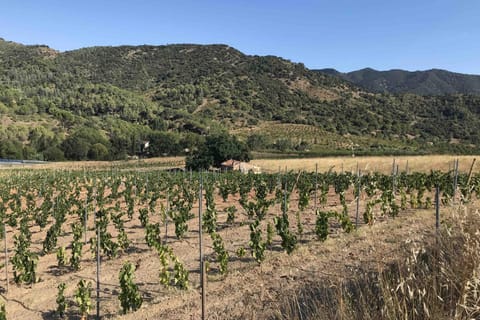
Walk among the vineyards, breathe fresh air, taste our wines and enjoy a breakfast or snack in the middle of an exceptional landscape.
from€119 Check dates
How Salou came to eat the way it does: the people, migrations and accidents that shaped the plate.
How Salou came to eat the way it does: the people, migrations and accidents that shaped the plate.
Near Ponent beach lie the remains of the Roman villa of Barenys, dated from the late 1st century BC to the 2nd century AD. Its rectangular workshop made building materials and the amphorae used to carry and export wine, so the first trade documented on this shore was in wine, shipped from what became Salou.
Salou's population charter dates from 1194, granted by Alfons I, and its natural harbour became one of the main ports of the Crown of Aragon. In September 1229 King Jaume I gathered his fleet here to sail for the conquest of Mallorca, the moment the town still remembers with its Festa del Rei Jaume I and medieval market each September.
Pirate raids from North Africa pushed the coast to defend itself: Archbishop Pere de Cardona ordered the Torre Vella built in 1530, yet the raids went on through the 16th century. In 1673 the archdiocese gave town rights to Vila-seca, which gradually took over Salou and its port, a tie that lasted until the 20th century.
The port kept its commercial weight through the 18th century and into the early 19th, then declined and was closed to trade by the mid-19th century. Bathing huts were allowed on Ponent beach in 1863, the railway station opened in 1865 and the Carrilet tram from Reus arrived in 1887, bringing the people of Reus to the sea.
From the 1920s modernist villas went up along Passeig Jaume I, several designed by Gaudí's collaborator Domènec Sugrañes. Tourism boomed from the 1960s and Salou won its independence from Vila-seca by a Supreme Court ruling of 30 October 1989; the PortAventura theme park opened on its edge in 1995.
In April 2024 the town hall and the Salou hoteliers' association presented an annual food calendar under the Salou Food Experience label: the Thursday Tasta Salou route, rice days in spring, the Sabor Salou street food market, squid days in autumn and a Christmas vermouth route. The Festa del Calamar reached its 50th edition in 2025.
Day trip · 3 hours
Walk among the vineyards, breathe fresh air, taste our wines and enjoy a breakfast or snack in the middle of an exceptional landscape.
Day trip · 4 hours
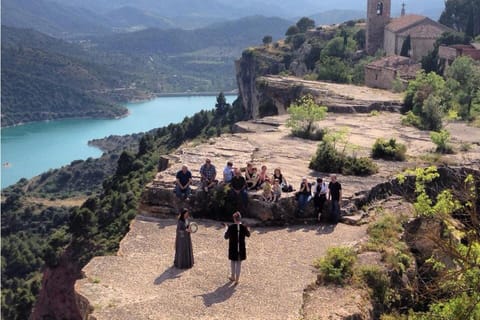
Amazing private tour Siurana medieval village and tasting wines in the cellar Take photos to the red hills History,culture catalans village XII century
Day trip · 3 hours
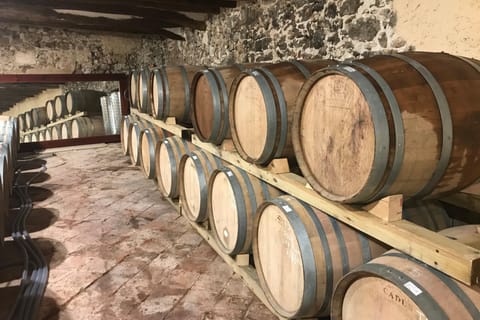
Tasting differents wines and enjoy beautiful landscapes in area priorat region