
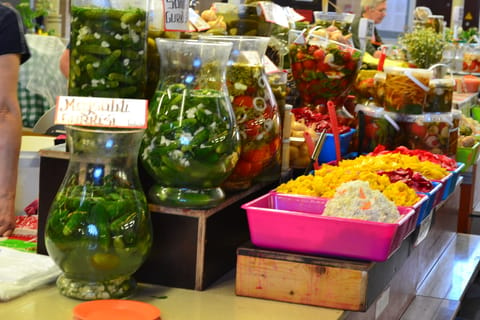
The plates that define Riga: what they are, where they came from, and where to eat the canonical version.
Signature dishes
-
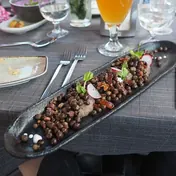
Pelēki zirņi ar speķi (grey peas with bacon) ★ 4.7
Latvia's national dish: large grey peas slow-cooked with cubes of fatty bacon, sour cream and onion, traditionally eaten with kefir and rye bread alongside.
Where to try it: Milda, Pētergailis, LIDO Atpūtas Centrs, Folkklubs ALA Pagrabs, LIDO Vērmanītis
Price: €8-14
Grey peas (Pisum sativum var. arvense) have been grown across Latvia since the medieval Hanseatic era and were codified as the national dish during the first independence period 1918 to 1940. The grey-pea variety thrives in Latvia's short, cool summers and sandy soils. The dish anchored peasant winter eating with its high protein content, the bacon adding fat for the long Baltic winters. Today's restaurants serve it both as a Christmas-table staple and a year-round national-identity dish.
Watch out for: Pork
-
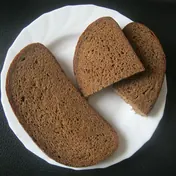
Rupjmaize (Latvian dark rye bread) ★ 4.8
The dense, slow-fermented dark rye loaf that anchors every Latvian table, baked from a sourdough starter and sometimes flavoured with caraway, malt and honey.
Where to try it: Liepkalni, Big Bad Bagels, Centrāltirgus Pīrāgi Counters, LIDO Atpūtas Centrs
Price: €3-8
Rupjmaize has been the staple bread of Latvian peasants since the medieval era, with families maintaining their own sourdough starters across generations. The dense rye loaves keep for two weeks without preservatives, a critical feature in pre-refrigeration Baltic agriculture. The Lāči bakery outside Riga revived traditional brick-oven rye baking and is still the country's anchor producer; Liepkalni runs a chain of city bakeries pushing the same heritage. A dense, sour rupjmaize is the test of any Latvian bakery's seriousness.
Watch out for: Gluten
-
Šprotes (smoked Baltic sprats) ★ 4.6
Small Baltic sprats, alder-smoked, often canned in oil; eaten on rye bread with onion and egg as Latvia's defining food export and street snack.
Where to try it: Centrāltirgus Smoked Fish Pavilion, LIDO Atpūtas Centrs, Pētergailis, Folkklubs ALA Pagrabs
Price: €4-10
The Baltic sprat (Sprattus sprattus balticus) has been Latvia's most internationally recognised food export since the early 20th century, with smoked-sprat canneries opening across Riga in the 1920s and 1930s. The Skonto and Brivais Vilnis brands still dominate the canned market. Riga's Centrāltirgus fish pavilion remains the city's strongest counter for fresh smoked sprats, with vendors building the classic Latvian open-faced rye sandwich of šprotes, onion and hard-boiled egg.
Watch out for: Fish
Book food experiences in Riga


-
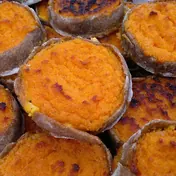
Sklandrausis (rye-crust carrot pie) ★ 4.5
A small open-faced pie with a rye-dough crust filled with mashed carrot and potato, sweetened with honey and topped with caraway; a Suiti minority specialty.
Where to try it: Centrāltirgus Pīrāgi Counters, Kalnciema Quarter Market, Liepkalni
Price: €2-5
Sklandrausis is the dish of Latvia's Suiti minority, a Roman Catholic community in northwest Latvia (Kurzeme) whose food traditions remained distinct under centuries of Lutheran rule. The pie was registered as a Traditional Speciality Guaranteed (TSG) product by the EU in 2013, the first Latvian dish to receive the designation. The rye-dough crust and the carrot-potato filling reflect Kurzeme's root-vegetable economy. Centrāltirgus and Kalnciema markets are the easiest places to find sklandrausis baked the traditional way.
Watch out for: Gluten, Eggs
-
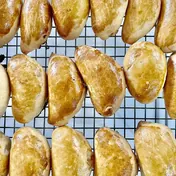
Pīrāgi (bacon-onion pastry pockets) ★ 4.6
Small crescent-shaped pastry pockets filled with diced bacon and onion, baked golden; Latvia's defining hand-held snack served at every celebration and market.
Where to try it: Centrāltirgus Pīrāgi Counters, Liepkalni, LIDO Atpūtas Centrs, LIDO Vērmanītis
Price: €1-3
Pīrāgi entered Latvian baking through Polish-Lithuanian rule in the 16th and 17th centuries, evolving from Eastern European pierogi into a smaller, baked (rather than boiled) Latvian form. The pastries became central to Latvian holiday tables, with families baking 100+ at a time for weddings and Christmas. Centrāltirgus runs Riga's strongest pīrāgi counters, baking trays through the day. The classic filling is diced bacon and onion; modern bakeries offer carrot, cabbage and even sweet versions.
Watch out for: Gluten, Pork, Eggs
-
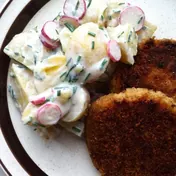
Karbonāde (breaded pork cutlet) ★ 4.3
A thin pork cutlet breaded and pan-fried golden, the defining everyday Latvian counter plate served with grey peas, mashed potato or rye bread.
Where to try it: LIDO Atpūtas Centrs, LIDO Vērmanītis, Pētergailis, Folkklubs ALA Pagrabs
Price: €6-12
Karbonāde entered Latvian cooking through Baltic German cuisine in the 19th century, derived from the schnitzel tradition but distinguished by its rye-bread crumb coating and the Latvian sour-cream sauces served alongside. The dish became the anchor of the country's mid-20th-century cafeterias and remains the most-ordered counter plate at Lido and similar buffet chains. Every Latvian grandmother has her preferred version of the breading.
Watch out for: Gluten, Pork, Eggs, Dairy
-
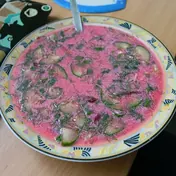
Aukstā zupa (Latvian cold beet soup) ★ 4.4
A bright pink summer soup of grated beetroot, kefir, cucumber and dill, served cold with halved hard-boiled eggs and a side of boiled potatoes.
Where to try it: LIDO Atpūtas Centrs, LIDO Vērmanītis, Pētergailis, Milda
Price: €5-9
Aukstā zupa is the Latvian sibling of Lithuanian šaltibarščiai and Polish chłodnik, all derived from a shared Eastern European peasant tradition of cold dairy-and-beet soups served through the short Baltic summer. The dish appears on Latvian tables from late May through August. Every grandmother has her own ratio of kefir to buttermilk to sour cream; the canonical Latvian version leans hard on kefir for tang. Lido and similar counters serve it alongside boiled potatoes in summer.
Watch out for: Eggs, Dairy
-
Piparkūkas (Latvian gingerbread) ★ 4.6
Thin, crisp gingerbread cookies spiced with cinnamon, ginger, cardamom and black pepper, baked through Advent and at the Doma laukums Christmas market.
Where to try it: Liepkalni, Centrāltirgus Pīrāgi Counters
Price: €2-8
Piparkūkas have been baked in Latvia since the medieval Hanseatic era, adapted from German lebkuchen and Scandinavian pepperkakor traditions. The black-pepper note in the spice blend gives the cookies their distinctive Latvian character. Every Latvian household bakes piparkūkas through Advent. The Doma laukums Christmas market, running late November through early January, runs 80+ stalls selling spiced gingerbread alongside mulled wine and smoked meats.
Watch out for: Gluten, Eggs, Dairy
-
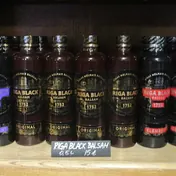
Rīgas Melnais Balzams (Riga Black Balsam) ★ 4.7
A dark herbal liqueur made from 24 botanicals including wormwood, valerian and gentian, sold by Latvijas Balzams since 1752 as the city's defining drink.
Where to try it: Black Magic Bar, B Bārs, Folkklubs ALA Pagrabs, Centrāltirgus Pīrāgi Counters
Price: €5-12 per serve
Riga Black Balsam was first formulated in 1752 by Riga pharmacist Abraham Kunze as a medicinal cure for stomach ailments. The drink became Empress Catherine the Great's reputed favourite, securing its survival into the Russian Imperial era. Production passed to Latvijas Balzams during the Soviet era and continues today from the company's Riga plant. The 45 percent ABV liqueur is drunk neat at room temperature, mixed with hot blackcurrant juice in winter, or stirred into cocktails at Black Magic Bar in Old Town. The 24-herb recipe remains a guarded secret.
-
Maizes zupa (sweet rye bread soup) ★ 4.4
A sweet dessert soup made from stale Latvian dark rye bread, water, dried fruit and cinnamon, topped with whipped cream; a unique Latvian use of rye scraps.
Where to try it: Pētergailis, LIDO Atpūtas Centrs, LIDO Vērmanītis, Milda
Price: €4-7
Maizes zupa evolved as a Latvian peasant way to use stale rupjmaize that would otherwise go to waste. The bread is soaked, sweetened with honey or sugar, and cooked with dried apples, raisins and cinnamon into a thick, dark pudding-soup served as dessert. The dish is unusual internationally because it transforms a savoury staple into something sweet. Pētergailis and other traditional Latvian rooms serve it as a dessert course; LIDO stocks it on the buffet line.
Watch out for: Gluten, Dairy
Signature Dishes in Riga, FAQ
What food is Riga known for?
Riga's signature dishes include Pelēki zirņi ar speķi (grey peas with bacon), Rupjmaize (Latvian dark rye bread), Šprotes (smoked Baltic sprats), Sklandrausis (rye-crust carrot pie), Pīrāgi (bacon-onion pastry pockets). See our signature dishes chapter for where to eat each.