Signature dishes
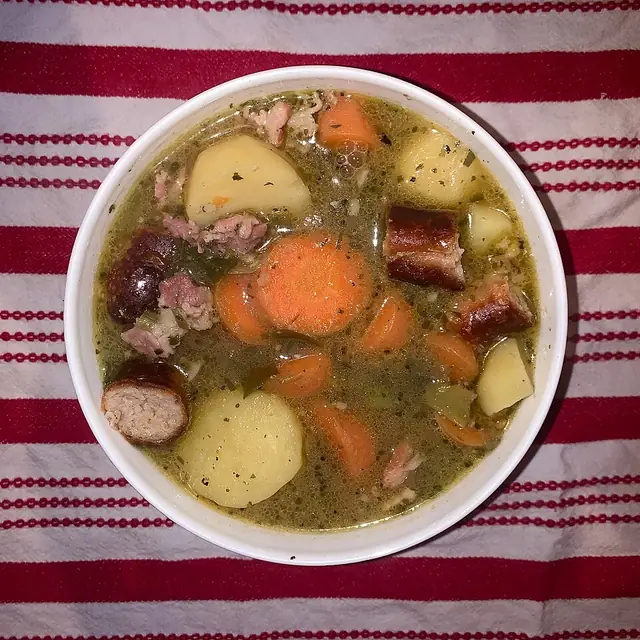
A one-pot Liberties tenement supper of sausages, bacon, onions and potatoes simmered slowly in a pale stock until the sausages bloat and the potatoes soak up the fat.
Where: Spitalfields, The Brazen Head, Gallagher's Boxty House, The Stag's Head
Price: €14-20
A grated raw potato and mashed potato pancake folded around a savoury filling, the Cavan-Roscommon dish that became Dublin's tourist-trade signature. The crisp outside and soft inside are the working test.
Where: Gallagher's Boxty House, The Brazen Head, Spitalfields
Price: €14-22
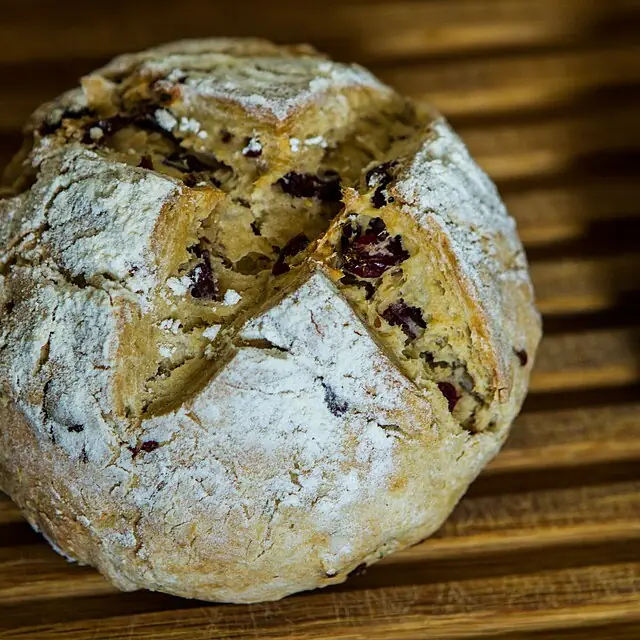
A yeast-free quick bread leavened with bicarbonate of soda reacting against buttermilk, baked in 45 minutes with a cross cut into the top. The Irish kitchen bread, every day for two hundred years.
Where: The Winding Stair, Spitalfields, The Brazen Head, Bewley's Cafe Grafton Street
Price: €3-5 a slice with butter, €12 a loaf
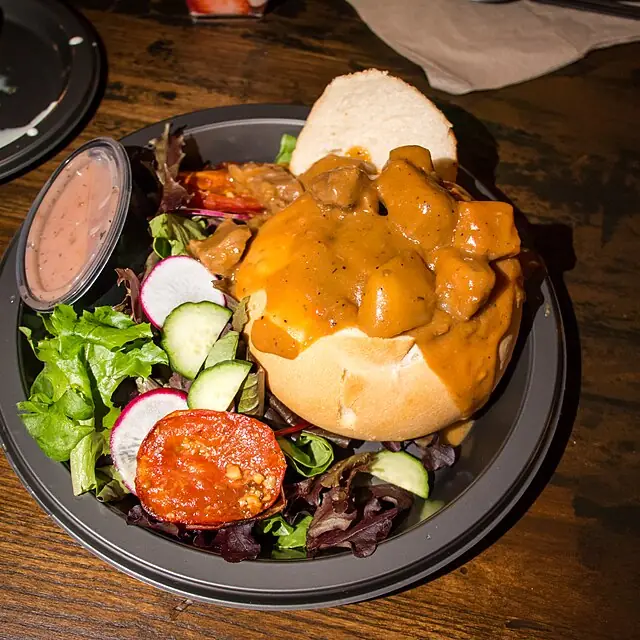
A long-simmered beef stew braised in Guinness Extra Stout with carrots, onions and a bay leaf, the working Dublin pub plate served with mash and brown bread. Three hours minimum.
Where: The Brazen Head, L. Mulligan Grocer, The Stag's Head, Davy Byrnes
Price: €16-22
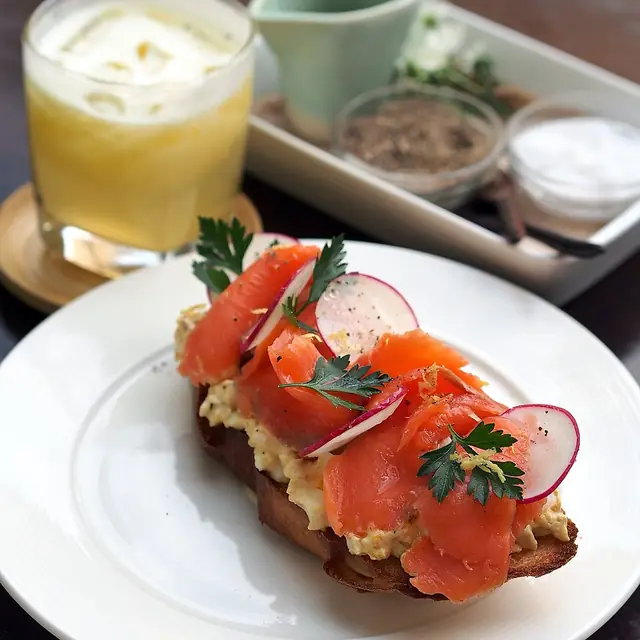
Wild or organic Atlantic salmon cured in salt and then cold-smoked over oak or beech for 18 to 36 hours, served thin-sliced with brown soda bread, capers, lemon and butter.
Where: The Winding Stair, Gallagher's Boxty House, The Bretzel Bakery
Price: €12-18 a plate
A cream-and-fish-stock chowder of Atlantic haddock, mussels, smoked salmon and prawns from Howth's daily landing, finished with parsley and served with brown soda bread.
Where: The Winding Stair, The Brazen Head
Price: €9-14 a bowl
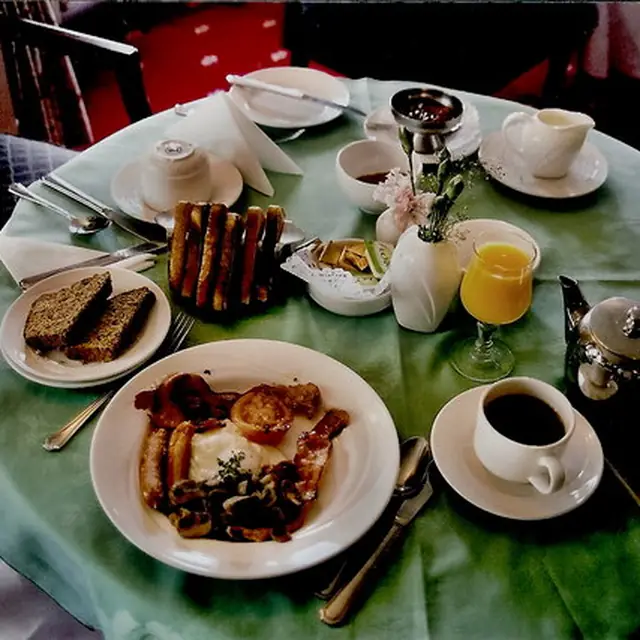
A pile of fried eggs, rashers of bacon, sausages, black pudding, white pudding, grilled tomato, mushrooms and brown soda bread, the morning-after Dublin reset, eaten with strong tea.
Where: The Bakehouse, Bewley's Cafe Grafton Street, Brother Hubbard North
Price: €12-18
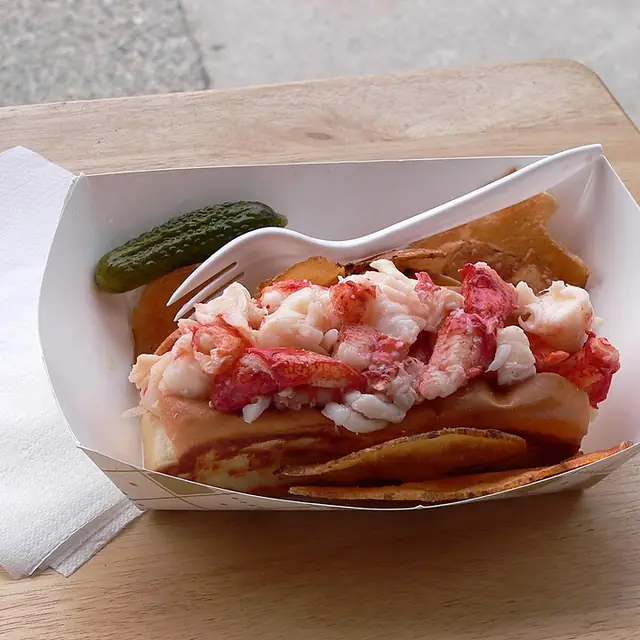
A warm split brioche roll filled with chunks of Lambay Island or Carlingford lobster meat dressed in melted butter and a squeeze of lemon, the contemporary Dublin signature seafood.
Where: Fish Shop, The Winding Stair, The Seafood Cafe by Niall Sabongi
Price: €15-22
A yeasted, syrupy enriched bun coated in a sticky lemon and sultana glaze, the Bewley's Cafe Grafton Street signature pastry since 1927. Best with a Bewley's coffee.
Where: Bewley's Cafe Grafton Street
Price: €4.50
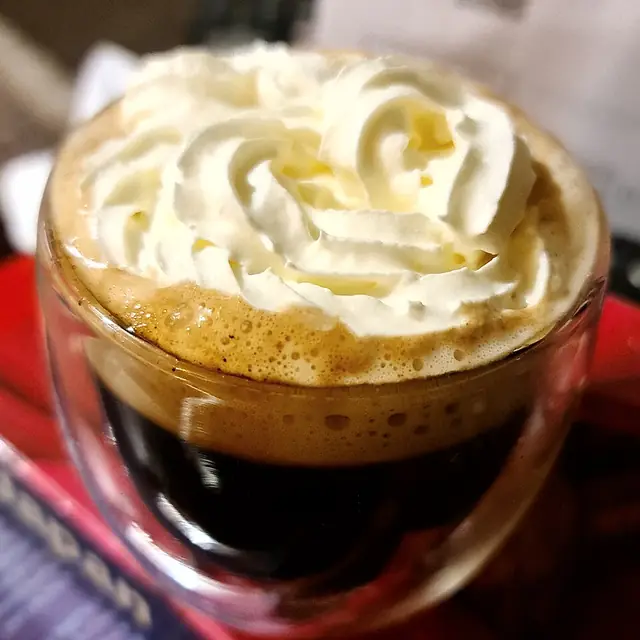
A glass of hot coffee with Irish whiskey, a teaspoon of brown sugar and a layer of softly whipped cream floated on top. Hot under cold, sweet then bitter, the Dublin afterparty drink.
Where: The Brazen Head, Davy Byrnes, The Palace Bar
Price: €10-14
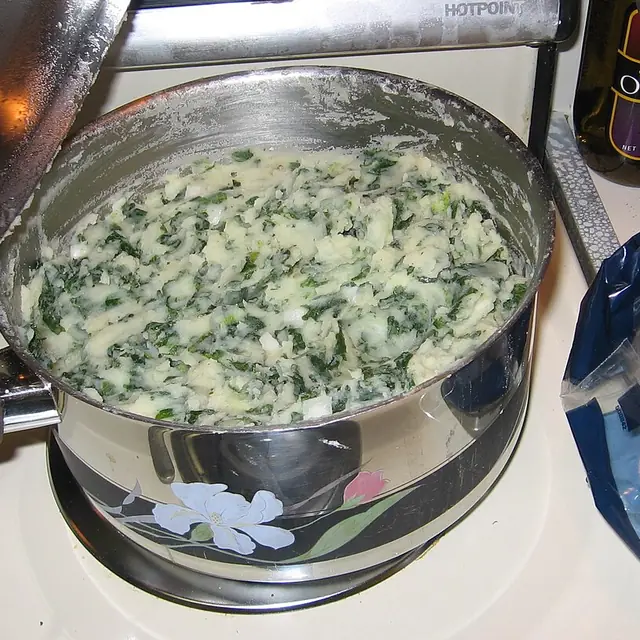
Mashed floury potatoes folded with sweated kale or cabbage, spring onions and a generous amount of butter and warm cream. The Irish potato-and-greens classic, served at Halloween with a hidden ring for luck.
Where: Gallagher's Boxty House, Delahunt, Bastible
Price: €10-16
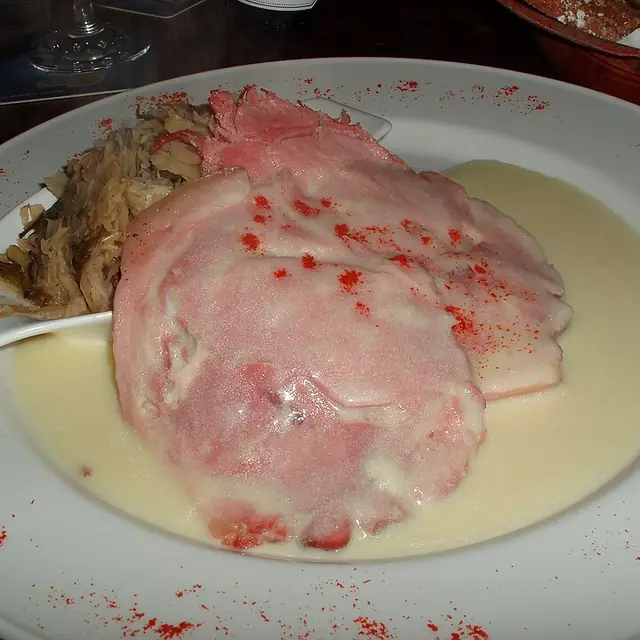
Cured pork loin (Irish bacon collar) gently boiled with savoy cabbage, carrots and floury potatoes, served with a yellow parsley-mustard sauce. The pre-corned-beef Irish national plate, eaten Sundays for centuries.
Where: Bastible, Delahunt, Gallagher's Boxty House
Price: €18-26
Dublin coddle
A one-pot Liberties tenement supper of sausages, bacon, onions and potatoes simmered slowly in a pale stock until the sausages bloat and the potatoes soak up the fat.
History: Coddle emerged in the eighteenth-century Liberties tenements as a one-pot way to use up the week's leftover sausages and bacon rashers before they spoiled. The recipe held no roasted vegetables and was famously deglazed only with cooking water, never browned. Jonathan Swift and James Joyce both wrote about coddle; Joyce's Leopold Bloom passes a coddle pot in Ulysses. The dish is the working-class Dublin signature, served still at Spitalfields on The Coombe, The Brazen Head and Gallagher's Boxty House. The pale, broth-soaked colour is the dish's tell; properly cooked, the sausages should split.
Where to try it: Spitalfields, The Brazen Head, Gallagher's Boxty House, The Stag's Head
Watch out for: Gluten, Sulphites
Boxty pancake
A grated raw potato and mashed potato pancake folded around a savoury filling, the Cavan-Roscommon dish that became Dublin's tourist-trade signature. The crisp outside and soft inside are the working test.
History: Boxty originated in the Irish midlands in the 1800s as a way to extend the potato through famine winters; the dish was a hybrid of grated raw potato, mashed potato and flour cooked on a griddle. The Dublin signature came in 1989 when Pádraic Óg Gallagher opened Gallagher's Boxty House in Temple Bar, formalising the savoury filled boxty as a restaurant plate. Today every Temple Bar tourist room serves a version; the canonical fillings are beef and Guinness, smoked salmon, or chicken with mushroom cream. The Irish proverb says 'boxty on the griddle, boxty on the pan, if you can't make boxty, you'll never get a man.'
Where to try it: Gallagher's Boxty House, The Brazen Head, Spitalfields
Watch out for: Gluten, Dairy
Irish soda bread
A yeast-free quick bread leavened with bicarbonate of soda reacting against buttermilk, baked in 45 minutes with a cross cut into the top. The Irish kitchen bread, every day for two hundred years.
History: Soda bread became the Irish household loaf in the 1840s when bicarbonate of soda arrived in Ireland, giving cooks a quick yeast-free leavener for the rough wheat available to small farms. The brown soda variant uses wholemeal and was the working everyday loaf; the white soda variant arrived later. The cross cut into the top was practical (helps the loaf bake evenly) and superstitious (lets the fairies out). Today every Dublin restaurant serves a brown soda variant with butter; the Brazen Head, the Bretzel Bakery and the Winding Stair bake the city's references.
Where to try it: The Winding Stair, Spitalfields, The Brazen Head, Bewley's Cafe Grafton Street
Watch out for: Gluten, Dairy
Guinness beef stew
A long-simmered beef stew braised in Guinness Extra Stout with carrots, onions and a bay leaf, the working Dublin pub plate served with mash and brown bread. Three hours minimum.
History: Beef in stout is older than Guinness, but the 1759 St James's Gate stout brewery formalised the recipe across Dublin pub kitchens. The classic Irish stew uses lamb and no stout; the beef and Guinness variant became the Dublin pub menu signature from the 1970s onwards. The dish needs three hours minimum to reduce the stout to a glossy syrupy gravy and to break the beef shin down. Every Dublin pub serves a version; the Brazen Head's is the city's reference, the Stag's Head and L. Mulligan Grocer's are the gastropub upgrades.
Where to try it: The Brazen Head, L. Mulligan Grocer, The Stag's Head, Davy Byrnes
Watch out for: Gluten
Smoked Irish salmon
Wild or organic Atlantic salmon cured in salt and then cold-smoked over oak or beech for 18 to 36 hours, served thin-sliced with brown soda bread, capers, lemon and butter.
History: Ireland's smoked salmon tradition runs back to Atlantic wild fishing and oak-smoking practices in the seventeenth century, but the modern Dublin product is the postwar Burren Smokehouse (1989) and Frank Hederman of Belvelly Smokehouse Cobh (1980s). The dish became the breakfast and afternoon-tea signature in Dublin hotel rooms in the 1990s; today every restaurant from The Winding Stair to The Brazen Head serves a smoked salmon plate as a first course. Burren Smokehouse and Connemara Smokehouse are the two reference producers; the Bretzel bagel with smoked salmon and cream cheese is Portobello's own variant.
Where to try it: The Winding Stair, Gallagher's Boxty House, The Bretzel Bakery
Watch out for: Fish
Howth seafood chowder
A cream-and-fish-stock chowder of Atlantic haddock, mussels, smoked salmon and prawns from Howth's daily landing, finished with parsley and served with brown soda bread.
History: Seafood chowder is the modern Dublin coastal signature: the dish drew on Atlantic Canadian and New England chowder traditions but built on Howth's fresh haddock landings from the 1990s onwards. Every Dublin restaurant with a seafood pretension now runs a version, but The Winding Stair, Klaw and the Howth quay-side seafood bars serve the most credible. The smoked salmon trim that goes in is the Dublin twist on the New England recipe; the parsley garnish came from the Wicklow herb tradition.
Where to try it: The Winding Stair, The Brazen Head
Watch out for: Fish, Crustacean, Mollusc, Gluten, Dairy
Full Irish breakfast
A pile of fried eggs, rashers of bacon, sausages, black pudding, white pudding, grilled tomato, mushrooms and brown soda bread, the morning-after Dublin reset, eaten with strong tea.
History: The full Irish derives from the British full breakfast tradition but added two Irish-specific components: black pudding (a blood sausage made with oats) and white pudding (a non-blood version with oats and pork). The Cork city black pudding tradition (Clonakilty especially) supplies most Dublin kitchens. The plate became the standard B and B breakfast in the 1970s and survives as the all-day breakfast in cafes from the Bakehouse to Bewley's. Soda bread instead of toast is the city's preference.
Where to try it: The Bakehouse, Bewley's Cafe Grafton Street, Brother Hubbard North
Watch out for: Gluten, Egg, Dairy
Lobster roll
A warm split brioche roll filled with chunks of Lambay Island or Carlingford lobster meat dressed in melted butter and a squeeze of lemon, the contemporary Dublin signature seafood.
History: The Dublin lobster roll became the city's modern seafood signature when Niall Sabongi opened Klaw on Crown Alley in Temple Bar in 2015, importing the Maine warm-butter style and pairing it with Lambay Island and Carlingford lobster landings. The dish was a market-rate plate at first but became the city's seafood reference under EUR 20; today Klaw, Sole Seafood and the Howth quay bars all serve a version. The warm butter Maine style won over the chilled mayonnaise Connecticut style in Dublin.
Where to try it: Fish Shop, The Winding Stair, The Seafood Cafe by Niall Sabongi
Watch out for: Crustacean, Gluten, Dairy, Sulphites
Bewley's sticky bun
A yeasted, syrupy enriched bun coated in a sticky lemon and sultana glaze, the Bewley's Cafe Grafton Street signature pastry since 1927. Best with a Bewley's coffee.
History: Ernest Bewley introduced the sticky bun to the Bewley's Oriental Cafe menu at Grafton Street in 1927; the recipe came from the Bewley family bakery and was based on an English Chelsea bun with the Irish addition of a lemon syrup glaze and sultanas. The bun became the city's signature pastry across the twentieth century, a Sunday-morning Grafton Street ritual. Bewley's still bakes the same recipe in its restored Grafton Street cafe.
Where to try it: Bewley's Cafe Grafton Street
Watch out for: Gluten, Dairy, Egg
Irish coffee
A glass of hot coffee with Irish whiskey, a teaspoon of brown sugar and a layer of softly whipped cream floated on top. Hot under cold, sweet then bitter, the Dublin afterparty drink.
History: Irish coffee was formalised by chef Joe Sheridan at Foynes flying-boat terminal in Co Limerick in 1942, serving a hot coffee with Irish whiskey to American passengers diverted by Atlantic weather. Stanton Delaplane took the recipe to the Buena Vista Cafe in San Francisco in 1952, where it became the city's signature drink. Every traditional Dublin pub now serves a version; the Brazen Head, Davy Byrnes and The Palace Bar pour the city's references.
Where to try it: The Brazen Head, Davy Byrnes, The Palace Bar
Watch out for: Dairy
Colcannon
Mashed floury potatoes folded with sweated kale or cabbage, spring onions and a generous amount of butter and warm cream. The Irish potato-and-greens classic, served at Halloween with a hidden ring for luck.
History: Colcannon has been an Irish staple since at least the 17th century, taking its name from the Gaelic cál ceannann (white-headed cabbage). The Halloween tradition of hiding tokens in the mash for good luck dates to the 19th century. Dublin pub kitchens at Gallagher's Boxty House, Delahunt and Bastible all run defensible versions, especially through the autumn-winter months.
Where to try it: Gallagher's Boxty House, Delahunt, Bastible
Watch out for: Dairy
Bacon and Cabbage
Cured pork loin (Irish bacon collar) gently boiled with savoy cabbage, carrots and floury potatoes, served with a yellow parsley-mustard sauce. The pre-corned-beef Irish national plate, eaten Sundays for centuries.
History: Bacon and cabbage was the canonical Irish Sunday dinner long before Irish-American emigrants substituted corned beef in 19th-century New York. The Irish bacon used is collar, gently brined for a week; not American streaky bacon. Dublin gastropubs The Greenhouse, Bastible and Delahunt all keep the dish on the winter menu.
Where to try it: Bastible, Delahunt, Gallagher's Boxty House
Watch out for: Dairy, Gluten, Mustard