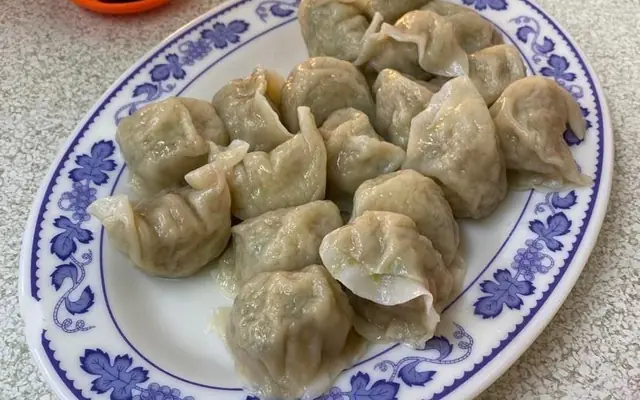
Dumplings (jiaozi)
Northern China
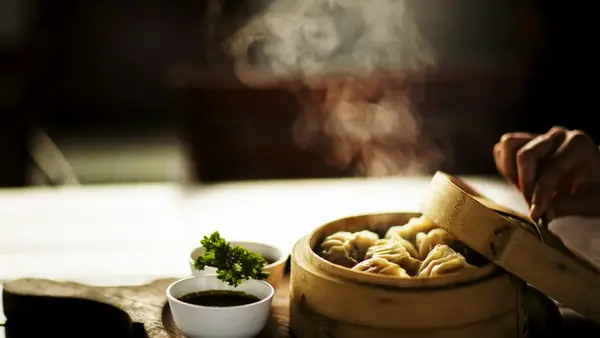
Jiaozi are the New Year dumpling of northern China, eaten at midnight. Their resemblance to old gold and silver ingots makes them a symbol of wealth.
Source: Chinese New Year, Jiaozi.
6 February to 20 February 2027
Lunar New Year runs 6 February to 20 February 2027. Lunar New Year opens the year on the lunisolar calendar and is kept across East and Southeast Asia, with the customs of Chinese New Year the best known. Families gather for a reunion dinner on New Year's Eve and keep eating symbolic dishes through the days that follow.
Source: Chinese New Year, Lunar New Year.
Also known as Chinese New Year, Spring Festival, Tet, Seollal, Imlek.
Northern China
Jiaozi are the New Year dumpling of northern China, eaten at midnight. Their resemblance to old gold and silver ingots makes them a symbol of wealth.
Source: Chinese New Year, Jiaozi.
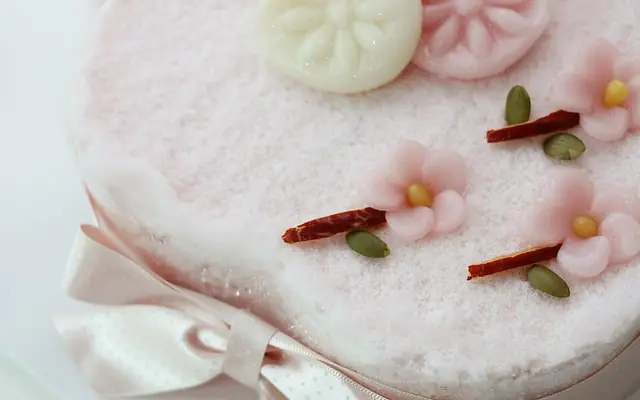
Southern and eastern China
Niangao is a sticky pudding of glutinous rice flour, eaten and given as a gift because its name sounds like a higher year. It is most popular in eastern China, around Jiangsu, Zhejiang and Shanghai.
Source: Chinese New Year.
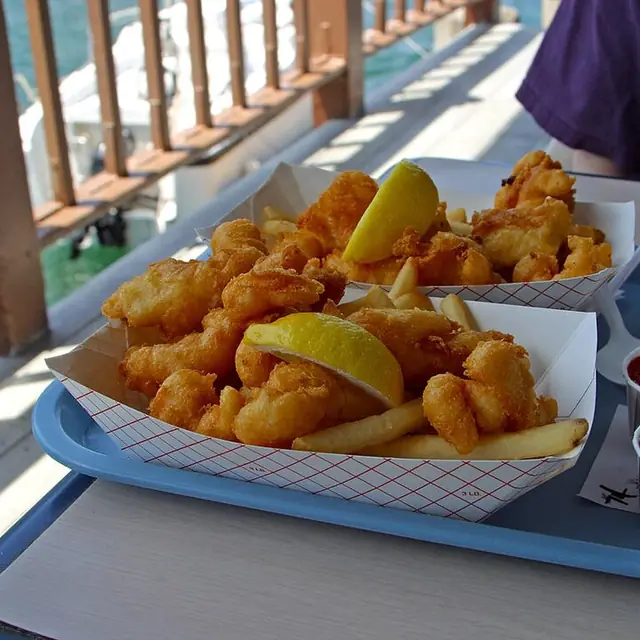
A fish is part of the New Year's Eve table, and the word for fish sounds like the word for surplus. Reunion dinners also tend to feature a shared hot pot.
Source: Chinese New Year.
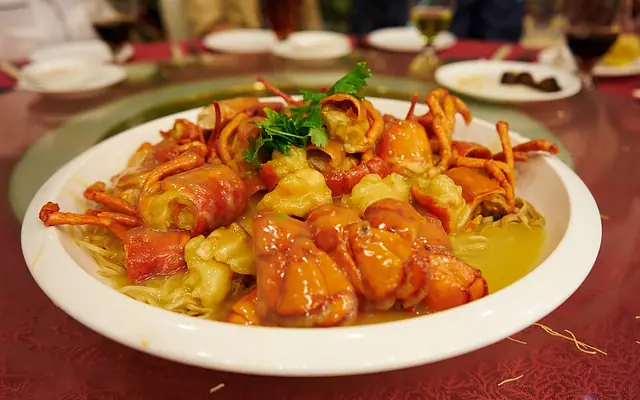
Very long wheat noodles, fried or served in broth, eaten uncut to wish for a long life.
Source: Chinese New Year.
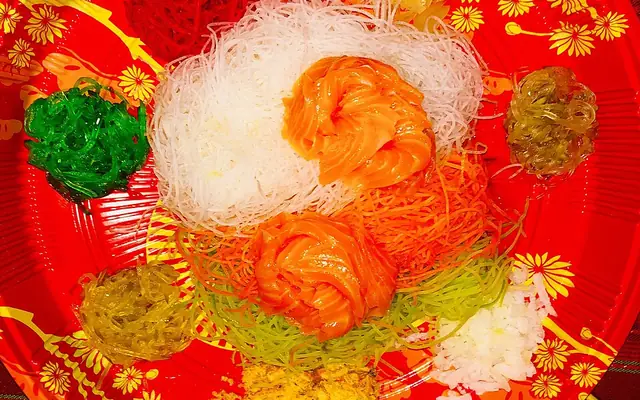
Malaysia and Singapore
A raw fish salad that diners toss together, eaten for wealth and prosperity. It is a custom of Malaysia and Singapore, and the seventh day of the New Year is the traditional day for it.
Source: Chinese New Year.
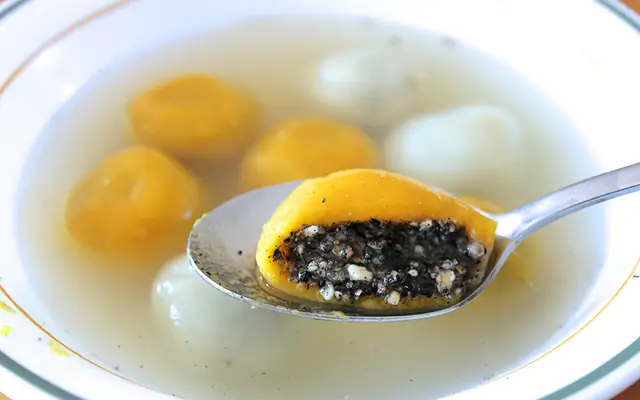
Glutinous rice balls served in a hot broth or syrup, often stuffed with black sesame. The name is a near homophone for reunion, so they stand for togetherness, and they are traditionally eaten at the Lantern Festival that closes the season.
Source: Tangyuan (food), Chinese New Year.
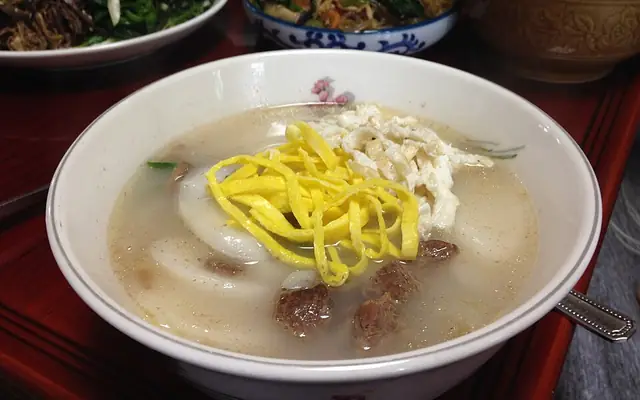
Korea
The Korean Seollal soup of sliced rice cakes in a clear broth, eaten on New Year's morning. Tradition says each bowl adds a year to your age.
Source: Tteokguk.
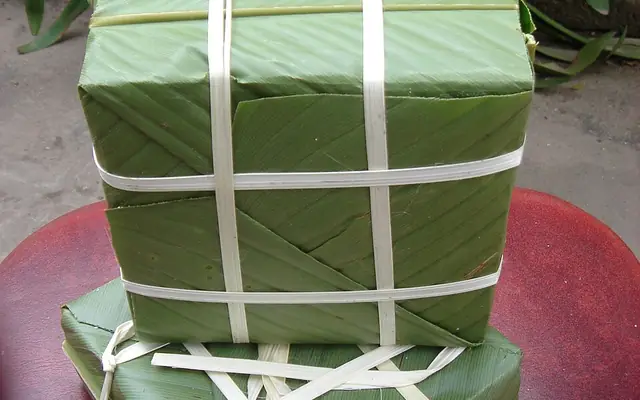
Vietnam
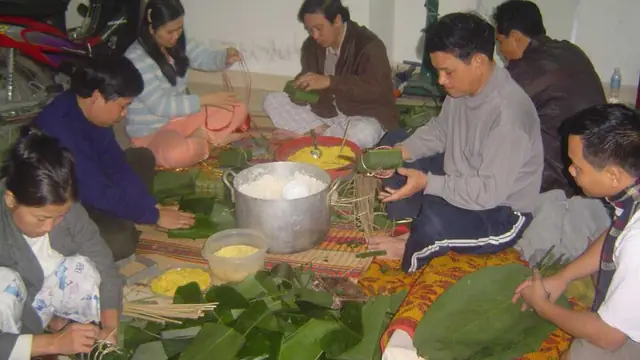
A Vietnamese cake of glutinous rice, mung beans and pork, placed on the family altar for Tet. Families traditionally begin making it on the 27th or 28th day of the twelfth lunar month.
Source: Bánh chưng.
20 Jan to 4 Feb 2027Expected
Taipei, Taiwan
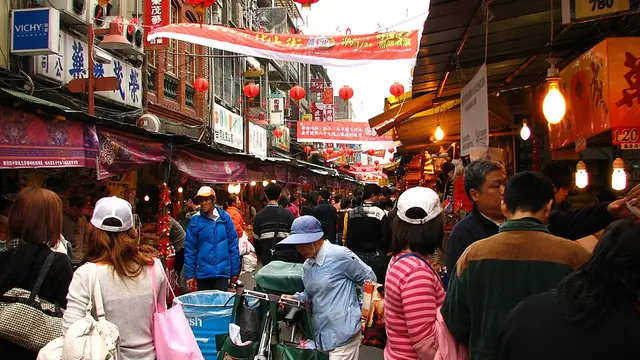
Dried goods, nuts, sweets and New Year gifts
27 Jan to 17 Feb 2027Expected
Singapore, Singapore
Traditional festive snacks and seasonal treats
3-11 Feb 2027Expected
Dublin, Ireland
Chinese, Vietnamese and Korean food events
6-10 Feb 2027
Hanoi, Vietnam
Banh chung, mut tet candied fruits, Tet feast
6-10 Feb 2027
Ho Chi Minh City, Vietnam
Banh chung and banh tet, thit kho, mut (candied fruit)
6-7 Feb 2027
London, United Kingdom
Chinese street food, dumplings, hot food stalls
6-20 Feb 2027
Rotterdam, Netherlands
Chinese and Southeast Asian street food
Nothing matches those filters here. or try the festival finder.
| Year | When |
|---|---|
| 2027 | 6 February to 20 February 2027 |
| 2028 | 26 January to 9 February 2028 |
| 2029 | 13 February to 27 February 2029 |
Every holiday and what people eatFood holidaysFood festival calendar