
Taipei
2 - 3 hours
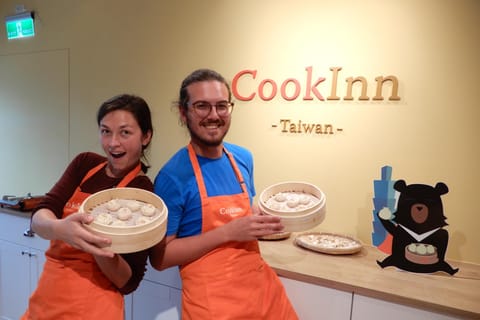
Taipei: Dumplings (Xiao Long Bao) & Beef Noodles Cooking Class
Join a fun, hands-on cooking class in Taipei to master Taiwan’s iconic dishes, meet new friends, and enjoy authentic local flavors! (Vegetarian...
from$82Check dates
Bangkok's canal-boat 50-baht-bowl tradition: tiny rice-noodle portions in a dark beef or pork broth thickened with pig's blood, star anise and cinnamon, topped with pork balls and sprouts.
Where to eat it: 4 restaurants across 1 city.
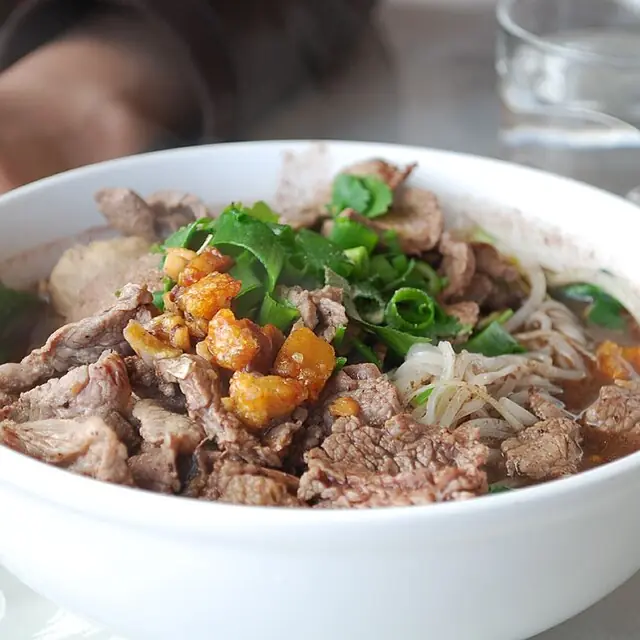
Boat noodles emerged in the 1940s along Bangkok's khlong (canal) waterways, where vendors paddled small wooden sampans serving noodle bowls to commuters. The tiny portion size (one-third of a regular bowl) was so the broth would not spill in waves from passing boats. By the 1980s the canal vendors moved to land and clustered at Victory Monument's Soi Ranchanawi, where Boat Noodle Heaven and Boat Noodle Avenue still ladle the dark beef or pork broth at 15 to 40 baht per bowl, expecting four or five rounds.
Tours, tastings and classes that match this page, bookable on GetYourGuide.
2 - 3 hours
Join a fun, hands-on cooking class in Taipei to master Taiwan’s iconic dishes, meet new friends, and enjoy authentic local flavors! (Vegetarian...

Water activity · 1 hour
Experience sealions, serenity and the sea on this beautiful Duffy boat tour, complimentary wine, cheese, charcuterie with selected option, a charming...
Day trip · 7.5 hours
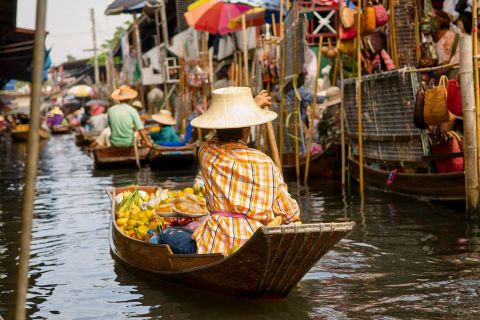
Visit the Maeklong Railway Market and the Damnoen Saduak Floating Market on either a private or group tour from Bangkok. Interact with friendly local...
3h 30m
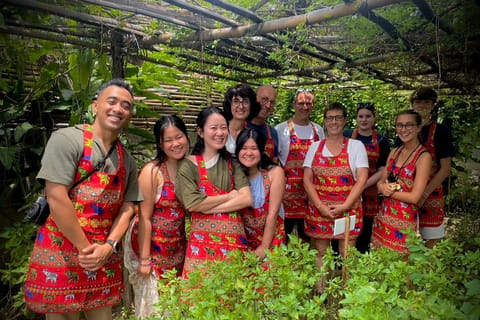
Learn how to cook a variety of Thai dishes with a local chef with an authentic cooking class in Chiang Mai. Visit a local market and savor your...
Common allergens: Gluten (some toppings), Soy, Fish sauce, Pork
Tip from the editors. Tiny bowls are not a gimmick; they were sized so the broth would not slosh out when the canal boats hit a wake. Four bowls is a real meal.
Boat Noodle Alley off Victory Monument in Bangkok serves 50-baht bowls of kuay teow ruea pork or beef noodles from a row of canal-side stalls.
TryBoat noodles (kuay teow ruea)
TipCash only. Order three or four small bowls to rotate flavours; locals stack five bowls at the bigger Boat Noodle Heaven stall.
Rung Rueang in Bangkok's Sukhumvit 26 is the Bib Gourmand pork-noodle counter, four generations of pork balls in kuay teow rice noodles, all bowls under 100.
TryTom yum pork noodles
TipCash only. Open 08:00-17:00 daily; lunch queues from 11:30. Two branches on Sukhumvit 26, both run by the same family.
Guay Jub Mr Joe in Bangkok's Yaowarat is the late-night kuay jab cart at the corner of Soi 11, peppery pork-offal broth and rolled rice noodles cooked.
TryRolled rice noodles in pork-offal broth (kuay jab)
TipCash only. Stall is on the kerb; eat at the plastic stools opposite. Order with extra crispy pork belly.
Nai Ek in Bangkok's Yaowarat has cooked rolled-rice-noodle kuay jab in peppery pork-offal broth until midnight since 1960, the late-night canonical Chinatown.
TryKuay jab Yaowarat in pork broth
TipOpen 08:00 to midnight daily, cash only. Order with extra crispy pork belly; the pork offal bowl is also the local pick.
More cities are in research. Want boat noodles (kuay teow ruea) covered somewhere specific? Tell us where you want to eat.