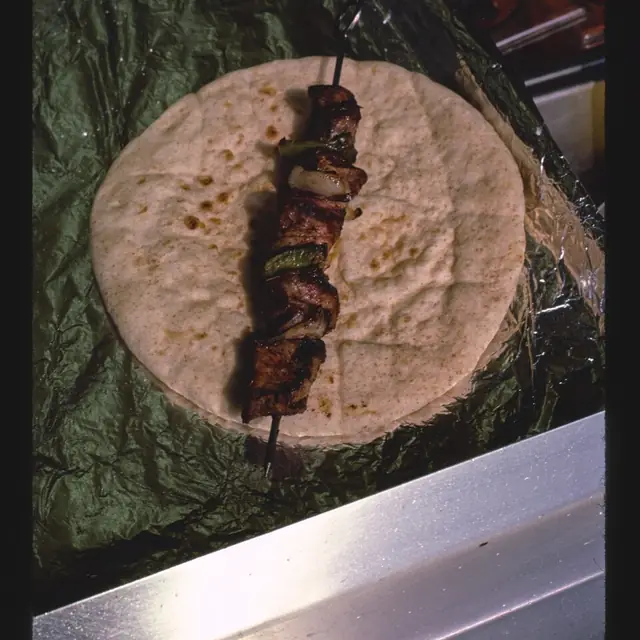
Souvlaki pita ★ 4.9
Grilled pork or chicken on a wooden skewer with the meat sliced off into a warm pita with tomato, onion and tzatziki, the everyday lunch and late dinner across Athens.
Where: Kostas Souvlaki, Bairaktaris
Price: €3-4
The plates that define Athens: what they are, and where to eat the canonical version.
The plates that define Athens. what they are, where they came from, and where to eat the canonical version.
Grilled pork or chicken on a wooden skewer with the meat sliced off into a warm pita with tomato, onion and tzatziki, the everyday lunch and late dinner across Athens.
Where: Kostas Souvlaki, Bairaktaris
Price: €3-4
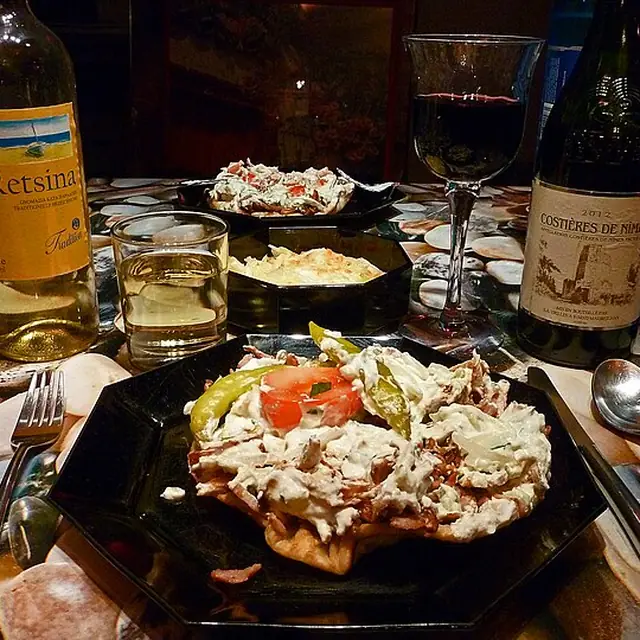
Pork or chicken stacked on a vertical spit, shaved off in slivers and rolled into a pita with chips, tomato, onion and tzatziki, the late-night Athens staple.
Where: Bairaktaris, Kostas Souvlaki
Price: €3.50-5
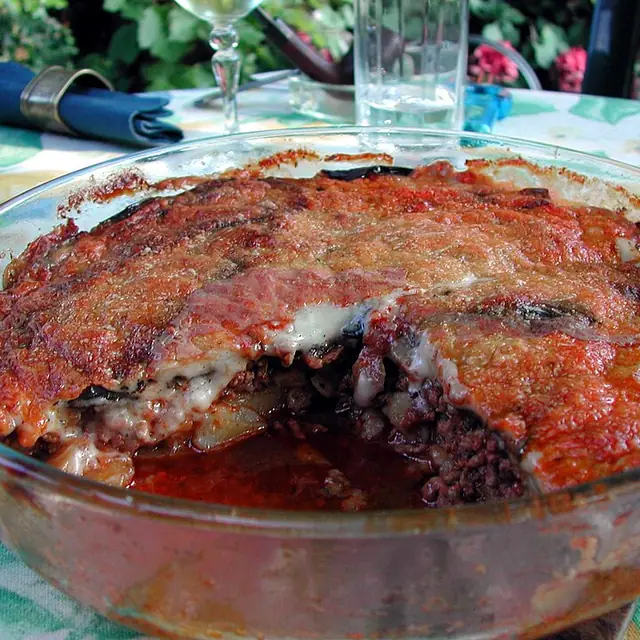
Layered aubergine, potato and spiced lamb mince under a thick bechamel, baked to a golden top, the Athens lunch plate at every long-running mageirio in the city.
Where: Taverna tou Oikonomou, Karavitis Tavern, Klimataria
Price: €10-15
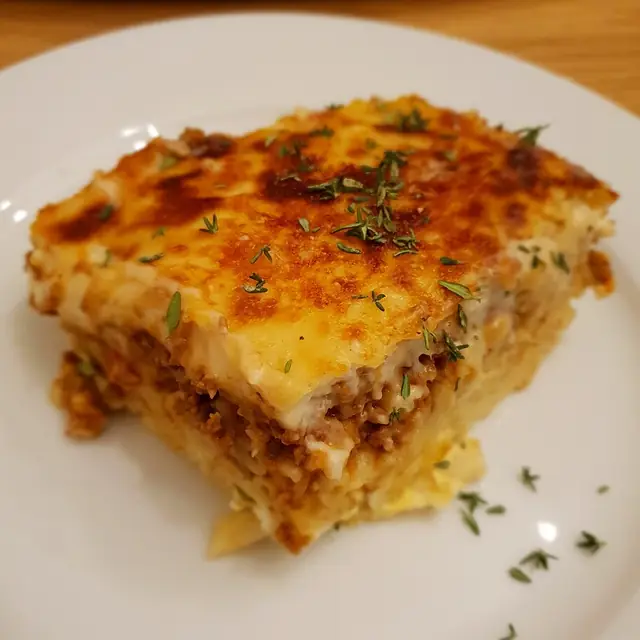
Long tube pasta layered with spiced beef ragu and a bechamel top, baked into a square slice, the Sunday-lunch plate at every Athens taverna with home cooking.
Price: €10-14
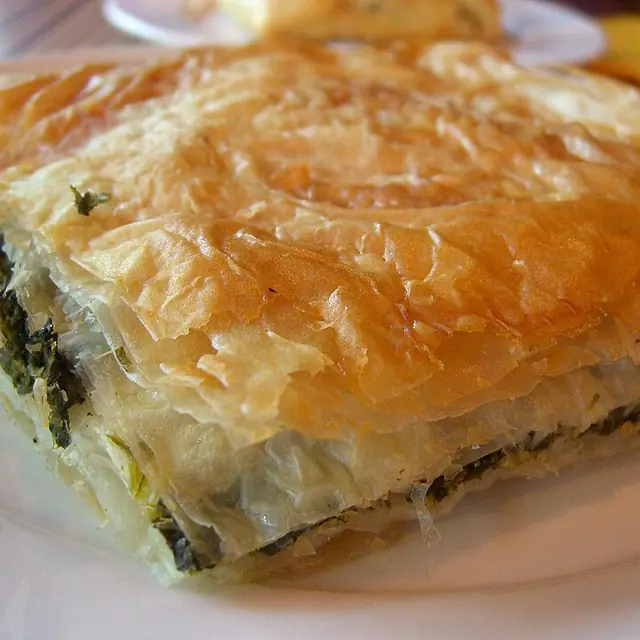
Spinach and feta in layers of crisp phyllo, baked in a deep tray and sliced into hot squares, the Athens breakfast pie at counters across the city.
Where: Ariston, Takis Bakery
Price: €2-4
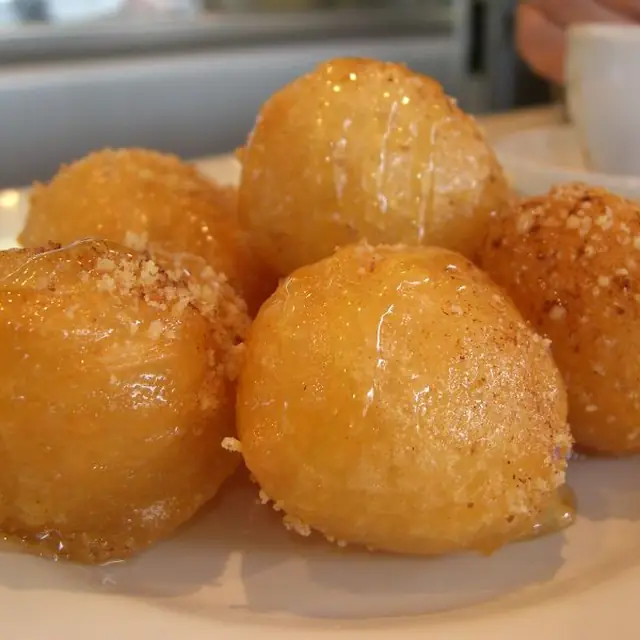
Yeast-doughnut balls deep-fried to a crisp shell, dressed in honey syrup and cinnamon, the Greek dessert sweet served hot from the pan in Athens.
Where: Krinos, Lukumades
Price: €4-8
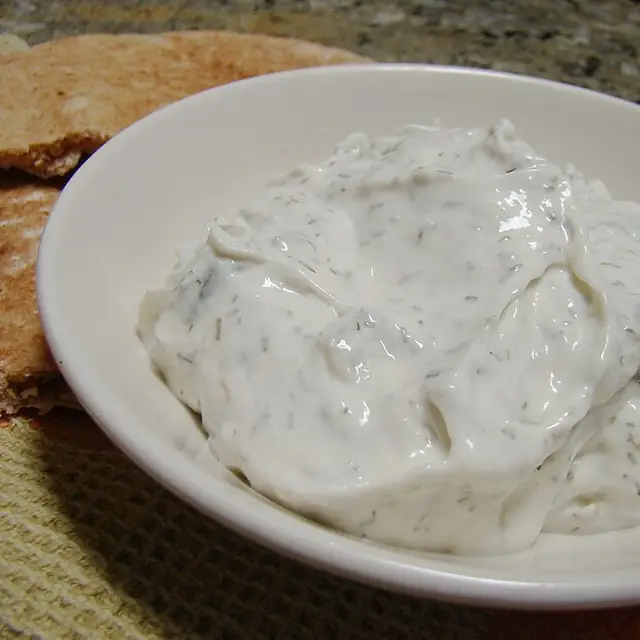
Strained Greek yogurt with grated cucumber, garlic, olive oil and dill, the cold side dip on every Athens taverna table and every souvlaki pita in the city.
Where: Bairaktaris, Klimataria, Taverna Saita
Price: €4-6
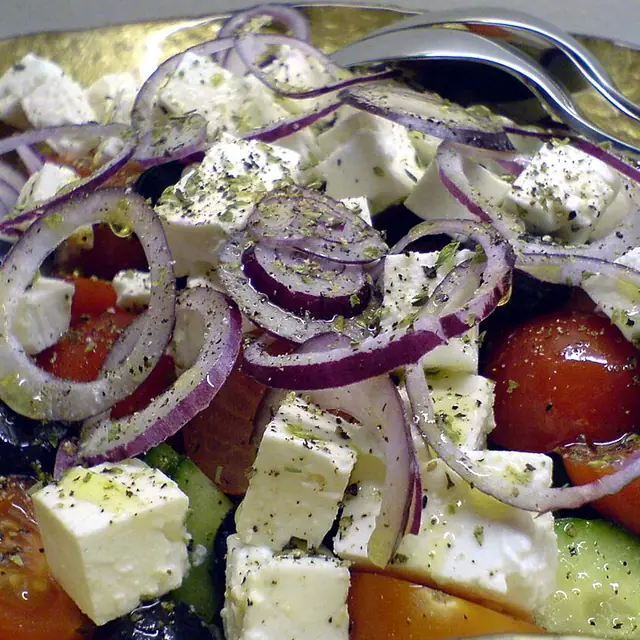
Tomato wedges, cucumber, green pepper, red onion, kalamata olives and a thick slab of feta with oregano and good olive oil, the Greek summer salad of Athens.
Where: Karavitis Tavern, Taverna Saita, Taverna Platanos
Price: €8-12
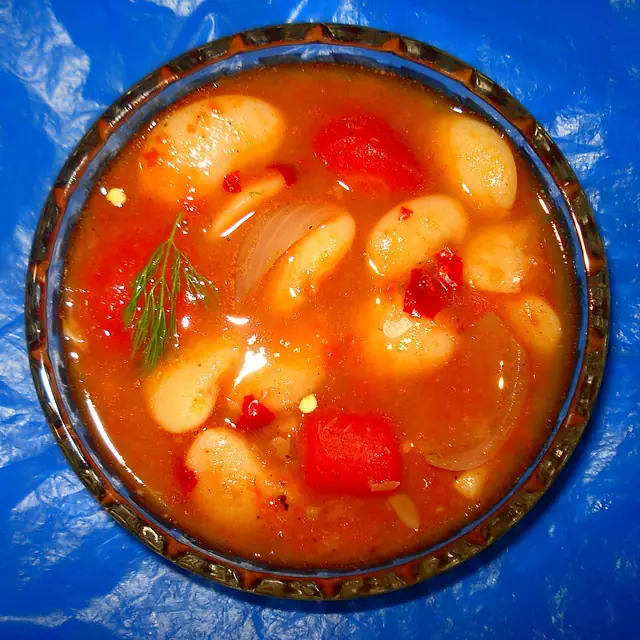
Greek white-bean soup of butter beans simmered with carrot, celery, onion and tomato, finished with olive oil and oregano. The unofficial national dish of Greece.
Where: Diporto, Taverna Saita, Klimataria, Karavitis Tavern
Price: €7-12
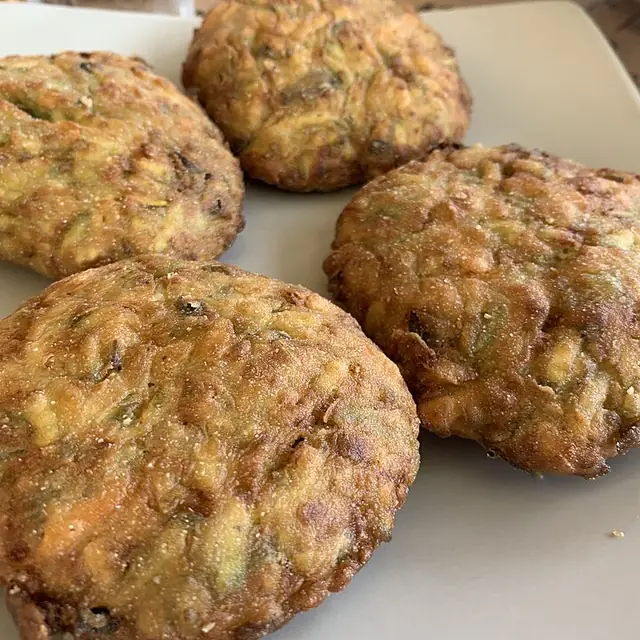
Greek courgette fritters bound with grated kefalotyri cheese, fresh mint, dill, spring onion and a little flour, shallow-fried until golden, served hot with tzatziki.
Where: Tzitzikas kai Mermigas, Manimani, Karavitis Tavern, Mavro Provato
Price: €8-13
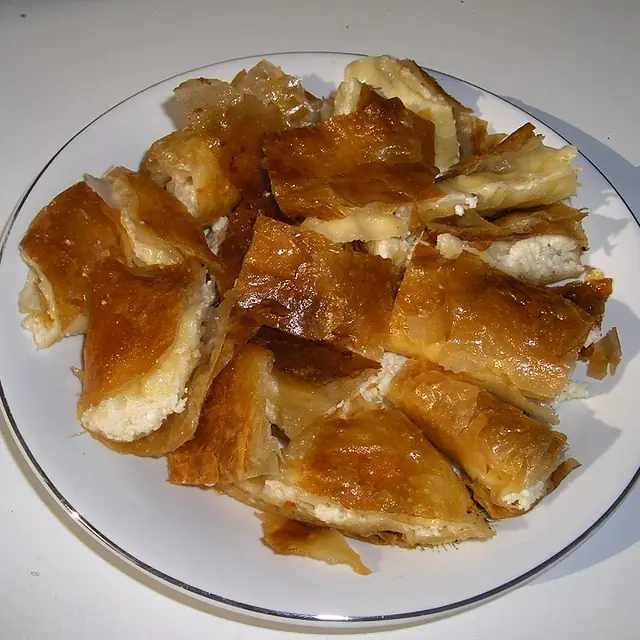
Greek filo pastry filled with sweetened semolina custard, baked in trays and cut to order at the bakery counter, dusted with icing sugar and cinnamon. The breakfast pastry of Greek street life.
Where: Ariston, Ariston Pies, Takis Bakery, Venetis 1948 Kifisia
Price: €2.50-5
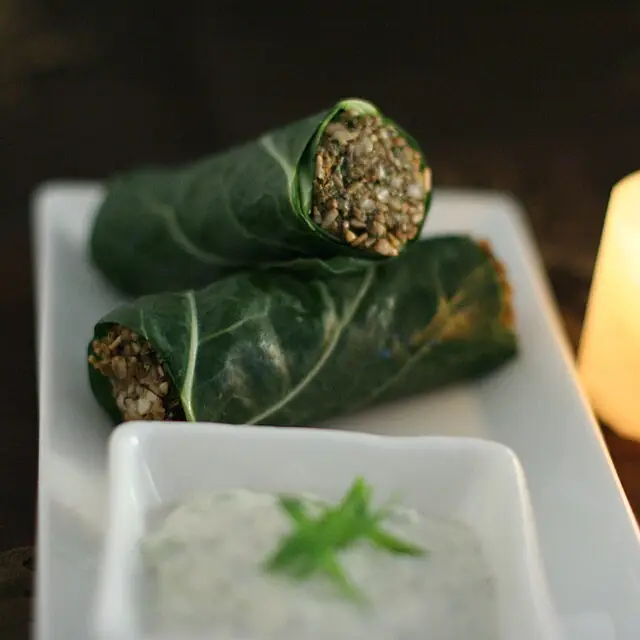
Greek stuffed vine leaves filled with rice, onion, fresh herbs and pine nuts, simmered slowly in lemon and olive oil. Served warm or at room temperature as a meze.
Where: Tzitzikas kai Mermigas, Mavro Provato, Karavitis Tavern, Klimataria
Price: €8-14
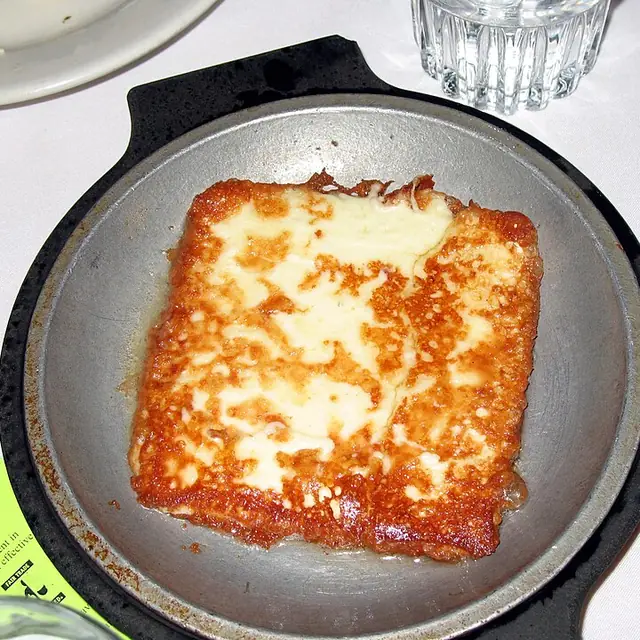
Slab of kefalograviera or graviera cheese pan-fried in olive oil until crusted golden on the outside, gooey within. Squeezed with lemon and eaten with crusty bread; the canonical Greek taverna opener.
Where: Mavro Provato, Klimataria, Athinaikon, Karavitis Tavern, Tzitzikas kai Mermigas, Manimani
Price: €8 to €14
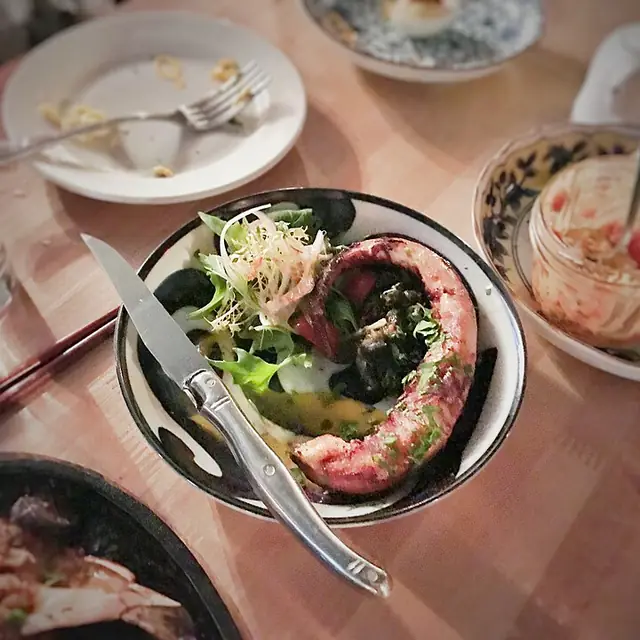
Whole octopus tenderised on a rock, then char-grilled over coals with olive oil and oregano, served with capers, red onion and a wedge of lemon. The Greek seaside meze, ideal with chilled ouzo.
Where: Atlantikos, Manimani, Mavro Provato, Karavitis Tavern, Taverna tou Oikonomou
Price: €16 to €28
Grilled pork or chicken on a wooden skewer with the meat sliced off into a warm pita with tomato, onion and tzatziki, the everyday lunch and late dinner across Athens.
History: Skewered meat over coals predates the modern souvlaki by centuries, but the Athens souvlaki-pita built around tzatziki and a charcoal grill emerged in the post-war 1950s. The Bairaktaris family on Monastiraki traces its souvlaki business to the late 19th century. Kostas on Agia Irini Square has fried the pita with its own tomato sauce since 1946. The dish is now the daily food of Athens, costing EUR3 to EUR4 at counter, eaten standing in the square.
Where to try it: Kostas Souvlaki, Bairaktaris
Watch out for: Gluten, Dairy
Pork or chicken stacked on a vertical spit, shaved off in slivers and rolled into a pita with chips, tomato, onion and tzatziki, the late-night Athens staple.
History: Gyros arrived in Athens in the 1920s with Asia Minor refugees, a Greek adaptation of the Ottoman doner kebab. The vertical-spit pork version became the Greek standard in the 1950s and 1960s. Bairaktaris on Monastiraki has run a gyros window since the late 19th century, before the modern format settled. Today the pita with chips inside is the canonical Athens late-night order, EUR4 across most counters in the city.
Where to try it: Bairaktaris, Kostas Souvlaki
Watch out for: Gluten, Dairy
Layered aubergine, potato and spiced lamb mince under a thick bechamel, baked to a golden top, the Athens lunch plate at every long-running mageirio in the city.
History: The modern Greek moussaka was codified by chef Nikolaos Tselementes in the 1920s, who added the French bechamel to an Ottoman-era layered aubergine dish. The result became a fixture of the Athens taverna by the 1950s. Today every mageirio in the city, from Diporto in the central market to Karavitis in Pangrati, runs a daily moussaka from the pan. Best eaten at lunch, when the bechamel is still warm and the layers hold.
Where to try it: Taverna tou Oikonomou, Karavitis Tavern, Klimataria
Watch out for: Gluten, Dairy
Long tube pasta layered with spiced beef ragu and a bechamel top, baked into a square slice, the Sunday-lunch plate at every Athens taverna with home cooking.
History: Pastitsio descends from the Venetian pasticcio, a baked pasta pie that reached the Ionian islands under Venetian rule, and it shares the Tselementes bechamel story with moussaka: the French-trained chef's 1920 cookbook dropped the pastry shell, put a bechamel top on the meat and pasta, and set the version every Greek kitchen now cooks. The thick hollow tube sold in Greece as pastitsio No. 2 is the pasta of choice; bucatini is the closest substitute abroad. Athens mageiria bake it in trays for the lunch crowd, and the slice with crisp bechamel top and tomato-cinnamon ragu is the canonical Athenian Sunday lunch order.
Watch out for: Gluten, Dairy, Eggs
Spinach and feta in layers of crisp phyllo, baked in a deep tray and sliced into hot squares, the Athens breakfast pie at counters across the city.
History: Spanakopita is the canonical Greek savoury pita, layered phyllo over spinach, feta and herbs. The bakery counter version became the Athens breakfast in the 20th century. Ariston on Voulis has baked spanakopita since 1910, the long-running takeaway behind Syntagma. Most central Athens bakeries (Takis on Misaraliotou, Venetis) run a daily spanakopita on the morning trays. Best eaten warm out of the oven before 10:00.
Where to try it: Ariston, Takis Bakery
Watch out for: Gluten, Dairy
Yeast-doughnut balls deep-fried to a crisp shell, dressed in honey syrup and cinnamon, the Greek dessert sweet served hot from the pan in Athens.
History: Loukoumades trace their lineage to ancient Greek honey doughnuts called enkrides, written about by Athenaeus in the 3rd century AD. The modern Athens loukoumades shop is Krinos on Aiolou, fried on the same recipe and decor since 1923. Lukumades on Aiolou is the modern reinvention since the 2010s, with cream fillings and chocolate toppings. The classic order remains a portion of nine round doughnuts with honey, cinnamon and a Greek coffee on the side.
Where to try it: Krinos, Lukumades
Watch out for: Gluten
Strained Greek yogurt with grated cucumber, garlic, olive oil and dill, the cold side dip on every Athens taverna table and every souvlaki pita in the city.
History: Tzatziki shares roots with the Turkish cacik and the Indian raita, all built around yogurt and cucumber. The Greek version with garlic and olive oil dominates from the post-war taverna era. Every Athens taverna serves a small bowl of tzatziki with bread before the meal arrives, and every souvlaki pita includes a generous spoonful. The dish requires only strained yogurt, fresh cucumber and good olive oil to work; it ruins fast with bad ingredients.
Where to try it: Bairaktaris, Klimataria, Taverna Saita
Watch out for: Dairy
Tomato wedges, cucumber, green pepper, red onion, kalamata olives and a thick slab of feta with oregano and good olive oil, the Greek summer salad of Athens.
History: Horiatiki is the village salad, designed around the peak-summer Greek tomato. The classic Athens version uses no lettuce, only ripe tomatoes and feta in a thick slab over the top. The dish became the Athens lunch staple in the 1960s and is now a non-negotiable taverna order between June and September. The salad requires good tomato to work; it dies in winter when supermarket tomato is the only option.
Where to try it: Karavitis Tavern, Taverna Saita, Taverna Platanos
Watch out for: Dairy
Greek white-bean soup of butter beans simmered with carrot, celery, onion and tomato, finished with olive oil and oregano. The unofficial national dish of Greece.
History: Fasolada is the unofficial national dish of Greece, present on Lenten and everyday tables since the medieval period. The dish is built on dried gigantes or butter beans slow-cooked with the trinity of Greek vegetables (carrot, celery, onion) and finished with abundant olive oil. Diporto, Taverna Saita and the Athenian neighborhood tavernas plate fasolada as a cold-season staple, often as the first course before grilled protein.
Where to try it: Diporto, Taverna Saita, Klimataria, Karavitis Tavern
Greek courgette fritters bound with grated kefalotyri cheese, fresh mint, dill, spring onion and a little flour, shallow-fried until golden, served hot with tzatziki.
History: Kolokithokeftedes are the Greek mezze fritter that channels summer-season courgettes through grated cheese and fresh herbs. The dish appears in Greek home-cooking from at least the 19th century, with strong roots in the Cyclades (especially Santorini) where courgettes were grown for the summer market. Athens tavernas like Tzitzikas kai Mermigas and Manimani plate them as the canonical opening mezze, served hot with a bowl of tzatziki and lemon wedges.
Where to try it: Tzitzikas kai Mermigas, Manimani, Karavitis Tavern, Mavro Provato
Watch out for: Gluten, Dairy, Egg
Greek filo pastry filled with sweetened semolina custard, baked in trays and cut to order at the bakery counter, dusted with icing sugar and cinnamon. The breakfast pastry of Greek street life.
History: Bougatsa arrived in Greek cities with refugees from Constantinople and Smyrna in the 1920s, where the technique of paper-thin hand-stretched filo over a sweet custard had been an Ottoman tradition. Thessaloniki is widely credited as the modern Greek capital of bougatsa, but Athens bakeries adopted the format quickly. Ariston (founded 1910) on Voulis Street is the city's reference operator alongside Takis Bakery and Venetis. Eaten standing at the counter at 09:00 with a Greek coffee.
Where to try it: Ariston, Ariston Pies, Takis Bakery, Venetis 1948 Kifisia
Watch out for: Gluten, Dairy, Egg
Greek stuffed vine leaves filled with rice, onion, fresh herbs and pine nuts, simmered slowly in lemon and olive oil. Served warm or at room temperature as a meze.
History: Dolmades have been on Greek and Ottoman tables since the medieval period, with the rice-and-herb (yalantzi) version distinguished from the meat-stuffed version. Athens tavernas serve both; the yalantzi version is the Lenten-friendly mezze that anchors every mezedopoleio in the city. Tzitzikas kai Mermigas, Mavro Provato and the neighborhood tavernas of Pangrati all plate the canonical version, served warm with lemon and a drizzle of olive oil.
Where to try it: Tzitzikas kai Mermigas, Mavro Provato, Karavitis Tavern, Klimataria
Slab of kefalograviera or graviera cheese pan-fried in olive oil until crusted golden on the outside, gooey within. Squeezed with lemon and eaten with crusty bread; the canonical Greek taverna opener.
History: Saganaki takes its name from the two-handled frying pan it cooks in, which itself derives from the Turkish sahan brought to Greek kitchens of Asia Minor before 1922. The cheese version using kefalotyri, kefalograviera, or graviera became the canonical taverna meze across mainland Greece in the 20th century. In Athens, it is a permanent fixture on every taverna menu from Plaka to Exarchia, served with a wedge of lemon. The flaming version is a 1968 Chicago invention with no Greek precedent.
Where to try it: Mavro Provato, Klimataria, Athinaikon, Karavitis Tavern, Tzitzikas kai Mermigas, Manimani
Watch out for: Dairy, Gluten
Whole octopus tenderised on a rock, then char-grilled over coals with olive oil and oregano, served with capers, red onion and a wedge of lemon. The Greek seaside meze, ideal with chilled ouzo.
History: Greek fishermen have been pounding octopus on coastal rocks to soften the connective tissue for millennia; the Aegean diet documented by Homer included it. Athens absorbed the dish through Aegean and Cycladic migrant tavernas in the 20th century; today every fish taverna in Athens, from Atlantikos in Psyrri to the Piraeus harbourside, serves it as the signature seafood meze. The proper preparation involves boiling the octopus first to tenderise (often in wine or with the cork from a wine bottle, the home tradition), then grilling to char.
Where to try it: Atlantikos, Manimani, Mavro Provato, Karavitis Tavern, Taverna tou Oikonomou
Watch out for: Shellfish
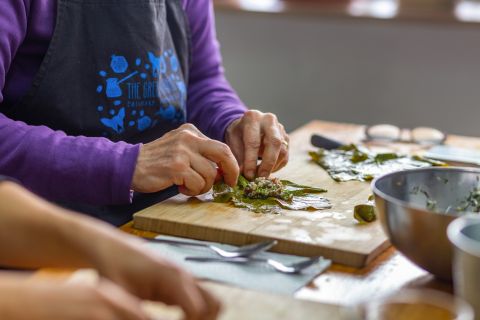
4 hours
Discover the flavors of Greece through this cooking class with a market visit. Start the day with a trip to the market and, at the end of the lesson, enjoy the food yo...
3 hours
Taste an authentic Greek family meal during your stay in Athens with a class in cooking gyros. Leave formalities out, grab a beer or a wine from the fridge, and enjoy ...
3h 30m
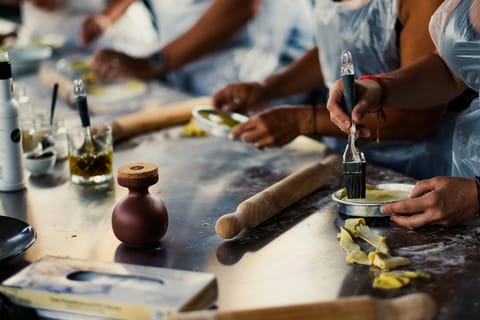
Join us for a unique Greek experience that will take off your taste on higher level and immerse yourself in the mystery of the Artist Experience. You will become a dis...
Athens's signature dishes include Souvlaki pita, Gyros pita, Moussaka, Pastitsio, Spanakopita. See our signature dishes chapter for where to eat each.