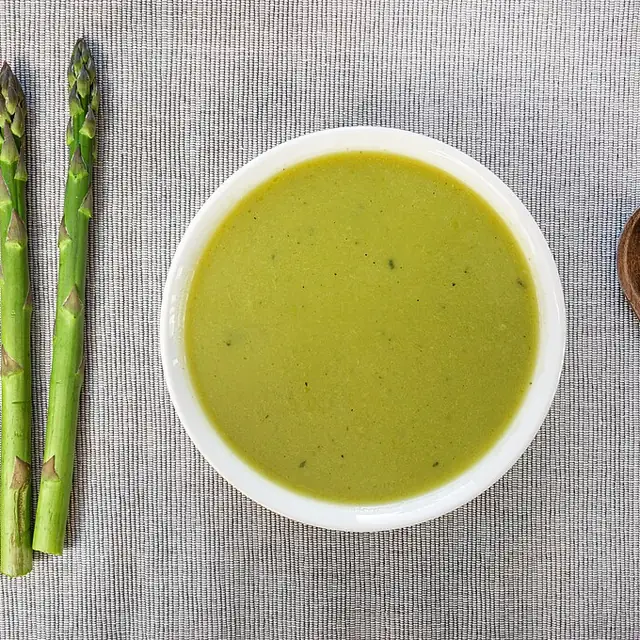
Spargel is Brandenburg's white asparagus, peeled thick, boiled in salted water with butter and lemon, served with hollandaise, boiled new potatoes and a slice of Schinken. May to June only.
White asparagus has been grown in Brandenburg's sandy Beelitz soil since the 17th century, when monks at Brandenburg's cloisters cultivated the spears as a Lenten food. Friedrich the Great in the 18th century made Spargel a court delicacy. Beelitz, 40km south of Berlin, became the asparagus capital of Germany in the late 19th century when railway lines connected its farms to Berlin's markets. Today, Beelitz produces 7,000 tonnes of Spargel per season. The Berlin Spargel ritual runs from late April to St John's Day on 24 June (Spargelsilvester), after which all harvesting stops by tradition. Restaurants from Lutter und Wegner to Lokal run a Spargelkarte for these eight weeks only.
Lutter und Wegner on Berlin's Gendarmenmarkt has cooked the city's traditional Wiener Schnitzel since 1811; the wood-panelled room runs the long lunch.
OrderThe Wiener Schnitzel with cucumber-potato salad; the Berlin sauerbraten in winter.
TipSunday lunch from 12:00 is the easier seating than weekday dinner. Bookings two weeks ahead by phone.
Lokal on Berlin's Linienstrasse in Mitte cooks a short daily menu of seasonal Brandenburg produce; the Spargel and Rote Gruetze are the calendar anchors.
OrderThe Beelitzer Spargel with hollandaise in Spargel season (late April to June).
TipShort seasonal menu changes frequently. Spargel season runs late April to 24 June only; book a week ahead for that window.
Spargel (White Asparagus) makes more sense with someone from Berlin explaining it. These are the classes and tours we have checked, with booking links.
Taste your way through East Berlin’s transformation. Explore history, street art, and global flavors on a guided food and culture walking tour, vegan-friendly!



.jpg)