
Confiteria La Argentina ★ 4.3
Caballito panaderia opened 1907, one of the oldest active bakeries in the city. Pasta frola, palmeritas, alfajores de maicena and a full factura counter.
Worth the queuePasta frola and palmeritas
Slow-caramelised sweetened milk: golden-brown, sticky, intensely sweet. Argentina's national sweet, the base of alfajores, helado, panqueques, layer cakes and breakfast tostadas.
Where to eat it: 4 restaurants across 1 city.
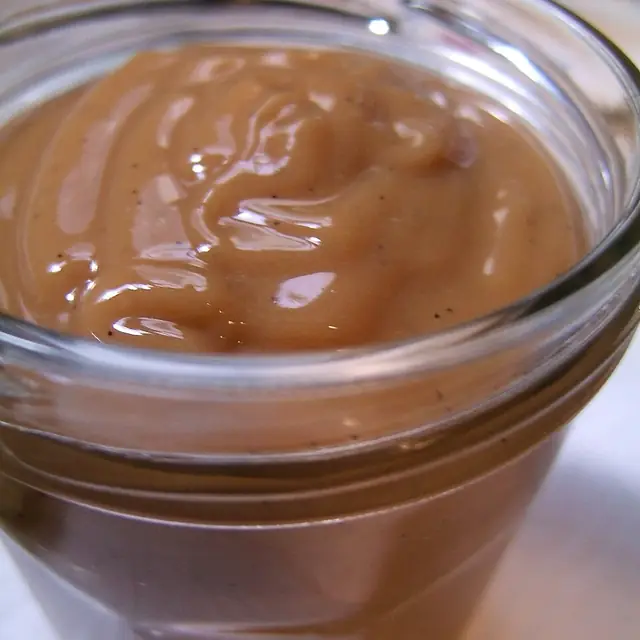
Legend places dulce de leche in 1829 at a truce meeting between Juan Manuel de Rosas and Juan Lavalle in Caňuelas; a servant left milk and sugar on the stove and returned to caramelised gold. The story is unverified and similar preparations existed in France and Indonesia; Uruguay also claims invention. Estancia La Salamandra and La Serenisima industrialised it in the 20th century.
Common allergens: Dairy
Tip from the editors. If it looks split, blend briefly with a hand blender to bring it back together. Stop cooking sooner for a pourable repostero; longer for a thick spread.
Caballito panaderia opened 1907, one of the oldest active bakeries in the city. Pasta frola, palmeritas, alfajores de maicena and a full factura counter.
Worth the queuePasta frola and palmeritas
Voted best Cafe Notable in Buenos Aires, opened 21 September 1884 at Rivadavia and Medrano. Belle-epoque stained glass, Italian marble, legendary merienda.
DrinkMerienda (tea, medialunas, tea sandwiches)
Argentina's most recognised alfajor brand, founded 1948 in Mar del Plata. Now in every airport; the Florida pedestrian-street store is the busiest outpost.
Worth the queueAlfajor de chocolate con dulce de leche
Three French entrepreneurs' Palermo Soho boulangerie, widely cited as the city's best croissant. Baguette, pain au levain, pastries; small cafe corner.
Worth the queueButter croissant
More cities are in research. Want dulce de leche covered somewhere specific? Tell us where you want to eat.