Signature dishes
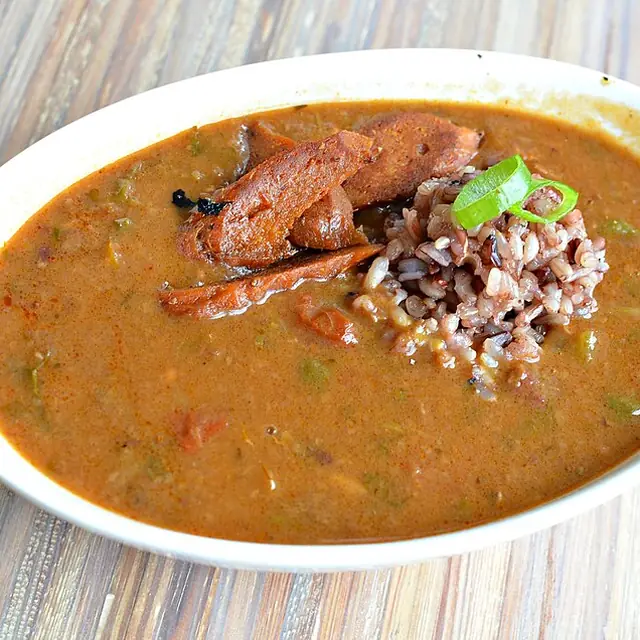
Gumbo is the city's defining one-pot dish: a dark French roux base loaded with the holy trinity (onion, celery, bell pepper), seafood or chicken-and-andouille, finished with file or okra, served over rice.
Where: Commander's Palace, Brigtsen's, Liuzza's by the Track, Mandina's Restaurant
Price: $8 to $14 a cup, $16 to $26 a bowl
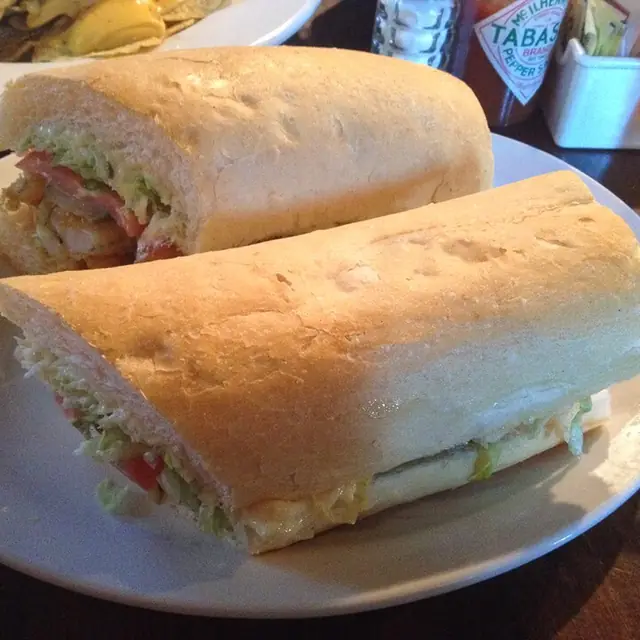
The New Orleans sandwich, an airy Leidenheimer French loaf split, packed with fried shrimp, oysters, roast beef debris or hot sausage, dressed with lettuce, tomato, pickle and mayonnaise.
Where: Domilise's Po-Boys, Parkway Bakery and Tavern, Killer Poboys at Erin Rose, Liuzza's by the Track, Mother's Restaurant
Price: $11 to $17
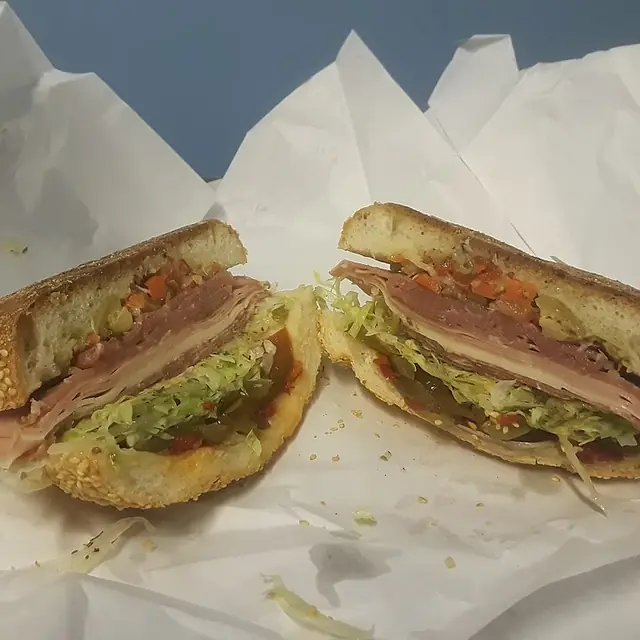
A round, sesame-seeded Sicilian loaf split and packed with mortadella, salami, ham, provolone, mozzarella and the canonical olive salad: chopped giardiniera, olives, garlic, olive oil and herbs.
Where: Central Grocery and Deli, Cochon Butcher, Mother's Restaurant, Killer Poboys at Erin Rose
Price: $11 (half) to $24 (whole)
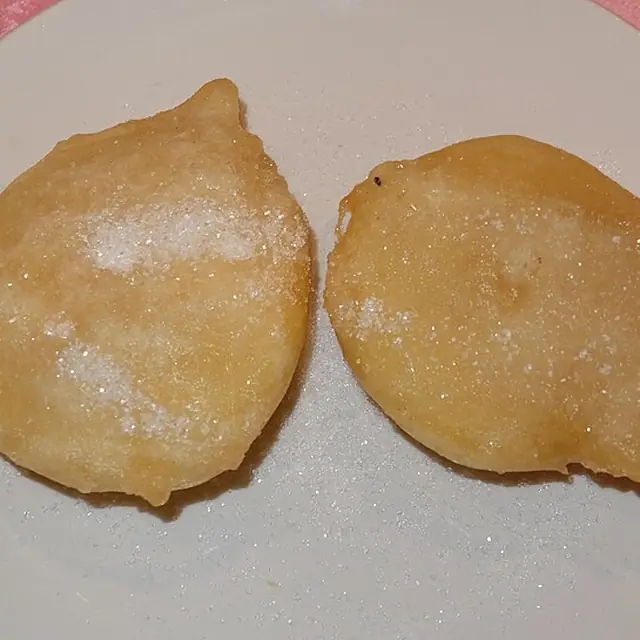
Square French Creole doughnuts, fried in oil until puffed and golden, served piled three to a plate under a heavy dusting of powdered sugar, with chicory cafe au lait alongside.
Where: Cafe du Monde, Cafe Beignet on Royal Street
Price: $4 to $6 for three
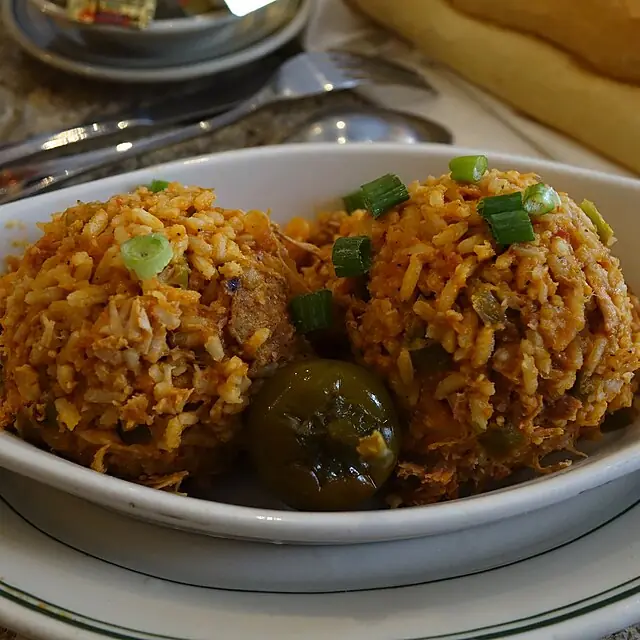
Louisiana's one-pot rice dish, the holy trinity sweated with andouille and chicken or shrimp, rice toasted in the fat, simmered in stock until the liquid is gone and the rice carries the smoke.
Where: Coop's Place, Brigtsen's, Mother's Restaurant, Commander's Palace
Price: $12 to $22
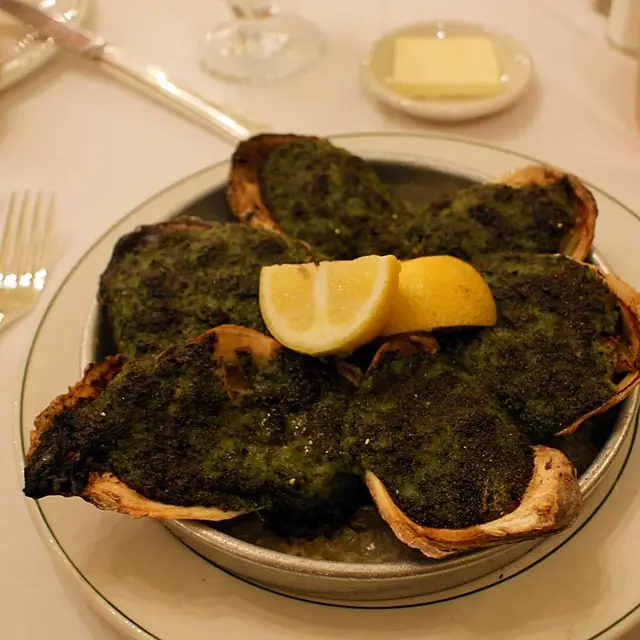
Six oysters on the half shell, baked with a brilliant green sauce of butter, parsley, green herbs and absinthe, finished with breadcrumbs and salt. Named for the wealth of John D Rockefeller.
Where: Antoine's, Arnaud's, Galatoire's, Acme Oyster House
Price: $22 to $34 for half a dozen
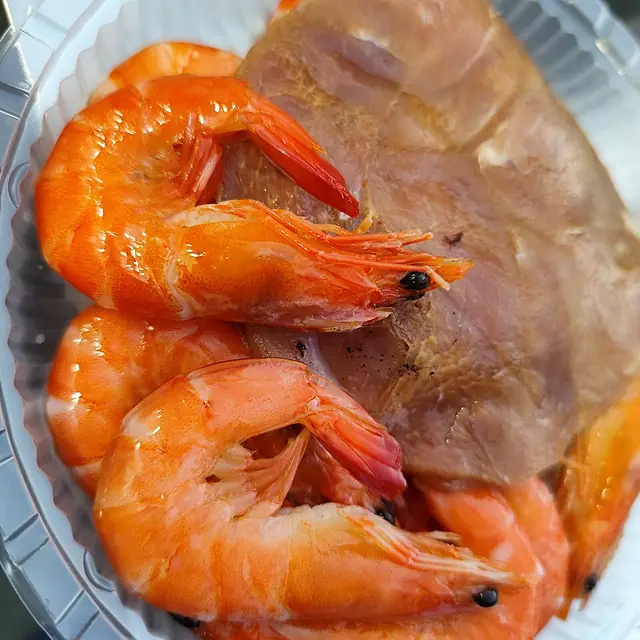
Head-on Gulf shrimp simmered in a peppery butter-Worcestershire-lemon sauce, served bubbling with French bread to mop the sauce. No barbecue involved, despite the name.
Where: Liuzza's by the Track, Mother's Restaurant, Cochon
Price: $22 to $32 a plate
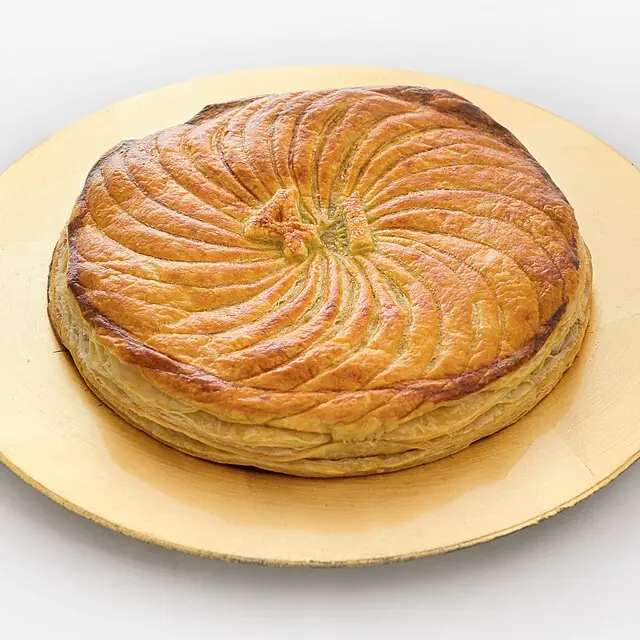
A ring-shaped braided brioche, glazed and sugared in purple, green and gold (the Mardi Gras colours), with a small plastic baby hidden inside. Whoever gets the baby buys the next cake.
Where: Dong Phuong Oriental Bakery, Bywater Bakery, Haydel's Bakery
Price: $25 to $50 a cake
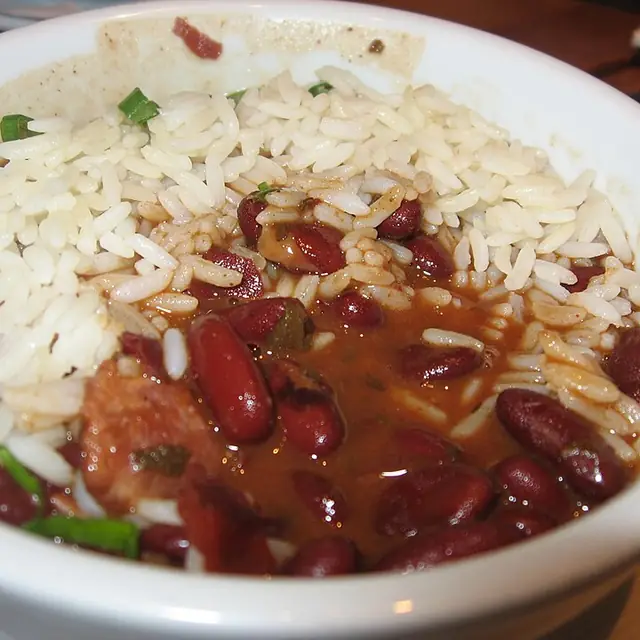
Louisiana red kidney beans simmered with the holy trinity, andouille and a ham bone for hours until creamy, served over white rice. The traditional Monday wash-day dish.
Where: Mother's Restaurant, Coop's Place, Liuzza's by the Track, Lil' Dizzy's Cafe
Price: $10 to $16
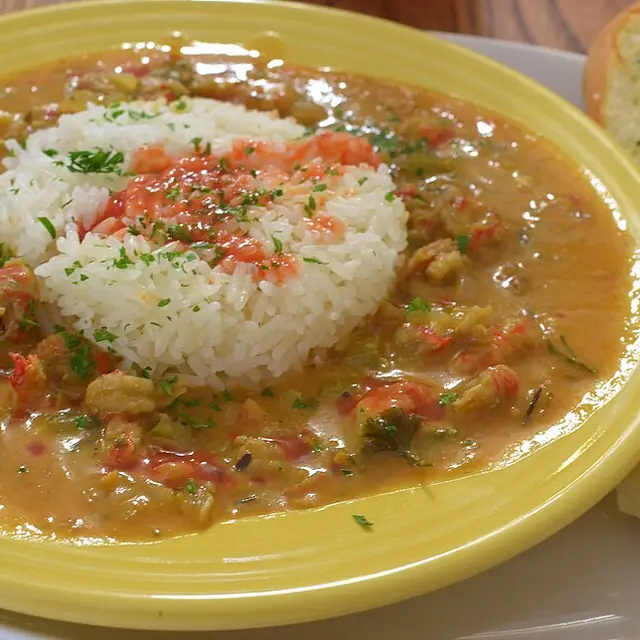
Cajun stew of crawfish tails smothered (étouffée) in a blonde roux, the holy trinity of onion-celery-pepper, garlic, butter and seafood stock, served over white rice. The everyday Cajun rice plate of Louisiana.
Where: Mandina's Restaurant, Lil' Dizzy's Cafe, Atchafalaya, Cochon
Price: $18-28
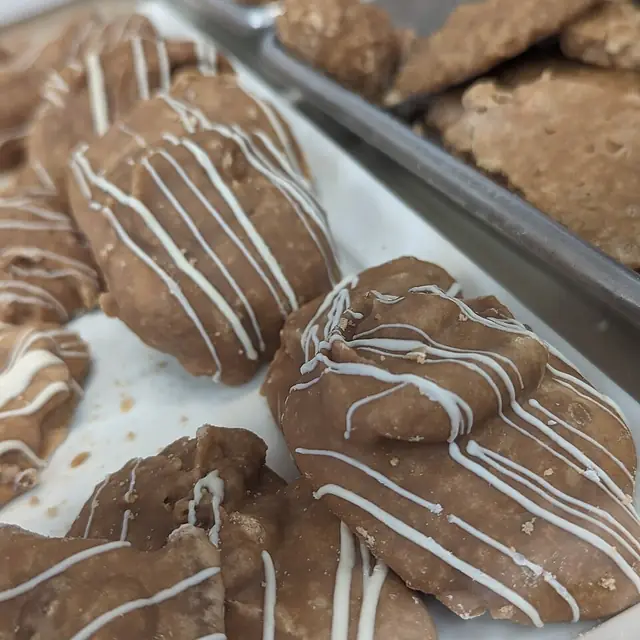
Caramelised brown sugar, butter and cream candy studded with toasted Louisiana pecans, cooked to soft-ball stage and dropped onto marble until set into rough, sugar-grain discs. The French Quarter sweet-shop signature.
Where: Croissant D'Or Patisserie, Cochon Butcher, Levee Baking Co
Price: $2-4 each
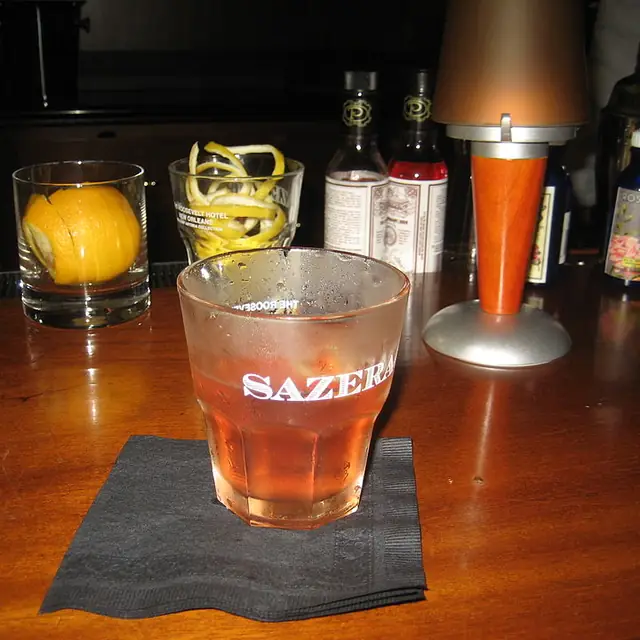
Cognac (or rye), Peychaud's bitters, sugar, lemon peel and an absinthe rinse, stirred and strained into a chilled rocks glass. The official cocktail of New Orleans and arguably the oldest American cocktail.
Where: Antoine's, Arnaud's, Commander's Palace, Galatoire's
Price: $14-22
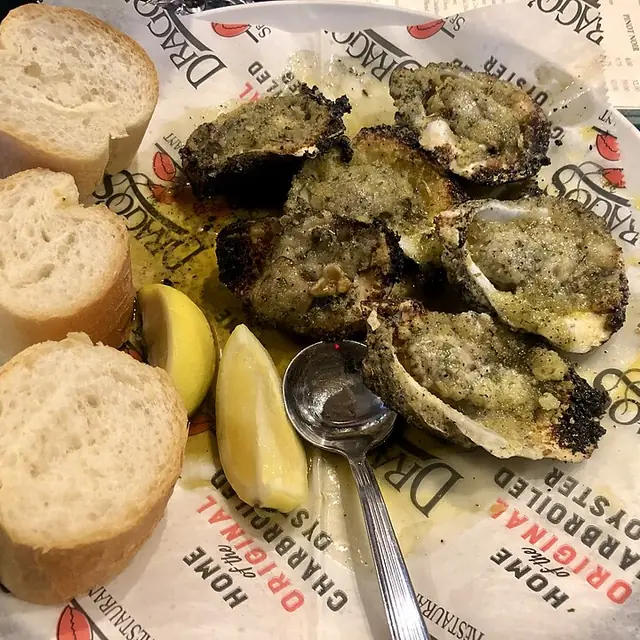
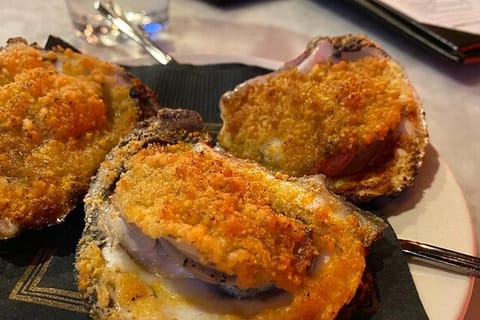
Charbroiled oysters are Gulf oysters basted in butter, garlic and Parmesan, flame-grilled in the shell until the edges curl and the liquor bubbles into the cheese crust. Smoky, briny, eaten with French bread.
Where: Acme Oyster House, Felix's Restaurant and Oyster Bar, GW Fins
Price: $18-32 (half-dozen to dozen)
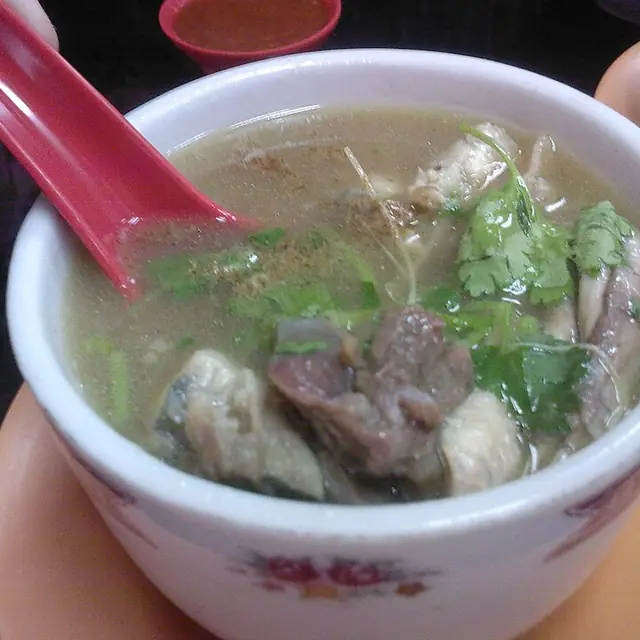
Turtle soup is the dark, rich Creole soup of slow-simmered turtle meat, holy trinity, herbs and a sherry finish poured tableside. Mahogany broth, gentle clove, lemon at the edge.
Where: Commander's Palace, Arnaud's, Brigtsen's
Price: $12-18 (cup to bowl)
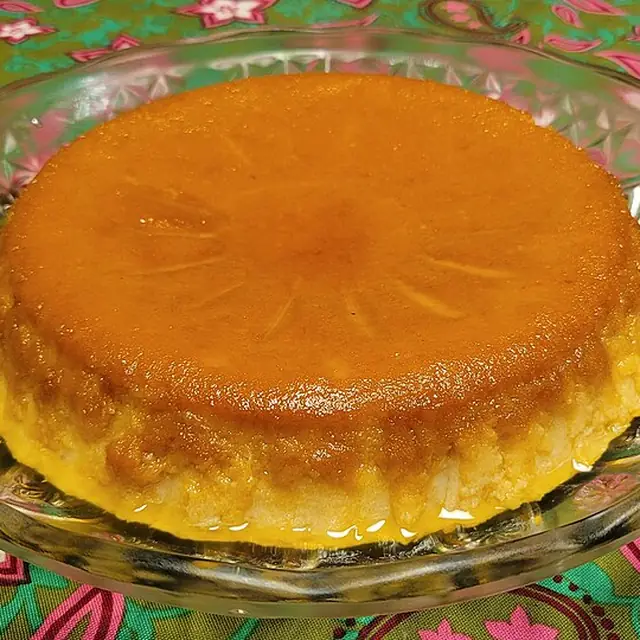
New Orleans bread pudding is custard-soaked French bread baked into a tall pillow with raisins and a soft top, then drowned in warm bourbon-butter sauce. Pure Creole-restaurant comfort.
Where: Boucherie, Commander's Palace, Atchafalaya
Price: $10-16
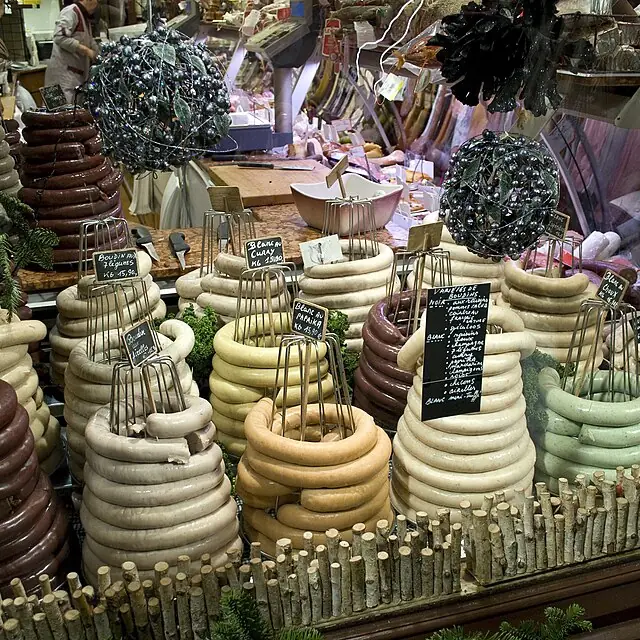
Boudin is the Cajun rice-and-pork sausage you eat link by link: a pliable casing of pork shoulder, liver, rice, holy trinity and Cajun seasoning, steamed and served from butcher-shop counters.
Where: Cochon Butcher, Cochon, Mosquito Supper Club
Price: $10-18 (a link or two)
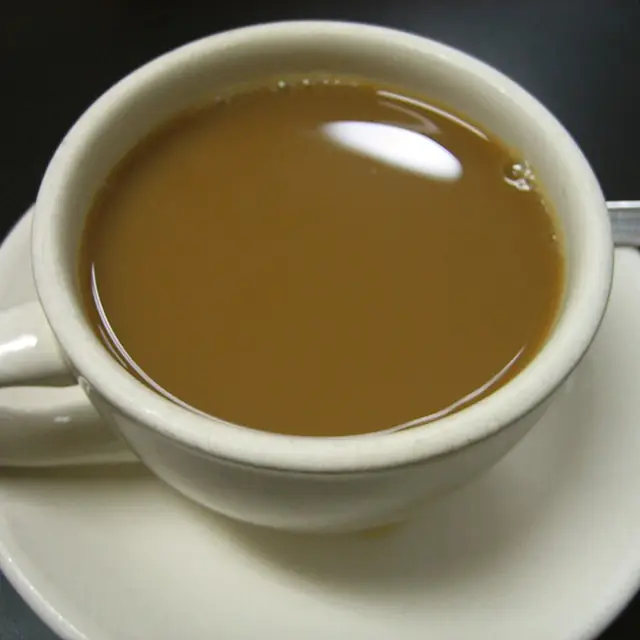
Cafe au lait with chicory is hot milk poured half-and-half over roasted-chicory-blended coffee, served in heavy white mugs around the clock. Bitter, smooth, the city's morning fuel.
Where: Cafe du Monde, Cafe Beignet on Royal Street, Mojo Coffee House
Price: $3-5
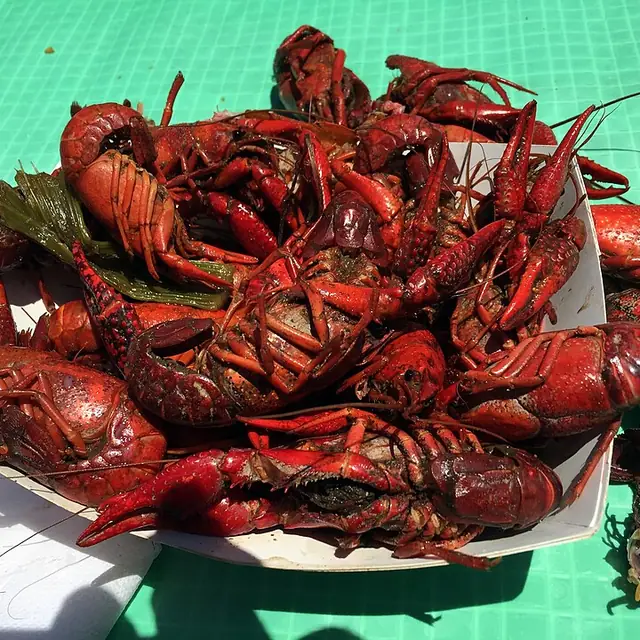
A crawfish boil is sacks of live Louisiana mudbugs boiled with corn, potatoes, lemon, garlic and a Cajun spice mix, then dumped onto newspaper-lined tables in pyramid heaps. Peel-and-eat, no plates.
Where: Peche Seafood Grill, Cochon, Acme Oyster House
Price: $15-22 per pound (seasonal)
Gumbo
Gumbo is the city's defining one-pot dish: a dark French roux base loaded with the holy trinity (onion, celery, bell pepper), seafood or chicken-and-andouille, finished with file or okra, served over rice.
History: Gumbo descends from West African okra stews (the word gumbo itself comes from a Bantu word for okra), Choctaw file (powdered sassafras leaves) and the French roux. It coalesced into its modern form in 18th-century colonial Louisiana, where enslaved African cooks and French cooks worked in the same kitchens. By the 1830s it was on every New Orleans Creole menu, in seafood, chicken-andouille, and Lenten z'herbes (greens) variations. The Choctaw influence (file) and the African influence (okra) are still visible in the alternate thickening choices. Gumbo is rarely thickened with both. It is always served over rice, not noodles.
Where to try it: Commander's Palace, Brigtsen's, Liuzza's by the Track, Mandina's Restaurant
Watch out for: Shellfish, Gluten
Po-boy
The New Orleans sandwich, an airy Leidenheimer French loaf split, packed with fried shrimp, oysters, roast beef debris or hot sausage, dressed with lettuce, tomato, pickle and mayonnaise.
History: The po-boy was invented in 1929 by Bennie and Clovis Martin, former streetcar conductors who ran a French Market sandwich shop. When the Carmen Strike paralysed the streetcars, the Martin brothers fed striking conductors free sandwiches on a special long French loaf they had Leidenheimer Bakery develop. They called the workers poor boys; the sandwich kept the name. By 1940 the po-boy had spread to every counter in the city. The two canonical forms (fried seafood and roast beef debris) emerged by the 1950s. Dressed means lettuce, tomato, pickle, mayo. Domilise's, Parkway, Mahony's and Liuzza's are the modern cathedrals.
Where to try it: Domilise's Po-Boys, Parkway Bakery and Tavern, Killer Poboys at Erin Rose, Liuzza's by the Track, Mother's Restaurant
Watch out for: Gluten, Shellfish
Muffuletta
A round, sesame-seeded Sicilian loaf split and packed with mortadella, salami, ham, provolone, mozzarella and the canonical olive salad: chopped giardiniera, olives, garlic, olive oil and herbs.
History: The muffuletta was invented at Central Grocery on Decatur Street in 1906 by Sicilian-American Salvatore Lupo, who wanted to serve Sicilian dock workers a lunch they could eat one-handed at the counter. The round seeded loaf comes from the Sicilian muffuletta bread tradition. The olive salad is the dish; the meat is supporting cast. The sandwich travels well and tastes better at room temperature after the olive salad has soaked the bread. Central Grocery still cuts whole and half muffulettas at the original 923 Decatur counter; Cochon Butcher in the Warehouse District makes a chef's-take version with the same instinct.
Where to try it: Central Grocery and Deli, Cochon Butcher, Mother's Restaurant, Killer Poboys at Erin Rose
Watch out for: Gluten, Dairy
Beignets
Square French Creole doughnuts, fried in oil until puffed and golden, served piled three to a plate under a heavy dusting of powdered sugar, with chicory cafe au lait alongside.
History: Beignets are the French Creole take on the choux pastry doughnut, brought to New Orleans by French colonists in the 18th century. Cafe du Monde opened as a coffee stand in the French Market in 1862 and built the beignet-and-cafe-au-lait tradition that the city still runs on. After the Civil War cut off coffee imports, New Orleanians stretched their grounds with chicory root, and the chicory-coffee-plus-beignet pairing became canonical. Cafe du Monde's recipe has not changed since 1862. Cafe Beignet on Royal opened in 1990 as the sit-down alternative. The beignet was named Louisiana's official state doughnut in 1986.
Where to try it: Cafe du Monde, Cafe Beignet on Royal Street
Watch out for: Gluten, Dairy, Egg
Jambalaya
Louisiana's one-pot rice dish, the holy trinity sweated with andouille and chicken or shrimp, rice toasted in the fat, simmered in stock until the liquid is gone and the rice carries the smoke.
History: Jambalaya traces to Spanish paella, brought to Louisiana under Spanish colonial rule (1763 to 1803). The name itself may come from a Provencal word for mishmash. The Creole (red) version, with tomato, evolved in New Orleans Spanish kitchens. The Cajun (brown) version, no tomato, evolved in the country parishes west of New Orleans where tomatoes were less common. Coop's Place on Decatur has run jambalaya since 1983 as one of the canonical Quarter versions. Brigtsen's runs a Frank Brigtsen-style jambalaya in his Riverbend dining room. The dish is a single pot that has to come together at one heat in one moment; you don't add cooked rice.
Where to try it: Coop's Place, Brigtsen's, Mother's Restaurant, Commander's Palace
Watch out for: Shellfish (some versions)
Oysters Rockefeller
Six oysters on the half shell, baked with a brilliant green sauce of butter, parsley, green herbs and absinthe, finished with breadcrumbs and salt. Named for the wealth of John D Rockefeller.
History: Oysters Rockefeller was invented at Antoine's in 1899 by Jules Alciatore, son of founder Antoine Alciatore. The dish was an Antoine's response to a French escargot shortage; Jules wanted a baked-oyster dish as rich and as expensive-tasting as escargots. The sauce was named for the wealth of John D Rockefeller. The exact original recipe has been kept secret by the Alciatore family for over a century, but it is widely known to NOT contain spinach (a common modern substitution). The canonical version uses butter, parsley, watercress, fennel, scallions and Herbsaint (the New Orleans anise liqueur). Antoine's at 713 St Louis still plates Oysters Rockefeller every night.
Where to try it: Antoine's, Arnaud's, Galatoire's, Acme Oyster House
Watch out for: Shellfish, Dairy
BBQ shrimp
Head-on Gulf shrimp simmered in a peppery butter-Worcestershire-lemon sauce, served bubbling with French bread to mop the sauce. No barbecue involved, despite the name.
History: BBQ shrimp was invented at Pascal's Manale on Napoleon Avenue around 1954 by Jake Radosta, who wanted a dish for the bar that needed only a saute pan. The sauce is the dish: a lot of butter, a lot of black pepper, Worcestershire, lemon, garlic. The shrimp stay in their shells and the diner peels them at the table, then mops the sauce with French bread. Liuzza's by the Track later took the sauce and put it in a po-boy in the 1990s, inventing the BBQ shrimp po-boy. Both versions are the same sauce. Pascal's Manale still serves the original at 1838 Napoleon Avenue.
Where to try it: Liuzza's by the Track, Mother's Restaurant, Cochon
Watch out for: Shellfish, Dairy, Gluten
King cake
A ring-shaped braided brioche, glazed and sugared in purple, green and gold (the Mardi Gras colours), with a small plastic baby hidden inside. Whoever gets the baby buys the next cake.
History: King cake came to New Orleans via French and Spanish Catholic tradition of celebrating Epiphany (Twelfth Night, January 6) with a galette des rois. The Mardi Gras colours of purple (justice), green (faith) and gold (power) were chosen in 1872 by the Krewe of Rex. The plastic baby inside (representing the Christ Child) was added by McKenzie's Bakery in 1937 to lift the dish. Modern New Orleans now has two giants: traditional cinnamon-braided king cakes from Haydel's and Randazzo's, and a Vietnamese-American king cake from Dong Phuong Bakery in New Orleans East. The season runs January 6 through Mardi Gras.
Where to try it: Dong Phuong Oriental Bakery, Bywater Bakery, Haydel's Bakery
Watch out for: Gluten, Dairy, Egg
Red beans and rice
Louisiana red kidney beans simmered with the holy trinity, andouille and a ham bone for hours until creamy, served over white rice. The traditional Monday wash-day dish.
History: Red beans and rice is the Monday dish in New Orleans, dating to the early 1800s when Monday was wash day and a long-simmering bean pot could cook unattended while the laundry was done. Louis Armstrong signed his letters Red Beans and Ricely Yours. The beans are Louisiana red kidney beans (a specific cultivar, different from Northern red kidneys), the andouille is real andouille (smoke-cured pork, not the milder Cajun andouille). Mother's Restaurant has run red beans and rice on the Monday lunch counter since 1938. Camellia Brand red beans, sold in red mesh bags at New Orleans grocery stores, is the brand the home cooks trust.
Where to try it: Mother's Restaurant, Coop's Place, Liuzza's by the Track, Lil' Dizzy's Cafe
Crawfish Étouffée
Cajun stew of crawfish tails smothered (étouffée) in a blonde roux, the holy trinity of onion-celery-pepper, garlic, butter and seafood stock, served over white rice. The everyday Cajun rice plate of Louisiana.
History: Étouffée is the canonical Cajun rice plate, traced to the Acadiana parishes west of New Orleans through the early 20th century. The dish became a New Orleans restaurant staple via Cajun migration to the city in the 1950s. Mandina's, Lil' Dizzy's Cafe and Atchafalaya all run defensible versions; crawfish season runs January through July.
Where to try it: Mandina's Restaurant, Lil' Dizzy's Cafe, Atchafalaya, Cochon
Watch out for: Shellfish, Dairy, Gluten
New Orleans Pralines
Caramelised brown sugar, butter and cream candy studded with toasted Louisiana pecans, cooked to soft-ball stage and dropped onto marble until set into rough, sugar-grain discs. The French Quarter sweet-shop signature.
History: New Orleans pralines descend from the French sugared-almond praline brought by Ursuline nuns in the 1720s. By the 19th century, free women of colour (les marchandes) sold them on French Quarter street corners. Today Aunt Sally's, Leah's Pralines and Southern Candymakers are the canonical Quarter producers; Croissant D'Or carries them year-round.
Where to try it: Croissant D'Or Patisserie, Cochon Butcher, Levee Baking Co
Watch out for: Dairy, Tree nuts
Sazerac
Cognac (or rye), Peychaud's bitters, sugar, lemon peel and an absinthe rinse, stirred and strained into a chilled rocks glass. The official cocktail of New Orleans and arguably the oldest American cocktail.
History: The Sazerac was invented around 1850 by Antoine Peychaud in his French Quarter apothecary, where he served the cognac-and-bitters drink in a double-ended egg cup (coquetier, hence cocktail). The rye-and-absinthe modern formula consolidated by 1900. Designated the official cocktail of New Orleans in 2008. Arnaud's French 75, the Sazerac Bar at the Roosevelt and Antoine's all pour the canonical version.
Where to try it: Antoine's, Arnaud's, Commander's Palace, Galatoire's
Charbroiled oysters
Charbroiled oysters are Gulf oysters basted in butter, garlic and Parmesan, flame-grilled in the shell until the edges curl and the liquor bubbles into the cheese crust. Smoky, briny, eaten with French bread.
History: Charbroiled oysters were invented in 1993 by Tommy Cvitanovich at Drago's in Metairie as a way to introduce nervous customers to raw-oyster country. The dish spread across New Orleans through the late 1990s and is now standard at every French Quarter oyster bar. The Gulf oyster is briny enough to stand up to the butter-garlic baste; Acme Oyster House started running a Drago's-style version in the 2000s and Felix's matched. Fine-dining rooms (GW Fins, Peche) plate refined versions, but the canonical Quarter form is the dozen in the shell over flame.
Where to try it: Acme Oyster House, Felix's Restaurant and Oyster Bar, GW Fins
Watch out for: Shellfish, Dairy, Gluten
Turtle soup
Turtle soup is the dark, rich Creole soup of slow-simmered turtle meat, holy trinity, herbs and a sherry finish poured tableside. Mahogany broth, gentle clove, lemon at the edge.
History: Turtle soup arrived in New Orleans via French Creole cookery and the city's plentiful Louisiana snapping turtles in the 19th century. Antoine's listed it on the 1840 menu; Commander's Palace has served it since opening in 1893 and it remains the Brennan family flagship dish. The dish became scarce in the 1980s when the snapping turtle was federally restricted; today's restaurants source farmed alligator-snapping turtle from Louisiana suppliers or use a turtle-and-veal blend. The tableside sherry pour from a small carafe is now a Creole-dining-room ritual; Arnaud's and Brigtsen's both keep it as a signature soup.
Where to try it: Commander's Palace, Arnaud's, Brigtsen's
Watch out for: Gluten, Egg
Bread pudding
New Orleans bread pudding is custard-soaked French bread baked into a tall pillow with raisins and a soft top, then drowned in warm bourbon-butter sauce. Pure Creole-restaurant comfort.
History: Bread pudding entered Creole cooking via French and English colonial households; the New Orleans version codified in the 19th century around the city's plentiful day-old French bread (the Leidenheimer loaf in particular). Commander's Palace and Galatoire's both ran versions through the late 1800s; the bourbon-sauce form became standard mid-20th-century. Boucherie's chef Nathanial Zimet made the unusual Krispy Kreme bread pudding (built on glazed doughnuts) a city talking point in the 2000s; Atchafalaya's brunch service plates a classic French-bread version under bourbon sauce. The dish is as much a Sunday-supper home staple as a restaurant signature.
Where to try it: Boucherie, Commander's Palace, Atchafalaya
Watch out for: Gluten, Egg, Dairy
Boudin
Boudin is the Cajun rice-and-pork sausage you eat link by link: a pliable casing of pork shoulder, liver, rice, holy trinity and Cajun seasoning, steamed and served from butcher-shop counters.
History: Boudin came to South Louisiana with French Acadian (Cajun) settlers in the 18th century, and the rice-bound version (as distinct from the smooth French boudin blanc) is the unique Cajun adaptation. The boucherie tradition (community pig-butchering and sausage-making) anchored Cajun food culture across the prairie parishes through the 20th century. Cochon Butcher (Donald Link's Warehouse District butcher counter) brought the dish onto New Orleans menus from 2010; Cochon Restaurant and Mosquito Supper Club both run their own house links. The Boudin Trail along Highway 90 west of the city is the canonical pilgrimage; New Orleans counters now match the prairie versions in quality.
Where to try it: Cochon Butcher, Cochon, Mosquito Supper Club
Watch out for: Pork
Cafe au lait with chicory
Cafe au lait with chicory is hot milk poured half-and-half over roasted-chicory-blended coffee, served in heavy white mugs around the clock. Bitter, smooth, the city's morning fuel.
History: Roasted-chicory coffee took hold in New Orleans during the Civil War, when Union blockades cut off coffee imports and locals stretched their grounds with chicory root (the practice was already common in Napoleonic France). Cafe du Monde opened in 1862 as a coffee stand in the French Market and made the chicory-cafe-au-lait-with-beignets format the city's defining cheap breakfast. It still pours the same Cafe du Monde Dark Roast and Chicory blend, mixed with steamed milk and served 24 hours a day. Cafe Beignet on Royal Street and Mojo Coffee on Magazine carry the tradition forward with their own chicory-blended pours.
Where to try it: Cafe du Monde, Cafe Beignet on Royal Street, Mojo Coffee House
Watch out for: Dairy
Crawfish boil
A crawfish boil is sacks of live Louisiana mudbugs boiled with corn, potatoes, lemon, garlic and a Cajun spice mix, then dumped onto newspaper-lined tables in pyramid heaps. Peel-and-eat, no plates.
History: The crawfish boil came out of Acadian Louisiana's bayou country in the 19th century, when Cajun fishermen pulled freshwater crawfish from the swamp and boiled them in cast-iron pots over open flame. The dish moved into commercial restaurants by the 1950s; Peche Seafood Grill, Cochon and Acme Oyster House run seasonal boil menus from January through July, peaking March through May. Louisiana now harvests 90 to 100 million pounds of crawfish a year. The tabletop-dump-and-peel ritual is half the experience; the rule is no plates, no forks, only paper towels and beer.
Where to try it: Peche Seafood Grill, Cochon, Acme Oyster House
Watch out for: Shellfish