Signature dishes
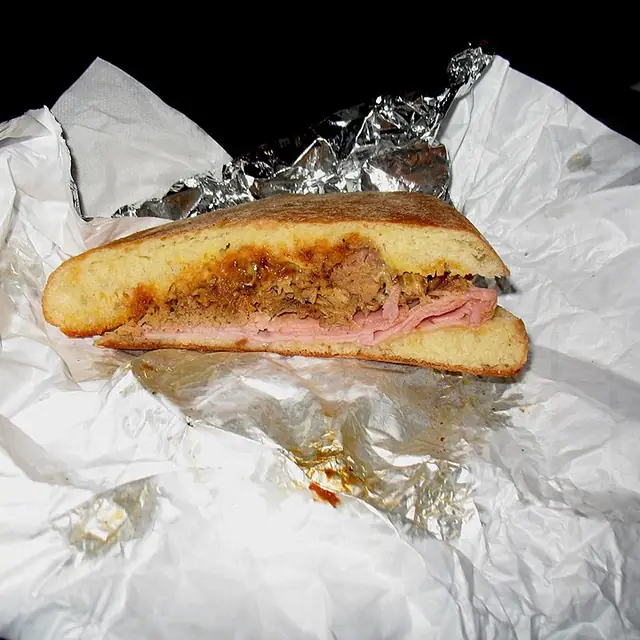
Pressed pan cubano with roast pork, ham, Swiss, mustard and pickles, the sandwich that turned Tampa-Miami into a regional rivalry and Calle Ocho into a counter-service strip.
Where: Sanguich de Miami, Versailles, La Carreta, Enriqueta's Sandwich Shop
Price: $10-14
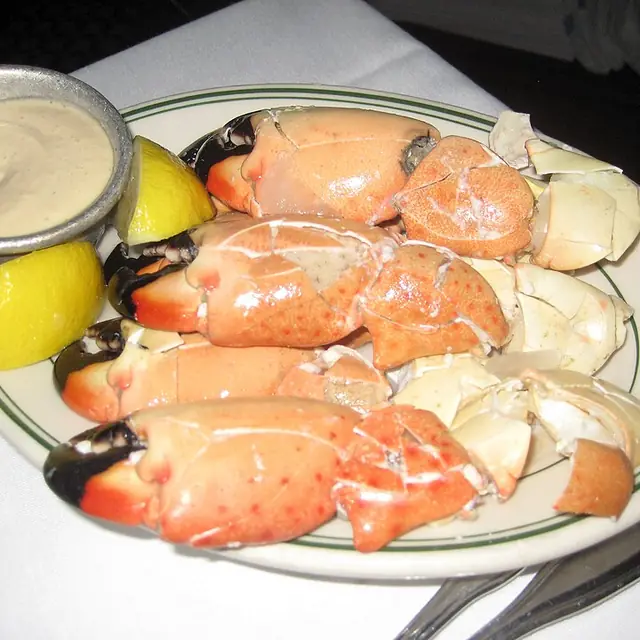
Chilled Florida stone crab claws with mustard sauce, served on shaved ice from October 15 to May 1, the dish that defines Joe's Stone Crab and Miami's stone crab season.
Where: Joe's Stone Crab, Garcia's Seafood Grille
Price: $60-150 per order, by size
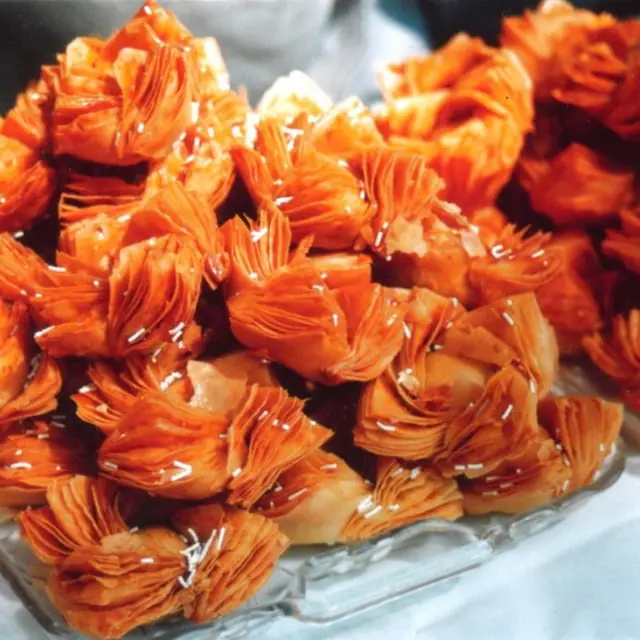
Flaky Cuban pastries with guayaba, queso, carne or coco fillings, the ventanita classic that travels from the morning cafecito break to a midnight snack on Calle Ocho.
Where: Vicky Bakery, Pinecrest Bakery, Versailles, Tropical Bakery
Price: $2-4 each
Cuban steak sandwich with thin palomilla, sauteed onions, lettuce, tomato and shoestring potato sticks on pressed Cuban bread, the Calle Ocho lunch counter's quiet hero.
Where: Enriqueta's Sandwich Shop, Sanguich de Miami, Versailles, Sergio's
Price: $10-14
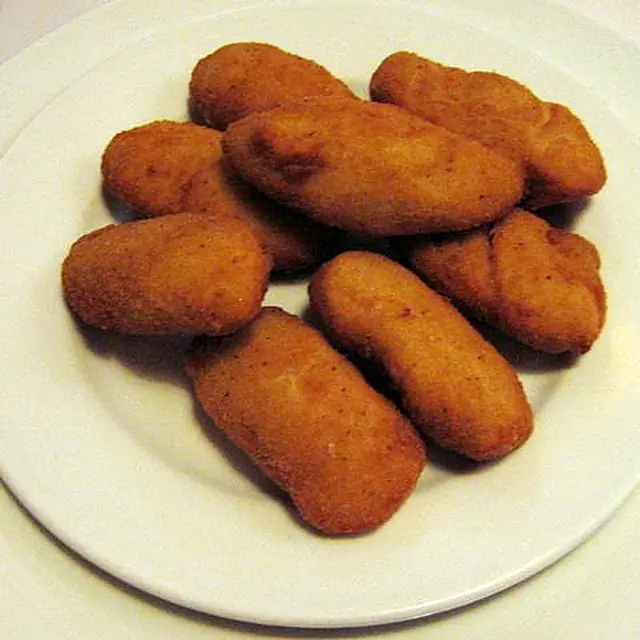
Cuban ham croquetas with thick bechamel, breaded and deep-fried, the cocktail-hour bite served by the box at every Cuban panaderia and the bar opening at Ariete.
Where: Islas Canarias Restaurant, Ariete, Chug's Diner, Versailles, Vicky Bakery
Price: $1-3 each
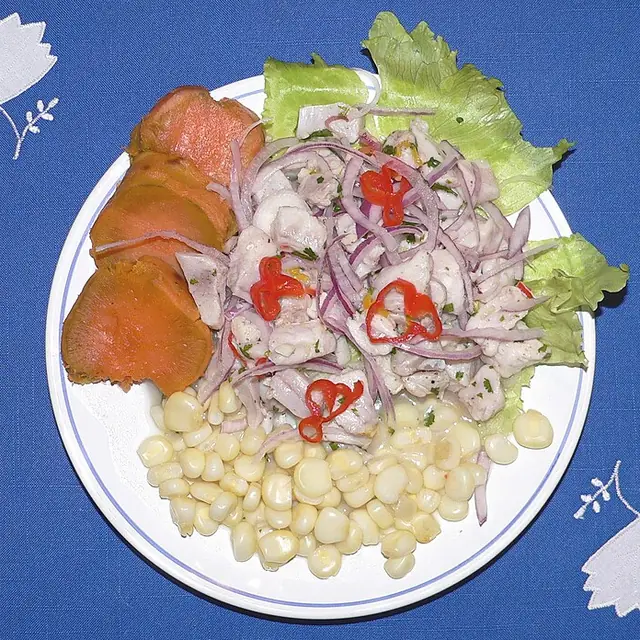
Citrus-cured raw fish with red onion, sweet potato and choclo, the Peruvian classic that lands hardest in Brickell where NUNA's Nikkei kitchen pours leche de tigre by the shot.
Where: NUNA, Naoe, Estiatorio Milos
Price: $22-38
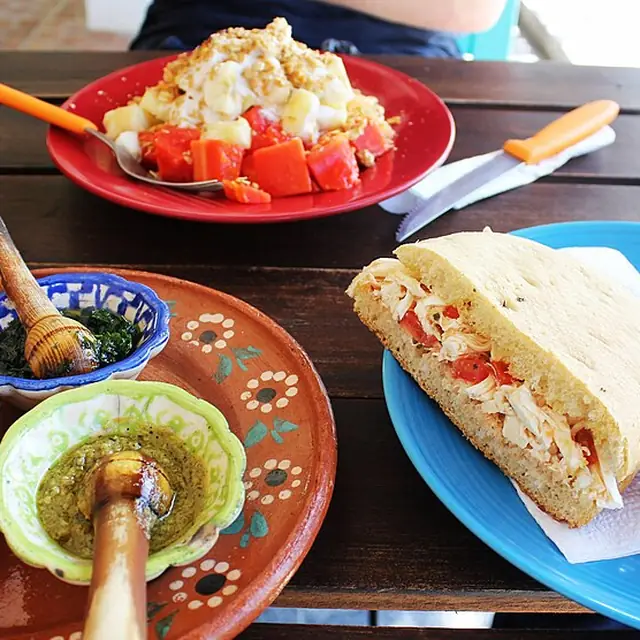
Tiny espresso shot whipped with sugar to a tan crema, served in a thimble cup from a ventanita window, the social currency of Calle Ocho and every Cuban counter in the city.
Where: Versailles, La Carreta, Enriqueta's Sandwich Shop, Sergio's, Pinecrest Bakery
Price: $1-2
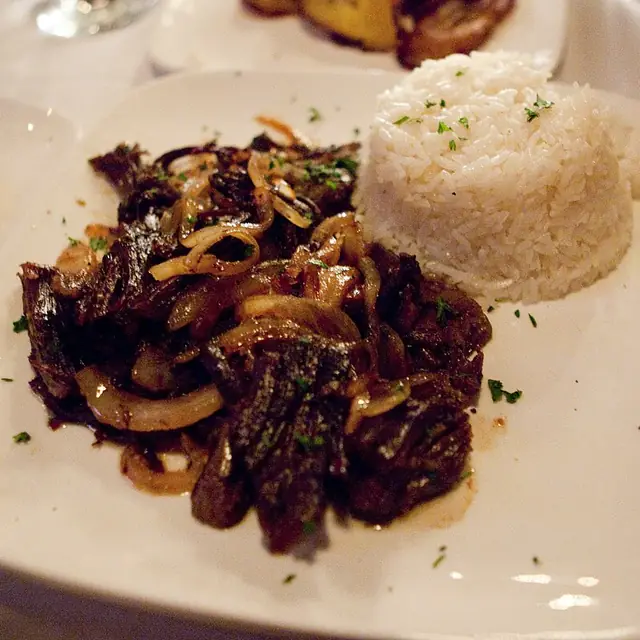
Crispy fried shredded beef, garlic-citrus marinated and pan-seared until the edges crackle, the Cuban-American workhorse plate served at Versailles, La Carreta and Sergio's across Miami's Calle Ocho.
Where: Versailles, La Carreta, Sergio's
Price: $16-22
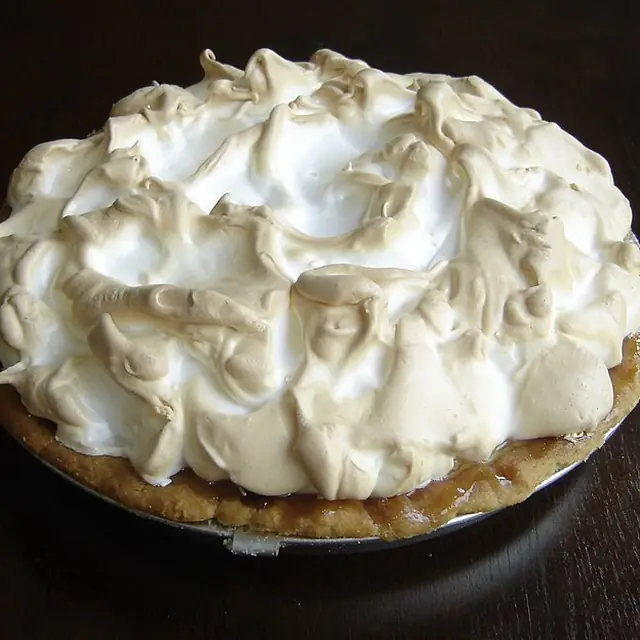
Florida's signature dessert: a graham-cracker crust filled with tart key lime curd thickened with sweetened condensed milk, topped with whipped cream and a wedge of fresh lime.
Where: Joe's Stone Crab, Versailles, Yardbird
Price: $10-16 a slice
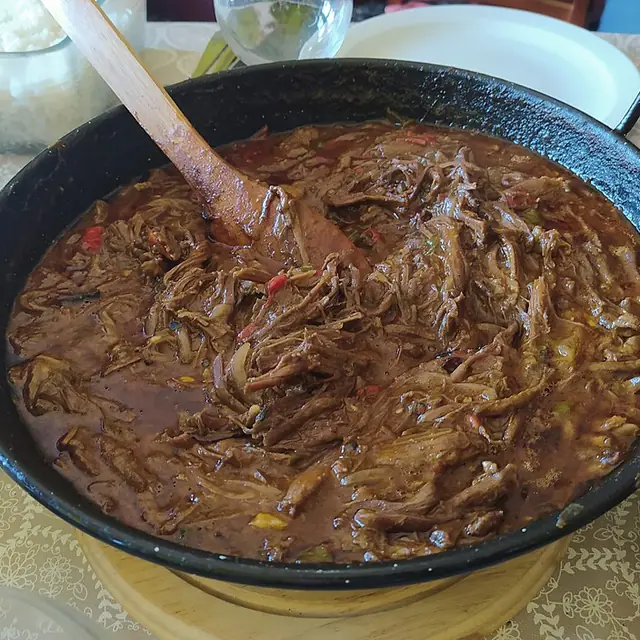
Cuba's national dish: slow-braised beef flank shredded into long fibrous strands (the name means old clothes), simmered in a smoky sofrito of onion, pepper, garlic, tomato, cumin and dry sherry.
Where: Versailles, La Carreta, Sergio's
Price: $18-26
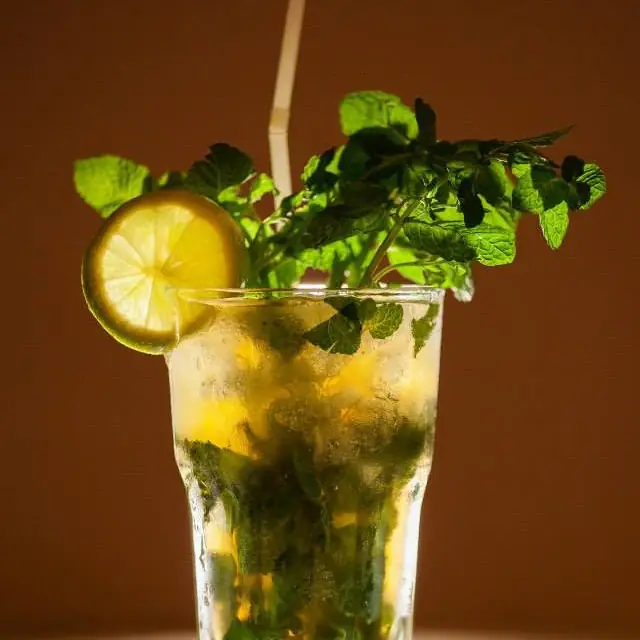
Cuba's national cocktail and Miami's defining warm-weather drink: white rum muddled with fresh lime, sugar and torn mint leaves, topped with sparkling soda water and crushed ice.
Where: Versailles, Yardbird, La Carreta, Joe's Stone Crab
Price: $12-18
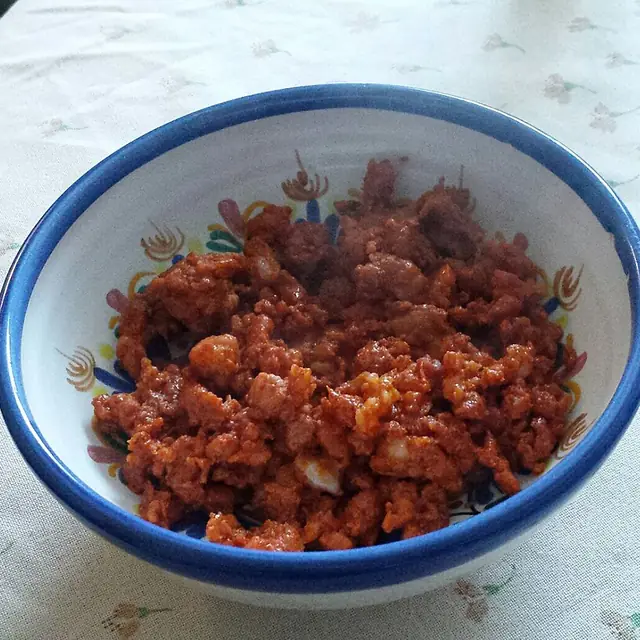
Cuba's everyday weeknight dish: a savory-sweet hash of seasoned ground beef cooked with sofrito, capers, green olives, raisins and dry sherry, served over rice with plantains and black beans.
Where: Versailles, La Carreta, Sergio's, Enriqueta's Sandwich Shop
Price: $14-20
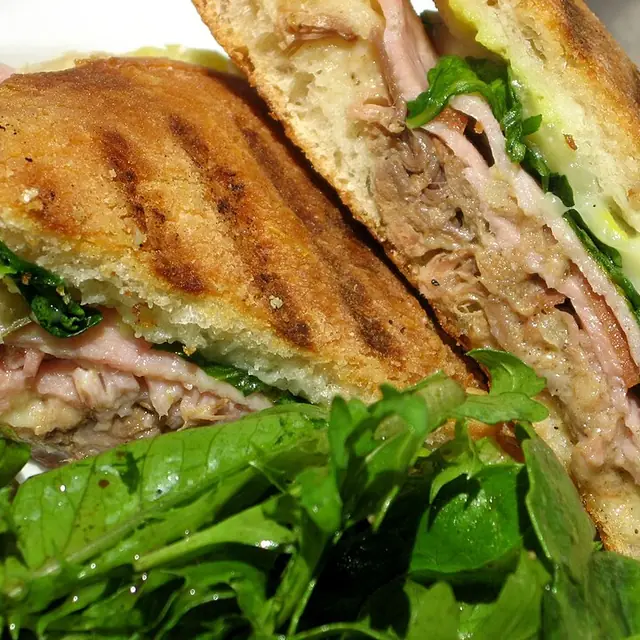
Sweet-bread cousin of the cubano: roast pork, sweet ham, Swiss, mustard and pickles pressed inside a soft yellow egg-bread roll until the bread crackles. Eaten at midnight.
Where: Versailles, La Carreta, Sergio's, Sanguich de Miami, Enriqueta's Sandwich Shop
Price: $10 to $16
A spiced Cuban beef-and-chorizo patty on a soft Cuban bun, topped with shoestring potato strings and raw onion. The Miami hamburger; eaten standing at a counter, washed down with a guarapo or Materva cola.
Where: Enriqueta's Sandwich Shop
Price: $6 to $11
Cuban sandwich
Pressed pan cubano with roast pork, ham, Swiss, mustard and pickles, the sandwich that turned Tampa-Miami into a regional rivalry and Calle Ocho into a counter-service strip.
History: The Cuban sandwich emerged in the early 1900s in Tampa cigar-factory cafes, then took root in Miami through Cuban exile counters after 1959. The Miami style omits the salami that Ybor City still defends, sticking with roast pork and ham on Cuban bread, pressed flat on a plancha. The Versailles, La Carreta and Sanguich versions are each defended by partisans.
Where to try it: Sanguich de Miami, Versailles, La Carreta, Enriqueta's Sandwich Shop
Watch out for: Gluten, Dairy
Stone crab claws
Chilled Florida stone crab claws with mustard sauce, served on shaved ice from October 15 to May 1, the dish that defines Joe's Stone Crab and Miami's stone crab season.
History: Joe Weiss opened Joe's in 1913 on Miami Beach as a small lunch counter; the stone crab arrived in 1921 when a Harvard ichthyologist suggested the crabs could be boiled and chilled. Florida law allows only one claw per crab to be harvested; the crab regrows the lost claw and is returned to the water. Joe's Stone Crab opens for the season every October 15.
Where to try it: Joe's Stone Crab, Garcia's Seafood Grille
Watch out for: Shellfish, Egg (mustard sauce)
Pastelitos
Flaky Cuban pastries with guayaba, queso, carne or coco fillings, the ventanita classic that travels from the morning cafecito break to a midnight snack on Calle Ocho.
History: Pastelitos arrived in Miami with Cuban exiles in the 1960s, drawing on Spanish empanada and laminated-dough traditions. Vicky Bakery opened in 1972, Pinecrest Bakery followed in 2007, and the form went 24-hour with Hialeah panaderias. The classic flavours are guayaba (guava), guayaba con queso, carne (ground beef) and coco (coconut).
Where to try it: Vicky Bakery, Pinecrest Bakery, Versailles, Tropical Bakery
Watch out for: Gluten, Egg, Dairy
Pan con bistec
Cuban steak sandwich with thin palomilla, sauteed onions, lettuce, tomato and shoestring potato sticks on pressed Cuban bread, the Calle Ocho lunch counter's quiet hero.
History: Pan con bistec descends from the Cuban palomilla steak, served on pan cubano with shoestring potatoes pressed inside the sandwich. Enriqueta's on NE 29th has anchored the dish in Miami since 1988; Sanguich elevated the technique with house-roasted beef and pickled onions. The potato sticks are non-negotiable; they go inside.
Where to try it: Enriqueta's Sandwich Shop, Sanguich de Miami, Versailles, Sergio's
Watch out for: Gluten
Croquetas de jamon
Cuban ham croquetas with thick bechamel, breaded and deep-fried, the cocktail-hour bite served by the box at every Cuban panaderia and the bar opening at Ariete.
History: Croquetas crossed from Spain to Cuba in the 19th century, then to Miami after 1959. The Cuban-American croqueta differs from the Spanish original in shape (oblong, never round) and in filling, leaning lightly on smoked ham. Islas Canarias on SW 26th Street is widely defended as the city's reference; Ariete and Chug's Diner do refined versions.
Where to try it: Islas Canarias Restaurant, Ariete, Chug's Diner, Versailles, Vicky Bakery
Watch out for: Gluten, Dairy, Egg
Ceviche
Citrus-cured raw fish with red onion, sweet potato and choclo, the Peruvian classic that lands hardest in Brickell where NUNA's Nikkei kitchen pours leche de tigre by the shot.
History: Miami's ceviche tradition is Peruvian-led, growing from the 1980s with the first wave of Peruvian immigration and accelerating with chefs like Gaston Acurio and Jaime Pesaque carrying Lima's template into Brickell hotel kitchens. Cuban Miami has its own ceviche line drawing on Caribbean and Florida fish; the Peruvian style remains the city's reference.
Where to try it: NUNA, Naoe, Estiatorio Milos
Watch out for: Fish
Cafecito
Tiny espresso shot whipped with sugar to a tan crema, served in a thimble cup from a ventanita window, the social currency of Calle Ocho and every Cuban counter in the city.
History: The Cuban espresso shot arrived in Miami with the 1960s exile and the ventanita window followed: Versailles opened the form on Calle Ocho in 1971, La Carreta two doors down repeated it in 1976. The espuma de azucar (whipped sugar crema) is the technique that separates the cafecito from an Italian espresso. Pinecrest Bakery serves it 24 hours.
Where to try it: Versailles, La Carreta, Enriqueta's Sandwich Shop, Sergio's, Pinecrest Bakery
Vaca frita
Crispy fried shredded beef, garlic-citrus marinated and pan-seared until the edges crackle, the Cuban-American workhorse plate served at Versailles, La Carreta and Sergio's across Miami's Calle Ocho.
History: Vaca frita translates as fried cow; the dish is a Cuban diner classic built on flank or skirt steak boiled until tender, then shredded and pan-fried with garlic and citrus until the edges char. It became central to Miami's Cuban dining-room canon in the 1970s, served with moros y cristianos (black beans and rice), maduros and tostones.
Where to try it: Versailles, La Carreta, Sergio's
Key Lime Pie
Florida's signature dessert: a graham-cracker crust filled with tart key lime curd thickened with sweetened condensed milk, topped with whipped cream and a wedge of fresh lime.
History: Key lime pie was likely invented in the late 19th century in the Florida Keys, where the small, intensely tart key limes (Citrus aurantiifolia) grew wild and sweetened condensed milk (invented by Gail Borden in 1856) was the only available shelf-stable dairy on the islands. The chemistry is unique: the citric acid in lime juice causes the condensed milk to thicken without heat, so the original 19th-century version was uncooked. Joe's Stone Crab in Miami Beach has served the dish since 1913 and is the most-cited Miami canonical address.
Where to try it: Joe's Stone Crab, Versailles, Yardbird
Watch out for: Gluten, Dairy, Egg
Ropa Vieja
Cuba's national dish: slow-braised beef flank shredded into long fibrous strands (the name means old clothes), simmered in a smoky sofrito of onion, pepper, garlic, tomato, cumin and dry sherry.
History: Ropa vieja arrived in Cuba from Spain's Canary Islands and Castilla-La Mancha in the 17th century, where peasant cooks shredded leftover boiled meat into a stew rather than waste it. The Cuban version codified through the 19th century and became the national dish, particularly identified with Havana. Miami's exile generation brought the recipe wholesale in the 1960s; Versailles in Little Havana, opened 1971, made it the canonical Miami address for ropa vieja. The textural distinction is essential; the meat must shred to long fibres, never chunks.
Where to try it: Versailles, La Carreta, Sergio's
Watch out for: Sulphites
Mojito
Cuba's national cocktail and Miami's defining warm-weather drink: white rum muddled with fresh lime, sugar and torn mint leaves, topped with sparkling soda water and crushed ice.
History: The mojito traces back to 16th-century Havana, when British naval surgeon Sir Francis Drake reportedly mixed a similar drink to combat sailors' scurvy on the Cuban coast. The modern formula codified in early 20th-century Havana at La Bodeguita del Medio, where Ernest Hemingway famously kept a regular table. Miami's Cuban exile community brought the cocktail north in the 1960s; today every Calle Ocho bar runs one, with Versailles and La Carreta among the canonical addresses. The canonical garnish is hierbabuena, a Cuban mint variety.
Where to try it: Versailles, Yardbird, La Carreta, Joe's Stone Crab
Picadillo
Cuba's everyday weeknight dish: a savory-sweet hash of seasoned ground beef cooked with sofrito, capers, green olives, raisins and dry sherry, served over rice with plantains and black beans.
History: Picadillo evolved in Cuba from Spanish-Mediterranean origins, with the sweet-savoury contrast of raisins and olives an Iberian Sephardic touch that crossed to the Caribbean in the 17th century. The Cuban version codified through the 19th century and remained the everyday dish through the Republican era. After 1959 the Miami exile community made it the home-style benchmark of authentic Cuban cooking. Versailles and La Carreta both run versions; the canonical Miami version uses ground chuck, a generous sofrito, capers, sliced green olives, golden raisins and a splash of dry sherry.
Where to try it: Versailles, La Carreta, Sergio's, Enriqueta's Sandwich Shop
Watch out for: Sulphites
Frita cubana
A spiced Cuban beef-and-chorizo patty on a soft Cuban bun, topped with shoestring potato strings and raw onion. The Miami hamburger; eaten standing at a counter, washed down with a guarapo or Materva cola.
History: Frita cubana originated in 1920s Havana, a Cuban riff on the American hamburger using paprika, cumin and ground chorizo in the patty. Cuban exiles brought the dish to Miami in the 1960s; El Mago de las Fritas in West Miami (opened 1984) and El Rey de las Fritas (4 Miami locations) hold the modern canon. The signature topping of crispy shoestring potatoes (papas julianas) sets the frita apart from any other burger format. Best eaten at lunch counters, never on white tablecloths.
Where to try it: Enriqueta's Sandwich Shop
Watch out for: Gluten, Dairy