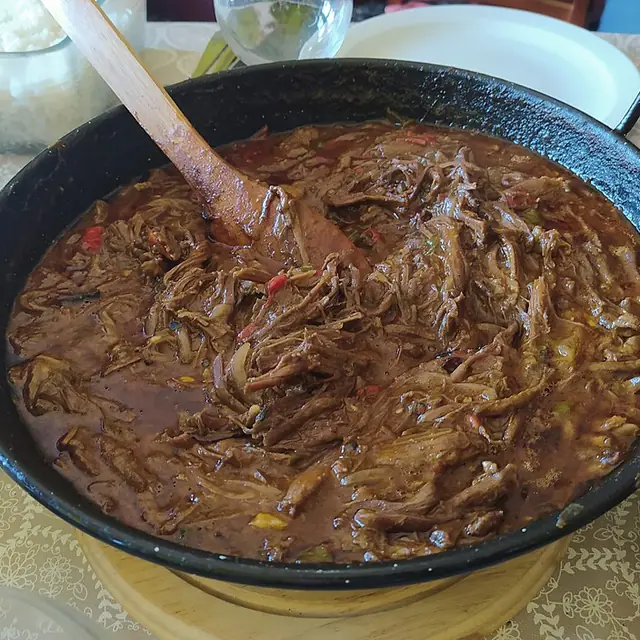
Cuba's national dish: slow-braised beef flank shredded into long fibrous strands (the name means old clothes), simmered in a smoky sofrito of onion, pepper, garlic, tomato, cumin and dry sherry.
Ropa vieja arrived in Cuba from Spain's Canary Islands and Castilla-La Mancha in the 17th century, where peasant cooks shredded leftover boiled meat into a stew rather than waste it. The Cuban version codified through the 19th century and became the national dish, particularly identified with Havana. Miami's exile generation brought the recipe wholesale in the 1960s; Versailles in Little Havana, opened 1971, made it the canonical Miami address for ropa vieja. The textural distinction is essential; the meat must shred to long fibres, never chunks.
Versailles in Miami is the Calle Ocho Cuban institution that has poured cafecito since 1971 and remains Little Havana's political water cooler at 3555 SW 8th.
OrderVaca frita with maduros and a cafecito at the walk-up ventanita.
TipThe dining room queues at lunch; the ventanita pours cafecito from 8am and pastelitos run all day.
La Carreta in Miami is the Calle Ocho Cuban diner at 3632 SW 8th Street, a sister room to Versailles serving abuela-style plates and cafe con leche from 8am.
OrderLechon asado with moros y cristianos and a side of tostones.
TipThe ventanita pours strong cafecito at any hour; the dining room is quieter than Versailles next door.
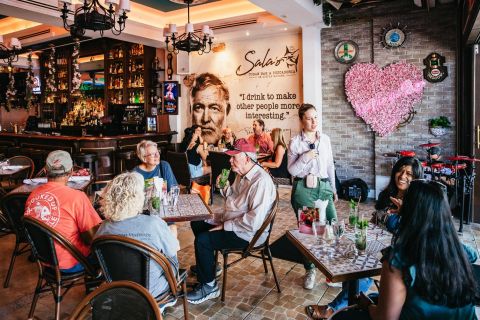
Experience the thriving culinary scene of Miami's Little Havana and enjoy tasty, authentic Cuban cuisine. Learn about local history and culture as you explore one of M...
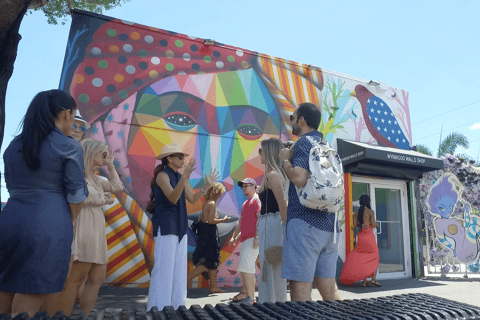
Explore Wynwood, Miami, and discover one of the largest open-air museums in the world, known for its street art. Taste your way through this neighborhood while learnin...
Discover the vibrant heart of Miami on a guided tour of Little Havana. Learn about the history of the Cuban diaspora, see colorful art, and savor a "secret" tropical treat.