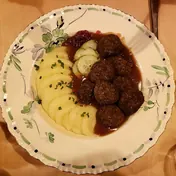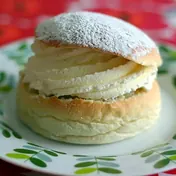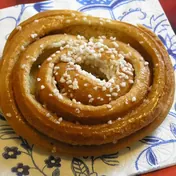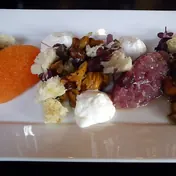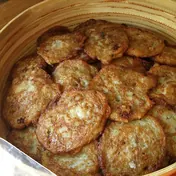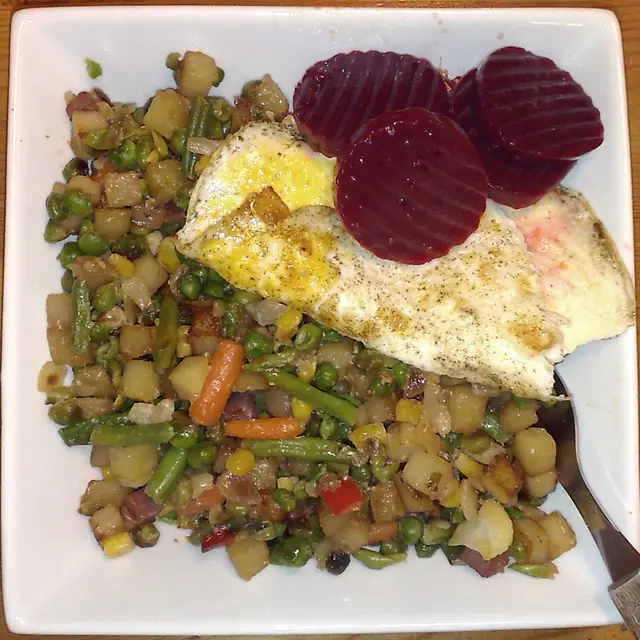
A diced hash of cubed potatoes, onion and meat (sausage, ham or leftover roast) fried in butter, served with pickled beetroot and a fried egg on top. The Swedish leftover Sunday dish.
Pyttipanna means small pieces in pan: the dish codified in working-class Stockholm in the 19th century as the Saturday-Sunday morning use-up of the week's leftovers. The classic combination of potato, onion and any cured meat (kassler ham, frankfurters, leftover roast) with pickled beetroot is the dictionary version. Tradition on Österlånggatan, Pelikan on Blekingegatan and the saluhall counters all run the canonical recipe today.
5 editor picks for Pyttipanna (Swedish hash) in Stockholm, ranked by editorial score. All Stockholm signature dishes · Pyttipanna (Swedish hash) across every city.
Sturehof ★ 4.4
ostermalm · Stureplan 2, 114 35 Stockholm
Sturehof at Stureplan in Stockholm's Östermalm is the 1897 brasserie locals run on; oysters, Toast Skagen, herring boards and a 365-day kitchen until 02:00.
Pelikan ★ 4.3
sodermalm · Blekingegatan 40, 116 62 Stockholm
Pelikan on Blekingegatan in Stockholm's Södermalm has cooked husmanskost in the vaulted 1904 hall since the Pelikan name moved from Gamla Stan; meatballs, herring and snaps.
Den Gyldene Freden ★ 4.3
gamla-stan · Österlånggatan 51, 111 31 Stockholm
Den Gyldene Freden on Österlånggatan in Stockholm's Gamla Stan opened in 1722 and remains the oldest restaurant in continuous operation under the same name in the world.
Tradition ★ 4.2
gamla-stan · Österlånggatan 1, 111 31 Stockholm
Tradition on Österlånggatan in Stockholm's Gamla Stan is a tight Old Town room cooking the Swedish home-canon: pyttipanna, kåldolmar, raggmunk and Toast Skagen.
Tennstopet ★ 4.1
vasastan · Dalagatan 50, 113 24 Stockholm
Tennstopet on Dalagatan in Stockholm's Vasastan opened in 1907 and remains the city's classic journalists' pub; meatballs, Janssons frestelse and a long bar that runs late.