What is in season in Palma. and what to order when the market changes.
Spring
- Artichokes and broad beans: Mallorcan artichokes and broad beans fill the Mercat de l'Olivar from February to April, and Palma kitchens braise them together with sobrassada or serve them raw with olive oil and salt.
- Spring lamb: Easter brings the island lamb on to Palma menus, roasted whole or turned into a spring version of frit mallorquí with young garlic and fennel fronds instead of the winter offal mix.
Summer
- Trampó tomatoes and peppers: From June the diced trampó salad appears on every Palma board, and its baked form, coca de trampó, is sold by the slab in bakeries across the old town through the whole summer.
- Tumbet vegetables: Aubergine, potato and red pepper all land at once in July, which is what tumbet exists to solve. Fried separately, layered and finished under slow tomato sauce, it runs to the end of September.
Autumn
- Binissalem grape harvest: September is the vermar in Binissalem, half an hour from Palma, and the Manto Negro reds from that harvest reach the city's wine lists and the Fira del Vi within the same month.
- Wild mushrooms and game: Esclata-sangs, the island's blood milk-cap mushrooms, come in with the autumn rain and go straight into arròs brut alongside the rabbit and pigeon of the opening hunting season.
Winter
- Matances and sobrassada: The winter pig slaughter is when Mallorcan families make sobrassada and botifarró, and January's Sant Antoni and Sant Sebastià bonfires in Palma exist largely to grill the results in the street.
- Oranges from Sóller: Sóller's oranges ripen from December through March and come over the Tramuntana into Palma's markets, juiced at market counters and folded into the winter cakes at the city's older bakeries.
Book food experiences in Palma
Guided tour · 3 hours
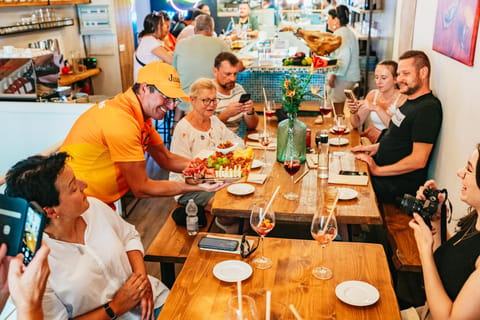
Taste the real Palma: a delicious mix of history, local life, and authentic Mallorcan food. Small groups, passionate guides, and flavors you’ll remember long after the...
Guided tour · 2 hours
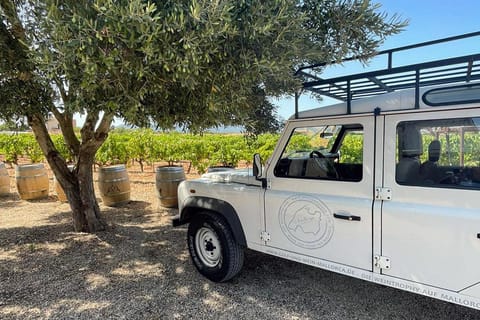
Travel with us to the vineyards and gain unique insights into renowned bodegas on Mallorca. Enjoy selected wines from the best winemakers, accompanied by typical Balea...
Guided tour · 3 hours
Immerse yourself in the culinary highlights of Palma and sample a selection of traditional tapas and pinchos. Admire the imposing cathedral and see both the Almudaina ...
See all 809 bookable experiences in Palma