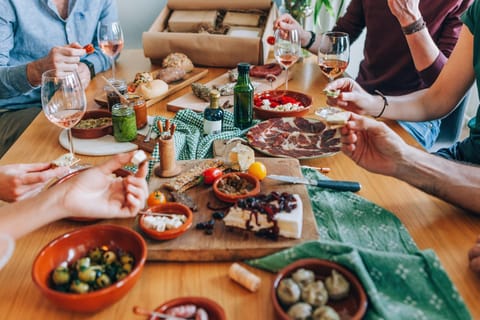
Guided tour · 3 hours
The 10 tasting of Benidorm walking experience
Ready to taste the best food in Benidorm? Satisfy your cravings for local food and culture with highlights along the way, together with a foodie host.
from€140 Check dates
How Benidorm came to eat the way it does: the people, migrations and accidents that shaped the plate.
How Benidorm came to eat the way it does: the people, migrations and accidents that shaped the plate.
Admiral Bernat de Sarrià granted Benidorm its Carta Puebla on 8 May 1325, founding the walled town and castle on the headland, where an Arab farmstead had stood at Lliriets. Berber pirate raids around 1410 and in 1448 carried off most of its people, and by 1520 the town was all but empty.
Beatriu Fajardo de Mendoza, lady of Polop and Benidorm, granted a second charter in 1666. The Sèquia Mare, an irrigation channel bringing water from Polop, let new settlers farm the plain; huerta greens and pulses are still the base of Benidorm's rice with spinach and its broad-bean stews.
Benidorm grew from about 216 households in 1715 to some 2,700 people by the end of the century on almadraba tuna fishing. Its men were sought along the coast from Roses to Morocco to set the tuna nets into the 1950s; the main local almadraba closed in 1952, and Barbate's is still owned by Benidorm descendants.
Wine and raisins gave the town a brief boom until phylloxera ruined the vines in the early 20th century, just as the merchant navy lost its trade with the end of the colonies in 1898. Many families left for Cuba, Barcelona's harbour district and the coast of Cádiz.
In 1956, under mayor Pedro Zaragoza Orts, the town hall approved an urban plan for a resort city of wide avenues following the beaches. Charter flights followed when Alicante-Elche airport opened in 1967, and Basque visitors arriving from the 1960s brought the pintxo bars of Calle Santo Domingo.
Since 2010 the town hall and the ABRECA hospitality association have run Benidorm Gastronómico, a yearly calendar of food weeks; in 2026 it reached six events, from spoon dishes in February to traditional home cooking in November, alongside the TapaFest held during the Benidorm Fest song contest.
Guided tour · 3 hours
Ready to taste the best food in Benidorm? Satisfy your cravings for local food and culture with highlights along the way, together with a foodie host.
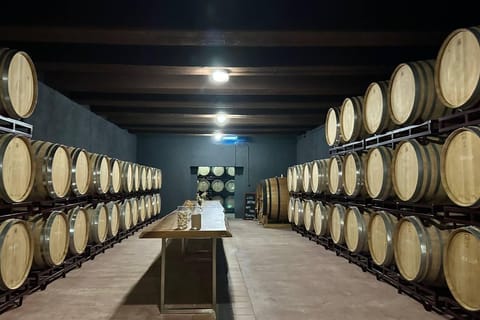
Private tour · 3 hours
Visit one of the largest wineries in the Alicante region. Follow your guide and get an inside look into the production of these popular forms of alcohol.
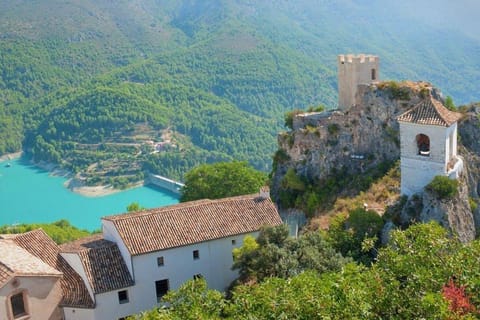
4.5 hours
Chocolate, medieval history, and breathtaking mountain views, all in one unforgettable day. Discover one of Spain's most beautiful medieval towns and explore the Guada...