Signature dishes
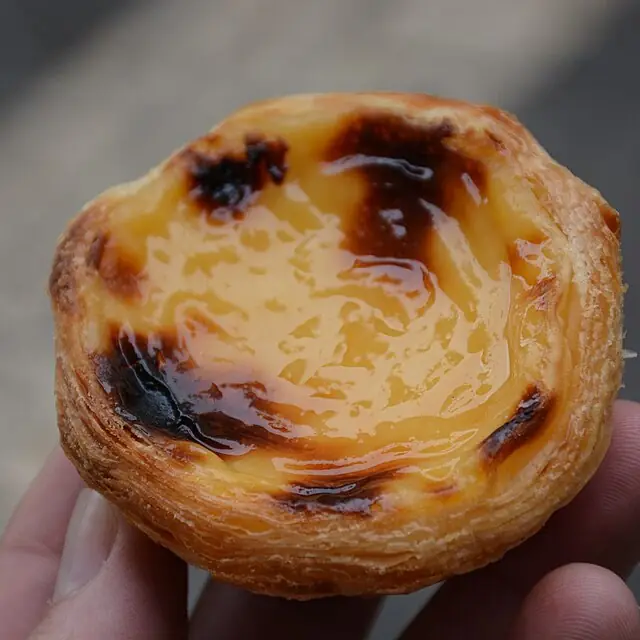
Lisbon's defining sweet: a flaky puff-pastry shell holding a thin custard of egg yolk, milk and sugar, blistered black on top under high heat.
Where: Pasteis de Belem, Manteigaria Chiado, Manteigaria Mercado da Ribeira, Manteigaria Belem, Confeitaria Nacional
Price: €1.20 to €1.50
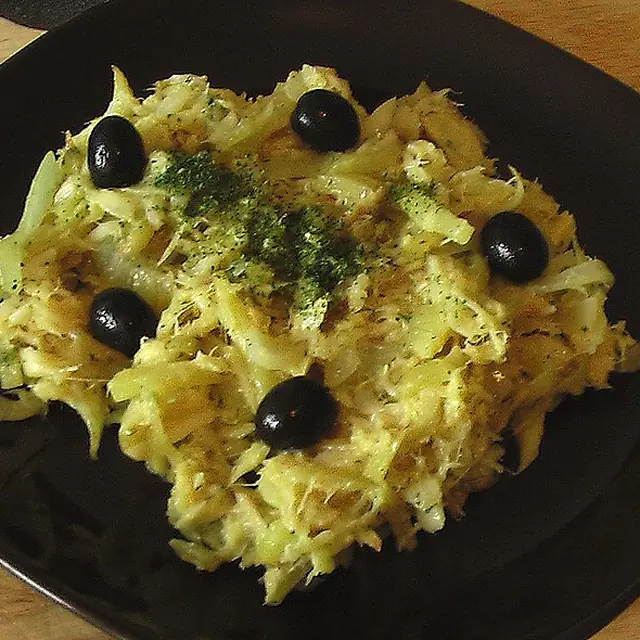
Shredded salt cod tossed with thin-fried potatoes, sweet onion, garlic and scrambled egg, finished with black olives and parsley, eaten hot.
Where: Solar dos Presuntos, O Velho Eurico, Casa do Alentejo, Pap'Acorda
Price: €12 to €18
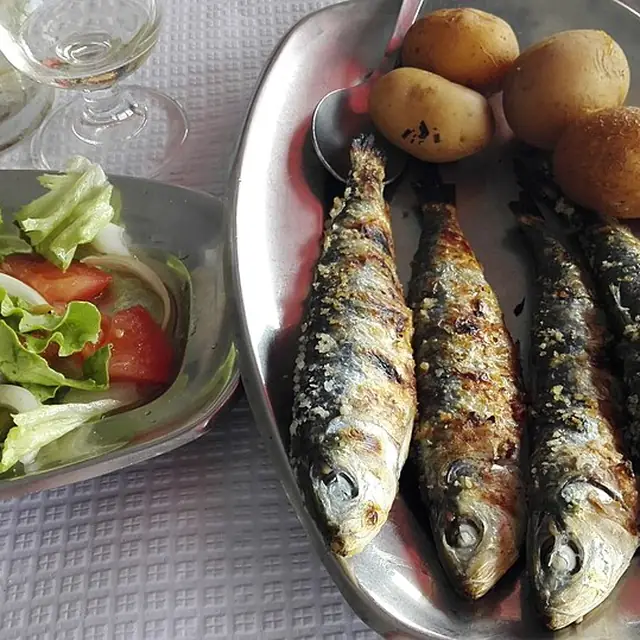
Whole sardines salted, charcoal-grilled until the skin blackens, served on a thick slice of country bread that catches the dripping oil and juice.
Where: Cervejaria Ramiro, Solar dos Presuntos, Cervejaria Pinoquio
Price: €2 to €4 per sardine
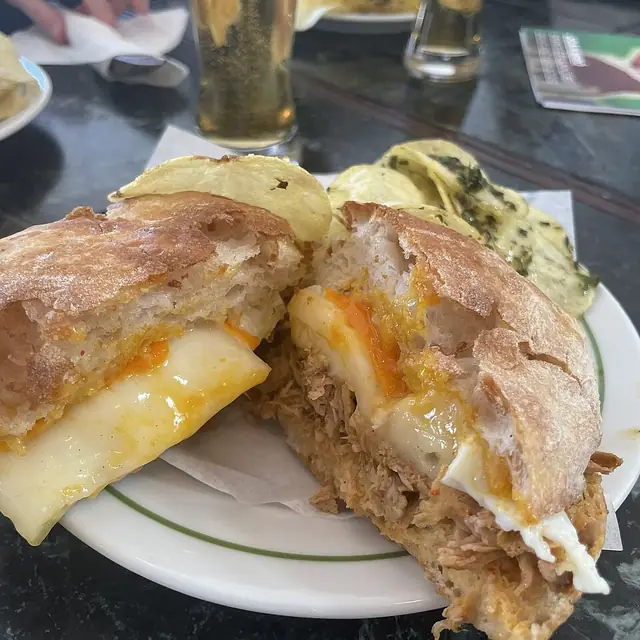
Thin slices of pork marinated in garlic, white wine and paprika, seared on the plancha and stuffed into a soft Portuguese papo seco roll, mustard optional.
Where: As Bifanas do Afonso, O Trevo, Casa das Bifanas
Price: €2.50 to €3.50
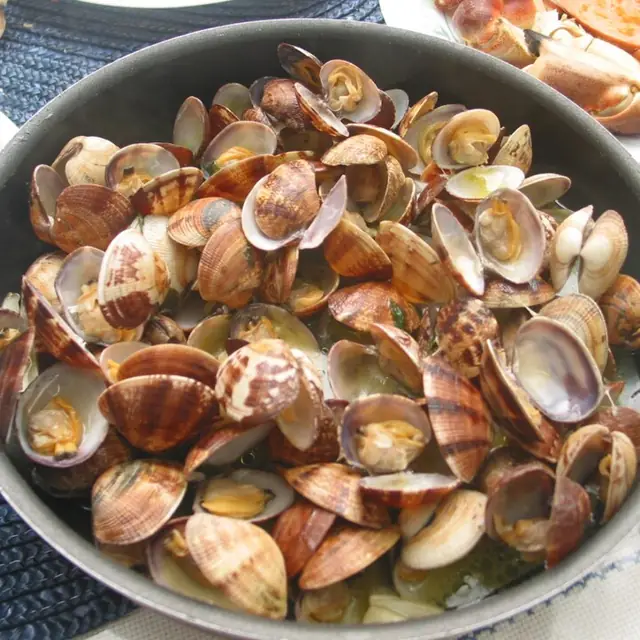
Live clams steamed open with olive oil, garlic, coriander and white wine, served at once in their broth with bread to soak it up at the Lisbon cervejaria counters.
Where: Cervejaria Ramiro, Cervejaria Pinoquio, Cervejaria Liberdade
Price: €18 to €28
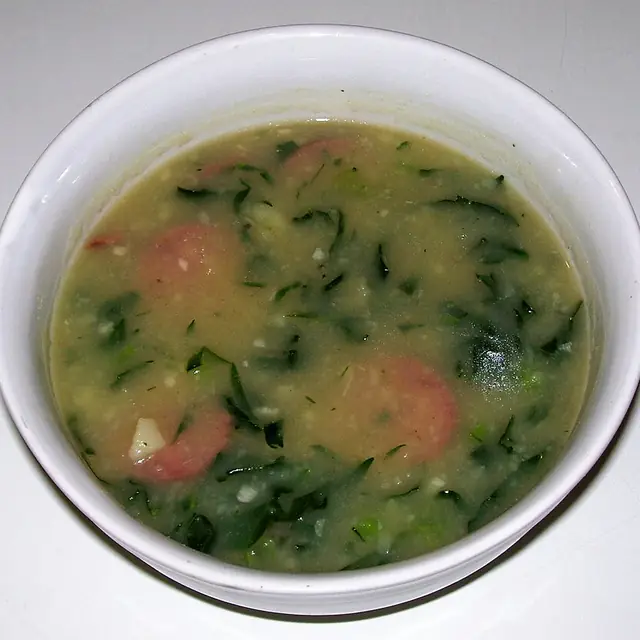
A puréed potato-and-onion soup with finely shredded couve galega (Galician collard) and a slice of chourico, drizzled with olive oil, eaten hot.
Where: Solar dos Presuntos, Casa do Alentejo, Cervejaria Trindade
Price: €4 to €8
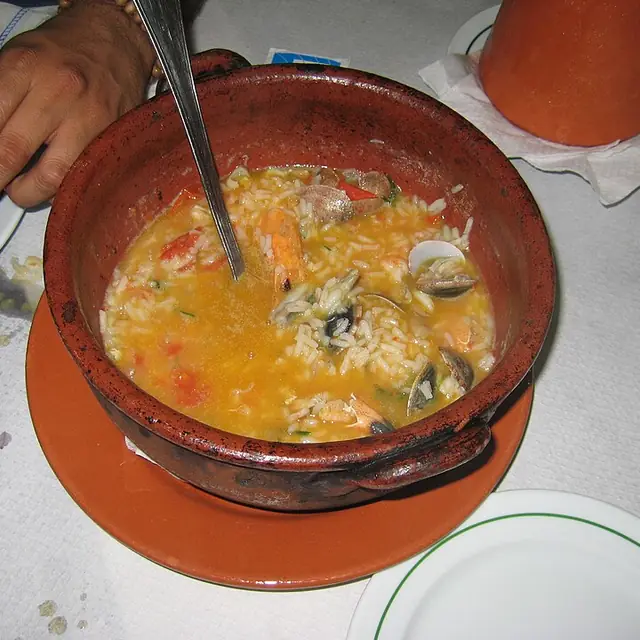
A loose, soupy seafood rice cooked in a tomato-and-shellfish broth, layered with prawns, clams, mussels and crab claws, finished with coriander.
Where: Solar dos Presuntos, Cervejaria Ramiro, Cervejaria Liberdade, Cervejaria Pinoquio
Price: €26 to €38 per person
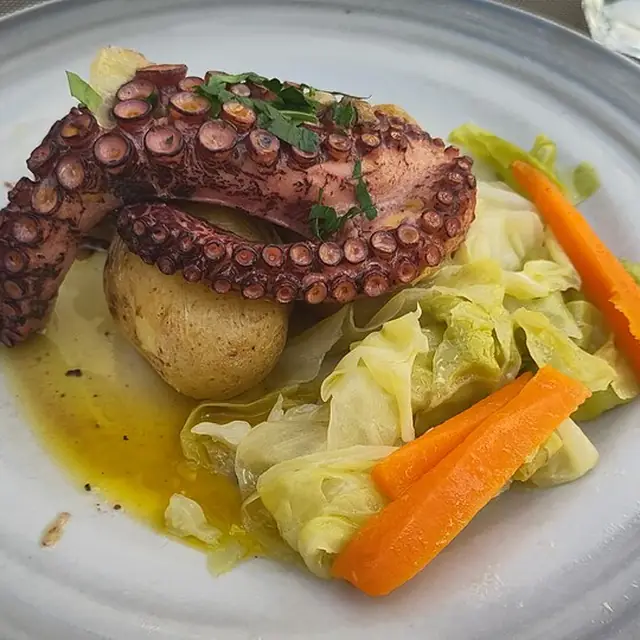
Octopus tenderised, boiled, then roasted in the oven with smashed potatoes (batatas a murro), garlic and a flood of olive oil until the skin crisps.
Where: Cervejaria Ramiro, Tasquinha do Lagarto, Cervejaria Liberdade
Price: €22 to €32
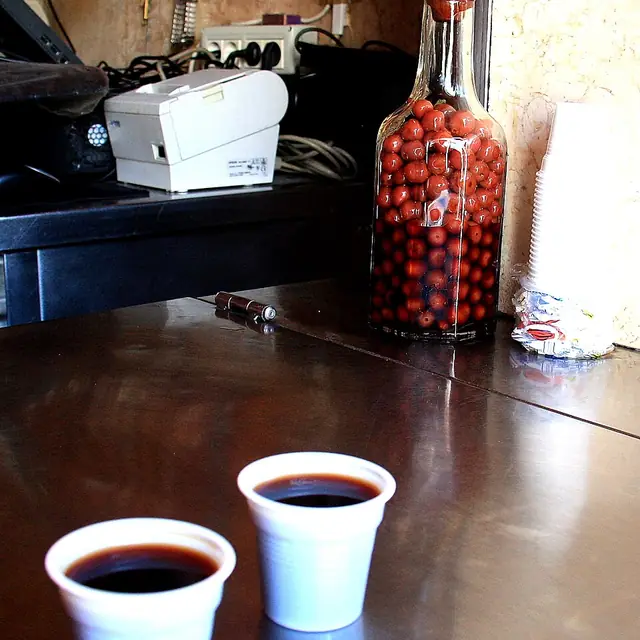
A sour-cherry liqueur made by macerating ginja cherries in aguardente with cinnamon and sugar, drunk as a shot at standing-room counters across Lisbon.
Where: A Ginjinha, O Bom, O Mau e O Vilao
Price: €1.50
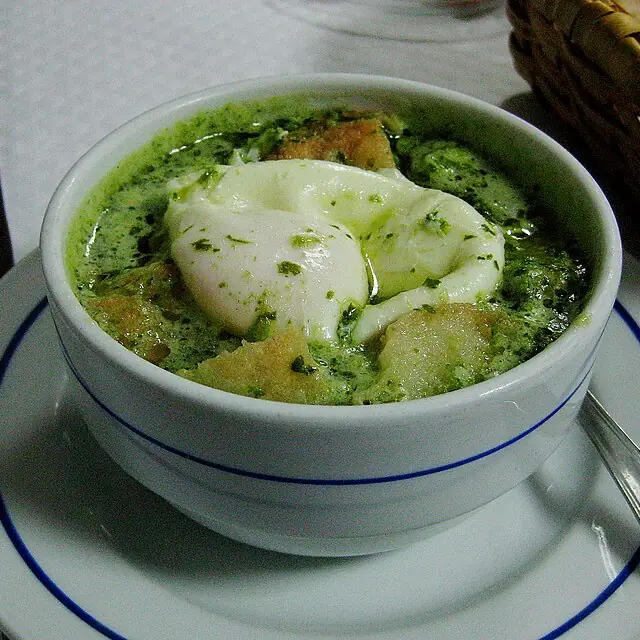
A Portuguese bread soup of stale country loaf reborn in a garlicky broth with olive oil, coriander, poached egg and either shellfish or salt cod added.
Where: Pap'Acorda, Pateo Bairro do Avillez, Solar dos Presuntos, Casa do Alentejo
Price: €18 to €32
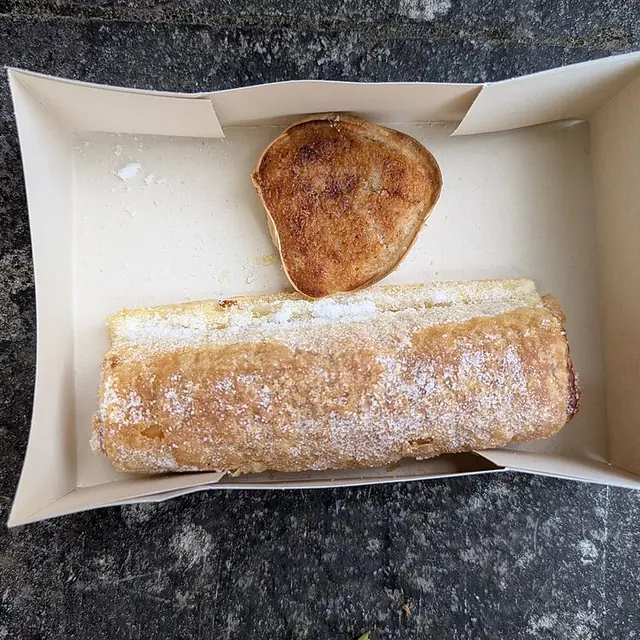
The Travesseiro is a Sintra puff-pastry pillow filled with almond-and-egg cream, developed at Casa Piriquita in the 1940s. Order it with a glass of Colares wine.
Price: €1.50
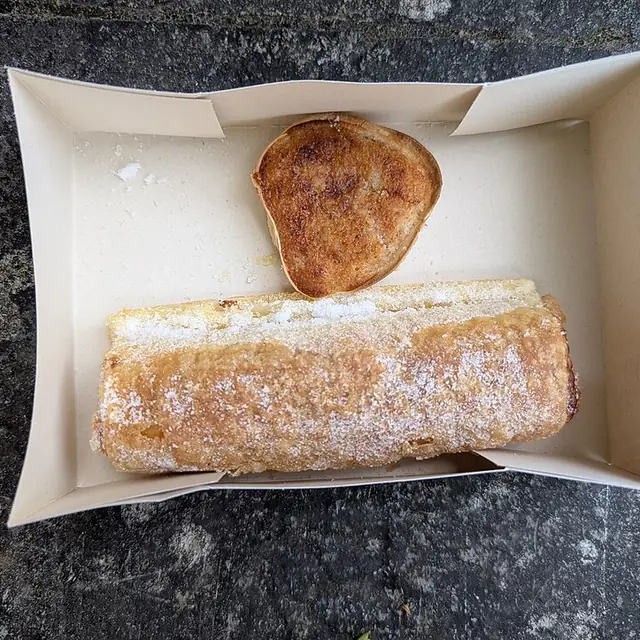
The Queijada is a Sintra fresh-cheese tartlet, a 13th-century recipe of curd, sugar, eggs and cinnamon in a thin pastry shell. Eaten in fours, never alone.
Price: €1.20
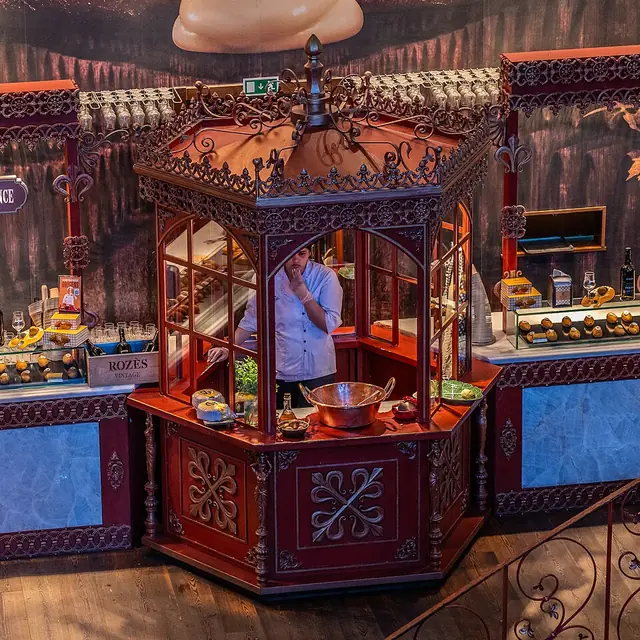
Pastel de bacalhau is Lisbon's salt-cod croquette: a fluffy egg-and-potato cod mixture deep-fried into oval-shape patties, eaten warm with a glass of port at every counter and tasca.
Where: Casa Portuguesa do Pastel de Bacalhau, Solar dos Presuntos, Tasca do Jaime, Bistro 100 Maneiras
Price: €2 to €5
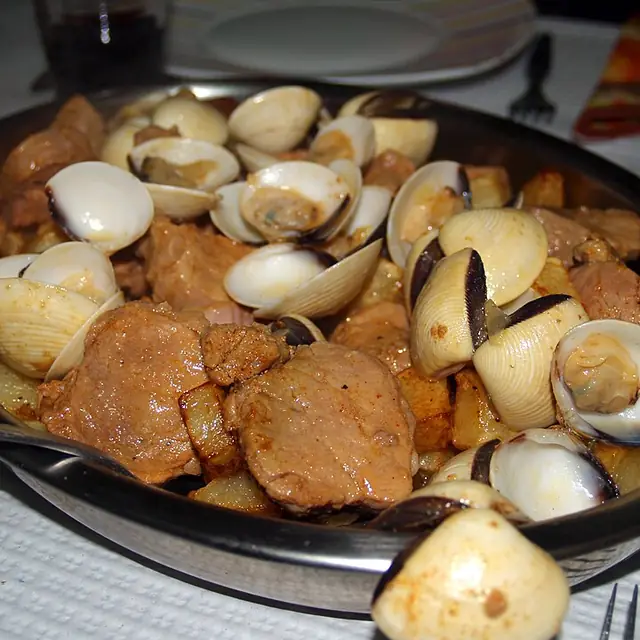
Carne de porco à alentejana is the Alentejo-origin Lisbon supper: marinated pork sauteed with clams and lemon-coriander pickle, plated over fried potato cubes and bread for mopping the juices.
Where: Casa do Alentejo, O Magano, Solar dos Presuntos, Bistro 100 Maneiras
Price: €16 to €26
Pastel de nata
Lisbon's defining sweet: a flaky puff-pastry shell holding a thin custard of egg yolk, milk and sugar, blistered black on top under high heat.
History: Perfected at the Jeronimos monastery in Belem long before the 1834 dissolution of religious orders, the custard tart recipe was sold to a sugar refinery next door after that closure. Pasteis de Belem opened in 1837 and has guarded the original formula behind a locked door for the four generations since. Manteigaria reopened the conversation in 2014 with a modern, lighter version baked every twenty minutes.
Where to try it: Pasteis de Belem, Manteigaria Chiado, Manteigaria Mercado da Ribeira, Manteigaria Belem, Confeitaria Nacional
Watch out for: Gluten, Eggs, Dairy
Bacalhau a Bras
Shredded salt cod tossed with thin-fried potatoes, sweet onion, garlic and scrambled egg, finished with black olives and parsley, eaten hot.
History: Invented by a Bras family tavern keeper in Lisbon's Bairro Alto in the late 19th century as a thrift dish, combining the new fad of potato chips with leftover bacalhau and bound with creamy scrambled eggs. The dish travelled the country in 20th-century cookbooks and now anchors lunch menus from family tascas to chef-led rooms, with Solar dos Presuntos plating the canonical classical version that Bairro Alto regulars cite as the benchmark.
Where to try it: Solar dos Presuntos, O Velho Eurico, Casa do Alentejo, Pap'Acorda
Watch out for: Fish, Eggs
Sardinhas assadas
Whole sardines salted, charcoal-grilled until the skin blackens, served on a thick slice of country bread that catches the dripping oil and juice.
History: The sardine has been Lisbon's summer fish since at least the 16th century, but the city-wide grill-out is tied to the festas dos Santos Populares each June, when neighbourhoods set up charcoal pits on every corner for the 12 to 13 June peak of the Santo Antonio celebrations. Alfama and Mouraria take the lead, with bairros competing on the size of the grill and the freshness of the boat-caught sardines bought that morning at the Mercado da Ribeira fish counters.
Where to try it: Cervejaria Ramiro, Solar dos Presuntos, Cervejaria Pinoquio
Watch out for: Fish
Bifana
Thin slices of pork marinated in garlic, white wine and paprika, seared on the plancha and stuffed into a soft Portuguese papo seco roll, mustard optional.
History: The bifana grew up in Vendas Novas in the Alentejo in the early 20th century as roadside fuel for Lisbon-to-Madrid hauliers, the pork tenderloin marinated in garlic, paprika and white wine and griddled to order. It moved into the city after the 1960s as the canonical 2.50-euro working lunch, and O Trevo on Camoes has been most-cited since the 1990s as the textbook Lisbon version on a soft papo-seco bun with yellow mustard.
Where to try it: As Bifanas do Afonso, O Trevo, Casa das Bifanas
Watch out for: Gluten
Ameijoas a Bulhao Pato
Live clams steamed open with olive oil, garlic, coriander and white wine, served at once in their broth with bread to soak it up at the Lisbon cervejaria counters.
History: Created at Restaurante Tavares in Lisbon in the 1870s and named after the poet Raimundo de Bulhao Pato, who ate there often and recommended the dish in his published verse. The dish became the canonical Portuguese clam preparation and now anchors every cervejaria from Pinoquio to Ramiro, with the coriander-and-garlic finish the marker that distinguishes the Lisbon version from regional Algarvian preparations.
Where to try it: Cervejaria Ramiro, Cervejaria Pinoquio, Cervejaria Liberdade
Watch out for: Molluscs
Caldo verde
A puréed potato-and-onion soup with finely shredded couve galega (Galician collard) and a slice of chourico, drizzled with olive oil, eaten hot.
History: Caldo verde originates in the Minho region of northwest Portugal in the 15th century, where the dish moved south to Lisbon with rural migration in the 19th century. The dish is now the canonical Santos Populares supper, served in paper cups at street stalls during the June festivities and at every casa de pasto across Lisbon's working bairros. The thin slice of chorizo (chourico) on top is the Lisbon variation; the Minho original served the soup plain.
Where to try it: Solar dos Presuntos, Casa do Alentejo, Cervejaria Trindade
Arroz de marisco
A loose, soupy seafood rice cooked in a tomato-and-shellfish broth, layered with prawns, clams, mussels and crab claws, finished with coriander.
History: Arroz de marisco came up the Atlantic coast from Aveiro and the Setubal peninsula in the 1960s, hitting Lisbon menus by the 1970s with prawns, clams and crabs drawn from the Tagus estuary. The Lisbon version stays soupier than the Spanish paella tradition, the rice cooked just past al dente in a tomato-saffron-coriander broth, and Solar dos Presuntos's wine-list bible recommends the dish over any other on the menu.
Where to try it: Solar dos Presuntos, Cervejaria Ramiro, Cervejaria Liberdade, Cervejaria Pinoquio
Watch out for: Crustaceans, Molluscs
Polvo a lagareiro
Octopus tenderised, boiled, then roasted in the oven with smashed potatoes (batatas a murro), garlic and a flood of olive oil until the skin crisps.
History: Polvo a lagareiro takes its name from the lagareiros, the men who pressed the olive oil in central Portugal. The traditional preparation pours the new-pressing oil generously over the boiled-then-roasted octopus, and the dish travelled to Lisbon menus as the most-ordered fish course outside of bacalhau.
Where to try it: Cervejaria Ramiro, Tasquinha do Lagarto, Cervejaria Liberdade
Watch out for: Molluscs
Ginjinha
A sour-cherry liqueur made by macerating ginja cherries in aguardente with cinnamon and sugar, drunk as a shot at standing-room counters across Lisbon.
History: Ginjinha was first commercialised in 1840 by Francisco Espinheira, a Galician who set up a small counter on Largo de Sao Domingos in Lisbon and infused sour ginja cherries in aguardente with sugar and cinnamon. The original A Ginjinha still operates from that same location, 1.50 euros a shot, with or without a cherry in the glass.
Where to try it: A Ginjinha, O Bom, O Mau e O Vilao
Acorda
A Portuguese bread soup of stale country loaf reborn in a garlicky broth with olive oil, coriander, poached egg and either shellfish or salt cod added.
History: Acorda originates with the Alentejano shepherds in central Portugal as a hot bread-and-water sustenance, the day-old broa loaf softened in olive oil, garlic and coriander. The dish travelled north into Lisbon kitchens in the 19th century. The seafood version, acorda de marisco, became the city's most-celebrated take, with Pap'Acorda the canonical Bairro Alto room since 1981 and Solar dos Presuntos plating a Lisbon-classical version with prawns and clams.
Where to try it: Pap'Acorda, Pateo Bairro do Avillez, Solar dos Presuntos, Casa do Alentejo
Watch out for: Gluten, Eggs
Travesseiro de Sintra
The Travesseiro is a Sintra puff-pastry pillow filled with almond-and-egg cream, developed at Casa Piriquita in the 1940s. Order it with a glass of Colares wine.
History: Casa Piriquita opened in 1862 on Sintra's Rua das Padarias, founded by Amaro dos Santos and his wife Constancia Gomes; the founder's daughter Constancia Luisa Cunha developed the puff-pastry-and-egg-cream pillow in the 1940s and it became Sintra's defining sweet alongside the queijada, recipe held in family for five generations. Day-trippers cross town to eat them warm at the counter; you may be queueing for fifteen minutes, but the pastries come out hot, dusted in icing sugar.
Watch out for: Gluten, Egg, Tree nuts
Queijada de Sintra
The Queijada is a Sintra fresh-cheese tartlet, a 13th-century recipe of curd, sugar, eggs and cinnamon in a thin pastry shell. Eaten in fours, never alone.
History: The Queijada de Sintra is documented in Sintra royal accounts as far back as the 13th century, the convent recipe using fresh sheep curd, eggs, sugar and cinnamon held in a thin wheat pastry. Queijadas da Sapa traces its industrial production to Maria Sapa, who settled in Ranholas in 1756 and later moved her ovens to Volta do Duche, where the family has baked the same recipe for generations. The little tartlets travel poorly, so eating them in Sintra warm from the oven, in groups of four wrapped in paper, is part of the day trip.
Watch out for: Gluten, Egg, Dairy
Pastel de bacalhau
Pastel de bacalhau is Lisbon's salt-cod croquette: a fluffy egg-and-potato cod mixture deep-fried into oval-shape patties, eaten warm with a glass of port at every counter and tasca.
History: The pastel de bacalhau (called bolinho de bacalhau in the north) emerged in the 19th century as cod-fishing fleets from the Algarve and Newfoundland brought endless dry salt cod to Portuguese kitchens. The Lisbon two-spoon shaping method (moulded between soup spoons into a three-rib oval) became canonical by 1900. It is now sold at every tasca, mercado counter and beach kiosk. Casa Portuguesa do Pastel de Bacalhau on Rua Augusta launched its stuffed-with-Serra-cheese variant in 2015; Solar dos Presuntos plates the classical version with vinho verde. A midmorning or aperitivo snack, never a main.
Where to try it: Casa Portuguesa do Pastel de Bacalhau, Solar dos Presuntos, Tasca do Jaime, Bistro 100 Maneiras
Watch out for: Gluten, Egg, Fish, Dairy
Carne de porco à alentejana
Carne de porco à alentejana is the Alentejo-origin Lisbon supper: marinated pork sauteed with clams and lemon-coriander pickle, plated over fried potato cubes and bread for mopping the juices.
History: Carne de porco à alentejana came to Lisbon from the Alentejo with the rural-to-urban migration of the 19th century. The dish's improbable surf-and-turf marriage (pork and clams from the same red-pepper-paste marinade) is regional Portuguese cooking at its most distinctive; the practical truth is that the clams sweetened the rough farmhouse pork. Casa do Alentejo on Rua das Portas de Santo Antão (a 17th-century Moorish palace) is the canonical Lisbon address; O Magano in Campo de Ourique plates a sharper modern version; Solar dos Presuntos serves the classical preparation.
Where to try it: Casa do Alentejo, O Magano, Solar dos Presuntos, Bistro 100 Maneiras
Watch out for: Shellfish, Gluten


