Signature dishes
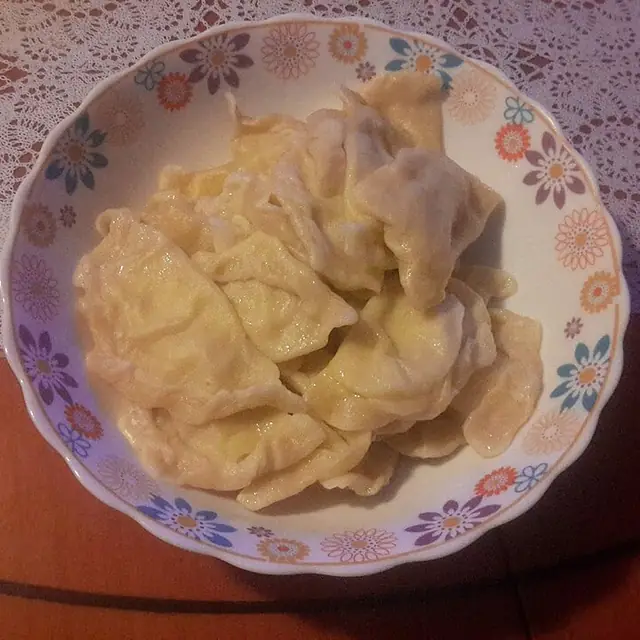
Pierogi are the half-moon dumplings Poland built into a national grammar. Kraków cooks them across 20+ fillings: ruskie (potato and farmer's cheese), meat, mushroom-and-cabbage, blueberry in summer, goose at Szara Gęś.
Where: Pierogarnia Krakowiacy, Przystanek Pierogarnia, Wesele, Miód i Wino, Polakowski
Price: 20-40 zl
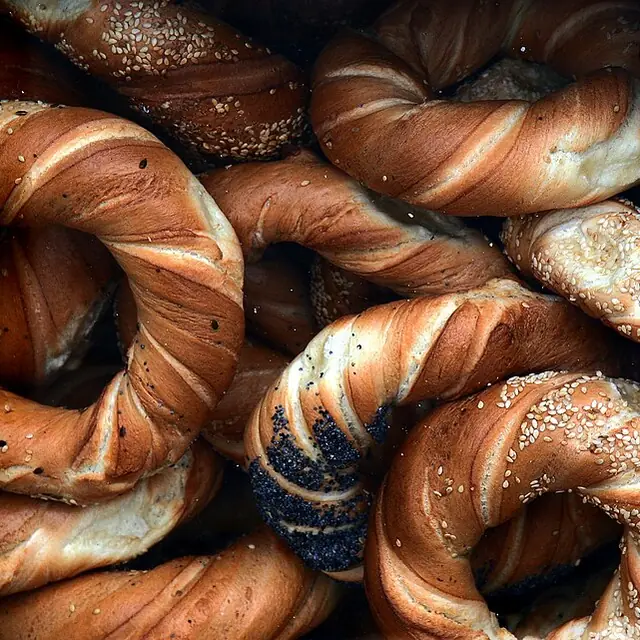
Obwarzanek krakowski is the salted ring bread Kraków's bakers have boiled, then baked, then sold from carts under royal privilege since 1496. Crisp crust, chewy crumb, sesame or poppy seed or salt on top.
Where: Obwarzanek Krakowski (Rynek Główny carts)
Price: 2-3 zl
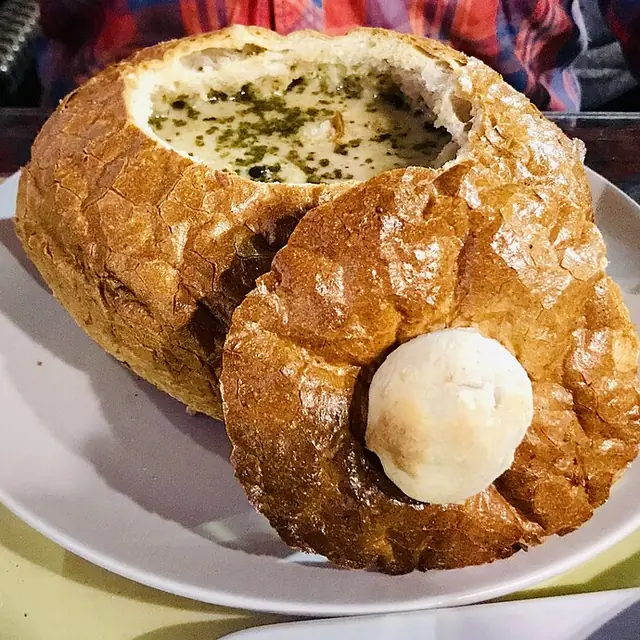
Żurek is the soured-rye-fermented soup Kraków eats from a bread bowl: cloudy, garlic-shot, with white sausage, hard-boiled egg, a swirl of sour cream. The Easter Sunday soup, eaten year-round.
Where: Bar Mleczny Pod Temidą, Wesele, Milkbar Tomasza, Polakowski
Price: 12-22 zl
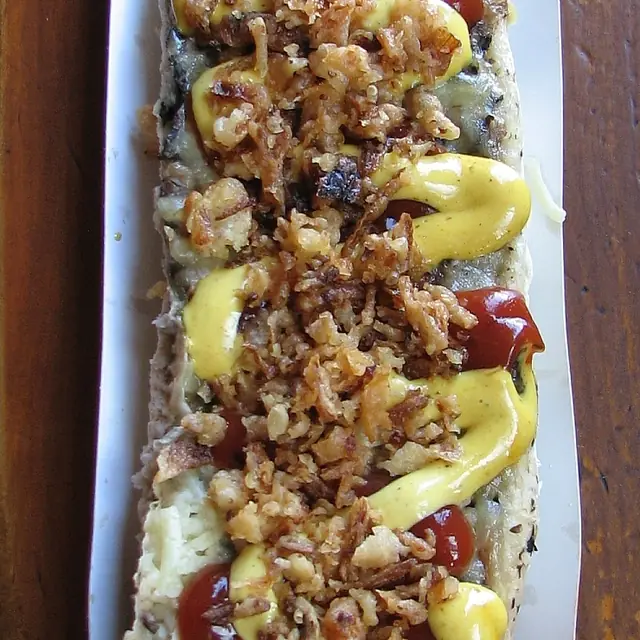
Zapiekanka is the open-face baguette Kraków built into a late-night ritual: half a long roll, layered with mushroom, cheese and ham, grilled until the cheese melts, finished with ketchup and garlic sauce.
Where: Endzior (Plac Nowy zapiekanka), Vegab
Price: 12-22 zl
Maczanka po krakowsku is Kraków's signature sandwich: shredded pork shoulder simmered with marjoram, garlic and caraway, served in a soft kajzerka bread roll, dipped in the cooking broth at the counter.
Where: Andrus (Maczanka po krakowsku)
Price: 16-22 zl
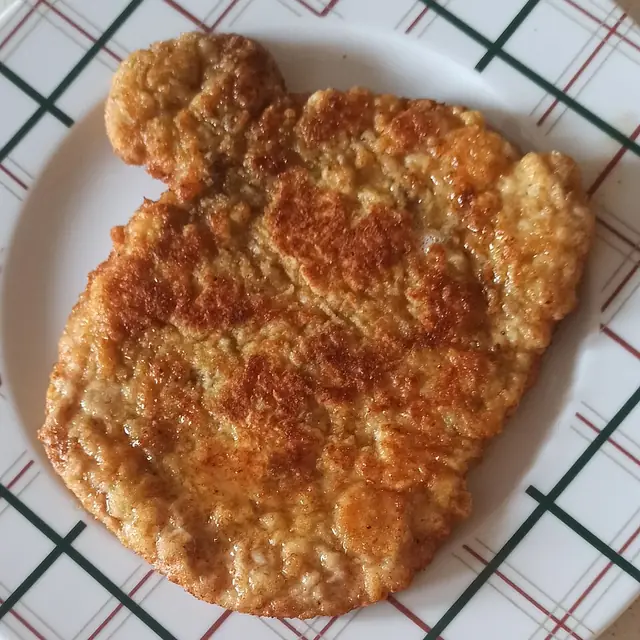
Kotlet schabowy is Poland's breaded pork cutlet, the Sunday-lunch backbone: pork loin pounded thin, dipped in egg and breadcrumbs, pan-fried in lard, served with mashed potato and sauerkraut. The Polish wiener schnitzel.
Where: Bar Mleczny Pod Temidą, Smakołyki, Polakowski, Pod Aniołami
Price: 18-45 zl
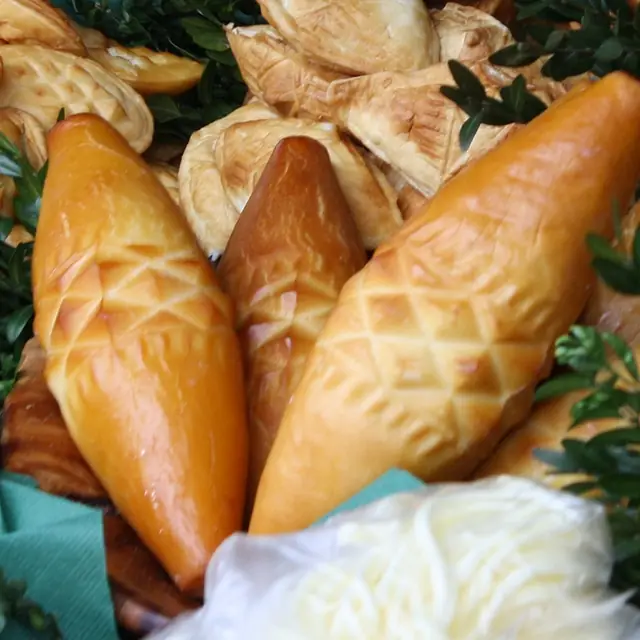
Oscypek is the smoked sheep-milk cheese the Tatra highlanders bring down from the mountains, sliced and grilled in Kraków with cranberry jam as the canonical winter bar snack and Christmas-market plate.
Where: Pod Aniołami, Morskie Oko, Rynek Główny Christmas Market
Price: 18-30 zl
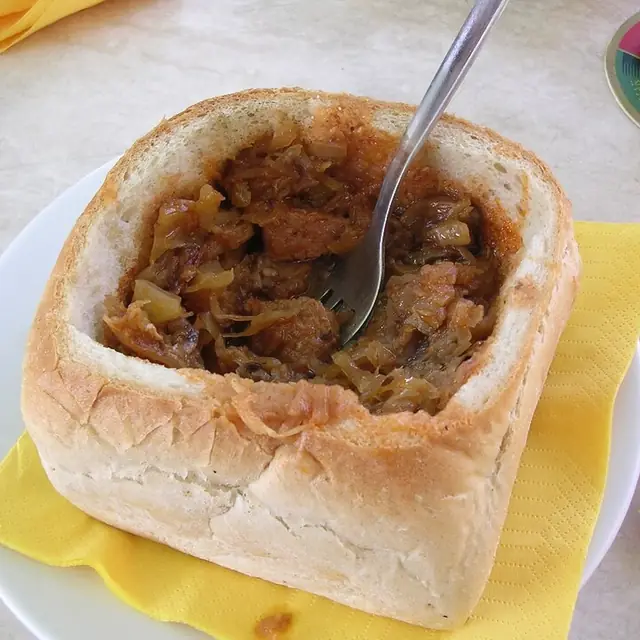
Bigos is the slow-cooked hunter's stew of sauerkraut, fresh cabbage, smoked sausage, pork and dried mushroom: deep brown, vinegar-sharp, served by the bowl in winter across every Kraków bar mleczny and Polish bistro.
Where: Bar Mleczny Pod Temidą, Polakowski, Milkbar Tomasza, Wesele
Price: 18-32 zl
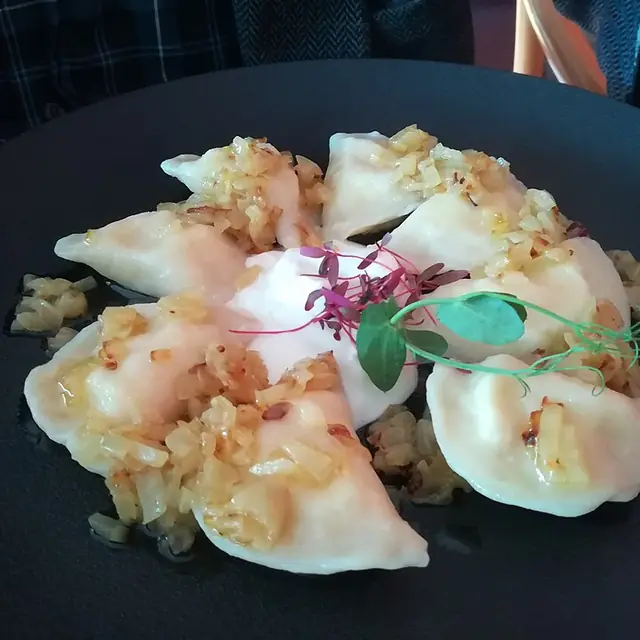
Pierogi ruskie are the canonical potato-and-farmer's-cheese pierogi, served boiled with butter-fried onions and a dollop of sour cream. Despite the name, the filling is Polish through and through.
Where: Pierogarnia Krakowiacy, Przystanek Pierogarnia, Miód i Wino, Polakowski
Price: 20-32 zl
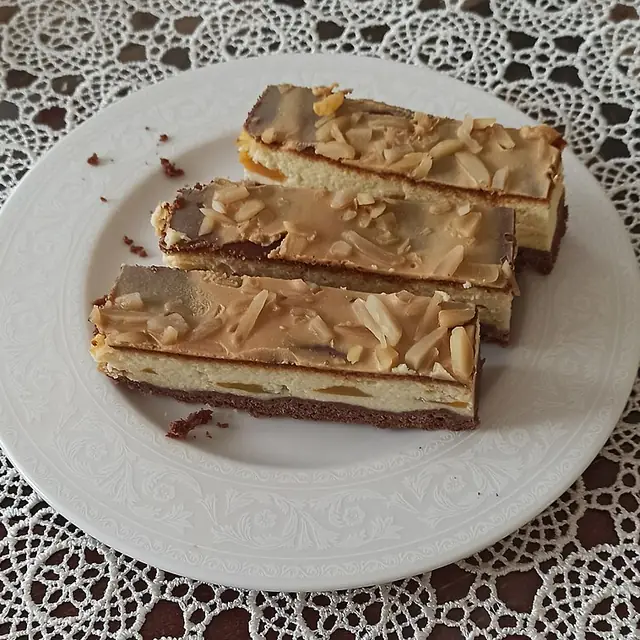
Sernik krakowski is the Krakow version of Polish baked cheesecake: dense farmer's-cheese filling, lattice of pastry strips on top, lemon zest in the curd. The city's daily pastry-counter standard.
Where: Vanilla, Cukiernia Michałek, Noworolski
Price: 12-25 zl per slice
Krakow's defining street meal: thick smoked kielbasa grilled over wood charcoal in a battered blue Nysa van parked nightly on plac Hala Targowa, served on a fresh bun with mustard and a slice of rye.
Where: Kiełbaski z Niebieskiej Nyski (Blue Van), Stara Zajezdnia, Bar Mleczny Pod Temidą
Price: 12-18 zl
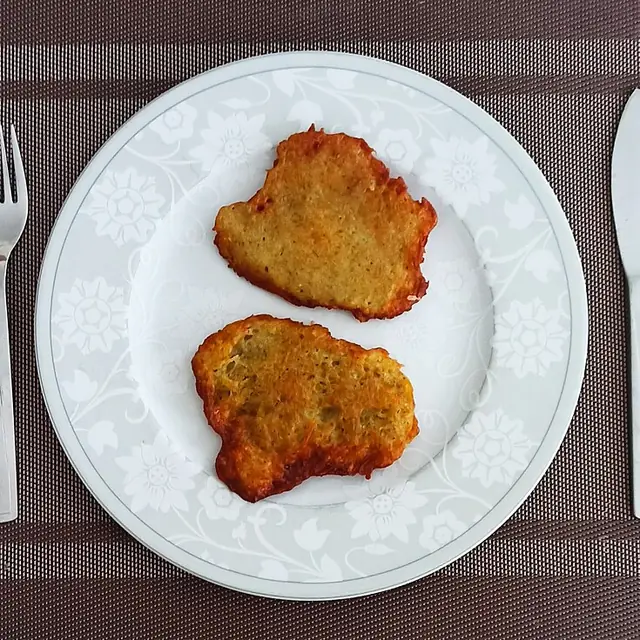
Crisp Polish potato pancakes, finely grated raw potato and onion bound with egg and flour, fried in lard until lace-edged and golden. Served sweet with sour cream and sugar, or savoury under a goulash blanket.
Where: Morskie Oko, Polakowski, Marchewka z Groszkiem, Pod Baranem, Milkbar Tomasza
Price: 18-32 zl
Pierogi
Pierogi are the half-moon dumplings Poland built into a national grammar. Kraków cooks them across 20+ fillings: ruskie (potato and farmer's cheese), meat, mushroom-and-cabbage, blueberry in summer, goose at Szara Gęś.
History: Polish pierogi descend from a 13th-century Eastern European dumpling tradition, with the form codified in Polish cooking by the 1600s. Kraków, as the royal capital until 1596, set the urban pierogi standard. The pierogi ruskie filling, despite the name, is named for Ruthenian (modern western Ukraine) and entered Polish cooking after the 1772 Galician partition. Pierogarnia Krakowiacy on Szewska and Przystanek Pierogarnia run dedicated pierogi counters with 20+ fillings each. The August Pierogi Festival on Mały Rynek runs 30 stalls competing for the year's best version.
Where to try it: Pierogarnia Krakowiacy, Przystanek Pierogarnia, Wesele, Miód i Wino, Polakowski
Watch out for: Gluten, Dairy in ruskie filling, Egg in dough
Obwarzanek krakowski
Obwarzanek krakowski is the salted ring bread Kraków's bakers have boiled, then baked, then sold from carts under royal privilege since 1496. Crisp crust, chewy crumb, sesame or poppy seed or salt on top.
History: A 1496 royal privilege from King Jan Olbracht granted Kraków's bakers exclusive rights to bake obwarzanek during Lent. The ring's name comes from the Polish 'obwarzać' (to par-boil). The dough is shaped into a ring, boiled briefly, then baked, giving it the same chewy crumb-and-crisp crust as a New York bagel (with which it shares a likely common ancestor in 17th-century Polish-Jewish baking). The EU registered the obwarzanek krakowski as a Protected Geographical Indication in 2010. About 150,000 rings leave Kraków's red-and-yellow carts every day; they cost 2 to 3 zl each.
Where to try it: Obwarzanek Krakowski (Rynek Główny carts)
Watch out for: Gluten, Sesame seeds on the seeded variant
Żurek
Żurek is the soured-rye-fermented soup Kraków eats from a bread bowl: cloudy, garlic-shot, with white sausage, hard-boiled egg, a swirl of sour cream. The Easter Sunday soup, eaten year-round.
History: Żurek descends from a 14th-century Polish-peasant tradition of fermenting rye flour in water for 4 to 5 days to produce a sour starter (zakwas), then making a broth from the strained liquid. The dish was particularly the food of Lent and Easter Sunday breakfast across Poland. The Kraków version adds smoked sausage (biała kiełbasa), garlic and marjoram, and the bread-bowl service style became Kraków-canonical from the 1990s onward. Bar Mleczny Pod Temidą on Grodzka and Wesele on Rynek Główny serve the editorial Kraków versions; the bread-bowl format is the Kraków signature.
Where to try it: Bar Mleczny Pod Temidą, Wesele, Milkbar Tomasza, Polakowski
Watch out for: Gluten in the bread bowl, Dairy in sour cream finish, Egg
Zapiekanka
Zapiekanka is the open-face baguette Kraków built into a late-night ritual: half a long roll, layered with mushroom, cheese and ham, grilled until the cheese melts, finished with ketchup and garlic sauce.
History: Zapiekanka emerged in 1970s Poland as a cheap street-food adaptation of French bread pizza. The Plac Nowy rotunda in Kraków's Kazimierz, originally a 19th-century kosher poultry slaughterhouse called the Okraglak (the round), reopened as a zapiekanka cluster in 1989 after the Iron Curtain fell. Six windows ring the building; Endzior is the consensus pick. The dish features in every Kraków guidebook since the 1990s. The half-metre version (60 cm long) is the post-bar order; the regular 30 cm version is the standard.
Where to try it: Endzior (Plac Nowy zapiekanka), Vegab
Watch out for: Gluten, Dairy in cheese, Egg in some sauces
Maczanka po krakowsku
Maczanka po krakowsku is Kraków's signature sandwich: shredded pork shoulder simmered with marjoram, garlic and caraway, served in a soft kajzerka bread roll, dipped in the cooking broth at the counter.
History: Maczanka po krakowsku originated in 19th-century Kraków as a hot lunch sandwich for market porters and stagecoach drivers. The name comes from 'maczać' (to dip): the bread roll is dipped in the cooking sauce just before serving. The dish was effectively extinct by the 1980s and was deliberately revived as a Kraków heritage food by the city's culinary association in the 2010s. Andrus on Sławkowska 19 is the editorial Kraków revival window, serving the sandwich for 18 zl. The dish predates the kebab as Kraków's late-night handheld and has been formally recognised by the Polish Ministry of Agriculture as a regional traditional product since 2007.
Where to try it: Andrus (Maczanka po krakowsku)
Watch out for: Gluten, Mustard if served with
Kotlet schabowy
Kotlet schabowy is Poland's breaded pork cutlet, the Sunday-lunch backbone: pork loin pounded thin, dipped in egg and breadcrumbs, pan-fried in lard, served with mashed potato and sauerkraut. The Polish wiener schnitzel.
History: Kotlet schabowy entered Polish home cooking in the late 19th century, adapted from Austro-Hungarian wiener schnitzel during the Galician partition of 1772-1918 when Kraków sat in Habsburg territory. The dish became the Sunday lunch standard across all of Poland by the 1920s, codified in Maria Ochorowicz-Monatowa's 1910 cookbook. Polish kotlet uses pork loin (schab) rather than the Austrian veal; the lard-fry rather than butter-fry is the Polish stamp. Every bar mleczny and family canteen in Kraków serves it. Bar Mleczny Pod Temidą's version with mashed potato and sauerkraut is the city's editorial cheap-and-canonical pick.
Where to try it: Bar Mleczny Pod Temidą, Smakołyki, Polakowski, Pod Aniołami
Watch out for: Gluten in breadcrumbs, Egg, Dairy in mashed potato finish
Oscypek
Oscypek is the smoked sheep-milk cheese the Tatra highlanders bring down from the mountains, sliced and grilled in Kraków with cranberry jam as the canonical winter bar snack and Christmas-market plate.
History: Oscypek has been produced in the Polish Tatra Mountains since at least the 14th century by Górale (highlander) shepherds. The cheese is brined, then smoked over pine wood for two weeks, taking on a hard amber crust and a chewy, salty interior. The EU registered oscypek as a Protected Designation of Origin in 2008; only sheep-milk cheese smoked in the Tatra by traditional methods may carry the name. Kraków's Old Town cellar restaurants (Pod Aniołami, Morskie Oko) grill it sliced and serve with cranberry jam; the Rynek Główny Christmas market stalls have run grilled oscypek from open-flame grills since the 1990s.
Where to try it: Pod Aniołami, Morskie Oko, Rynek Główny Christmas Market
Watch out for: Dairy (sheep milk)
Bigos
Bigos is the slow-cooked hunter's stew of sauerkraut, fresh cabbage, smoked sausage, pork and dried mushroom: deep brown, vinegar-sharp, served by the bowl in winter across every Kraków bar mleczny and Polish bistro.
History: Bigos appears in Polish chronicles from the 14th century as the food of Polish royal hunting parties. The dish was traditionally cooked in a cauldron over a hunt-camp fire, re-cooked and reheated for days until the cabbage broke down completely. By the 17th century it was the Polish gentry's canonical winter meal. Mickiewicz's 1834 Pan Tadeusz devotes 21 lines of verse to bigos preparation. Every Kraków bar mleczny serves a daily-changing bigos pot; the dish improves with reheating over 3 to 4 days. Polakowski on Miodowa and the bar mleczny Pod Temidą serve the Kraków canteen versions.
Where to try it: Bar Mleczny Pod Temidą, Polakowski, Milkbar Tomasza, Wesele
Watch out for: Mustard if added, Gluten if served with bread
Pierogi ruskie
Pierogi ruskie are the canonical potato-and-farmer's-cheese pierogi, served boiled with butter-fried onions and a dollop of sour cream. Despite the name, the filling is Polish through and through.
History: The pierogi ruskie filling, despite the name (Ruthenian or Ukrainian), is the most-cooked pierogi filling in Polish home kitchens. The combination of potato, farmer's cheese (twaróg) and fried onion entered Polish cooking from western Ukraine (Galicia) in the 19th century, after the 1772 partition placed both regions under Habsburg control. The pierogi were already a Polish form; the ruskie filling adapted Ukrainian varenyky filling to it. By the 1920s pierogi ruskie were standard at every Polish bar mleczny. Pierogarnia Krakowiacy on Szewska and Przystanek Pierogarnia each serve a half-and-half ruskie option boiled or pan-fried.
Where to try it: Pierogarnia Krakowiacy, Przystanek Pierogarnia, Miód i Wino, Polakowski
Watch out for: Gluten, Dairy, Egg
Sernik krakowski
Sernik krakowski is the Krakow version of Polish baked cheesecake: dense farmer's-cheese filling, lattice of pastry strips on top, lemon zest in the curd. The city's daily pastry-counter standard.
History: Polish sernik (baked cheesecake) entered Polish home baking in the 19th century, using twaróg (farmer's cheese) instead of the German Quark or American cream cheese. The Krakow variant, sernik krakowski, distinguished itself by 1900 with a decorative lattice of pastry strips baked on top. The cake appeared in Maria Ochorowicz-Monatowa's 1910 cookbook as a Krakow speciality. The city's surviving counter sellers, Vanilla on Brzozowa and Noworolski in the Cloth Hall, serve the editorial Krakow version. The lattice pattern is the geographic ID; serniki from Warsaw, Poznań or Gdańsk are flat-topped.
Where to try it: Vanilla, Cukiernia Michałek, Noworolski
Watch out for: Dairy, Egg, Gluten
Kiełbaska z Niebieskiej Nyski (Blue Van Sausage)
Krakow's defining street meal: thick smoked kielbasa grilled over wood charcoal in a battered blue Nysa van parked nightly on plac Hala Targowa, served on a fresh bun with mustard and a slice of rye.
History: The Niebieska Nyska (Blue Nysa) van has fired up its charcoal grill on plac Hala Targowa since the 1970s, when entrepreneur Krzysztof Cuber started selling grilled kielbasa from an old Polish Nysa milk van after the official market closed. The van is open only after sundown (typically 21:00-03:00), and the queue regularly reaches an hour on weekend nights.
Where to try it: Kiełbaski z Niebieskiej Nyski (Blue Van), Stara Zajezdnia, Bar Mleczny Pod Temidą
Watch out for: Gluten, Mustard
Placki Ziemniaczane (Polish Potato Pancakes)
Crisp Polish potato pancakes, finely grated raw potato and onion bound with egg and flour, fried in lard until lace-edged and golden. Served sweet with sour cream and sugar, or savoury under a goulash blanket.
History: Placki ziemniaczane became a Polish home-kitchen staple in the 19th century once the potato spread across rural Galicia. The Tatra-mountain version of the dish, placki po zbojnicku (highwayman style), tops the pancakes with a heavy goulash and originated in Zakopane bars; this version is served at Morskie Oko on Plac Szczepanski in Krakow.
Where to try it: Morskie Oko, Polakowski, Marchewka z Groszkiem, Pod Baranem, Milkbar Tomasza
Watch out for: Gluten, Egg, Dairy