58 signature dishes found across every Japan city we cover on TableJourney. Click through to see where to eat and what to order in each city. Want the global picture? Browse all dishes.
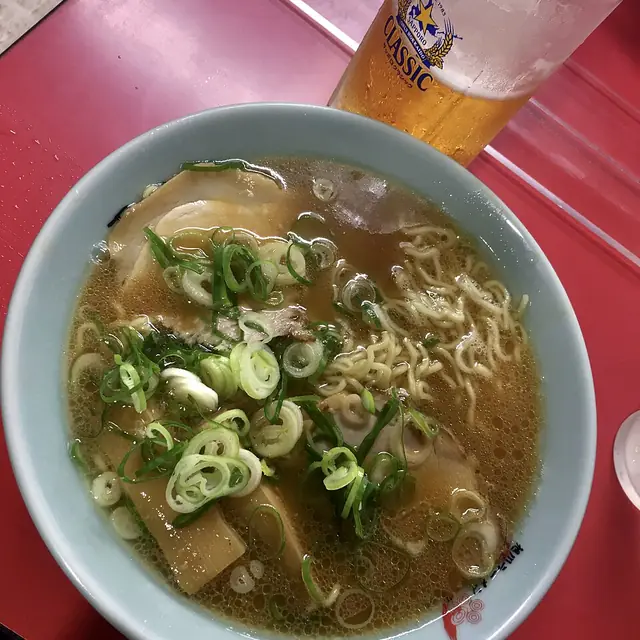 Asahikawa Shoyu RamenSapporo · A Hokkaido soy-sauce ramen from Asahikawa, the second-largest city in Hokkaido, offered as an alternative to Sapporo's miso ramen.
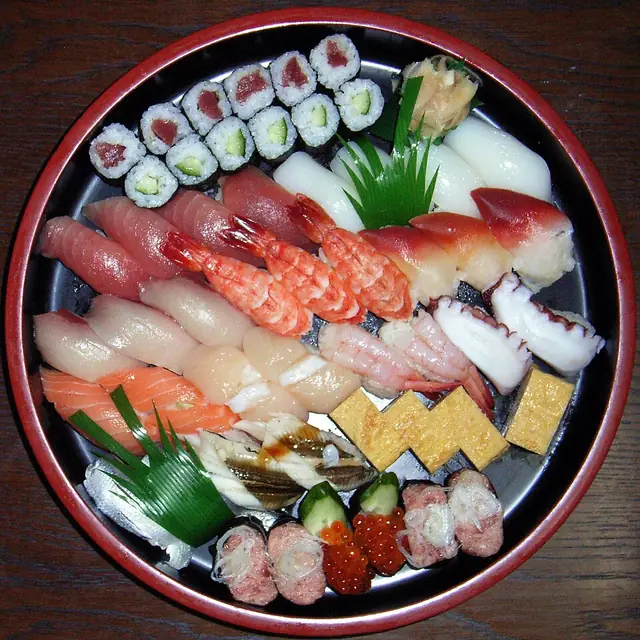 Edomae nigiri sushiTokyo
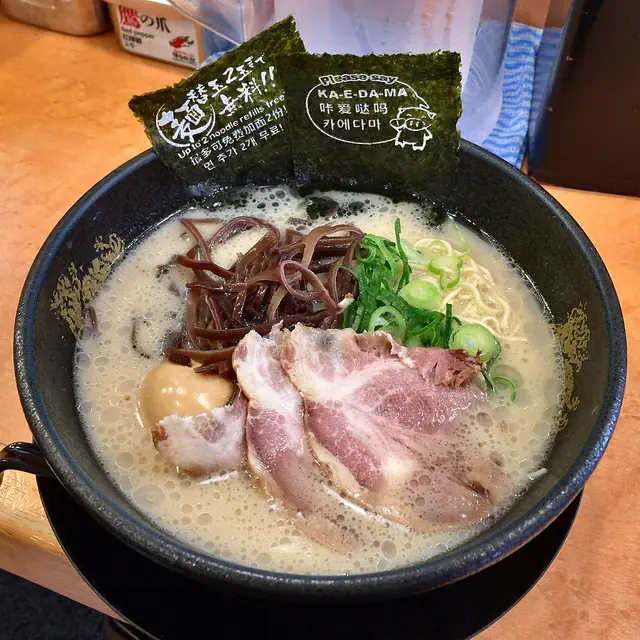 Hakata tonkotsu ramenFukuoka
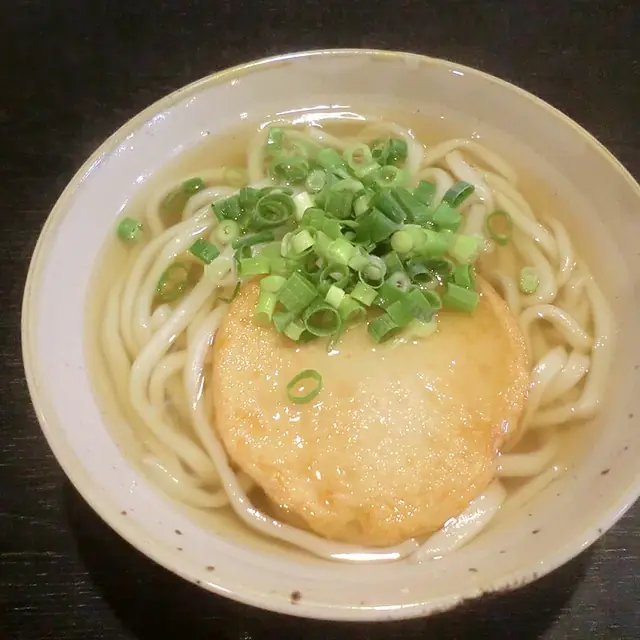 Hakata udonFukuoka
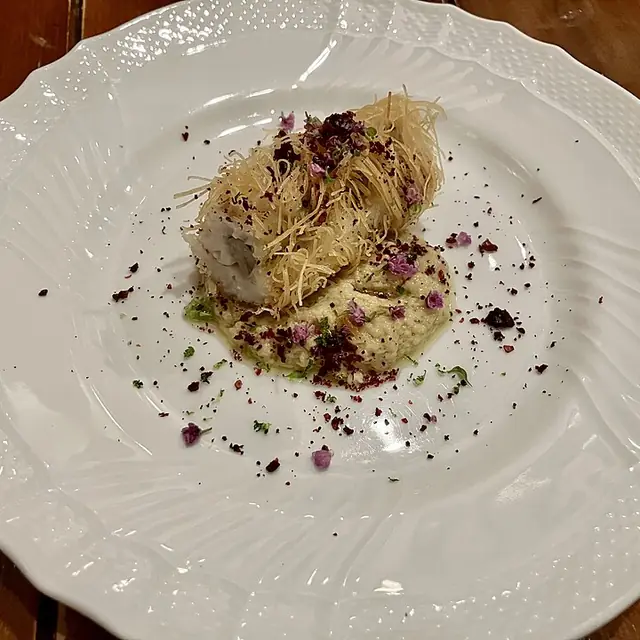 HamoKyoto
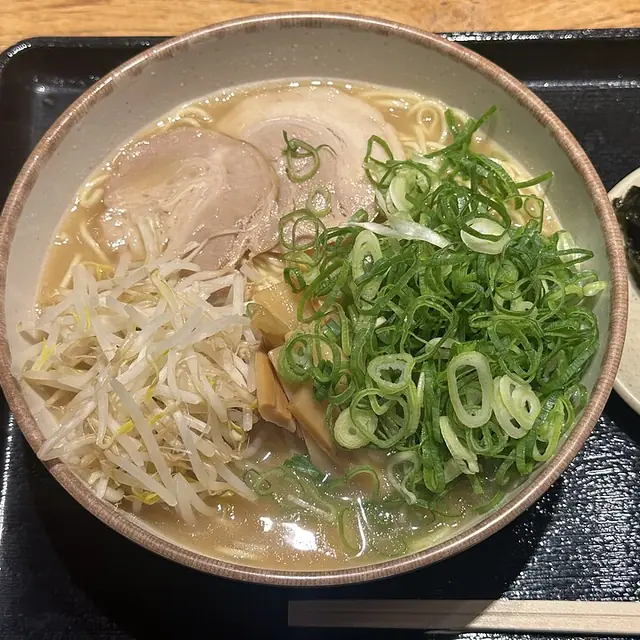 Hiroshima chuka sobaHiroshima · A restrained soy and pork-bone bowl with thin straight noodles, chashu, spring onion and bean sprouts, still called chuka soba here rather than ramen.
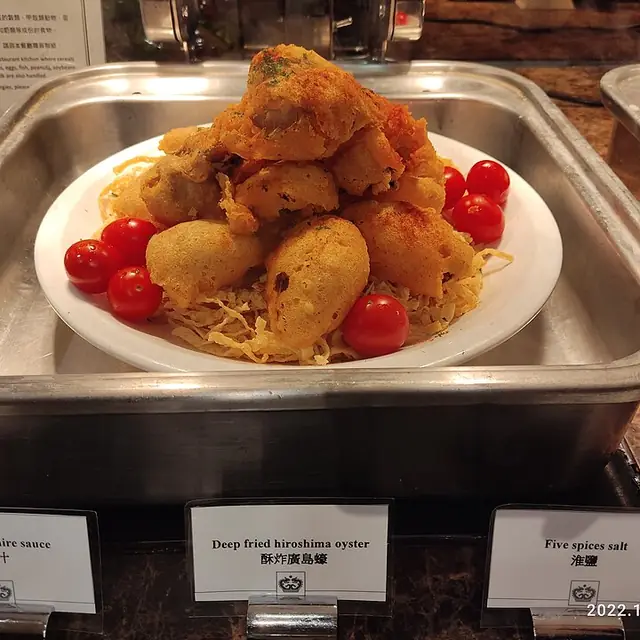 Hiroshima oysters (kaki)Hiroshima
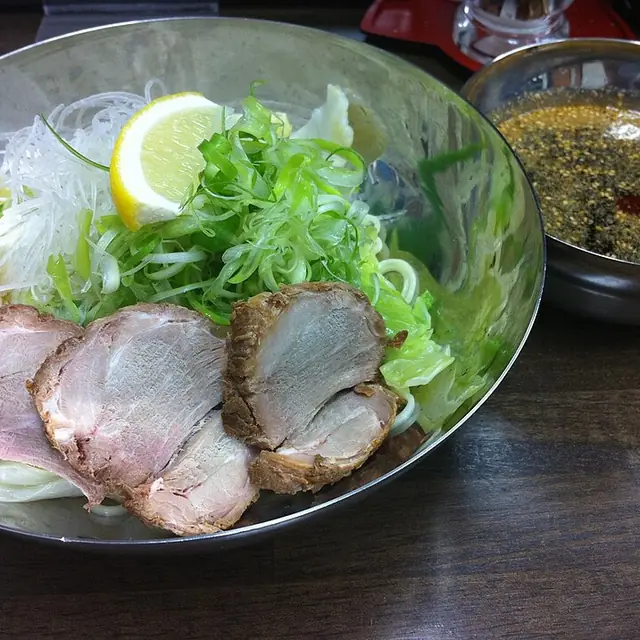 Hiroshima tsukemenHiroshima · Chuka noodles with chashu, boiled cabbage and a boiled egg, dipped into a spicy soy-based sauce made with chilli, chilli oil, vinegar and sesame.
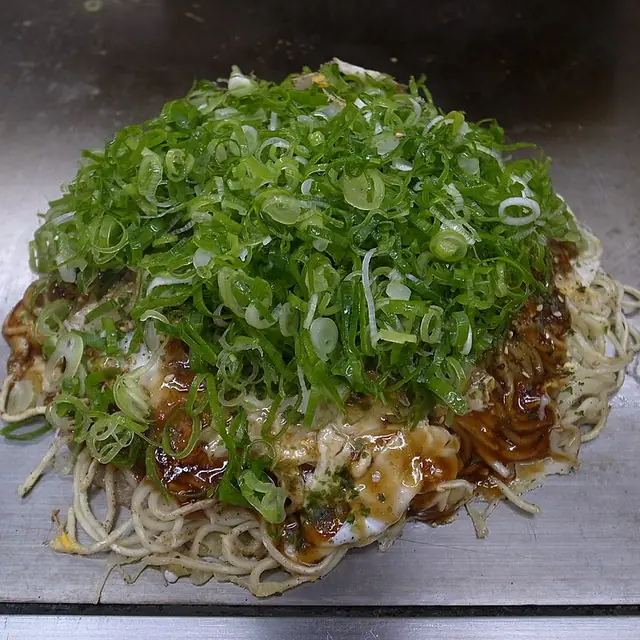 Hiroshima-style okonomiyakiHiroshima
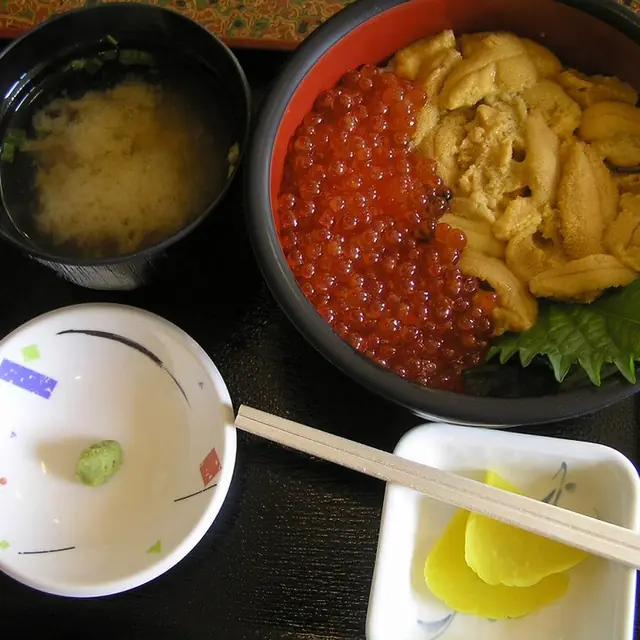 Hokkaido Uni-Don (Sea Urchin Bowl)Sapporo · Sea urchin (uni) served over rice, an order at Sapporo's sushi counters and at the market eateries of Nijo Market.
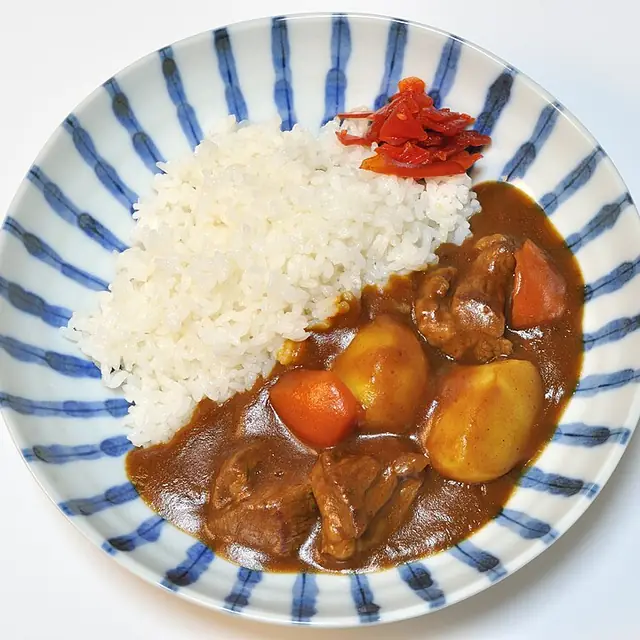 Japanese Curry Rice (Kare Raisu)Tokyo · Japanese curry rice is a thick, mild curry ladled over rice; it reached Tokyo restaurant menus in the 1870s and is now sold by chains across the city.
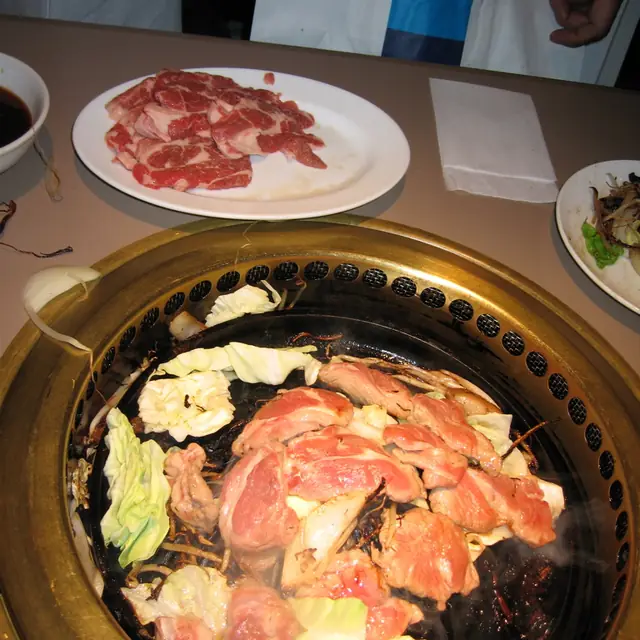 Jingisukan (Genghis Khan Lamb)Sapporo · Jingisukan is a style of grilling mutton or lamb that was conceived in Hokkaido, where it has long been a popular working-class dish.
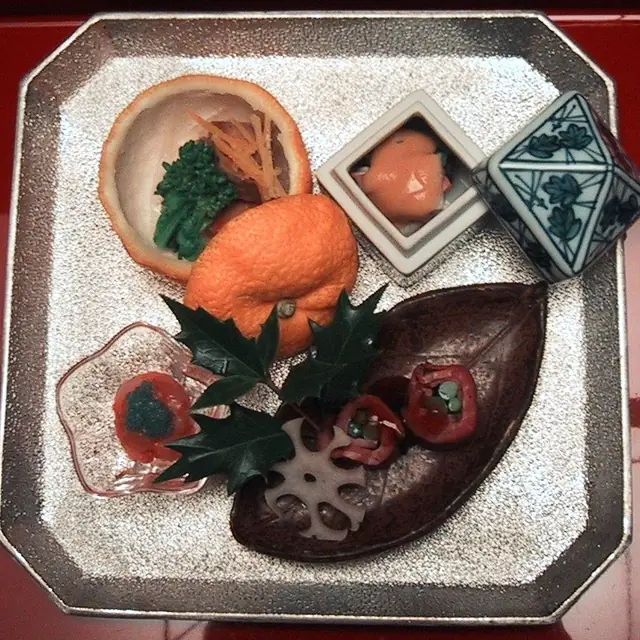 Kaiseki2 cities · Kaiseki is a traditional multi-course Japanese meal; in Kyoto it is known as Kyo-ryori and carries some influence from the city's home cooking.
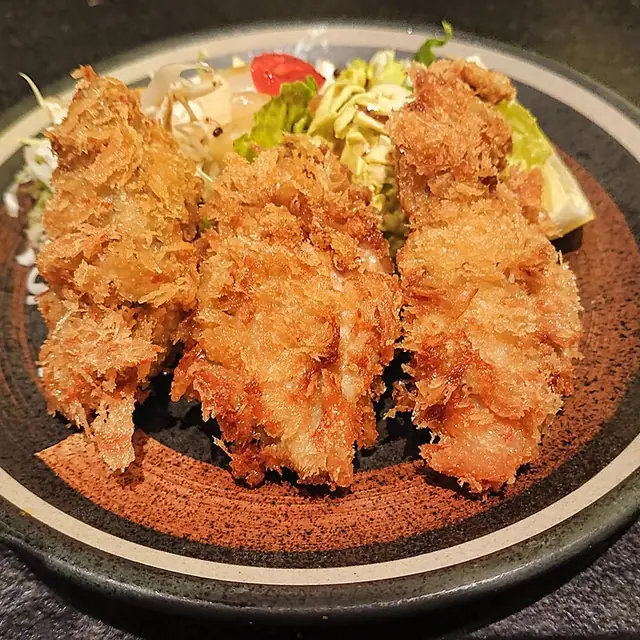 Kaki furaiHiroshima
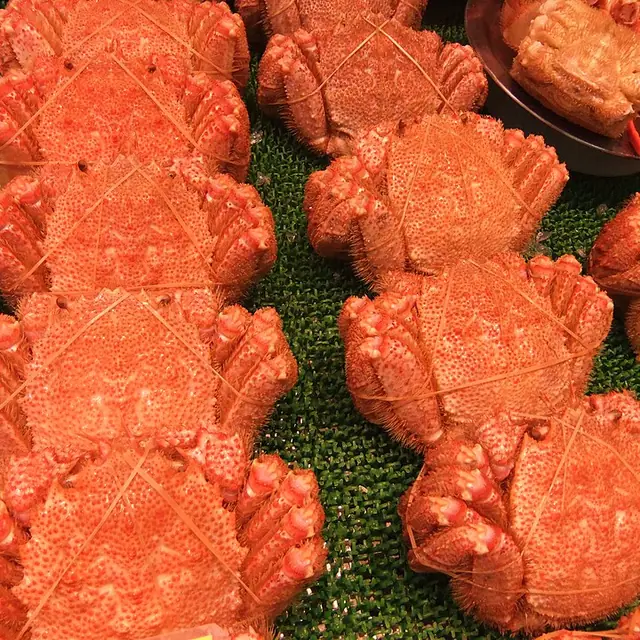 Kegani (Hokkaido Hairy Crab)Sapporo · Kegani is Hokkaido's hairy crab, a Sapporo restaurant speciality; Nijo Fish Market also sells crab among the day's catch.
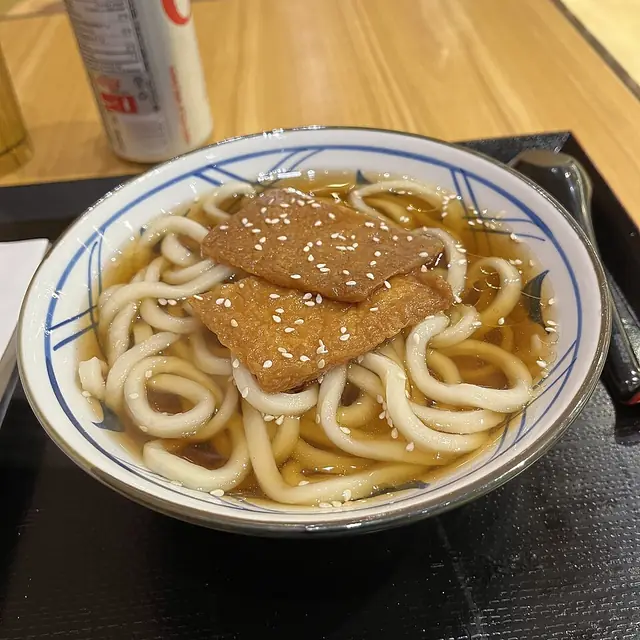 Kitsune UdonOsaka
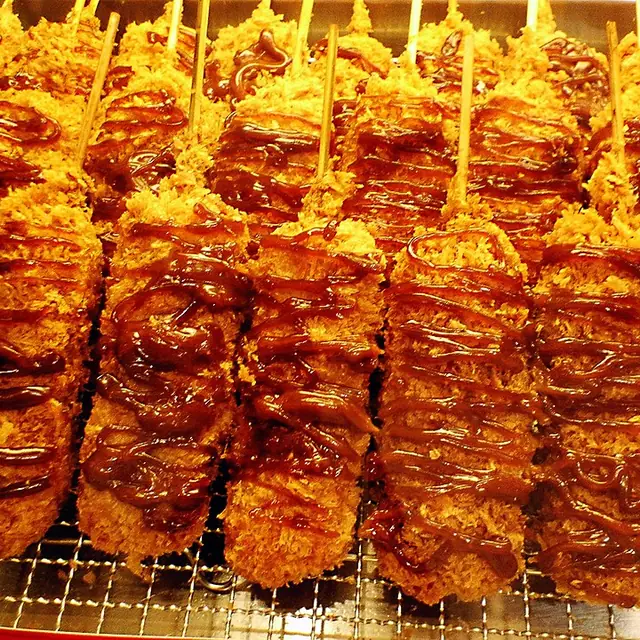 KushikatsuOsaka · Meat and vegetables on skewers, coated in a flour batter and breadcrumbs and deep-fried, famous for the rule against double-dipping in the sauce.
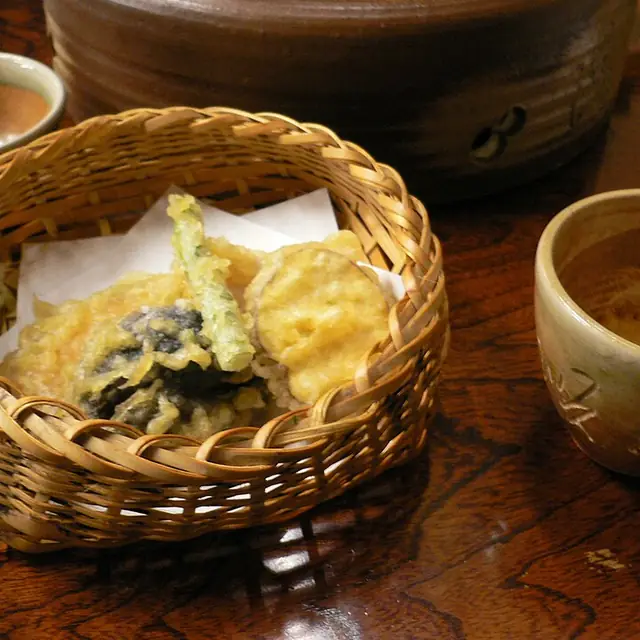 Kyoto TempuraKyoto
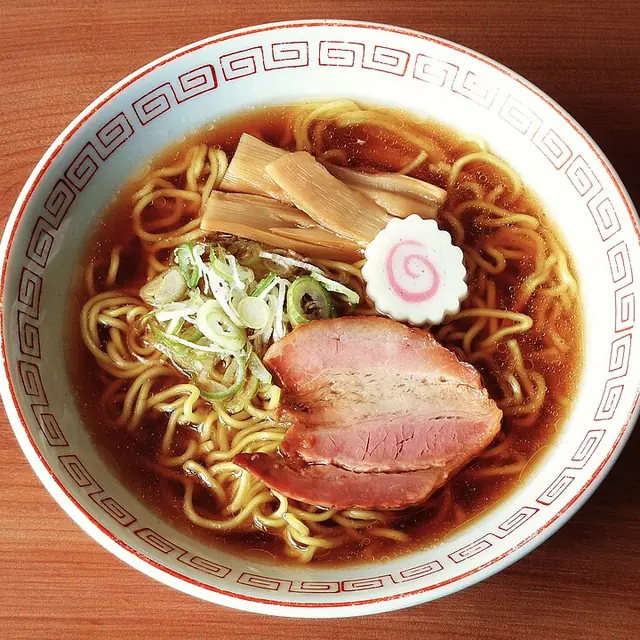 Kyoto-style Shoyu-Tonkotsu RamenKyoto · Kyoto-style shoyu ramen is a dark soy-sauce soup on pork-bone stock; Kyoto ramen is said to have begun with a stall near Kyoto Station in 1938.
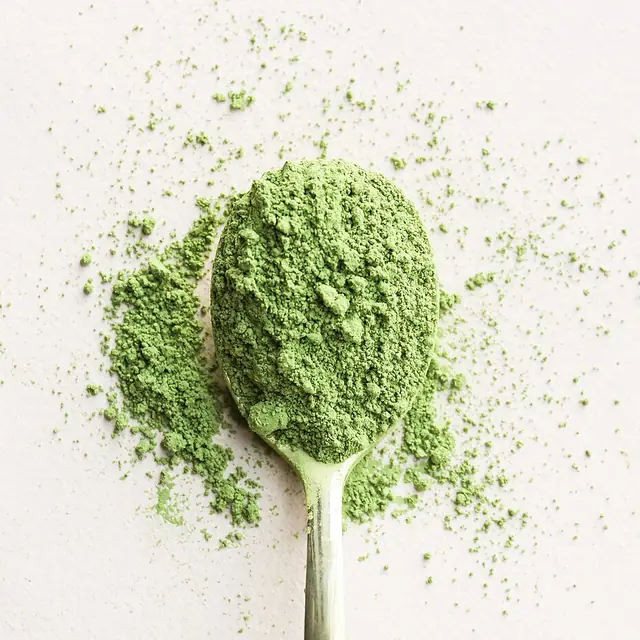 MatchaKyoto · Matcha is powdered green tea whisked with hot water; the monk Eisai brought the method to Japan around 1191, and Uji became its foremost tea region.
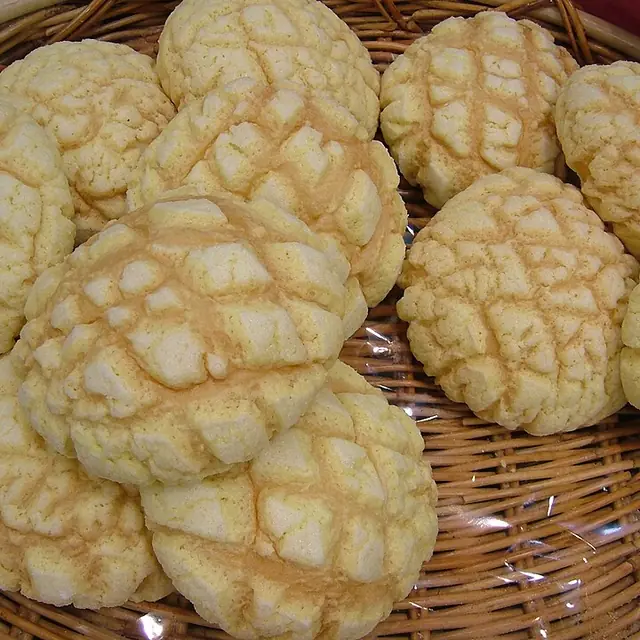 MelonpanTokyo · Melonpan is a sweet bun covered in a layer of crisp cookie dough scored in a grid like a melon rind; it is not traditionally melon-flavoured.
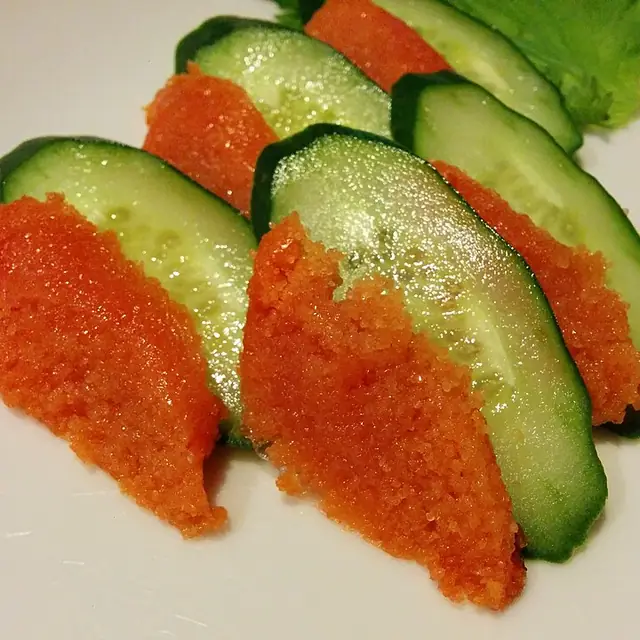 MentaikoFukuoka
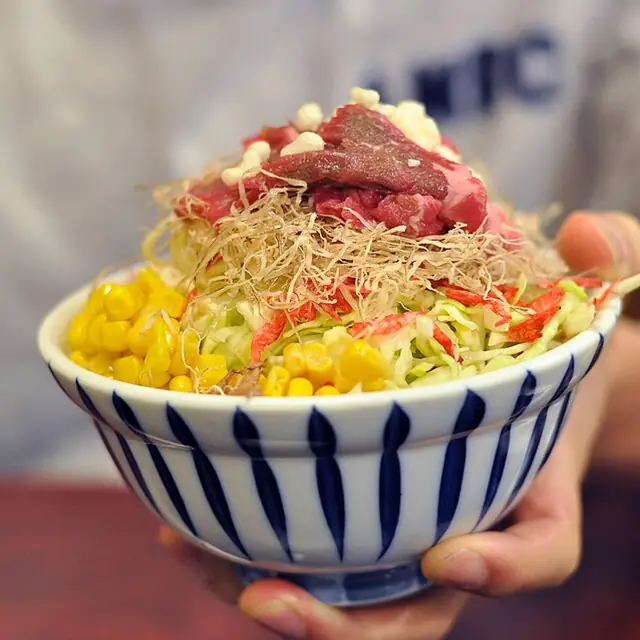 MonjayakiTokyo · Monjayaki is a Tokyo griddle dish of flour, cabbage and extras in a runnier batter than okonomiyaki; Tsukishima's Monja Street has over 70 such shops.
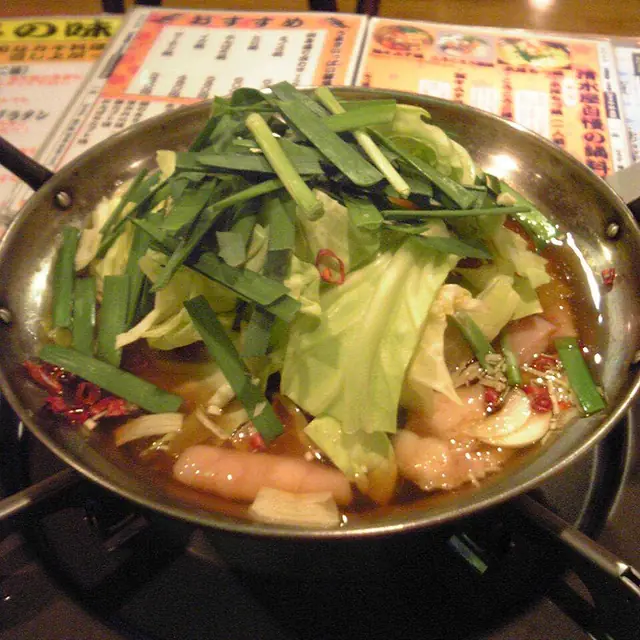 MotsunabeFukuoka
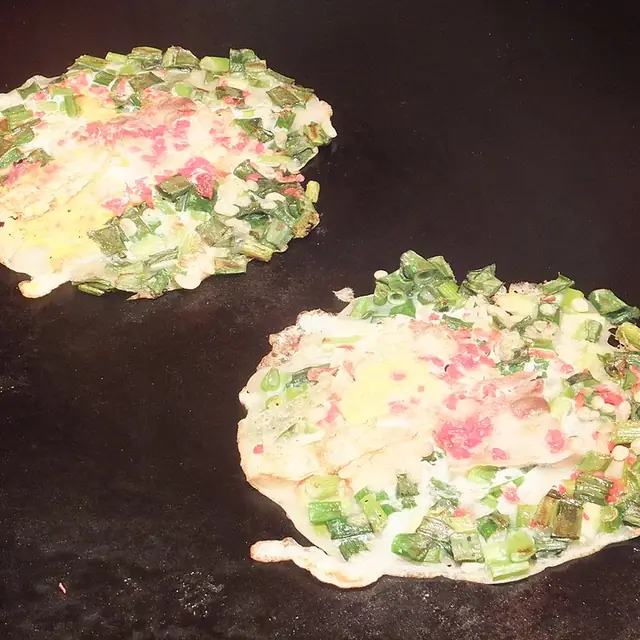 NegiyakiOsaka
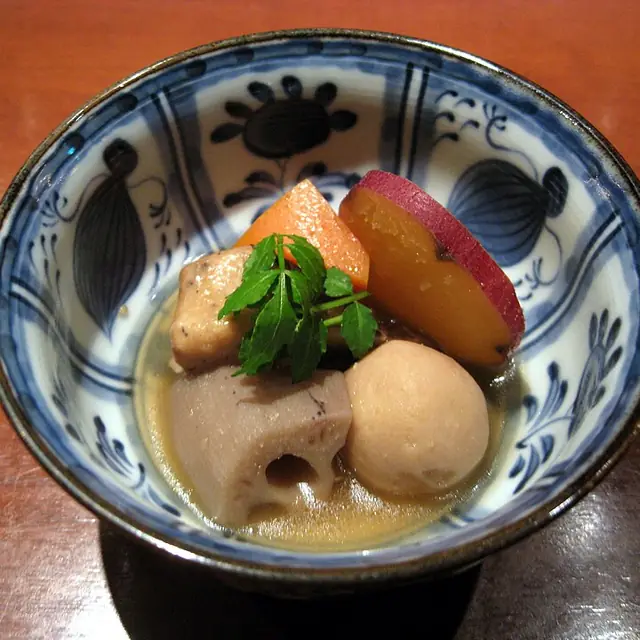 ObanzaiKyoto · Obanzai is the Kyoto term for everyday home-style side dishes, and shops such as Oryori Menami serve a plate of five obanzai that change daily.
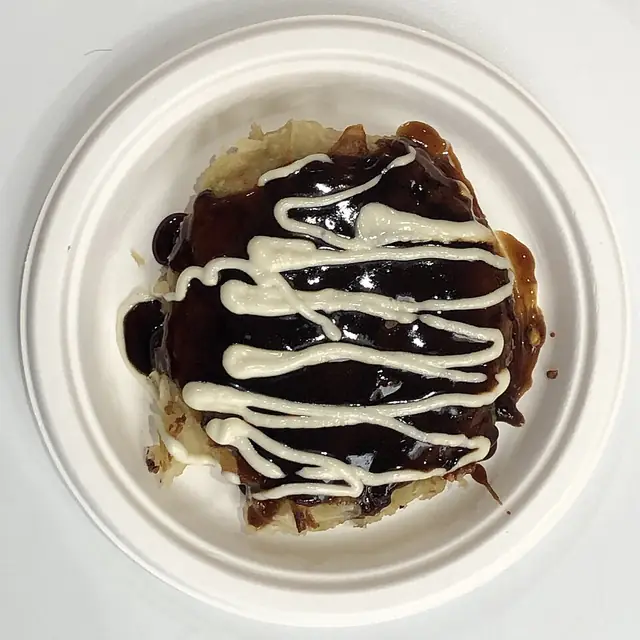 OkonomiyakiOsaka
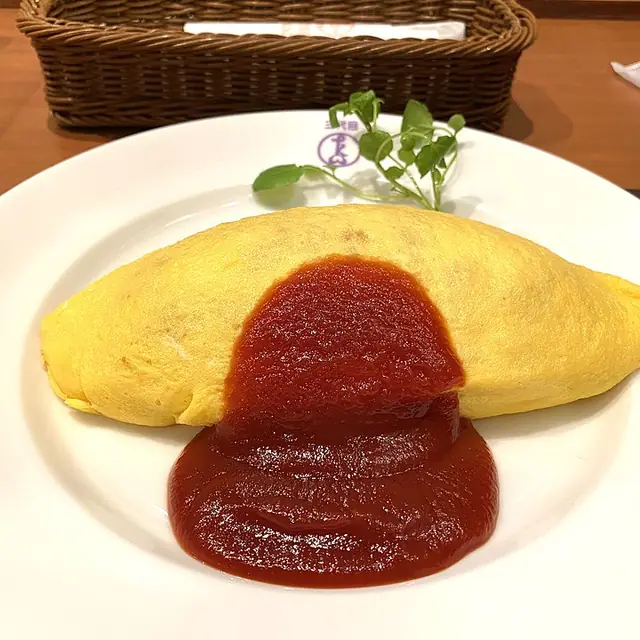 OmuriceOsaka · Ketchup rice wrapped in a thin omelet.
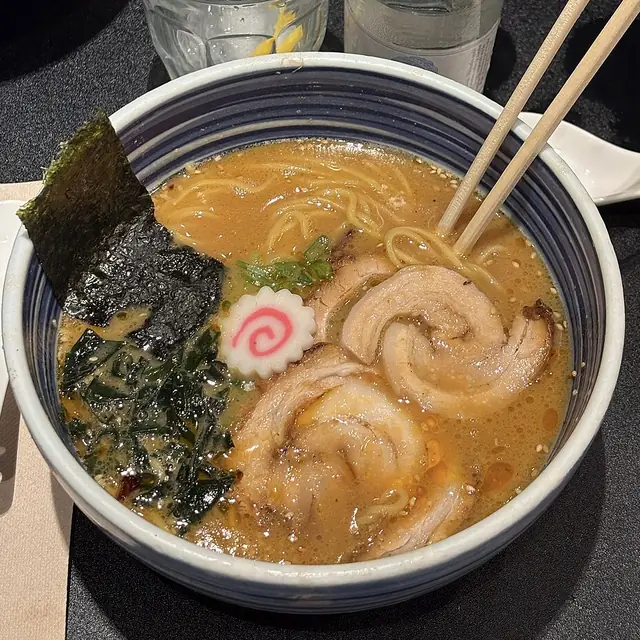 RamenTokyo
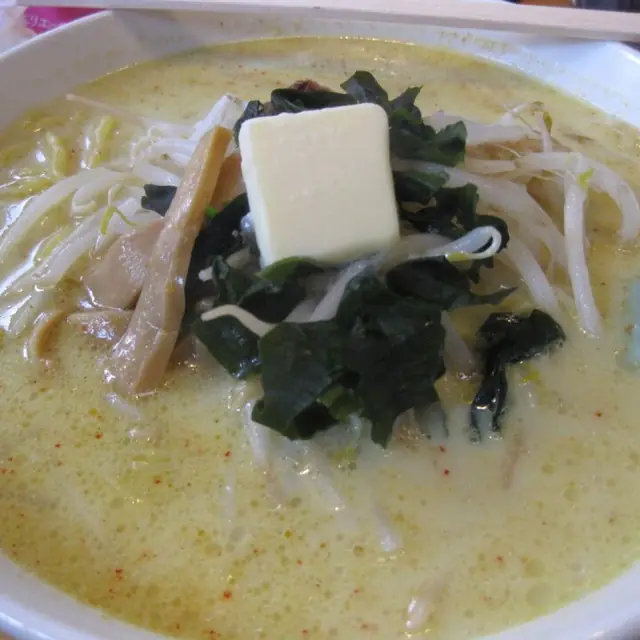 Sapporo Miso RamenSapporo · Sapporo is the birthplace of miso ramen: crinkled, medium-thick noodles in a miso broth, with seasonings such as bean sprouts and onion.
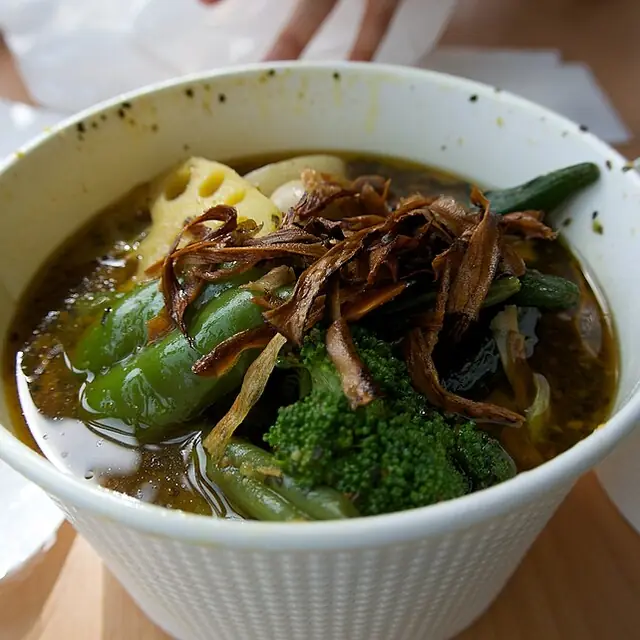 Sapporo Soup CurrySapporo
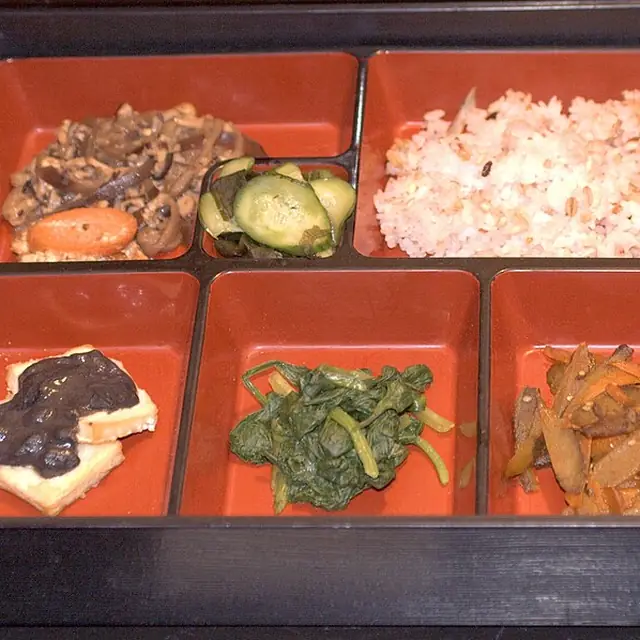 Shojin-ryoriKyoto · Shojin-ryori is Zen Buddhist vegetarian cuisine brought from China in the Kamakura period; Tenryu-ji's Shigetsu serves it in a garden restaurant.
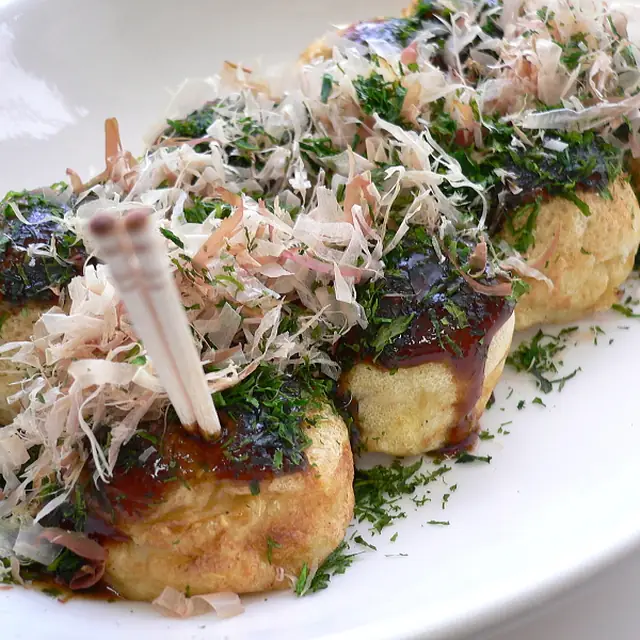 TakoyakiOsaka
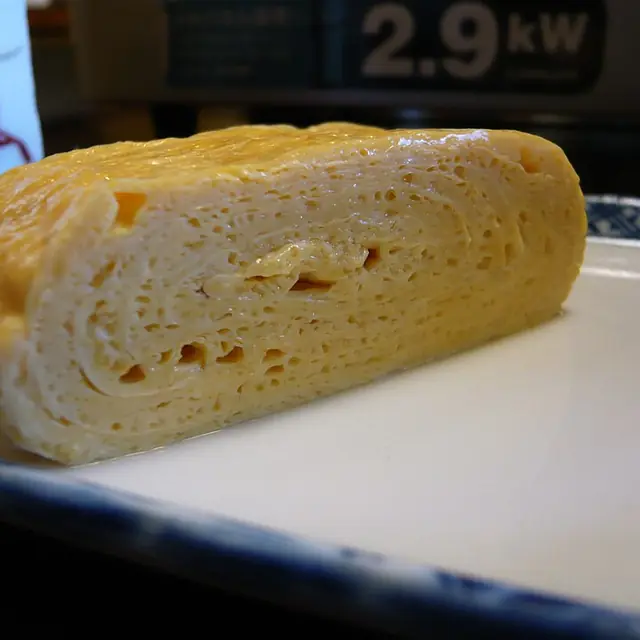 TamagoyakiTokyo
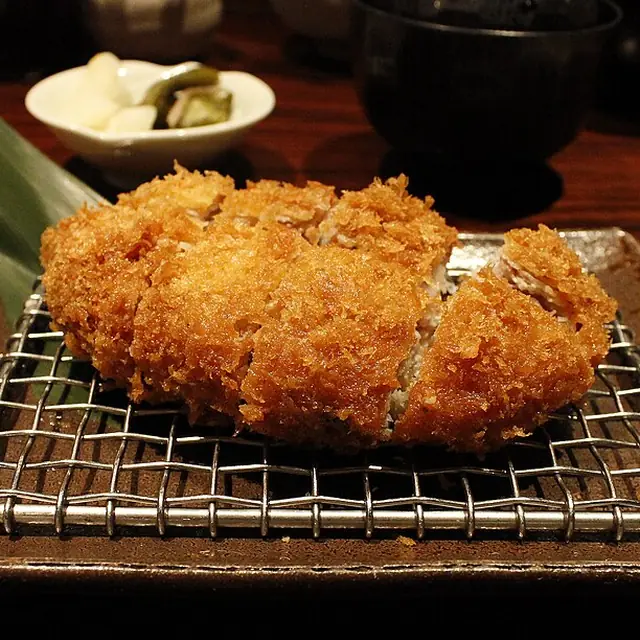 TonkatsuTokyo
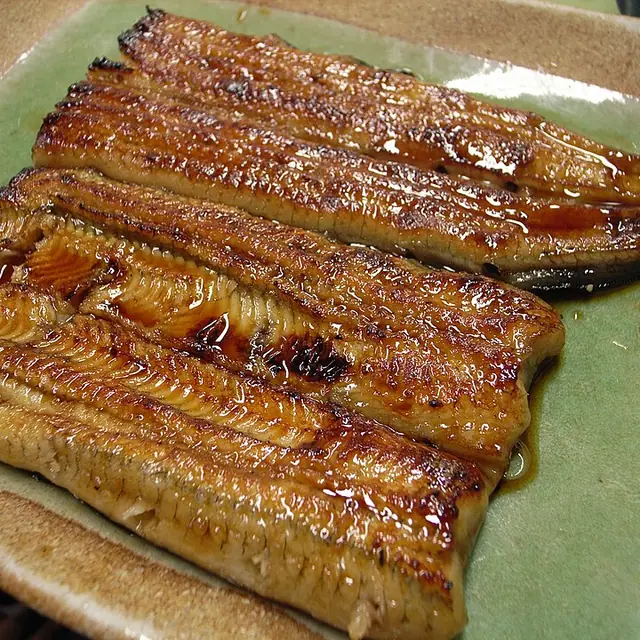 Unagi no KabayakiTokyo · Kabayaki is split freshwater eel grilled and basted with a sweet soy tare; eating unagi in the summer heat is tied to the midsummer Day of the Ox.
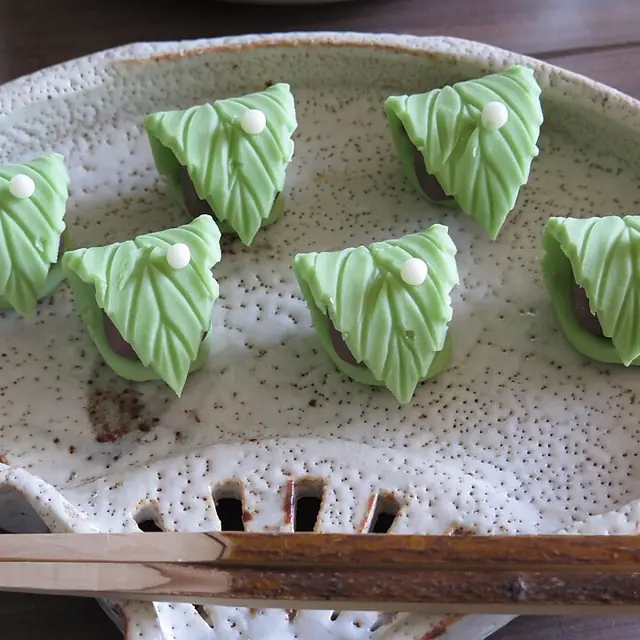 WagashiKyoto · Wagashi are Japanese sweets, and Kyoto's refined kyo-gashi took shape in the Edo period; Kanshundo, founded in 1865, is one of the Kyoto makers.
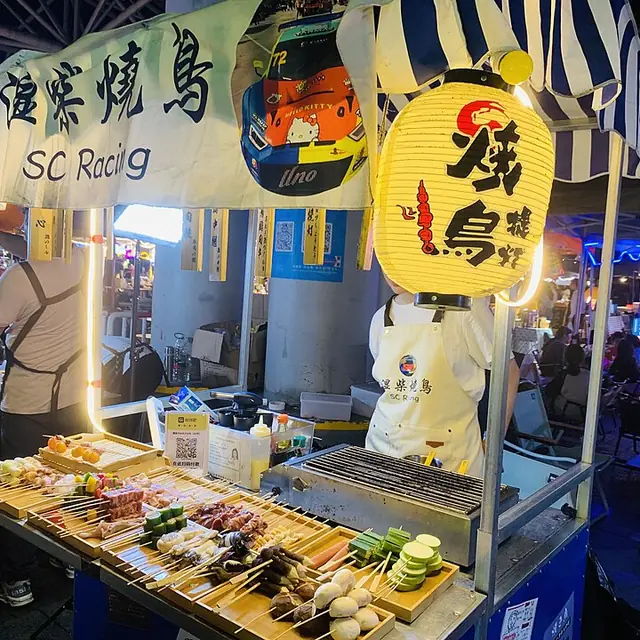 YakitoriTokyo · Yakitori is chicken cooked on a skewer over a charcoal fire and seasoned with tare sauce or salt, sold at street stalls and in yakitori alleys.
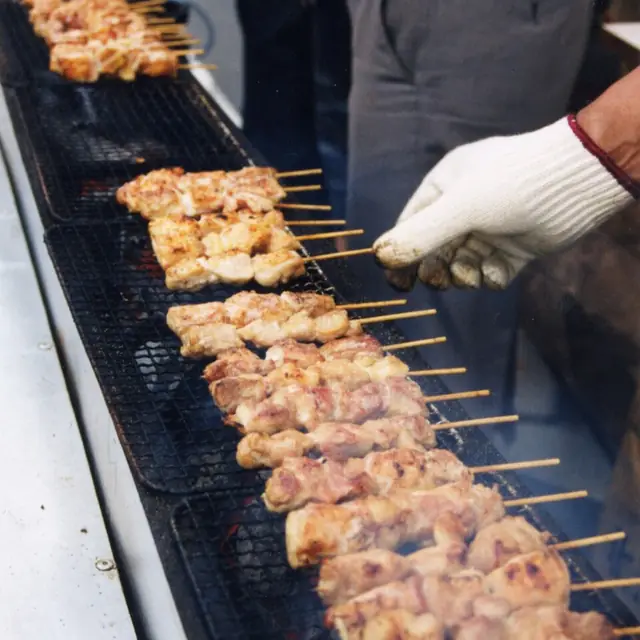 Yatai yakitoriFukuoka
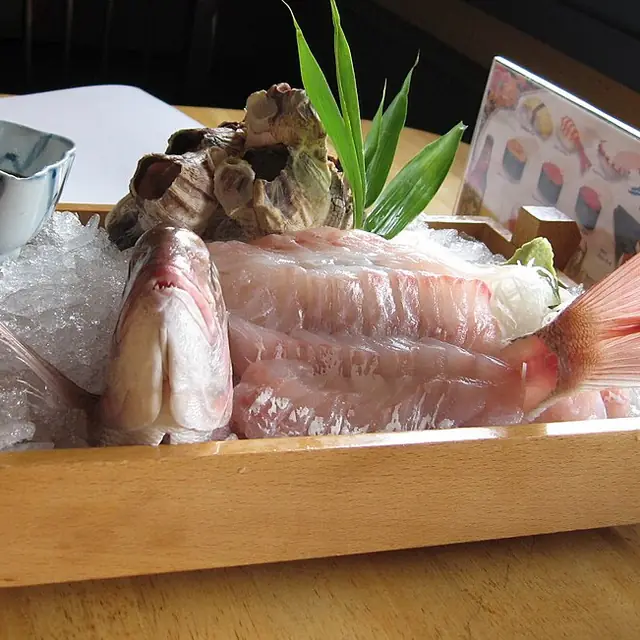 Yobuko ikizukuri (live squid)Fukuoka
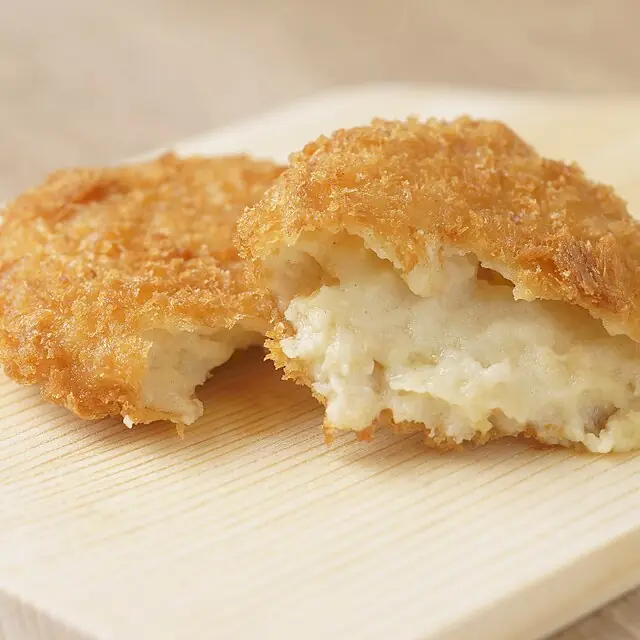 YubaKyoto
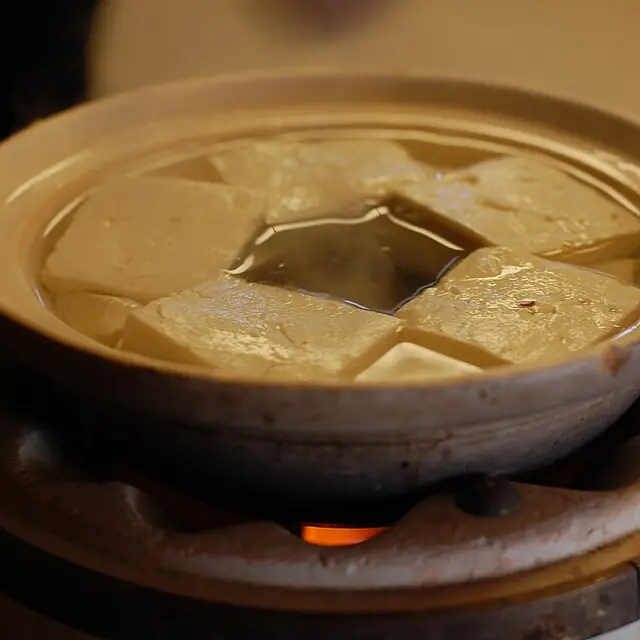 YudofuKyoto · Yudofu is tofu simmered in a clay pot in kombu dashi, a winter dish that Nanzenji Junsei serves beside Nanzen-ji, where it began as tea house food.Battera (Osaka pressed sushi)Osaka · A box (pressed) sushi of mackerel topped with pickled kelp over rice.Chikuwa Pan (Fish-Cake Bread)Sapporo · A soft bread roll around a chikuwa fish-cake tube filled with tuna mayonnaise.Edomae sobaTokyoEdomae TempuraTokyo · Tempura is seafood and vegetables coated in a thin batter and deep-fried; today's mainstream recipe comes from the Tokyo style of the Edo period.Goma sabaFukuoka · Goma saba is mackerel sashimi dressed with sesame, listed by Japan's Ministry of Agriculture as Hakata's goma saba among Fukuoka's local dishes.Hakata tetsunabe gyozaFukuokaHokkaido Hotate (Scallop)Sapporo · Hokkaido scallop (hotate), eaten raw as sushi or sashimi and served at the sushi counters this guide lists in Sapporo.Hokkaido Kaisendon (Three-Colour Seafood Bowl)Sapporo · A bowl of rice topped with fresh seafood.Hokkaido Soft CreamSapporo · Soft-serve ice cream made with Hokkaido milk.Kani-suki (snow crab hotpot)OsakaKawayuka River DiningKyoto · Kawayuka are dining decks built over water in Kyoto: on the Kamogawa from 1 May to 15 October, and at Kibune, Takao and Takagamine in the warm months.Marusei Butter SandwichSapporo · Biscuits filled with cream and raisins, made by Hokkaido confectioner Rokkatei.MizutakiFukuokaOsaka oden (Kanto-daki)Osaka · Boiled eggs, daikon, konjac and fish balls stewed in a light soy-flavoured dashi, called kanto-daki in Osaka.Shirunashi tantanmenHiroshimaZangi (Hokkaido Fried Chicken)Sapporo · Zangi is Hokkaido's version of karaage, made with a marinade and served with a spicy dipping sauce, and a staple of Sapporo izakaya and casual shops.
Book a food experience
Tours, tastings and classes that match this page, bookable on GetYourGuide.