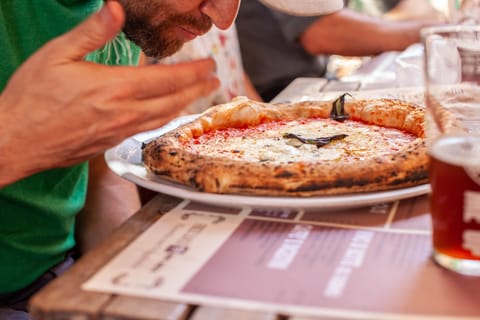
What is in season in Naples. and what to order when the market changes.
Spring
- Friarielli: Neapolitan broccoli rabe returns to market stalls in March, bitter and pungent, the mandatory topping for a sausage-and-friarielli pizza and the side to any pork cut.
- Fave (broad beans): Broad beans appear fresh from late March and are eaten raw at table with pecorino and olive oil, the classic Campanian spring antipasto alongside provolone.
- Asparagi selvatici (wild asparagus): Wild asparagus from the Apennine slopes of Campania appears in April and May; the standard preparation is frittata di asparagi or simply sauteed with garlic and olive oil.
- Ricotta di pecora fresca: Fresh sheep's ricotta peaks in spring with the lambing season; it fills the pastiera napoletana, the ricotta-and-wheat tart eaten at Easter that pastry shops bake from March.
Summer
- Pomodori San Marzano DOP: San Marzano tomatoes, grown in the volcanic soil between Naples and Salerno, ripen from July to September. They go raw onto the margherita and into every summer pasta sauce in the city.
- Fiori di zucca (courgette flowers): Courgette flowers appear from June through August; they fry in a light batter at friggitorie or go onto pizza, a seasonal special at most Neapolitan pizzerias through summer.
- Pesce azzurro (oily fish): Summer is peak season for anchovies, mackerel and sardines from the Bay of Naples; spaghetti con le alici fresche is the summer pasta, and the Cetara anchovies cure from June.
- Anguria (watermelon): Campanian watermelons flood street carts from July; vendors sell chilled slices at the Pignasecca market and on the Lungomare all summer.
Autumn
- Porcini di stagione (seasonal porcini): Autumn brings porcini from the Apennine forests above Naples; they appear on pasta and risotto menus at trattorias from September through November.
- Fichi (figs): Campanian figs ripen in two waves, June and again in September. The dried fig with almonds and fennel seeds (fichi mandorlati) is the autumn sweet sold at Spaccanapoli street stalls.
- Castagne (chestnuts): Chestnut vendors appear on the streets of Naples from October with braziers; the arrostite (roasted in paper bags) are the city's winter street food opening act.
- Uva da tavola (table grapes): Campanian table grapes and the Aglianico and Falanghina harvest from the Irpinia hills run September to October; wine bars open new bottles of the latest vintage from local growers.
Winter
- Scarola (escarole): Escarole from Campanian fields runs all winter; the classic preparation is scarola in brodo (escarole soup with cannellini beans) and the Christmas pizza di scarola stuffed with olives and anchovies.
- Broccoli napoletani: Neapolitan broccoli (a heritage variety, not modern florets) peaks from November to February; sauteed with garlic and chilli and tossed with pasta, it is the winter default on every trattoria carte.
- Salsiccia e friarielli invernali: Winter's first friarielli are more bitter and robust; the salsiccia e friarielli pairing (pork sausage with bitter greens) is the season's signature second course.
- Struffoli (Christmas fried dough): Struffoli, fried dough balls bound with honey and coloured sprinkles, appear at pasticcerie from early December; every Neapolitan family makes a batch for Christmas Eve dinner.
Book food experiences in Naples
Guided tour · 3 hours
Naples feeds you first and explains later. This small-group walk through the royal heart of the city and the Spanish Quarters turns a Sunday lunch's worth of flavor in...
Guided tour · 3 hours
From the birthplace of pizza to hidden gems of Neapolitan cuisine, this tour promises a delectable and unforgettable experience that you must not miss. Remember: in Na...
Guided tour · 3 hours
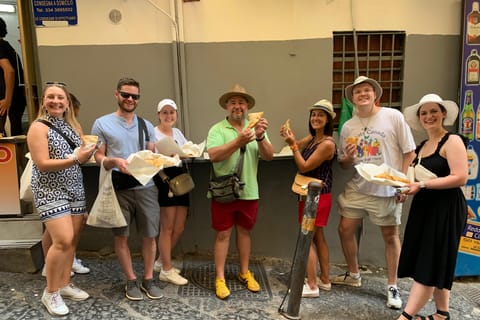
Experience the flavors of Naples on this guided street food tour and uncover the tradition of Neapolitan cuisine. Explore the Pignasecca market and walk the lively str...
See all 815 bookable experiences in Naples