

The plates that define Mumbai: what they are, where they came from, and where to eat the canonical version.
Signature dishes
-

Vada pav ★ 4.9
A deep-fried spiced potato fritter (vada) inside a soft white pav with red garlic chutney and a fried green chilli. The Mumbai mill-worker sandwich, invented 1966.
Where to try it: Ashok Vaidya Vada Pav, Fort Vada Pav Stalls, Sardar Pav Bhaji
Price: INR 25-50
Ashok Vaidya ran a snack stall outside Dadar railway station selling poha, batata vada and tea to mill workers and commuters. In 1966 he slipped the deep-fried potato vada inside a pav with red garlic chutney and a fried green chilli. The format spread across the city within years; Mumbai now counts more than 20,000 vada pav stalls.
Watch out for: Gluten, Nightshade (potato)
-
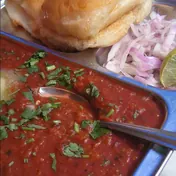
Pav bhaji ★ 4.8
A spiced mash of mixed vegetables (potato, cauliflower, capsicum, peas) served with buttered white pav rolls. Mid-1800s Mumbai mill-worker lunch invention.
Where to try it: Sardar Pav Bhaji, Cream Centre, Sukh Sagar
Price: INR 150-300
Pav bhaji emerged in 1850s Mumbai when textile mill workers needed cheap, quick lunches between shifts. Vendors near the Girangaon mills mashed leftover vegetables with butter and spice, then served the mash with the Portuguese-introduced pav. By the 1950s Sardar Pav Bhaji in Tardeo had become the canonical city version, and Mumbai still treats the dish as its working-class symbol.
Watch out for: Gluten, Dairy, Nightshade
-
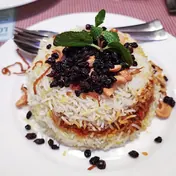
Berry pulao ★ 4.8
Parsi mutton pulao topped with tangy Iranian zereshk berries, fried cashews and crispy onion. The Britannia and Co signature, dating to 1923.
Where to try it: Britannia and Co, Jimmy Boy, The Bombay Canteen
Price: INR 450-650
Britannia and Co opened in Ballard Estate in 1923 and is run by the Kohinoor family. Bachan Kohinoor introduced berry pulao using imported Iranian zereshk berries layered through saffron rice with chicken or mutton. Her son Boman ran the cafe for decades until his death at 97 in 2019, and Britannia still imports the same zereshk berries from Iran for the dish.
Watch out for: Nuts, Dairy
Book food experiences in Mumbai


-

Bombay duck (bombil rava fry) ★ 4.7
Bombil (lizardfish), semolina-coated and pan-fried. The Koli signature dish; the fish is named for the colonial-era post (Bombay Dak) that shipped it salted.
Where to try it: Mahesh Lunch Home, Trishna, Gajalee
Price: INR 350-550
Bombay duck is not a duck but bombil, a lizardfish found off the Mumbai coast. The Koli community has salted and sun-scorched bombil on bamboo racks for centuries. The fresh fish is rava-coated and pan-fried in Koli kitchens and at Mahesh, Trishna and Gajalee. The colonial-era nickname came from salted bombil shipped as cargo (dak = mail).
Watch out for: Fish, Gluten
-
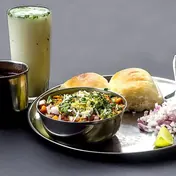
Misal pav ★ 4.6
Sprout curry topped with farsan (crunchy fried mix), onion, coriander and lime, served with buttered pav. A Maharashtrian breakfast institution.
Where to try it: Sardar Pav Bhaji, Soam, Cream Centre
Price: INR 150-250
Misal originated in the Pune-Nashik belt as a working-class breakfast in the early 20th century, built around sprouted moth-bean curry with crunchy farsan on top. Mumbai adopted the pav-served version through the mill-worker era of the early 1900s, and today the city's Maharashtrian breakfast counters and South Bombay rooms still serve it daily with a wedge of lime and chopped onion.
Watch out for: Gluten, Nightshade
-
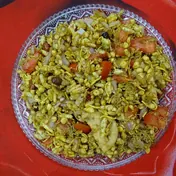
Bhel puri ★ 4.6
Puffed rice tossed with chopped onion, tomato, coriander, sev, tamarind chutney and green chutney. Mumbai's signature beach chaat. Editor's TableJourney pick.
Where to try it: Chowpatty Beach Bhel and Chaat Carts, Juhu Beach Chaat, Elco Restaurant and Market
Price: INR 80-150
Bhel puri originated as a Marwari snack and crossed over to Mumbai street-food culture in the early 1900s. Chowpatty Beach and Juhu Beach became the canonical sunset venues; carts assemble each portion to order with their own house chutneys, varying the tamarind-date sweet, the mint-coriander green and the level of chilli to taste. Most Mumbai households still keep a packet of bhel ingredients ready for monsoon evenings.
Watch out for: Gluten, Peanut
-
Sali boti ★ 4.7
Parsi mutton curry topped with crispy fried potato straws called sali. The wedding-dinner staple of Mumbai's Parsi community; sweet and tangy with apricot, jaggery and vinegar balancing the meat.
Where to try it: Britannia and Co, Jimmy Boy, The Bombay Canteen
Price: INR 400-650
Sali boti is a Parsi-Persian dish with apricots, vinegar and jaggery providing the signature sweet-sour balance against slow-cooked mutton. The crispy potato straws (sali) on top are unique to Parsi cooking and never appear pre-fried. Britannia, Jimmy Boy and Cafe Britannia all serve daily versions, and it remains the canonical Parsi wedding-table dish across Mumbai, often paired with dhansak rice.
Watch out for: Dairy
-
Patra ni machhi ★ 4.6
Pomfret fillets coated in green coconut chutney, wrapped in banana leaf and steamed. The Parsi wedding-table fish dish. Editor's TableJourney pick.
Where to try it: Jimmy Boy, Britannia and Co, The Bombay Canteen
Price: INR 450-700
Patra ni machhi is one of the four canonical Parsi wedding-table dishes (alongside sali boti, dhansak, lagan nu custard). The Parsi community brought the steaming-in-leaf technique from Persia; the green chutney is local Bombay coriander, coconut and chilli. Jimmy Boy still cooks it the wedding-table way.
Watch out for: Fish
-

Falooda ★ 4.5
A sweet rose-syrup drink layered with vermicelli, basil seeds, milk, kulfi and ice cream. Persian heritage via the Irani cafes. Editor's TableJourney pick.
Where to try it: Kyani and Co, Cafe Madras, Cream Centre
Price: INR 200-350
Falooda came to Bombay through Persian Zoroastrian migration in the late 19th century, arriving with the wider Irani cafe ecosystem. Irani cafes like Kyani and Co adopted the layered dessert-drink format with rose syrup, vermicelli, basil seeds and milk topped with kulfi or ice cream. Badshah at Crawford Market and Parsi Dairy Farm later made it city-wide signatures, and both still pour the classic recipe.
Watch out for: Dairy, Gluten
-
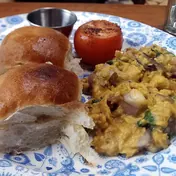
Akuri ★ 4.5
Parsi-style soft scrambled eggs cooked slow with onion, tomato, ginger, green chilli and coriander. The Parsi breakfast institution, served with pav or brun and a glass of Irani chai on the side.
Where to try it: Britannia and Co, Jimmy Boy, Kyani and Co
Price: INR 200-300
Akuri is the Parsi take on scrambled eggs, with the Persian-influenced addition of warming spices, onion and tomato cooked slow until the eggs stay creamy. Britannia, Jimmy Boy and most Irani cafes serve daily versions from breakfast through late morning. It has become a Mumbai breakfast staple beyond the Parsi community, with brunch rooms across Bandra and Colaba including it on weekend menus.
Watch out for: Egg, Dairy, Gluten
-
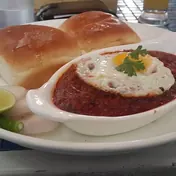
Kheema pav ★ 4.4
Spiced minced meat (usually mutton) with onion, ginger, tomato and garam masala, served with buttered pav rolls. Parsi and Mughlai institution.
Where to try it: Britannia and Co, Jimmy Boy, Bademiya
Price: INR 350-500
Kheema pav crosses Parsi and Muslim Mumbai. Both communities adapted minced meat curry to the Portuguese-introduced pav over the early 20th century; Britannia serves a Parsi version with tomato and spice, while Mohammed Ali Road and Bademiya serve a Mughlai version with deeper masala and a top of fried egg. Sunday breakfast staple across the city, served everywhere from Irani cafes to Sunday-morning street counters.
Watch out for: Gluten, Dairy
-
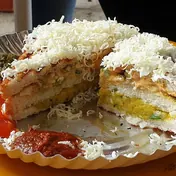
Bombay sandwich ★ 4.3
White-bread sandwich with cucumber, tomato, boiled potato, beetroot and green chutney. Sometimes grilled with butter and cheese. Editor's TableJourney pick.
Where to try it: Cream Centre, Sukh Sagar, Indigo Delicatessen
Price: INR 100-200
The Bombay sandwich emerged in the late 20th century as a Mumbai office-lunch and tea-time staple, especially around Fort, Nariman Point and Churchgate. Street vendors and cafes assemble it the same way every time: white bread, green chutney, cucumber, tomato, boiled potato slices and beetroot. The grilled version adds cheese and goes on a hot toastie press; both versions sell year-round at every street tea-stall.
Watch out for: Gluten, Dairy
-

Pani puri ★ 4.5
Hollow crisp puris filled with tamarind water, mashed potato, sprouts and chutneys. The Mumbai chaat that gets eaten by the dozen. Editor's TableJourney pick.
Where to try it: Chowpatty Beach Bhel and Chaat Carts, Juhu Beach Chaat, Elco Restaurant and Market
Price: INR 80-150
Pani puri came to Mumbai via Marwari and Gujarati street vendors during the early 20th century. The Mumbai version uses sweet tamarind-date water and spicy mint-coriander water served from two separate jugs, with carts assembling each puri to order. Chowpatty and Juhu beaches remain the canonical street venues; sit-down rooms like Elco in Bandra serve the cleaner sit-down setup with bottled water for those wary of street ice.
Watch out for: Gluten
-

Frankie ★ 4.4
A wrap of spiced filling (chicken, mutton, paneer or vegetable) rolled in a thin flatbread, with masala onion and house spice mix. Mumbai's answer to the kati roll, invented in 1969 and still a city staple.
Where to try it: Bademiya, Indigo Delicatessen, Cream Centre
Price: INR 150-300
The Frankie was invented in 1969 by Amarjit Singh Tibb at Tibb's Frankie in Bombay. He adapted the Lebanese shawarma format into a Mumbai-style wrap with masala onion, a thin maida-based flatbread and his own house spice mix. The format spread to street counters and chains across the country, but Tibb's still runs across Mumbai and remains the most recognised name on the dish.
Watch out for: Gluten, Dairy, Egg
-

Modak ★ 4.6
Steamed sweet dumpling with grated coconut and jaggery filling inside a rice-flour wrapper. Ganesh Chaturthi staple. Editor's TableJourney pick.
Where to try it: Sardar Pav Bhaji, Soam, Cream Centre
Price: INR 30-50 each
Modak is Lord Ganesh's favoured offering and Maharashtra's signature festival sweet, a steamed rice-flour dumpling filled with jaggery and fresh coconut. Mumbai's sweet shops fire up modak production through the 10 days of Ganesh Chaturthi in August or September, when families order trays for daily home-puja and the visarjan procession. Chitale Bandhu and Prakash in Dadar are the canonical sources.
Watch out for: Coconut
-
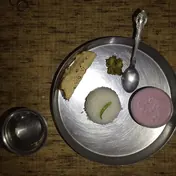
Solkadhi ★ 4.5
Pink coconut-and-kokum drink served with coastal fish meals. Cools the palate and aids digestion of rich curries. Editor's TableJourney pick.
Where to try it: Mahesh Lunch Home, Trishna, Gajalee
Price: INR 100-200
Solkadhi is the Koli and Konkan after-meal drink, served at every coastal fish lunch from the western coast of Maharashtra down through Goa. The pink colour comes from kokum (Garcinia indica), the coconut milk gives body, and a tempering of cumin, ginger and green chilli adds the lift. Mahesh Lunch Home, Trishna and Gajalee all pour it daily as a digestive after the seafood thali.
Watch out for: Coconut
-

Bun maska ★ 4.6
A soft white Irani bun split and slathered with thick salted Amul butter (maska). Served with sweet milky Irani chai at every Irani cafe in Mumbai.
Where to try it: Kyani and Co, Sassanian Boulangerie, Yazdani Bakery
Price: INR 25-50
Bun maska is the canonical Irani cafe pairing for Irani chai, born from the Persian Zoroastrian migration of the early 1900s that built the city's cafe culture. Kyani and Co (founded 1904), Sassanian (founded 1913) and Yazdani still serve it the original way: a soft, slightly sweet bun split and slathered with cold white butter that melts on contact. The price has barely moved in a decade.
Watch out for: Gluten, Dairy
Signature Dishes in Mumbai, FAQ
What food is Mumbai known for?
Mumbai's signature dishes include Vada pav, Pav bhaji, Berry pulao, Bombay duck (bombil rava fry), Misal pav. See our signature dishes chapter for where to eat each.