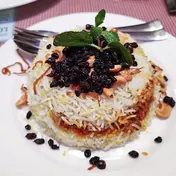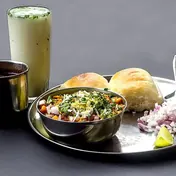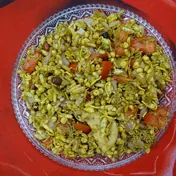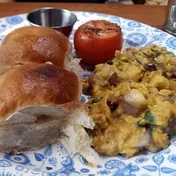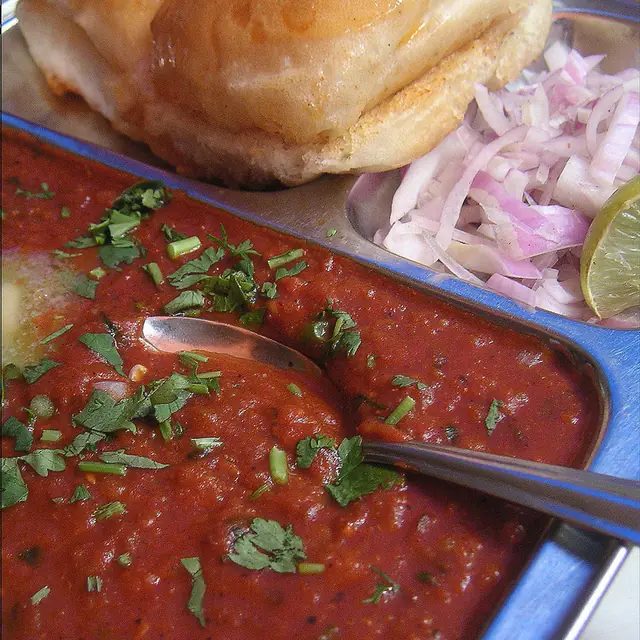
A spiced mash of mixed vegetables (potato, cauliflower, capsicum, peas) served with buttered white pav rolls. Mid-1800s Mumbai mill-worker lunch invention.

Pav bhaji emerged in 1850s Mumbai when textile mill workers needed cheap, quick lunches between shifts. Vendors near the Girangaon mills mashed leftover vegetables with butter and spice, then served the mash with the Portuguese-introduced pav. By the 1950s Sardar Pav Bhaji in Tardeo had become the canonical city version, and Mumbai still treats the dish as its working-class symbol.

Where to eat Pav bhaji in Mumbai

3 editor picks for Pav bhaji in Mumbai, ranked by editorial score. All Mumbai signature dishes · Pav bhaji across every city.

Book food experiences in Mumbai

See all 1345 food experiences in Mumbai

Make it at home

Serves Serves 450 minEasy

Ingredients

  • 4 medium potatoes, peeled and chopped (500g)
  • 1 medium cauliflower, chopped (300g)
  • 200g green peas
  • 2 medium capsicum, chopped
  • 4 medium tomatoes, chopped fine
  • 2 medium onions, chopped fine
  • 1 tablespoon ginger garlic paste
  • 3 tablespoons pav bhaji masala (Everest or MDH brand)
  • 1 teaspoon red chilli powder
  • 1 teaspoon turmeric powder
  • 100g butter plus extra for serving
  • 8 white pavs
  • Salt to taste
  • Lime wedges and chopped onion for serving

Method

  1. Boil potato, cauliflower and peas in salted water 12 minutes until tender. Drain and roughly mash.
  2. Melt 50g butter in a wide pan. Add chopped onion, cook 5 minutes until soft and golden.
  3. Add ginger garlic paste, cook 1 minute. Add chopped tomato and capsicum, cook 8 minutes until tomatoes break down.
  4. Add pav bhaji masala, red chilli powder, turmeric and salt. Cook 2 minutes.
  5. Add the mashed vegetables and 200ml hot water. Mash again with a potato masher while cooking 10 minutes.
  6. Slice each pav. Heat a flat griddle with butter; toast both cut sides of the pav till golden.
  7. Top the bhaji with another knob of butter, serve with hot buttered pav, raw chopped onion and lime.

Editor tip. Keep mashing the bhaji as it cooks; the texture should be coarse, not smooth. Don't skimp on the butter.

Common allergens: Gluten, Dairy, Nightshade.