3 hours
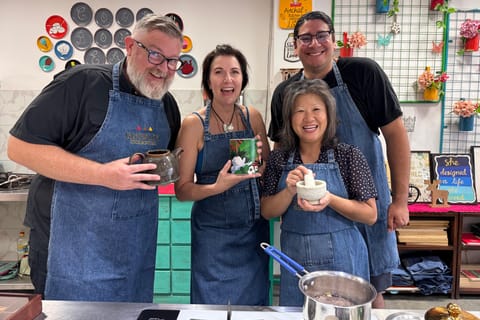
New Delhi: Authentic Hands-on Indian cooking class & meal
Cook an authentic Indian meal in a warm Delhi studio. Learn traditional techniques and enjoy a soulful, hands-on culinary experience with a local host.
from₹6,171 Check dates
How Delhi came to eat the way it does: the people, migrations and accidents that shaped the plate.
How Delhi came to eat the way it does: the people, migrations and accidents that shaped the plate.
Shah Jahan moved the Mughal capital to his new walled city of Shahjahanabad from 1638, and Chandni Chowk was laid out in 1650 to a design by his daughter Jahanara Begum. Nihari, whose name comes from the Arabic word for morning, came later: food historians place its origin in Delhi or Lucknow in the late 18th century, as a breakfast after the dawn prayer.
A lane off Chandni Chowk once known for its silverware dealers began to fill with paratha shops in the 1870s. The stuffed breads, fried in ghee in iron pans, gave the lane its name, Paranthe Wali Gali, and sari and jewellery shops still trade between the paratha counters.
Mohammed Aziz cooked at the court of Bahadur Shah Zafar and left Delhi after the emperor's exile. His son Haji Karimuddin returned for the 1911 Delhi Durbar and in 1913 opened a dhaba near Jama Masjid, promising royal food for the common man. Karim's still trades from the same lane.
Partition turned Delhi from a Mughal city into a Punjabi one. Hindu and Sikh refugees arrived from West Punjab, and three cooks from Peshawar, Kundan Lal Gujral, Kundan Lal Jaggi and Thakur Das Magu, opened Moti Mahal in Daryaganj. Tandoori chicken, butter chicken and dal makhani spread from there across India.
In 1960 the government allotted land by the Yamuna to Tibetan refugees, and the camp at Majnu ka Tilla grew into the city's Little Tibet. In the south, Chittaranjan Park was settled by migrants from East Bengal and became Delhi's centre of Bengali food, with fish markets, sweet shops and Kolkata-style street stalls.
Bukhara opened at the ITC Maurya hotel in Chanakyapuri in the late 1970s with a rustic North-West Frontier menu of tandoor kebabs and black dal, served in earthenware. It has kept the same menu ever since and took Delhi's Partition-era tandoor cooking into a five-star room.
3 hours
Cook an authentic Indian meal in a warm Delhi studio. Learn traditional techniques and enjoy a soulful, hands-on culinary experience with a local host.
Day trip · 13 hours
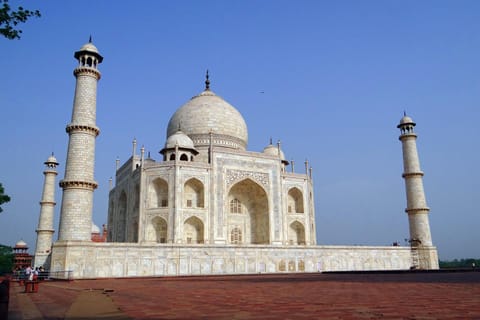
Enjoy a full-day trip from Delhi to see the Taj Mahal, Agra Fort & Baby Taj with authentic Indian food for Lunch. Travel in a private AC car with an English-speaking d...
4 hours
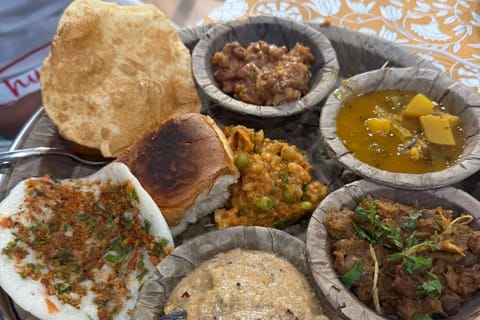
Join a vegan cooking class in Old Delhi and learn to create traditional Indian dishes with a local chef. enjoy a hands-on culinary experience. along with following meal.